Side-by-Side IQ Profile: Pomeranian vs. Borzoi
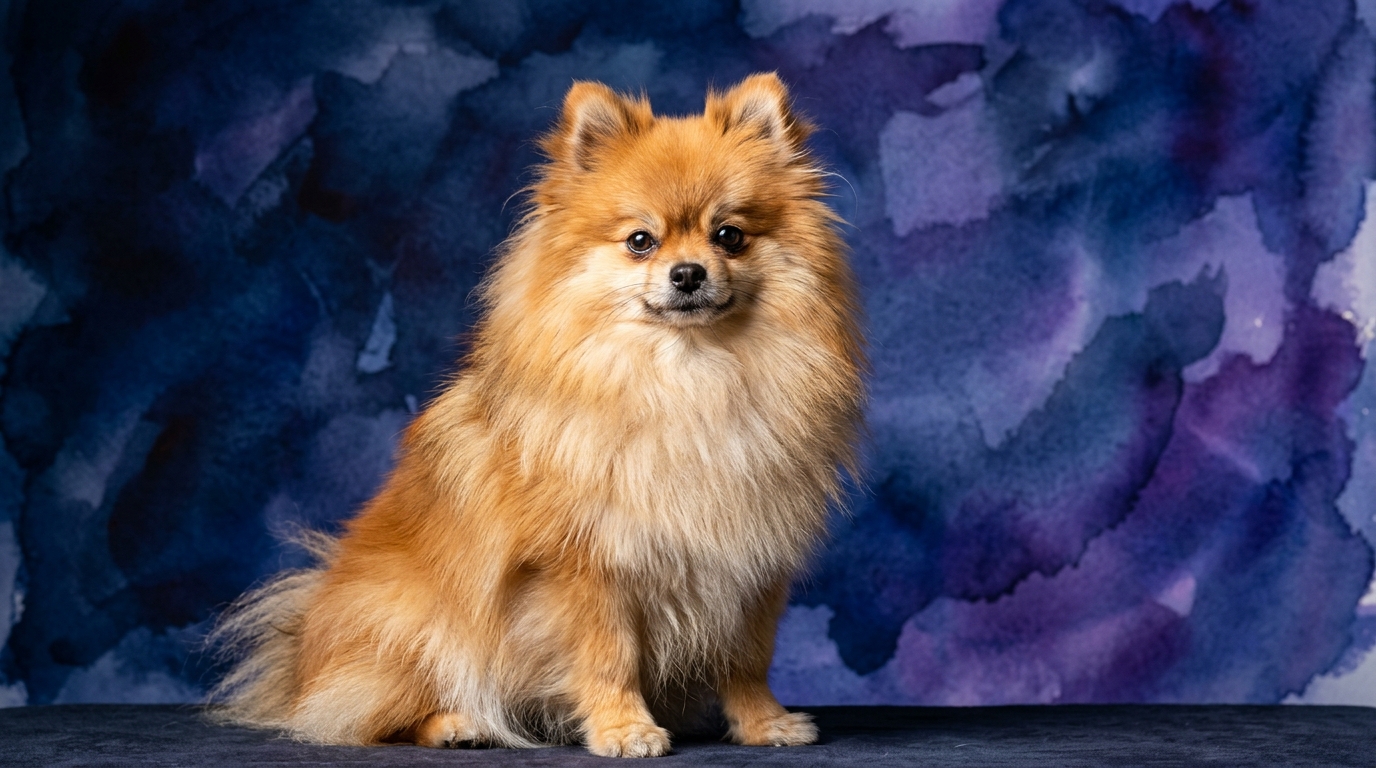
**Pomeranian (Coren Rank #23):** These compact companions often surprise with their sharp minds. Their **Problem Solving (4/5)** score reflects a keen ability to navigate novel situations and figure out how to achieve desired outcomes, often employing clever strategies to get treats or attention. Poms exhibit a rapid **Training Speed (4/5)**, grasping new commands and routines quickly, showing enthusiasm for learning new tricks and obedience exercises, making them highly responsive to consistent, positive reinforcement. Their **Social Intelligence (4/5)** means they excel at interpreting human cues and adapting their behavior accordingly, forming strong bonds and often being quite attuned to the emotional states of their family members. While not primarily bred for complex working roles, their **Instinctive Drive (3/5)** translates into curiosity and a desire to explore, often manifesting as playful chasing or investigating new scents. Finally, their **Memory (4/5)** allows them to retain learned behaviors and recall past experiences, whether it's the location of a favorite toy or a command learned weeks ago, contributing significantly to their overall trainability.
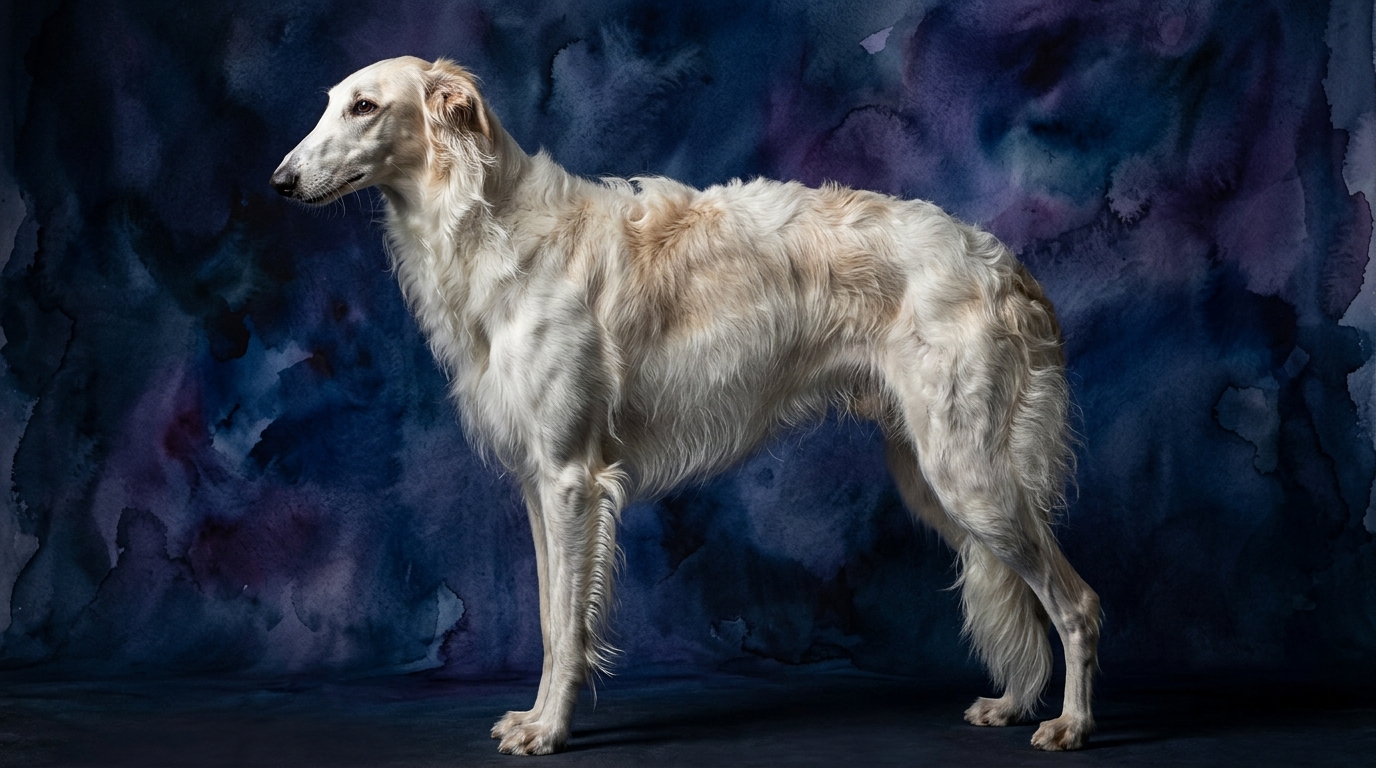
**Borzoi (Coren Rank #75):** The elegant Borzoi presents a different cognitive profile, reflecting its heritage as a sighthound. Their **Problem Solving (3/5)** aptitude is moderate; they often approach new challenges with a thoughtful, independent nature, where solutions might be less about intricate manipulation and more about direct action or waiting for opportunities. While capable of learning, Borzoi tend to learn at a more deliberate pace, earning a **Training Speed (3/5)** score, as their independent spirit may require more patience and motivation to consistently perform commands. In terms of **Social Intelligence (3/5)**, Borzoi form deep, quiet bonds with their chosen family, demonstrating an understated awareness of social dynamics, often reserved with strangers, preferring to observe before engaging. As sighthounds, their **Instinctive Drive (3/5)** is heavily focused on chasing and pursuing fast-moving objects, a strong remnant of their hunting heritage, while other drives might be less pronounced. Borzoi possess a functional **Memory (3/5)**, recalling familiar routines and people, though their recall of specific commands or past experiences might not be as sharp or immediate as breeds with higher training scores, often influenced by their selective attention.
Where the Pomeranian Wins Cognitively
The Pomeranian's superior Coren rank (#23 compared to the Borzoi’s #75) and higher scores across multiple cognitive dimensions highlight their distinct mental agility. Poms exhibit a more adaptable and quick-thinking mind, particularly in scenarios demanding rapid interpretation of human signals and swift acquisition of new skills. Their Problem Solving score of 4/5 means they are adept at figuring out complex situations, often displaying a creative approach to overcome obstacles or achieve desired outcomes, such as manipulating their environment to reach a hidden treat. This isn't just about puzzle-solving; it extends to understanding nuanced social dynamics within a household, making them highly responsive companions who quickly pick up on subtle changes in their owner's mood or intentions. The Pomeranian’s 4/5 in Training Speed and Social Intelligence, combined with their strong Memory, translates into a dog that not only learns quickly but also retains information effectively and uses it to engage meaningfully with their human family, often anticipating requests or reacting appropriately to various social cues.
Where the Borzoi Wins Cognitively
While the Borzoi’s individual scores are generally lower in traditional metrics, their unique cognitive strengths lie in areas deeply rooted in their specialized purpose, particularly in their instinctive drive and independent decision-making. Their 3/5 instinctive drive, while numerically matching the Pomeranian’s, manifests as an unparalleled focus and determination when pursuing prey, a highly refined cognitive specialization honed over centuries for coursing. This drive isn't about general obedience but about an intense, almost singular-minded pursuit, requiring complex spatial reasoning, real-time speed calculation, and predictive tracking over vast distances—a remarkable cognitive feat distinct from a Pomeranian's interactive problem-solving. Borzoi also exhibit a distinct form of independent problem-solving rooted in their sighthound heritage; they are bred to make autonomous decisions during a chase, rather than waiting for human commands. This translates into a thoughtful, often reserved approach to new situations, where they process information and decide on a course of action that might not always align with immediate human expectations but is driven by their own internal logic and keen observational skills. Their intelligence is geared towards independent, long-range action and strategic pursuit, a unique form of specialized cognitive excellence.
Which is Easier to Train and Why
The Pomeranian is generally easier to train, a conclusion supported by their 4/5 Training Speed and 4/5 Social Intelligence scores, contrasting with the Borzoi's 3/5 in both. Poms typically exhibit a strong desire to please their owners and are highly motivated by praise, treats, and attention, making them eager and enthusiastic participants in training sessions. Their quick memory and problem-solving skills allow them to grasp new commands rapidly and retain them effectively, often consolidating learning experiences with just a few repetitions. In contrast, the Borzoi's independent nature and moderate training speed mean they often require more patience, consistency, and a different motivational approach. While perfectly capable of learning, a Borzoi might question the necessity of a command or simply choose not to comply if they don't see the immediate value or if their sighthound instincts are pulling them elsewhere. Their training often involves building a strong, respectful relationship where the dog chooses to cooperate, rather than simply obeying, a behavioral difference stemming from their historical role as autonomous hunters. Their selective attention, especially when a potential 'prey' object is present, can override learned commands, making consistency and strong recall training paramount.
Which Suits Active Owners vs. Relaxed Owners
**Pomeranian for Active Owners (Mentally & Socially):** Despite their small stature, Pomeranians are surprisingly robust and benefit greatly from owners who engage them in consistent mental stimulation and social activities. Their high problem-solving and social intelligence scores mean they thrive on learning new tricks, participating in dog sports like agility or obedience, and having regular, interactive engagement with their human family. A truly 'relaxed' owner who offers minimal mental or social engagement might find a bored Pom becoming vocal, mischievous, or developing undesirable habits to entertain themselves. They ideally suit owners who enjoy interactive play, frequent training sessions, and including their dog in daily outings and social events, as their minds require as much exercise as their bodies. Their vivacious nature means they appreciate being at the center of attention and contributing to household activities.
**Borzoi for Relaxed Owners (Physically, but with specific exercise needs):** The Borzoi, despite its impressive size, often presents as a more relaxed and serene indoor companion, preferring to lounge gracefully on soft surfaces. However, this 'relaxed' nature is contingent on meeting their very specific, intense exercise requirements. They need opportunities for full-speed sprints in a secure, large area to satisfy their strong instinctive drive, but are otherwise content with moderate walks and ample couch time. They suit owners who appreciate a calm, independent presence in the home but can commit to providing bursts of high-intensity physical activity in a safe environment, rather than constant, sustained physical output or intricate daily training sessions. Their reserved social intelligence means they don't constantly demand attention, fitting a more 'relaxed' owner who values quiet companionship, but an owner must be prepared for their unique physical needs and understand that their 'relaxed' demeanor isn't a substitute for fulfilling their powerful natural instincts.
The Verdict
Opt for a Pomeranian if you seek a highly interactive, quick-learning companion eager to engage in mental challenges, thrive on social interaction, and respond readily to consistent training. They are ideal for owners who enjoy a dog that is always 'on' and ready to participate.
Select a Borzoi if you appreciate a serene, independent presence that requires bursts of intense physical activity and responds best to patient, relationship-based training, valuing quiet companionship over constant engagement. They suit owners who can provide specific exercise outlets and respect their subtle, self-possessed nature.
🧠 Find Your Pet's IQ Score
Our Pet IQ Lab assessment covers 25+ tests across 5 cognitive dimensions — personalized to your breed.
Take the Full IQ Test →Frequently Asked Questions
Do Pomeranians bark a lot due to their intelligence?
Pomeranians' strong social intelligence and problem-solving skills mean they are highly observant of their environment and quick to alert their owners to new sounds or perceived threats. This can manifest as barking, which isn't solely a sign of intelligence but rather a communication strategy rooted in their awareness and desire to engage or protect their space. Consistent training can help manage excessive vocalization.
Is a Borzoi's lower Coren rank indicative of a lack of intelligence?
A Borzoi's Coren rank of #75 doesn't indicate a lack of intelligence, but rather reflects their specific type of cognitive function and their independent nature, which can make them less inclined to immediate obedience. Their intelligence is specialized for tasks like sighting and pursuing prey over long distances, requiring acute visual processing and autonomous decision-making, which differ from the general obedience metrics Coren's ranking primarily assesses.
Can a Pomeranian and a Borzoi coexist peacefully given their size and intelligence differences?
Yes, a Pomeranian and a Borzoi can coexist peacefully with proper introductions and supervision, especially if the Borzoi is raised with smaller animals from a young age to mitigate its sighthound prey drive. The Pomeranian's social intelligence can help it navigate the Borzoi's more reserved nature, while the Borzoi's calm demeanor indoors can complement the Pom's vivacity, provided their individual exercise and engagement needs are met.