Side-by-Side Cognitive Profiles: Pomeranian vs. Boston Terrier
At The Cosmic Pet Pet IQ Lab, we assess canine intelligence across five key dimensions, providing a nuanced understanding of each breed's cognitive strengths. Let's break down the profiles of these two distinct breeds.
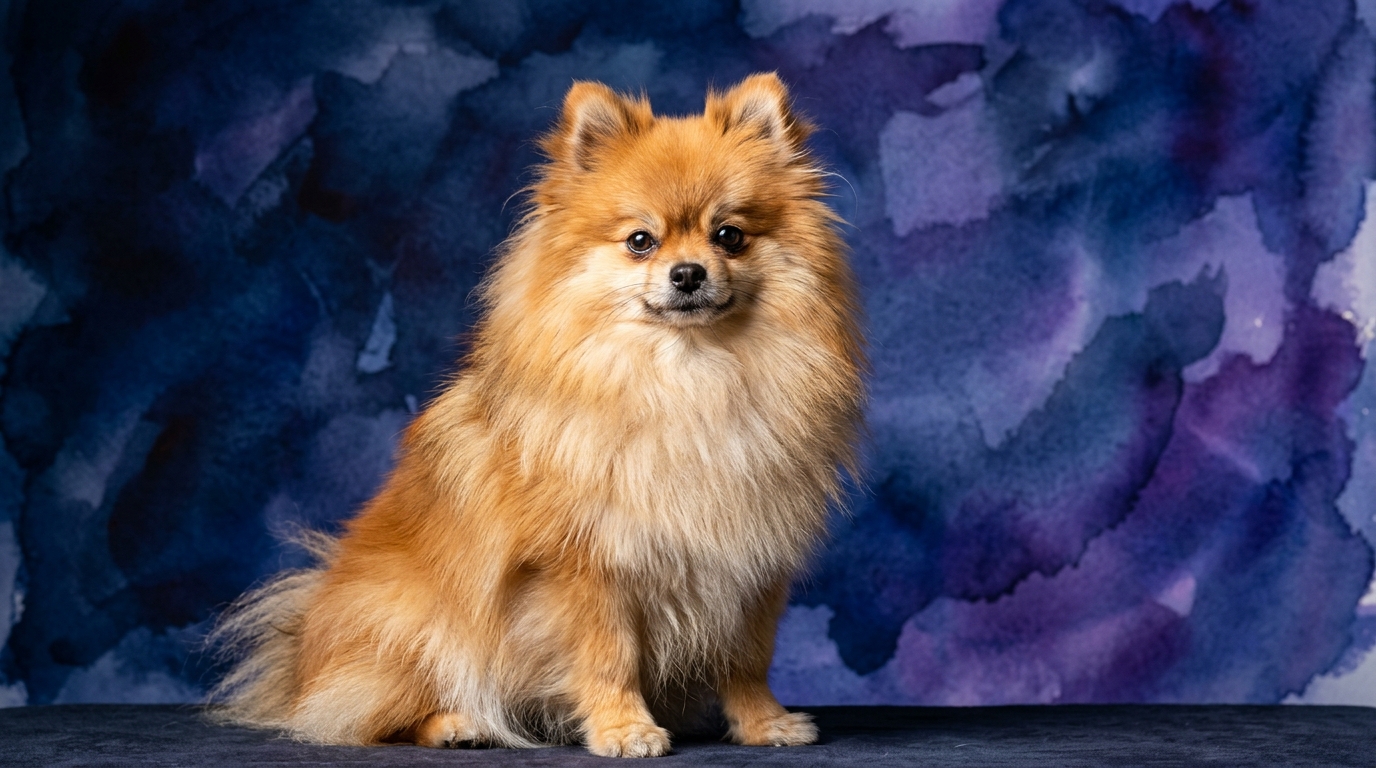
The **Pomeranian**, with a Coren ranking of #23, demonstrates a sharp and agile mind. Its Problem Solving score of 4/5 indicates a breed capable of quickly analyzing situations and devising solutions, such as figuring out how to access a coveted toy or navigating complex environmental changes. Their Training Speed, also at 4/5, suggests they pick up new commands and routines with remarkable alacrity, often requiring fewer repetitions than many other breeds. Social Intelligence at 4/5 means Pomeranians are adept at reading human cues and adapting their behavior to social contexts, making them highly responsive companions. An Instinctive Drive of 3/5 suggests they retain some natural instincts, like a tendency to bark at perceived threats or a moderate prey drive, but these are generally manageable. Finally, their Memory score of 4/5 implies they retain learned information and experiences effectively, remembering commands, routes, and past interactions.
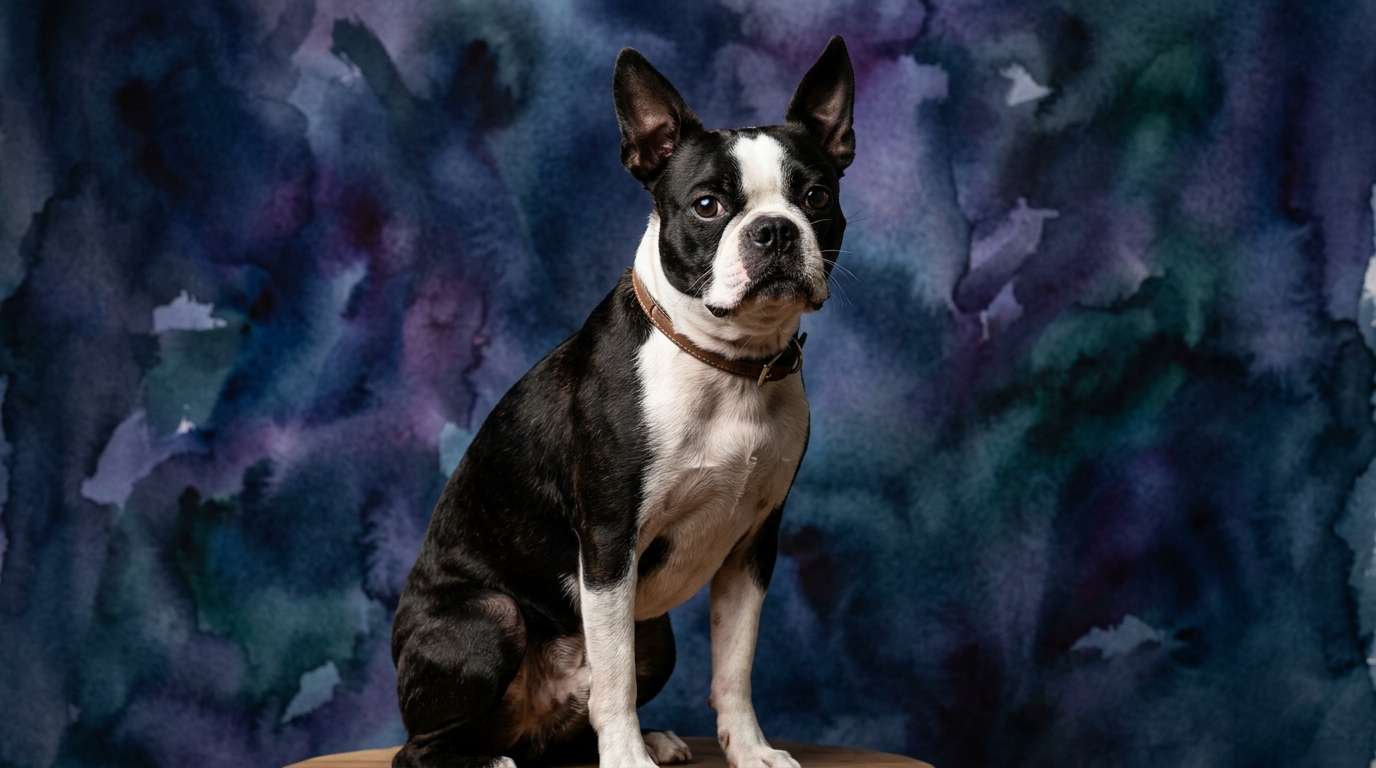
In contrast, the **Boston Terrier**, holding a Coren ranking of #54, presents a cognitive profile that balances intellect with an amiable disposition. Their Problem Solving score of 3/5 indicates they can tackle puzzles and new challenges, though they might require more time or encouragement to reach a solution compared to a Pomeranian. A Training Speed of 3/5 means they are certainly trainable, but owners should anticipate needing more consistent repetition and patience to solidify new commands. Boston Terriers share the Pomeranian's high Social Intelligence at 4/5, excelling at understanding human emotions and intentions, which contributes to their reputation as empathetic companions. Their Instinctive Drive is notably lower at 2/5, suggesting a reduced inclination towards strong hunting behaviors or territorial guarding, which can make them quite adaptable to various living situations. A Memory score of 3/5 indicates they retain information adequately, but might occasionally need refreshers for less frequently used commands or specific learned behaviors.
Where the Pomeranian's Mind Excels
The Pomeranian's cognitive advantages are evident in its quicker learning curve and superior problem-solving capabilities. With a 4/5 in both Problem Solving and Training Speed, a Pom is often the first to grasp complex sequences or figure out how to manipulate objects to achieve a goal. For instance, they might quickly learn to open a specific cabinet for treats or master a multi-step agility course with minimal instruction. Their strong memory (4/5) further enhances this, allowing them to recall a wide array of commands and tricks over time, making them excellent candidates for advanced obedience or canine sports where precision and recall are paramount. This mental agility means Pomeranians thrive on consistent mental engagement, enjoying activities that challenge their intellect, like puzzle toys that require multiple steps to solve or learning intricate trick routines.
Where the Boston Terrier's Cognition Shines
While the Boston Terrier may not match the Pomeranian in raw speed of learning, its cognitive profile shines in areas that foster harmonious companionship and adaptability. Their equal Social Intelligence score of 4/5 means they are just as attuned to human emotions and social cues, often displaying a remarkable ability to comfort or engage based on their owner's mood. However, a key cognitive advantage lies in their lower Instinctive Drive (2/5). This reduced drive means Boston Terriers are typically less prone to instinct-driven behaviors like excessive barking, digging, or chasing small animals, which can simplify daily living, especially in urban or multi-pet households. Their calm demeanor, rooted in this lower instinctive pull, makes them highly adaptable to varied environments and less likely to be overwhelmed by novel stimuli. This contributes to a stable and predictable temperament, making them reliable companions for a wide range of owners.
Training Ease: Pomeranian's Quick Grasp vs. Boston Terrier's Steadfast Learning
When it comes to ease of training, the Pomeranian generally holds an edge due to its higher Training Speed (4/5) and Problem Solving (4/5). A Pomeranian can often pick up a new command, such as 'sit' or 'stay,' within just a few repetitions, making training sessions efficient and often enjoyable for both dog and owner. They thrive on positive reinforcement and quickly associate actions with rewards, leading to rapid skill acquisition. Behavioral differences often manifest in their enthusiasm for learning; Poms are often eager to please and to engage in mental challenges, which translates into a more proactive approach to training.
The Boston Terrier, with a Training Speed of 3/5, is certainly trainable, but typically requires more patience and consistent reinforcement. While they are equally socially intelligent and eager to please their human companions, they might need more repetitions to fully internalize a new command or concept. Real behavioral differences include a tendency for Boston Terriers to sometimes be more easily distracted or to exhibit a charming stubborn streak, necessitating a calm, consistent, and reward-based approach. Owners might find that while a Boston Terrier eventually masters a command, the journey to proficiency takes a bit longer, requiring dedication to short, engaging training sessions.
Matching Breeds to Lifestyles: Active Explorers vs. Relaxed Companions
Understanding these cognitive distinctions helps align each breed with an owner's lifestyle. The Pomeranian, with its quick mind and higher instinctive drive, often suits owners who enjoy engaging in active mental stimulation and structured activities. They thrive with owners who are keen on teaching tricks, participating in dog sports like agility or rally obedience, or even just regular puzzle-solving sessions. Their energy and mental demand mean they are well-suited for active owners who can provide consistent mental challenges alongside their physical exercise. A Pomeranian will enjoy brisk walks and opportunities to explore, but their cognitive needs are equally important; a bored Pom can become a mischievous one, finding their own (often undesirable) ways to stay entertained.
The Boston Terrier, on the other hand, with its lower instinctive drive and balanced cognitive profile, tends to suit owners looking for a more relaxed yet still engaged companion. Their strong social intelligence makes them excellent companions for those who prioritize close interaction and a calm presence. While they enjoy walks and playtime, their need for intense mental or physical exertion is generally lower than that of a Pomeranian. They are content with moderate daily exercise and thrive on being part of family activities, whether it's lounging on the couch or a stroll around the neighborhood. Boston Terriers are ideal for owners who appreciate a dog that is adaptable to various social settings and generally less prone to high-energy, instinct-driven behaviors, making them perfect for relaxed urban or suburban living.
The Verdict
Choose a Pomeranian if you seek a highly trainable, mentally agile companion eager to learn complex tasks and participate in challenging activities, thriving on consistent cognitive engagement.
Opt for a Boston Terrier if you desire an adaptable, socially intelligent companion with a lower instinctive drive, perfect for a more relaxed lifestyle where companionship and calm interaction are prioritized.
🧠 Find Your Pet's IQ Score
Our Pet IQ Lab assessment covers 25+ tests across 5 cognitive dimensions — personalized to your breed.
Take the Full IQ Test →Frequently Asked Questions
Are Pomeranians good at learning tricks?
Yes, Pomeranians excel at learning tricks due to their high Training Speed (4/5) and Problem Solving (4/5) scores. They quickly grasp new concepts and enjoy the mental stimulation of mastering complex routines, often surprising owners with their cleverness.
Do Boston Terriers have a strong prey drive?
Boston Terriers typically have a lower Instinctive Drive (2/5), which means they are generally less prone to strong prey drive behaviors. This makes them less likely to chase small animals compared to many other breeds, contributing to their adaptability in various home environments.
Which breed is better for apartment living?
Both breeds can adapt to apartment living, but the Boston Terrier's lower Instinctive Drive and moderate energy levels might make them slightly more suitable for a relaxed apartment lifestyle. Pomeranians also do well, provided their significant mental stimulation needs are consistently met.