Side-by-Side IQ Profile: Dissecting Canine Cognition
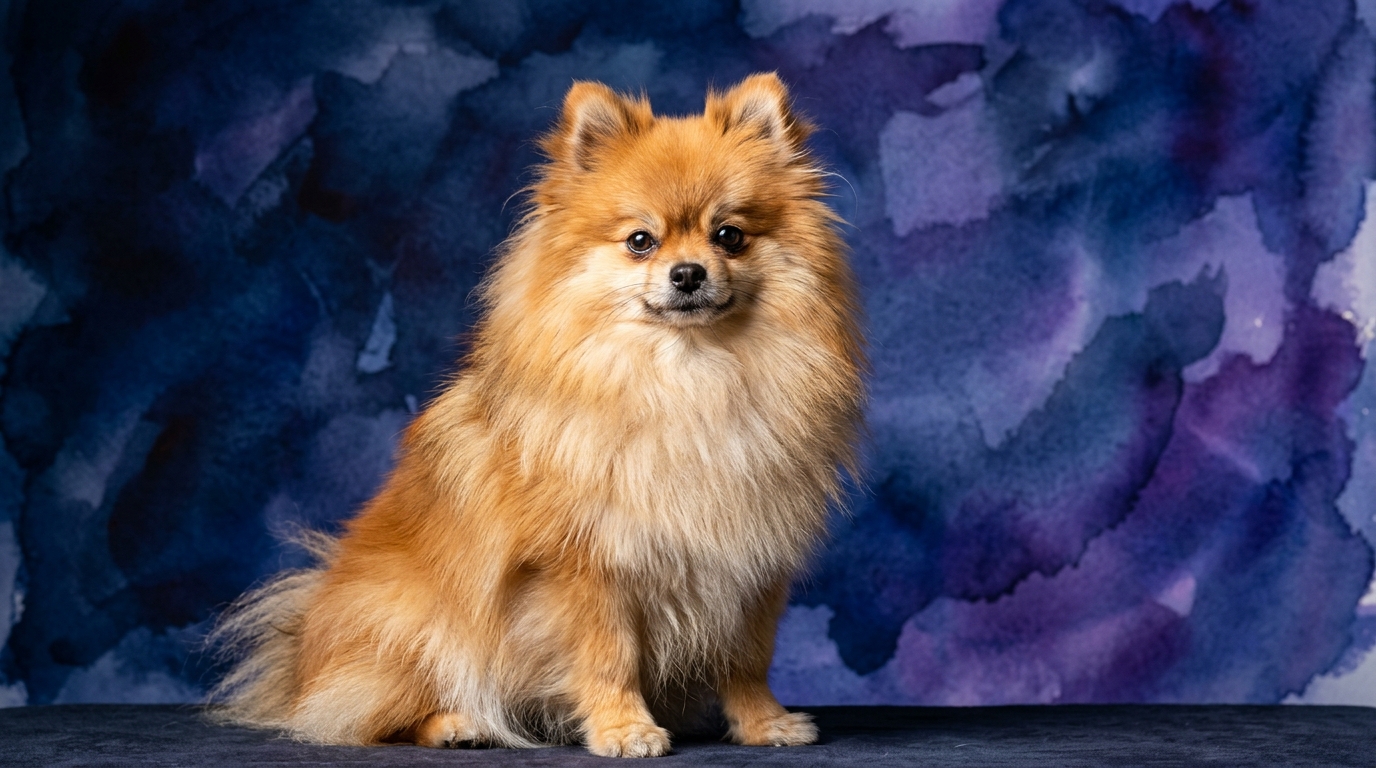
The Cosmic Pet Pet IQ Lab employs a multi-dimensional approach to assess canine intelligence, moving beyond simple obedience to encompass a spectrum of cognitive skills. For the Pomeranian, a Toy breed, their Coren rank of #23 places them among dogs that learn new commands quickly, typically understanding a new directive in 5-10 repetitions and obeying the first command 95% of the time or better. Their Problem Solving score of 4/5 indicates a strong capacity for independent thought and navigating novel situations, suggesting they are adept at figuring out how things work or achieving desired outcomes with minimal human intervention. Training Speed at 4/5 highlights their rapid acquisition of new behaviors, making them responsive learners in structured environments. Social Intelligence, also at 4/5, points to a notable ability to read human cues and form responsive bonds, allowing them to engage effectively with their human companions. Their Instinctive Drive, rated at 3/5, is moderate, meaning they possess some natural drives for tasks like chasing or alerting, but these are generally well-managed and adaptable to a domestic setting. Finally, a Memory score of 4/5 suggests excellent retention of learned behaviors and routines, requiring less frequent refreshers to maintain their skill set.
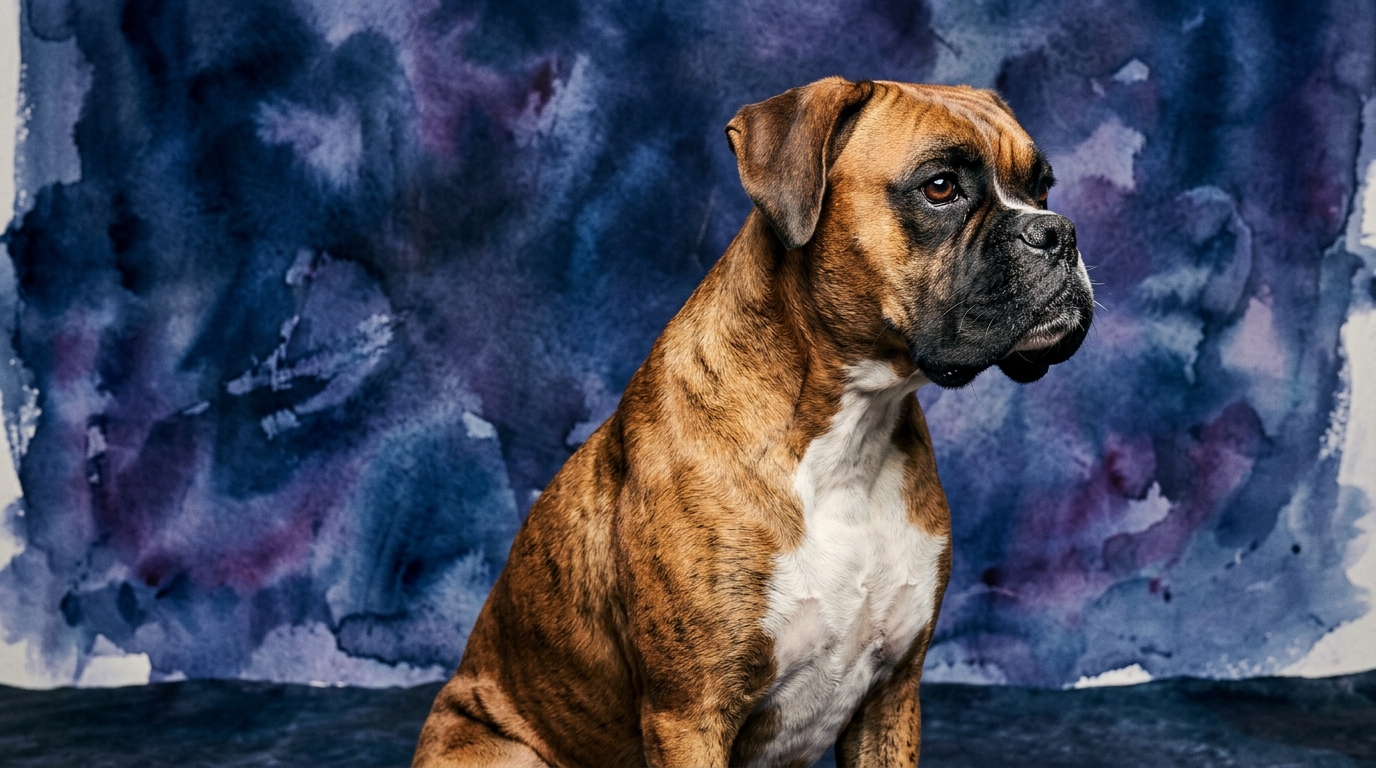
Transitioning to the Boxer, a Working breed, their Coren rank of #48 places them in a category of dogs that understand new commands with 25-40 repetitions and obey the first command 50% of the time or better. While still respectable, this indicates a need for more consistent practice compared to higher-ranked breeds. Their Problem Solving score of 3/5 suggests they are capable of solving practical issues but might require more guidance or structure for complex cognitive challenges. Training Speed at 3/5 means they learn at a steady pace, benefiting significantly from patient, positive reinforcement and clear instructions. Where the Boxer truly shines is in Social Intelligence, scoring an exceptional 5/5. This perfect score signifies a profound capacity for empathy, an acute awareness of human emotions, and an unparalleled desire for connection and interaction, making them incredibly attuned companions. Their Instinctive Drive at 4/5 is robust, reflecting their heritage as working dogs with a strong motivation for activity, protection, and companionship, which needs appropriate outlets. A Memory score of 3/5 indicates good retention with regular practice, but without consistent reinforcement, learned behaviors may fade more readily than with breeds scoring higher in this dimension.
Where the Pomeranian Wins Cognitively
The Pomeranian demonstrates a clear cognitive advantage in areas demanding quick comprehension and retention. Their superior Problem Solving score of 4/5 means they often excel at tasks requiring independent thought, such as manipulating puzzle toys to extract treats or figuring out how to navigate household obstacles. This aptitude allows them to engage with their environment more proactively, often finding creative solutions to minor challenges.
Furthermore, the Pomeranian’s combined strength in Training Speed (4/5) and Memory (4/5) gives them a significant edge in formal training settings. They typically grasp new commands and behaviors with fewer repetitions than the Boxer and retain that information over longer periods. This translates into a broader repertoire of learned commands and tricks, making them highly responsive to complex training regimes and adaptable to various learned routines.
Where the Boxer Wins Cognitively
The Boxer's standout cognitive strength lies in their exceptional Social Intelligence, earning a perfect 5/5. This dimension goes beyond mere friendliness; it signifies a profound ability to understand and respond to human emotions, intentions, and subtle non-verbal cues. Boxers are incredibly attuned to their family members' moods, often offering comfort or adjusting their behavior based on perceived human feelings, making them remarkably empathetic companions.
Additionally, the Boxer’s higher Instinctive Drive (4/5) provides a robust internal motivation for engagement, particularly in activities involving their human family. While the Pomeranian's drive is more moderate, the Boxer’s strong inherent desire to work, play, and connect actively translates into a dedicated partnership. When channeled constructively, this drive makes them highly motivated participants in shared activities, from obedience work to interactive play, fostering deep, active bonds.
Which is Easier to Train and Why
When considering ease of training for obedience and command acquisition, the Pomeranian generally presents a more straightforward experience. Their higher Training Speed (4/5) means they typically learn new commands with fewer repetitions, often needing just 5-10 exposures to a new directive before understanding it. This efficiency, coupled with their strong Memory (4/5), ensures that once a Pomeranian learns a command, they are likely to retain it, requiring less frequent refreshers. Their Coren rank of #23 directly reflects this capacity for rapid and reliable obedience, making them adept at mastering a wide array of commands and tricks relatively quickly.
The Boxer, with a Coren rank of #48, typically requires more patience and repetition during training. Their Training Speed and Memory scores of 3/5 indicate that they learn at a steady pace but may need 25-40 repetitions to grasp a new command consistently. However, the Boxer's exceptional Social Intelligence (5/5) is a powerful training asset. They are profoundly eager to please their human companions and respond incredibly well to positive reinforcement, especially when it involves praise, play, and affectionate interaction. While they may take longer to learn a command, their deep desire for connection means they are highly motivated to comply once they understand what is expected, although their stronger Instinctive Drive (4/5) may occasionally lead to distractions that require consistent redirection.
Which Suits Active Owners vs. Relaxed Owners
For owners seeking a companion that integrates seamlessly into a more relaxed or indoor-centric lifestyle, the Pomeranian is often an ideal fit. Their moderate Instinctive Drive (3/5) means their overall physical exercise requirements are lower, and they can thrive with indoor play and shorter, regular walks. While their Problem Solving skills (4/5) mean they still benefit greatly from mental enrichment like puzzle toys, their physical demands are less intense, making them well-suited for apartment living or households with less active routines. They generally enjoy being close to their people, content with companionship and gentle interaction.
Conversely, the Boxer is undoubtedly better suited for active owners. Their higher Instinctive Drive (4/5) and working dog heritage mean they possess considerable energy and a robust need for both physical exertion and mental engagement. They thrive in environments where they receive daily vigorous exercise, structured play, and opportunities to participate actively in family life. Their exceptional Social Intelligence (5/5) means they deeply desire to be involved and engaged with their human companions, making them perfect partners for hiking, jogging, or dog sports, rather than being left alone for extended periods. An active owner can adequately channel their physical and mental vigor into productive and bonding activities.
The Verdict
Choose the Pomeranian if you prioritize a companion that quickly masters new concepts, excels at independent problem-solving, and fits comfortably into a moderately active or indoor lifestyle.
Opt for the Boxer if you desire a profoundly empathetic, physically robust partner with a strong drive for shared activities, ready to bond deeply over an active and engaging lifestyle.
🧠 Find Your Pet's IQ Score
Our Pet IQ Lab assessment covers 25+ tests across 5 cognitive dimensions — personalized to your breed.
Take the Full IQ Test →Frequently Asked Questions
Are Pomeranians better at learning tricks?
Yes, generally. Their higher training speed and memory scores mean Pomeranians typically pick up new tricks with fewer repetitions and retain them longer than Boxers, making them highly adept at mastering a wide array of commands and complex sequences.
Which breed is more emotionally expressive?
While both breeds are socially attuned, Boxers, with their perfect 5/5 social intelligence, tend to be exceptionally expressive and sensitive to human emotions. They often display their feelings through their entire body and are profoundly responsive to the emotional states of their family members, making them incredibly empathetic companions.
Do Boxers need more mental stimulation than Pomeranians?
Boxers require significantly more mental and physical stimulation to channel their higher instinctive drive and robust energy effectively. While Pomeranians benefit from mental enrichment, their needs are generally met with less intensive activities compared to the Boxer's demand for engaging tasks, consistent interaction, and purposeful physical outlets.