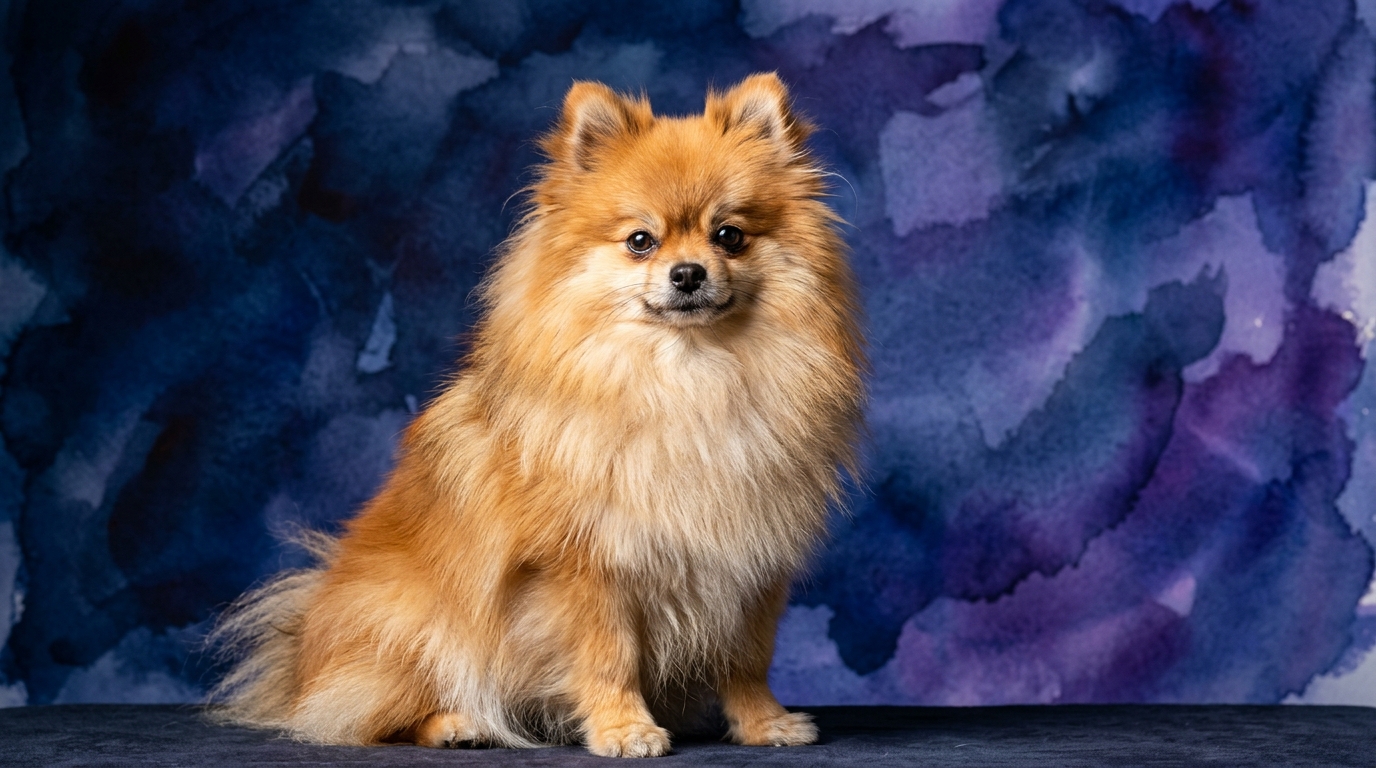
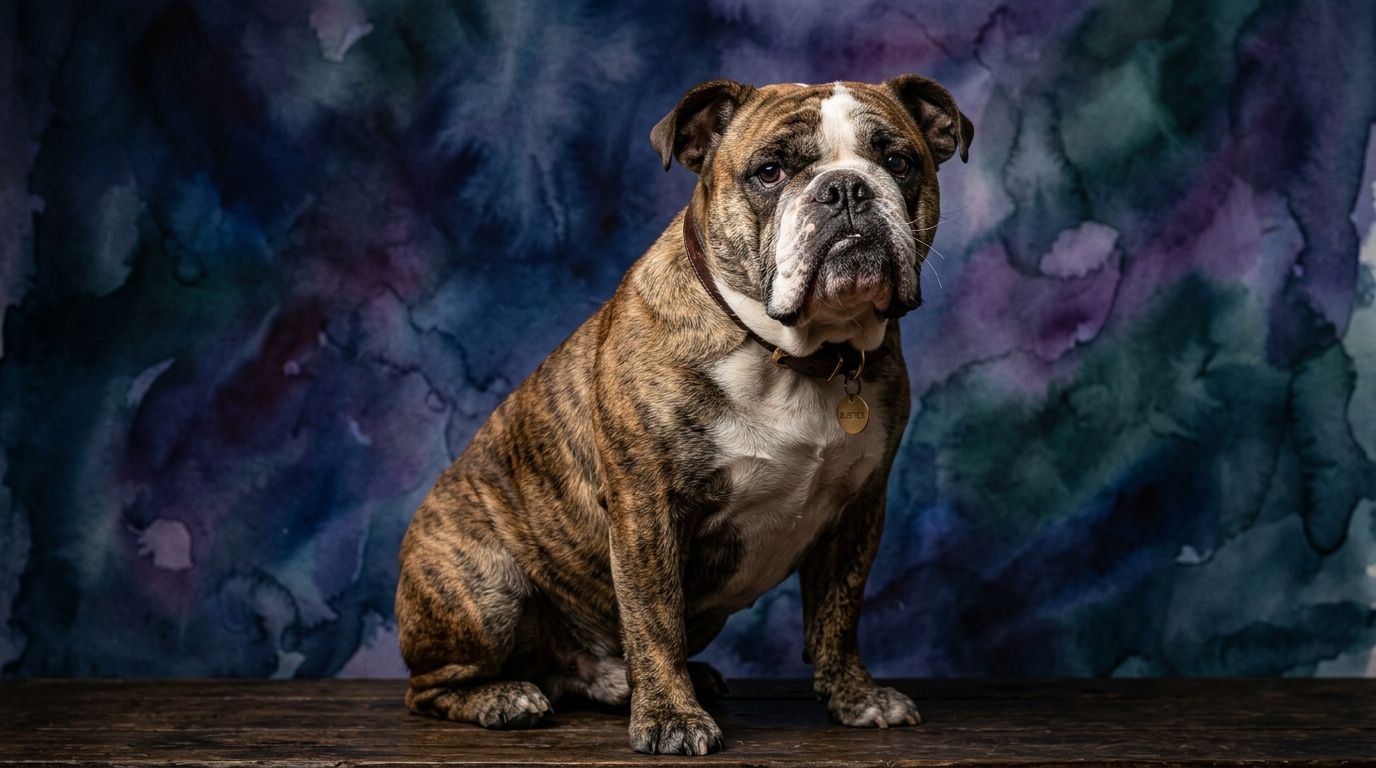
Side-by-Side IQ Profile: Pomeranian vs. English Bulldog
Our Cosmic Pet Pet IQ Lab evaluates five key cognitive dimensions, providing a granular view of each breed's mental makeup. The Pomeranian, a Toy group member with a Coren rank of #23, demonstrates a generally agile and responsive intellect across most metrics. Its Problem Solving ability scores a robust 4 out of 5, indicating a capacity for navigating complex situations and learning from experience. This breed's Training Speed also rates high at 4 out of 5, suggesting a quick grasp of commands and routines. Social Intelligence for the Pomeranian is strong at 4 out of 5, reflecting its adeptness at understanding human cues and interacting appropriately within its social structure. Its Instinctive Drive is moderate at 3 out of 5, signifying a balanced inclination towards innate behaviors like chasing or guarding. Finally, the Pomeranian's Memory stands at a solid 4 out of 5, allowing it to retain learned information and past experiences effectively.
In stark contrast, the English Bulldog, belonging to the Non-Sporting group and ranking #77 on the Coren scale, presents a different cognitive landscape. Its Problem Solving score is 2 out of 5, suggesting a more deliberate, perhaps less spontaneous, approach to novel challenges. Similarly, its Training Speed is rated 2 out of 5, indicating that new commands and behaviors may require more repetition and patience to solidify. Interestingly, the English Bulldog matches the Pomeranian in Social Intelligence, scoring 4 out of 5, highlighting its excellent ability to connect with humans and navigate social dynamics. Its Instinctive Drive, like the Pomeranian, is 3 out of 5, showing a moderate level of inherent behavioral tendencies. However, the English Bulldog's Memory is rated 2 out of 5, implying that recall of past events or learned tasks might be less consistent than its smaller counterpart.
Where the Pomeranian Wins Cognitively
The Pomeranian consistently outperforms the English Bulldog in areas demanding quick mental processing and retention. Its superior Problem Solving (4/5 vs. 2/5) means a Pomeranian is more likely to figure out how to open a treat puzzle or navigate a new environment with minimal assistance. For instance, if faced with a gate, a Pomeranian might quickly experiment with latches or gaps, whereas an English Bulldog might wait for intervention or approach the problem with less varied strategy. This cognitive agility translates into a dog that can adapt rapidly to changing situations and learn new tricks or routines with fewer repetitions. Their higher Training Speed (4/5 vs. 2/5) is a direct consequence of this, making them responsive to cues and capable of mastering a wider array of behaviors efficiently. Furthermore, the Pomeranian's stronger Memory (4/5 vs. 2/5) means it will recall commands, boundaries, and previous experiences more reliably over time, requiring less frequent reinforcement to maintain learned behaviors. This makes them excellent candidates for advanced obedience, agility, or even trick training, where remembering sequences and specific actions is paramount.
Where the English Bulldog Wins Cognitively
While the English Bulldog may not exhibit the same rapid problem-solving or training speed as the Pomeranian, it shines brightly in other cognitive dimensions, particularly its robust Social Intelligence (4/5). Matching the Pomeranian in this area, the English Bulldog possesses a profound ability to understand and respond to human emotions and social cues, often displaying a deep, empathetic connection with its family. This isn't about performing tricks, but about nuanced interaction—knowing when to offer comfort, when to be playful, or when to simply rest quietly by your side. Their strong social awareness contributes to their reputation as wonderfully affable and gentle companions, making them highly attuned to the emotional atmosphere of a household. Although their Problem Solving and Training Speed scores are lower, their moderate Instinctive Drive (3/5) means they are generally less prone to high-energy, instinct-driven behaviors that might require constant redirection, leading to a calmer household dynamic. This balance allows their social understanding to truly flourish, making them exceptionally well-adjusted family members who prioritize companionship and connection.
Which is Easier to Train and Why
Based on the Cosmic Pet Pet IQ Lab data, the Pomeranian is demonstrably easier to train than the English Bulldog. This ease stems directly from its higher Training Speed (4/5) and superior Problem Solving (4/5) and Memory (4/5) scores. A Pomeranian will typically grasp new commands, like 'sit' or 'stay,' within fewer repetitions, often showing a keen desire to engage in learning sessions. Their ability to quickly associate an action with a reward, combined with their strong memory, means they retain these lessons well, requiring less frequent refreshers. For example, teaching a Pomeranian to fetch a specific toy might take only a few short sessions, whereas an English Bulldog might need consistent, patient practice over several weeks to achieve the same reliability. Pomeranians are often eager to please and enjoy the mental stimulation that training provides, making them responsive and cooperative pupils.
Conversely, the English Bulldog's lower Training Speed (2/5), Problem Solving (2/5), and Memory (2/5) scores suggest a more challenging training journey. They tend to be more independent thinkers and may require significant patience and consistency. An English Bulldog might understand a command but choose not to execute it immediately, or they might forget it if not practiced regularly. Their training isn't about a lack of understanding, but often a slower processing time and a preference for their own agenda. For instance, teaching an English Bulldog to walk politely on a leash might involve prolonged, consistent effort to overcome their natural inclination to pull or investigate. Success with a Bulldog often relies on making training fun and positive, employing high-value rewards, and accepting that progress may be gradual. Their strong Social Intelligence, however, means they bond deeply, which can be leveraged in training through positive reinforcement and building trust.
Which Suits Active Owners vs. Relaxed Owners
For owners seeking an active, engaging companion who thrives on mental challenges and physical activity, the Pomeranian is the more suitable choice. Their high Problem Solving and Training Speed scores mean they benefit greatly from consistent mental stimulation, such as learning new tricks, participating in dog sports like agility or obedience, or even taking on roles in canine therapy. Their moderate Instinctive Drive (3/5), combined with their quick learning, makes them adaptable to various activities without being overly intense. They are energetic and enjoy regular walks, playtime, and opportunities to explore, making them ideal for individuals or families who enjoy an active lifestyle and want a dog to participate alongside them. A Pomeranian will relish the chance to be involved in daily routines and adventures, always ready for the next exciting endeavor, whether it's a brisk walk around the block or a brain game at home.
The English Bulldog, with its more relaxed cognitive profile, is an excellent fit for owners who appreciate a calm, steadfast companion and a more relaxed pace of life. Their lower Problem Solving and Training Speed scores, coupled with their moderate Instinctive Drive, translate into a dog that is generally content with less strenuous activity. They enjoy leisurely strolls, snuggling on the couch, and being a quiet, comforting presence. While they still require regular, gentle exercise to maintain their health, they are not typically driven by a need for constant mental or physical challenges. Their exceptional Social Intelligence means they excel as devoted family members, happy to simply be near their loved ones. Owners who prefer a dog that is amiable, low-key, and deeply affectionate will find the English Bulldog to be a perfect match, offering unwavering companionship without demanding an overly active or high-intensity engagement schedule.
The Verdict
Choose a Pomeranian if you desire a sharp-witted companion eager to learn, excel in training, and participate actively in mental and physical challenges. They thrive with owners who can provide consistent stimulation and appreciate a responsive, quick-thinking canine.
Opt for an English Bulldog if you seek a calm, deeply affectionate companion who excels in social bonding and enriches a relaxed home environment. They are best for patient owners who value steadfast companionship over high-intensity training or activity.
🧠 Find Your Pet's IQ Score
Our Pet IQ Lab assessment covers 25+ tests across 5 cognitive dimensions — personalized to your breed.
Take the Full IQ Test →Frequently Asked Questions
Does the Pomeranian's small size affect its Problem Solving ability?
No, the Pomeranian's small stature does not inherently limit its cognitive capacity. Our IQ Lab data shows its Problem Solving at 4/5, indicating a strong ability to figure things out, irrespective of its physical size. This reflects mental agility, not physical prowess.
Why is the English Bulldog's Social Intelligence so high despite lower training scores?
The English Bulldog's high Social Intelligence (4/5) highlights its profound capacity for understanding human emotions and social cues, distinct from its ability to perform commands quickly. This indicates a strong emotional connection and empathy, which are different cognitive functions than problem-solving or memory recall in training.
Do the Coren ranks directly reflect the IQ Lab scores for these breeds?
The Coren rank provides a general measure of working and obedience intelligence, aligning broadly with our IQ Lab's Training Speed and Problem Solving dimensions. The Pomeranian's #23 rank and higher scores reflect this, while the English Bulldog's #77 rank corresponds to its lower scores in those specific areas, though our lab offers a more granular breakdown of cognitive strengths.