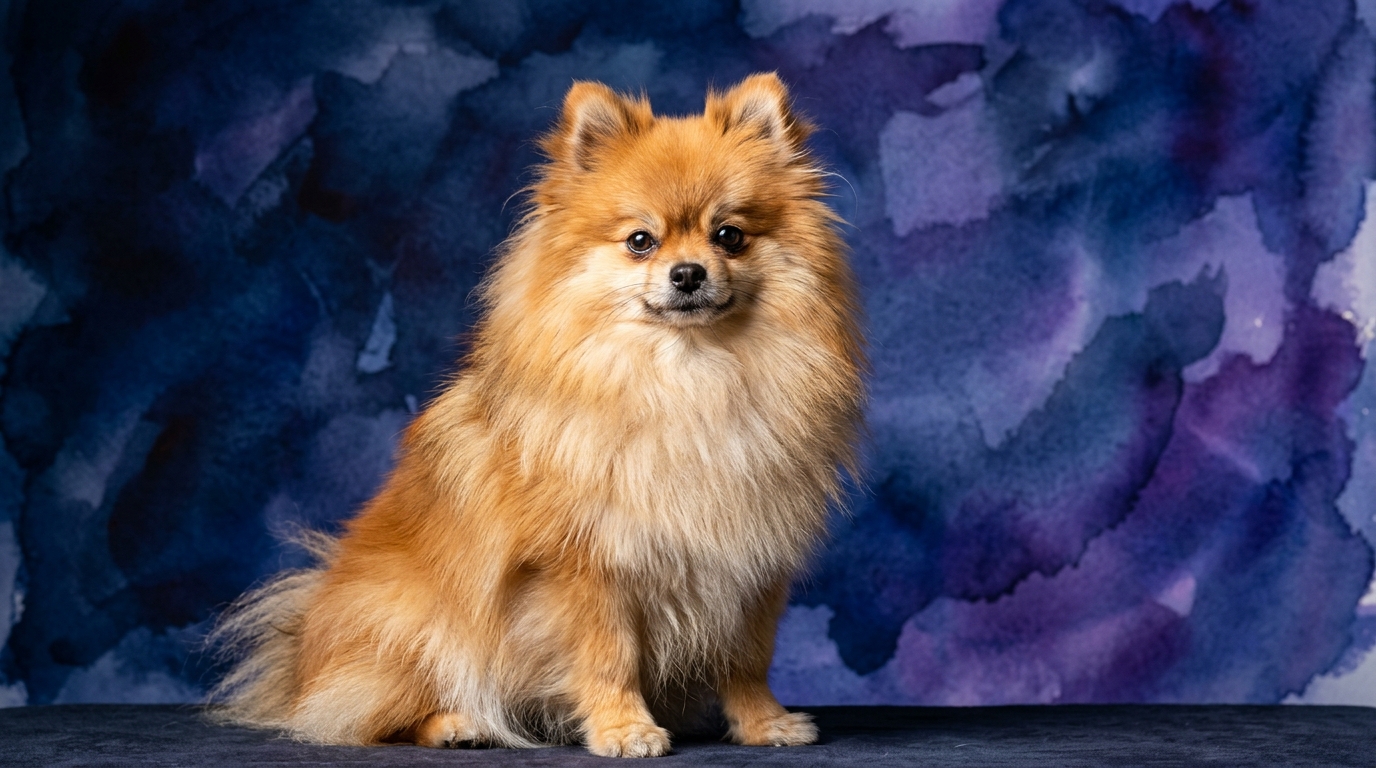
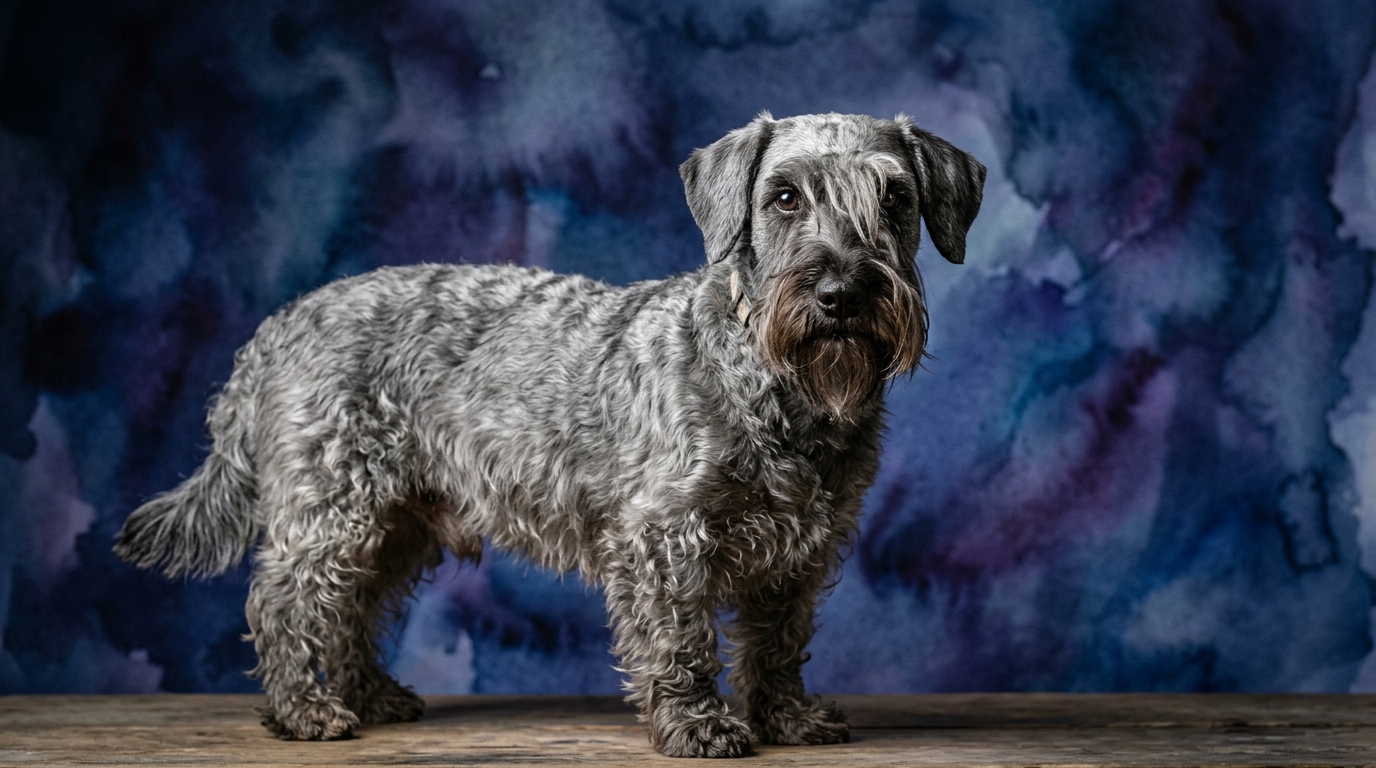
Side-by-Side IQ Profile: Pomeranian vs. Cesky Terrier
The Cosmic Pet IQ Lab assesses canine intelligence across five critical dimensions, providing a nuanced understanding of each breed's mental landscape. For the Pomeranian, a Toy group dog, their scores paint a picture of sharp wit and social adeptness. Their Problem Solving is rated 4/5, indicating a quick ability to navigate novel situations, figure out mechanisms, or understand sequences of actions, translating to swiftly understanding how to get a treat from a complex dispenser. Their Training Speed also stands at 4/5, signifying a rapid uptake of new commands and routines, often requiring fewer repetitions. Social Intelligence, at 4/5, suggests a keen awareness of human emotional states and social cues, allowing them to adapt their behavior to their environment and handler's mood. Instinctive Drive, rated 3/5, reflects a moderate level of inherent behaviors like chasing or guarding, which can be present but are generally manageable. Finally, their Memory is a strong 4/5, meaning they retain learned commands, routines, and past experiences with impressive fidelity.
In contrast, the Cesky Terrier, a member of the Terrier group, presents a profile marked by a more moderate, yet equally functional, set of cognitive abilities. With a Problem Solving score of 3/5, the Cesky demonstrates a competent capacity to overcome challenges, though they might approach them with a more methodical or persistent understanding. Their Training Speed, also 3/5, means they learn new commands and behaviors at an average pace, requiring consistent and clear instruction but certainly capable of mastering a wide repertoire. Social Intelligence, rated 3/5, indicates a solid understanding of basic human interactions and social structures, allowing them to integrate well into family life, though perhaps with less subtle interpretation of complex emotional nuances. Their Instinctive Drive, like the Pomeranian, is 3/5, but for a terrier, this often manifests as a focused determination in scent work, digging, or pursuing small prey, reflecting their working heritage. Lastly, their Memory, at 3/5, suggests a reliable ability to recall past lessons and experiences, though perhaps not with the same immediate recall or long-term retention of a breed scoring higher.
Where the Pomeranian Wins Cognitively
The Pomeranian clearly shines in areas demanding quick mental processing and social finesse. Their 4/5 in Problem Solving means they often grasp new concepts or puzzle-based challenges with remarkable speed, making them adept at brain games and figuring out environmental modifications. This quick cognitive uptake extends to their 4/5 Training Speed, allowing them to master complex command sequences and tricks faster than many other breeds. Furthermore, their superior Social Intelligence (4/5) gives them an edge in understanding subtle human cues and emotional shifts, fostering a highly communicative bond where the Pomeranian often anticipates needs or reacts appropriately to unspoken signals.
Where the Cesky Terrier Wins Cognitively
While the Cesky Terrier's scores are generally more moderate, their cognitive strengths lie in areas demanding persistence, focus, and a distinct terrier-type determination. Their 3/5 in Instinctive Drive, while matching the Pomeranian's score numerically, manifests as a strong, purposeful drive for tasks like scent work or focused exploration, a cognitive "win" for owners seeking a dog for specific working engagements. Their 3/5 in Problem Solving, while not as fast as a Pom, often comes with a tenacious approach; a Cesky might take longer to solve a puzzle, but they are less likely to give up, demonstrating a resilient mental fortitude. This persistence, coupled with their moderate memory, allows them to excel in repetitive tasks or activities requiring sustained concentration once they've understood the objective.
Which is Easier to Train and Why
Based on The Cosmic Pet IQ Lab's metrics, the Pomeranian is generally easier to train, primarily due to their higher scores in Training Speed (4/5) and Problem Solving (4/5). Pomeranians tend to absorb new commands rapidly, often requiring fewer repetitions to solidify a behavior. Their eagerness to engage with their handler and their ability to quickly understand what is being asked of them contributes to a smoother and faster training process. They are often motivated by praise and connection, making positive reinforcement highly effective. In contrast, the Cesky Terrier, with 3/5 in both Training Speed and Problem Solving, will require more patience and consistency. Terriers, including the Cesky, possess an inherent independence and a strong sense of purpose that can make them less inclined to simply "obey" without understanding the value or logic from their perspective. Training a Cesky often involves making the task engaging and demonstrating its relevance, rather than just rote memorization, which can be more challenging for a novice owner.
Which Suits Active Owners vs. Relaxed Owners
The choice between a Pomeranian and a Cesky Terrier also hinges on an owner's lifestyle. A Pomeranian, with their vibrant social intelligence (4/5) and moderate instinctive drive (3/5), can adapt well to both active and more relaxed owners, provided their need for interaction and mental stimulation is met. They thrive on being part of family activities and engaging in social play, making them suitable for owners who enjoy frequent interaction, short walks, and indoor games. However, their physical activity needs are generally moderate, making them a good fit for relaxed owners who still want a communicative companion. The Cesky Terrier, conversely, with its terrier heritage and 3/5 instinctive drive, often suits more active owners or those with specific interests in dog sports. While not hyperactive, their drive for exploration, digging, and scent work means they benefit from structured outdoor activities, consistent walks, and opportunities to engage their senses. A relaxed owner might find the Cesky's determined pursuit of their own interests, like digging up the garden, a challenge without sufficient outlets for their natural drives.
The Verdict
Choose a Pomeranian if you seek a highly responsive, socially attuned companion who learns quickly and thrives on close interaction and nuanced communication.
Opt for a Cesky Terrier if you appreciate a dog with independent spirit, tenacious problem-solving, and a focused drive for purposeful activities, and are prepared to provide consistent, engaging training and outlets for their terrier instincts.
🧠 Find Your Pet's IQ Score
Our Pet IQ Lab assessment covers 25+ tests across 5 cognitive dimensions — personalized to your breed.
Take the Full IQ Test →Frequently Asked Questions
Do Pomeranians bark a lot due to their intelligence?
Pomeranians, with their strong social intelligence, often use barking as a form of communication or to alert their owners. While not directly tied to their IQ scores, their awareness of their surroundings and desire to interact can lead to vocalizations that are manageable with consistent training and redirection.
Is a Cesky Terrier a good choice for a first-time dog owner?
A Cesky Terrier can be a good choice for a first-time owner who is committed to consistent, positive reinforcement training and understanding terrier behaviors. Their moderate training speed and independent streak mean they require an owner willing to invest time and patience, rather than expecting immediate obedience.
How do these breeds compare in terms of adapting to new environments?
The Pomeranian's higher social intelligence and problem-solving skills suggest they may adapt more quickly to new environments and social situations, readily observing cues and adjusting. The Cesky Terrier, while adaptable, might take a bit more time to process and acclimate, relying on their tenacity to navigate new surroundings.