Side-by-Side Cognitive Profiles: Pomeranian vs. French Bulldog
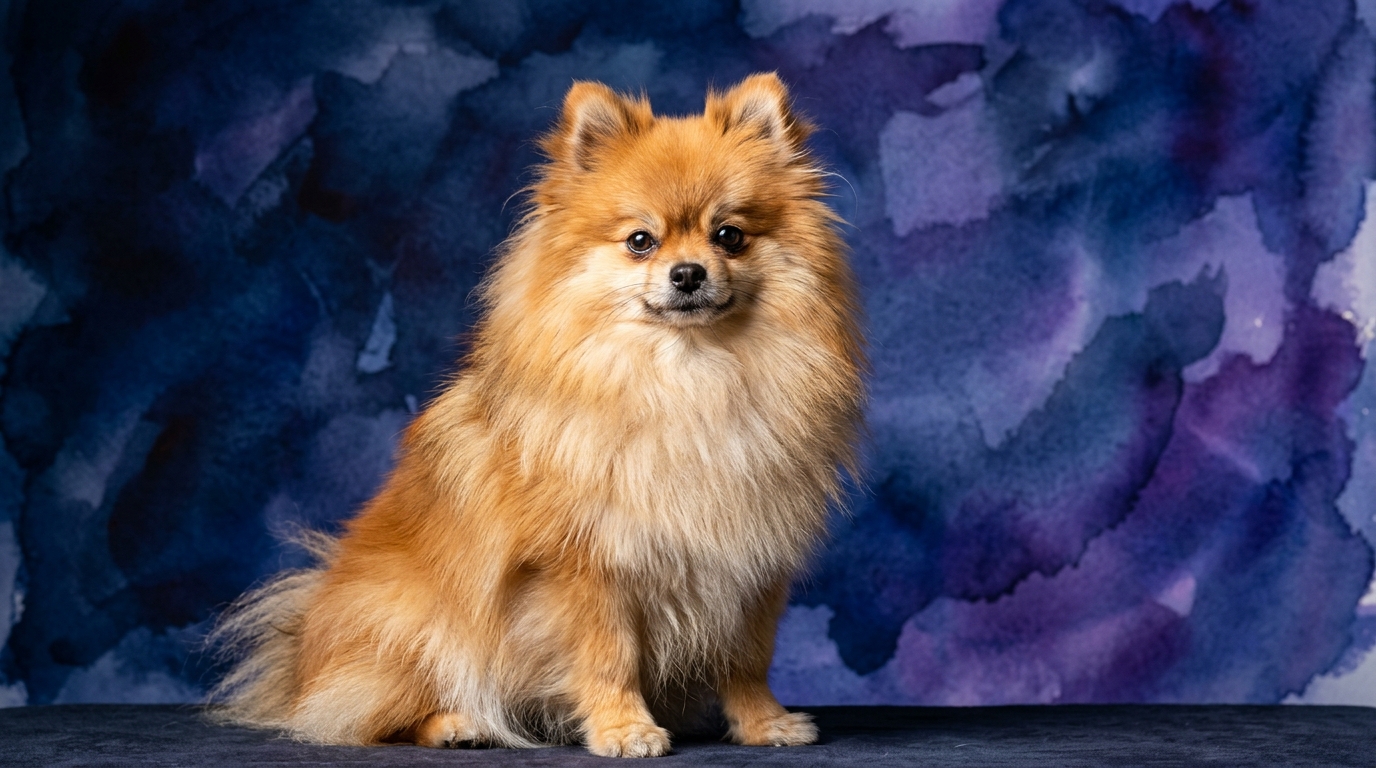
At The Cosmic Pet Pet IQ Lab, we evaluate canine intelligence across five key dimensions, providing a nuanced understanding beyond simple ranking. For the Pomeranian, a Toy group member ranked #23 by Coren, their profile highlights a nimble and engaged mind. They score 4/5 in Problem Solving, often displaying a quick wit and proactive approach to novel situations like navigating obstacles or figuring out puzzle toys. Their Training Speed is also 4/5, indicating a capacity for rapid association and retention, responding well to positive reinforcement. Social Intelligence sits at 4/5; while often independent, they form strong bonds and interpret human cues effectively, understanding household dynamics. Instinctive Drive is 3/5, retaining some ancestral curiosity and watchfulness, though tempered by their companion role. Finally, their Memory is 4/5, generally robust for routines, training, and specific people over time.
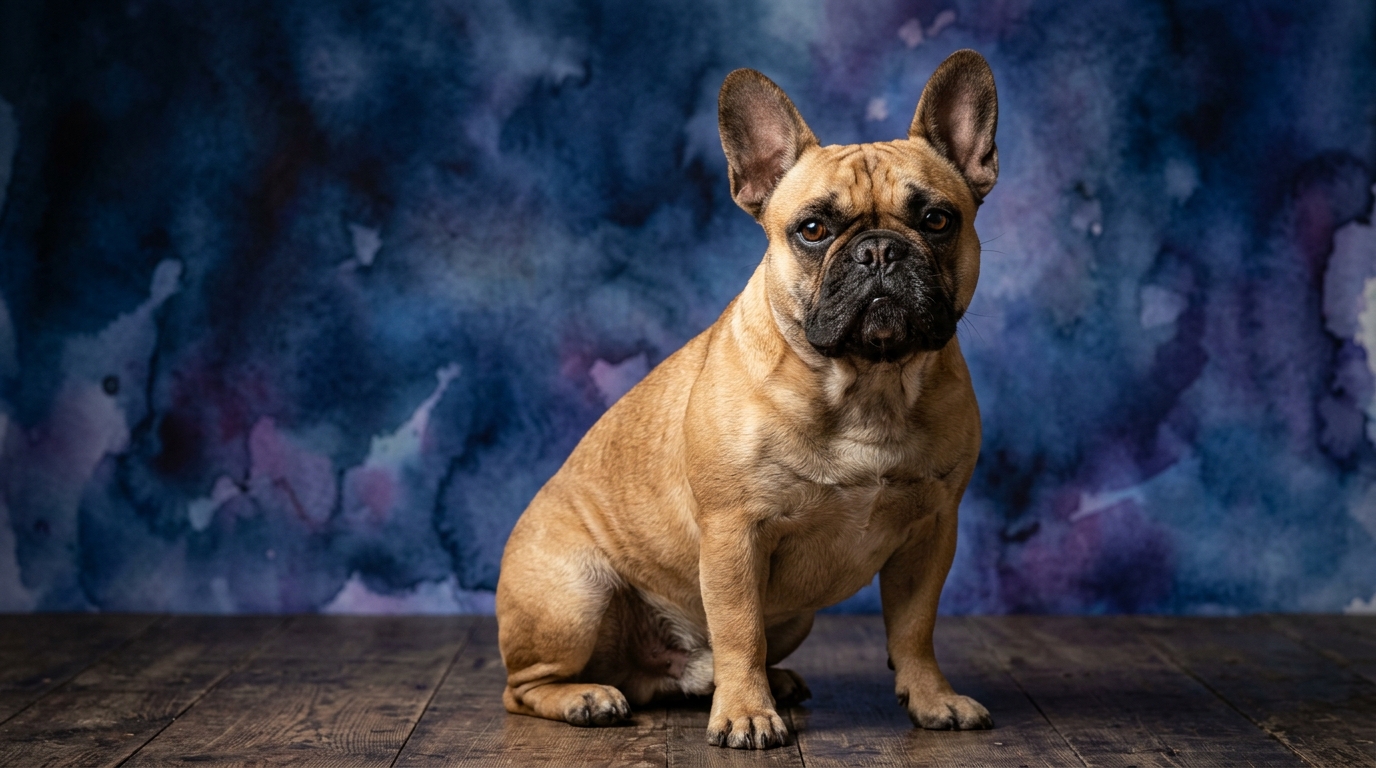
The French Bulldog, a Non-Sporting group member not Coren-ranked, offers a different set of cognitive strengths. Their Problem Solving is 3/5; they approach challenges with a more pragmatic, sometimes less exploratory, mindset, capable of solving simple problems but perhaps requiring more guidance. Training Speed is 3/5; while capable of learning, they process new information at a moderate pace, benefiting from patience, repetition, and consistency, occasionally exhibiting a stubborn streak. Where they truly shine is Social Intelligence, scoring a perfect 5/5, demonstrating an exceptional capacity for understanding and bonding with humans, interpreting emotional cues effortlessly. Instinctive Drive is minimal at 2/5, bred primarily for companionship, their focus is overwhelmingly on social interaction. Memory is 3/5, functional for routines and basic commands, though retention might not be as sharp or quick to solidify as breeds with higher training speed.
Where the Pomeranian Wins Cognitively
Pomeranians generally demonstrate a more agile and independent cognitive style. Their higher scores in problem-solving and training speed indicate a greater propensity for self-directed learning and quicker acquisition of complex tasks. A Pomeranian might more readily devise a solution to retrieve a toy stuck under furniture or quickly learn a multi-step trick sequence, leveraging their keen observational skills and ability to connect actions with outcomes rapidly. This cognitive nimbleness also extends to their memory, allowing them to recall intricate routines and past experiences with impressive detail, making them responsive and predictable once a behavior is established. Their moderate instinctive drive also means they have a natural curiosity that can be channeled into engaging mental activities, making them adept at puzzle-solving or scent games where they must actively think and strategize.
Where the French Bulldog Wins Cognitively
The French Bulldog's cognitive strengths lie profoundly in their social intelligence, where they achieve a perfect 5/5. This translates into an exceptional ability to interpret human emotions, body language, and vocal tones, fostering deep, intuitive connections with their families. A French Bulldog often seems to anticipate your mood, offering comfort or seeking engagement at just the right moment, demonstrating a profound understanding of social dynamics within the household. While their problem-solving and training speed scores are moderate, their social acumen means they are highly motivated by human interaction and approval, making them responsive to training methods that emphasize connection and praise. Their minimal instinctive drive further consolidates this focus on human companionship, ensuring their mental energy is primarily dedicated to bonding and integrating seamlessly into family life rather than being distracted by external stimuli.
Training Dynamics: Which Breed is Easier?
Based on their cognitive profiles, the Pomeranian generally presents as the easier breed to train, primarily due to their superior training speed (4/5 vs. 3/5) and problem-solving abilities (4/5 vs. 3/5). Pomeranians tend to grasp new commands and associate actions with rewards more quickly, making initial training sessions more efficient. Their active minds enjoy the challenge of learning, and they often respond enthusiastically to positive reinforcement, eager to engage in mental exercises. For example, teaching a Pomeranian a new trick might involve fewer repetitions because they process the steps and consequences with greater cognitive agility.
In contrast, while French Bulldogs are certainly trainable, their moderate training speed and occasional "stubborn" streak mean that patience and consistency are paramount. They might require more repetitions to solidify a command, and their learning curve can be slower. However, their exceptional social intelligence (5/5) can be a powerful asset in training; they are highly motivated by their owner's approval and affection. This means that while a French Bulldog might take longer to learn a command, they are profoundly invested in pleasing their human, making them dedicated students once they understand what is expected. Training a French Bulldog often feels like a collaborative effort, leveraging their desire for connection, whereas training a Pomeranian might feel more like a mentally stimulating game.
Lifestyle Match: Active vs. Relaxed Owners
The choice between a Pomeranian and a French Bulldog significantly depends on an owner's lifestyle and desired level of daily engagement. Pomeranians, with their higher scores in problem-solving, training speed, and a moderate instinctive drive, often thrive with owners who enjoy active mental stimulation and structured activities. They benefit from daily opportunities to learn new tricks, engage with puzzle toys, or participate in dog sports like agility or obedience. Their energetic disposition, combined with their quick learning ability, makes them ideal for owners who are keen to channel that mental energy into productive outlets. An active owner might find immense satisfaction in teaching a Pomeranian complex routines or exploring new environments that challenge their observational skills.
French Bulldogs, on the other hand, with their lower instinctive drive and moderate problem-solving, coupled with their exceptional social intelligence, are better suited for owners who prioritize companionship and a more relaxed pace. While they still require regular, moderate exercise and mental engagement, their primary fulfillment comes from close interaction with their human family. They are content with shorter walks, cuddling on the couch, and being an integral part of daily household life. A relaxed owner will appreciate the French Bulldog's unwavering devotion and their ability to simply "be" with their people, finding joy in shared quiet moments and social connection rather than constant activity or complex training challenges. Their lower exercise needs also make them excellent choices for apartment dwellers or those with less physical mobility.
The Verdict
Opt for a Pomeranian if you seek a mentally agile companion eager to learn, enjoy complex training, and engage in stimulating activities, thriving on an owner who can consistently challenge their quick wit.
Select a French Bulldog if your priority is a deeply affectionate, socially intuitive companion who thrives on close human connection and a more relaxed lifestyle, valuing shared moments over intense mental exertion.
🧠 Find Your Pet's IQ Score
Our Pet IQ Lab assessment covers 25+ tests across 5 cognitive dimensions — personalized to your breed.
Take the Full IQ Test →Frequently Asked Questions
Are Pomeranians easy to house train?
Pomeranians can be house-trained with consistency and patience, benefiting from their good memory and training speed, though their small bladders mean frequent outdoor access is crucial during the learning phase. They respond well to positive reinforcement and a structured schedule.
Do French Bulldogs need a lot of exercise?
French Bulldogs have moderate exercise needs; short daily walks and indoor play are usually sufficient, as their brachycephalic nature limits strenuous activity. Their enjoyment comes more from companionship than from intense physical exertion.
Which breed is better with children?
Both breeds can be good with children, but their approaches differ. French Bulldogs, with their high social intelligence and gentle nature, often integrate seamlessly into family life, while Pomeranians, though affectionate, might prefer slightly older, more respectful children who understand their boundaries.