Side-by-Side IQ Profile: Unpacking Cognitive Dimensions
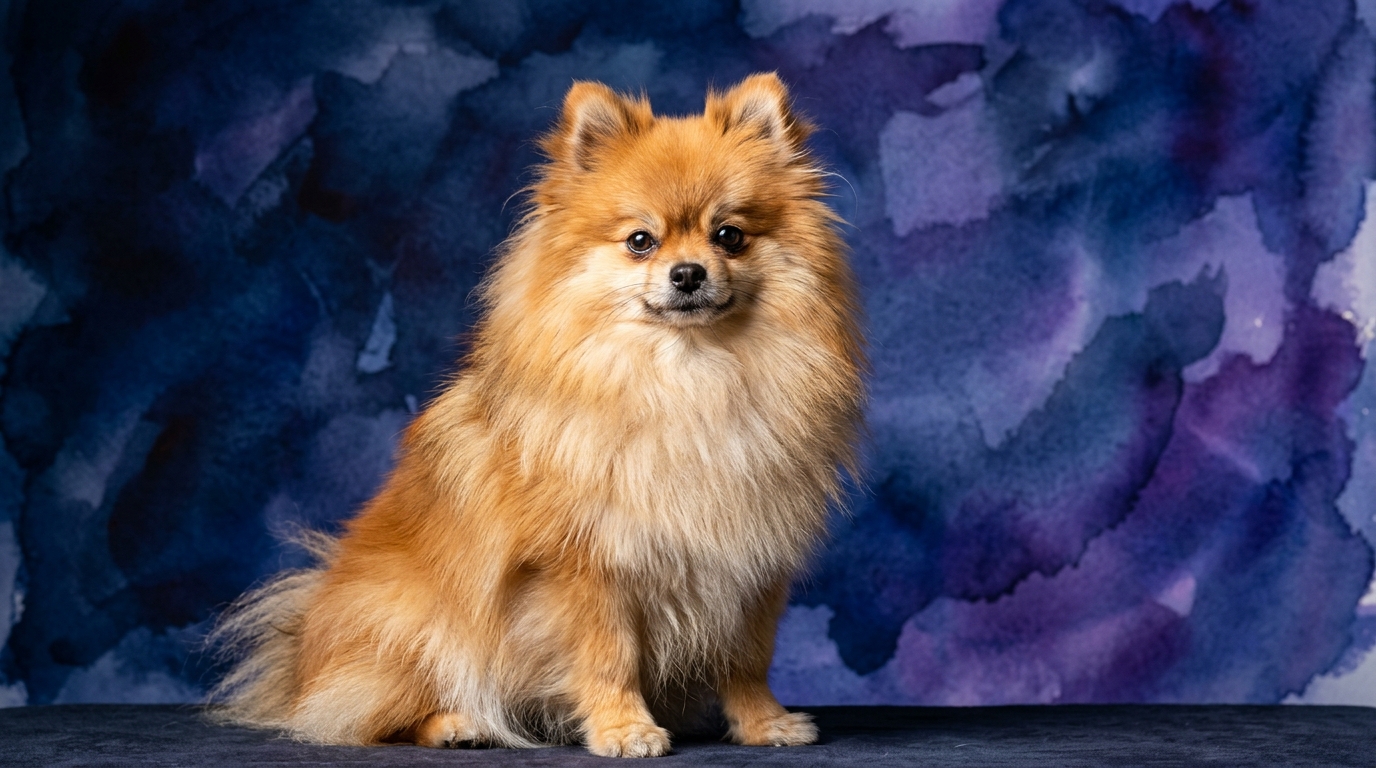
The Cosmic Pet Pet IQ Lab employs a multi-dimensional approach to assess canine cognition, moving beyond simple obedience scores. For the Pomeranian, ranked #23 by Coren, its profile shows a balanced aptitude: Problem Solving 4/5, Training Speed 4/5, Social Intelligence 4/5, Instinctive Drive 3/5, and Memory 4/5. This suggests a dog capable of navigating novel situations with reasonable efficacy, absorbing new commands quickly, and possessing a nuanced understanding of human social cues. Their moderate instinctive drive means they are less compelled by primitive urges than some breeds, making them more pliable in domestic settings, and their solid memory aids in retaining complex learned behaviors.
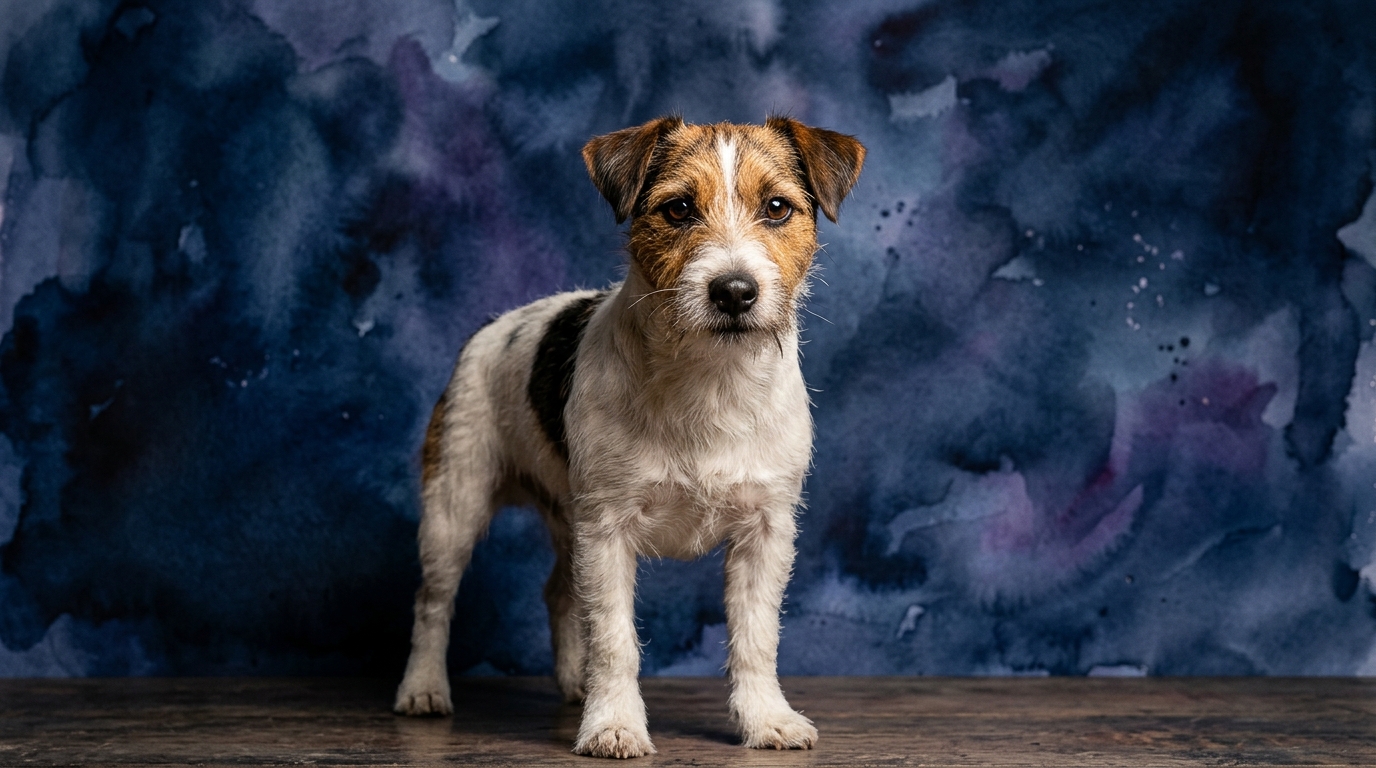
In contrast, the Jack Russell Terrier, while not Coren-ranked, presents a distinct cognitive blueprint: Problem Solving 5/5, Training Speed 3/5, Social Intelligence 3/5, Instinctive Drive 5/5, and Memory 4/5. This profile immediately highlights an independent and persistent thinker, capable of exceptional ingenuity when faced with challenges. However, their training speed is more moderate, and their social intelligence, while present, is less pronounced than the Pomeranian's, suggesting they might be less attuned to subtle human signals. Their very high instinctive drive is a defining characteristic, propelling them towards tasks like hunting and exploration, and their strong memory reinforces both learned and innate behaviors.
Where the Pomeranian Excels Cognitively
The Pomeranian's cognitive strengths lie particularly in their social intelligence and training speed. With a 4/5 in social intelligence, they demonstrate a keen ability to interpret human body language, vocal tones, and emotional states, often using this understanding to facilitate interaction and cooperation. This makes them adept at social learning, picking up routines and expectations from their human companions with relative ease. Their 4/5 training speed further reinforces this, indicating they can form associations between commands and actions quite rapidly, making them responsive to varied and nuanced training regimens, including trick training or canine sports requiring precision and communication. The Pomeranian’s robust memory (4/5) supports their capacity for retaining intricate sequences of commands or complex social rules within a household, allowing them to adapt smoothly to different environments and people.
Where the Jack Russell Terrier Excels Cognitively
The Jack Russell Terrier truly shines in independent problem-solving and an unwavering instinctive drive. Scoring a perfect 5/5 in problem-solving, they exhibit remarkable ingenuity and persistence when confronted with obstacles, often devising creative, albeit sometimes mischievous, solutions. This strength is deeply intertwined with their 5/5 instinctive drive, which fuels their relentless pursuit of goals, whether it's locating a hidden toy, navigating a complex scent trail, or finding a way to access something forbidden. Their cognitive process is often one of trial and error, driven by an innate curiosity and a strong motivation to achieve an objective. This makes them exceptional at tasks requiring self-direction and resilience, such as agility courses where they must independently navigate a sequence of obstacles, or activities like scent work where their drive to follow a trail is paramount.
Which is Easier to Train, and Why?
When considering ease of training, the Pomeranian generally presents a more straightforward experience for many owners, primarily due to its higher scores in training speed (4/5) and social intelligence (4/5). Pomeranians tend to be more attuned to their handler's desires, processing commands quickly and showing a greater willingness to cooperate, which often translates to faster learning of basic obedience and house rules. Their moderate instinctive drive (3/5) means they are less likely to be distracted by overwhelming primal urges during training sessions, allowing for more focused engagement.
The Jack Russell Terrier, with its training speed of 3/5 and a towering instinctive drive of 5/5, often requires a different approach. While they are phenomenal problem-solvers, their independent nature and strong drive can make them less inclined to simply 'obey' without understanding the purpose or if their instincts are pulling them elsewhere. They may take more repetitions to solidify a command, especially if it conflicts with their innate desire to chase or explore. Training a Jack Russell often means channeling their considerable drive into productive outlets, like agility or scent work, rather than attempting to suppress it. Success with a Jack Russell often hinges on making training a stimulating game that appeals to their desire for mental challenge and physical activity, rather than relying solely on compliance.
Suited for Active vs. Relaxed Owners
The cognitive profiles of these two breeds offer clear indicators for owner suitability. The Jack Russell Terrier, with its exceptional problem-solving (5/5) and very high instinctive drive (5/5), is undeniably suited for active owners. These dogs thrive on consistent mental and physical challenges, requiring daily opportunities to explore, engage their senses, and solve puzzles. Owners who enjoy dog sports, extensive outdoor adventures, or who can dedicate significant time to engaging their dog in structured activities will find the Jack Russell to be a rewarding companion. Their drive means they can become bored or destructive if their cognitive and physical needs are not adequately met, making them less ideal for a predominantly relaxed, sedentary lifestyle.
The Pomeranian, with its balanced cognitive scores, including good social intelligence (4/5) and moderate instinctive drive (3/5), offers more versatility. While they certainly benefit from regular mental stimulation and walks, their needs are generally less intense than the Jack Russell's. They can adapt well to owners who prefer a more relaxed pace, as long as their desire for social interaction and consistent, engaging training is met. Their ability to learn quickly and keen social awareness makes them excellent companions for owners who enjoy teaching tricks, participating in companion events, or simply having a highly responsive and communicative presence in the home. They can thrive in both moderately active households and those with a calmer rhythm, provided they receive sufficient quality interaction.
The Verdict
Choose a Pomeranian if you seek a highly responsive, socially attuned companion eager to learn nuanced commands and integrate seamlessly into a variety of household rhythms.
Opt for a Jack Russell Terrier if you are an active individual or family ready to channel an exceptional problem-solver's intense drive and independent spirit into engaging, stimulating activities.
🧠 Find Your Pet's IQ Score
Our Pet IQ Lab assessment covers 25+ tests across 5 cognitive dimensions — personalized to your breed.
Take the Full IQ Test →Frequently Asked Questions
Do Pomeranians require a lot of mental stimulation?
Yes, Pomeranians benefit from regular mental stimulation. Their 4/5 problem-solving and training speed mean they enjoy learning new things and solving puzzles, which helps prevent boredom and keeps them engaged.
How does the Jack Russell Terrier's high instinctive drive impact its behavior?
A Jack Russell's 5/5 instinctive drive means they possess strong natural urges for activities like chasing, digging, and exploring. This translates to a need for consistent outlets for these behaviors, impacting everything from their training focus to their daily exercise requirements.
Is a Pomeranian a good choice for first-time dog owners?
Given their 4/5 training speed and social intelligence, Pomeranians can be a good choice for first-time owners willing to commit to consistent, positive training. Their responsiveness and desire to please can make the learning process rewarding for both dog and owner.