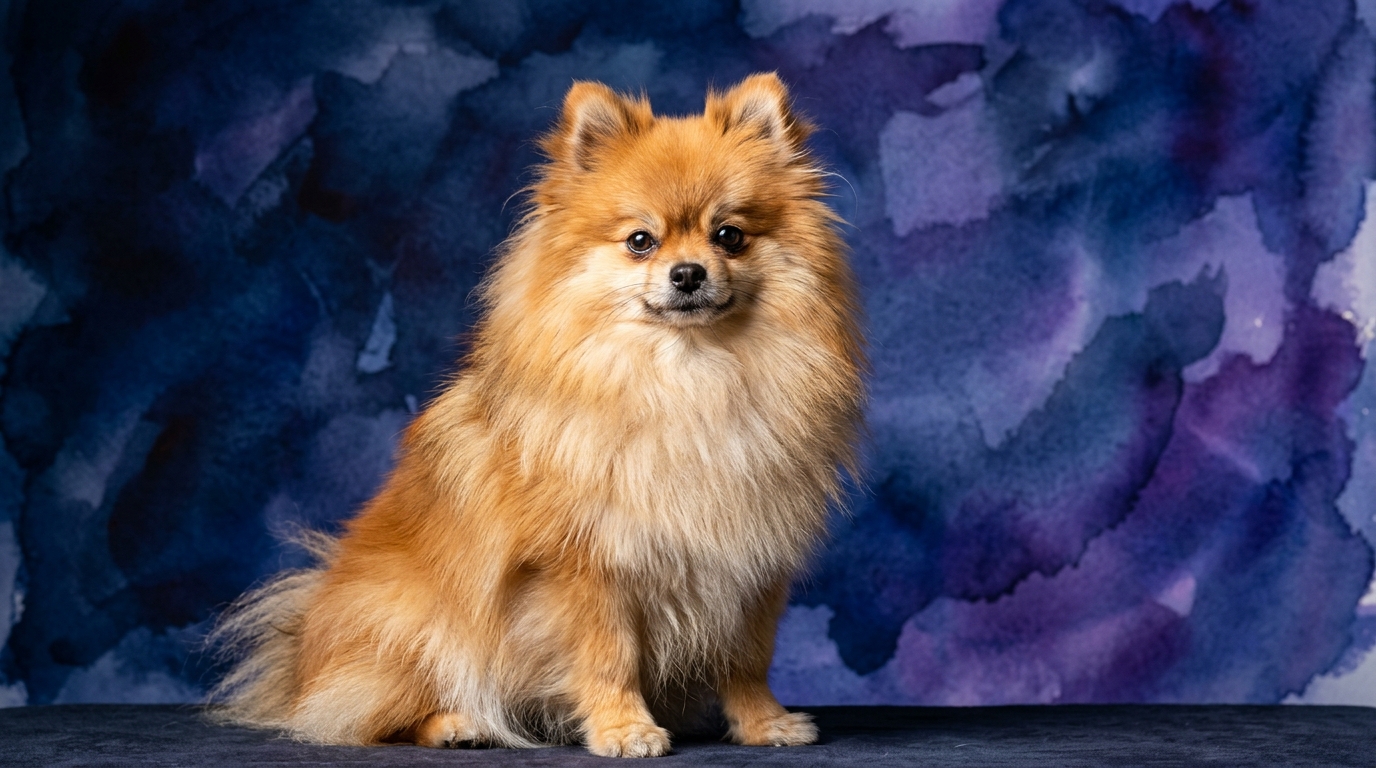
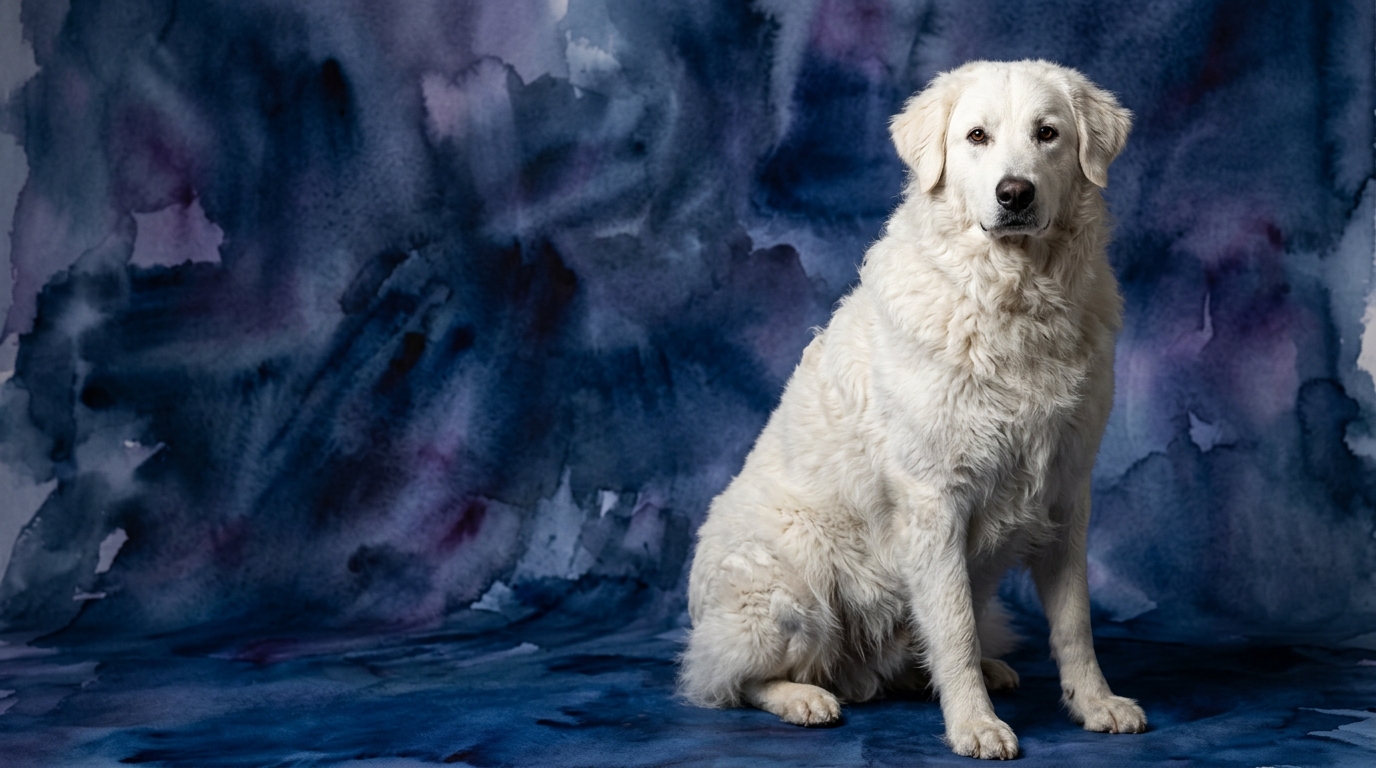
Side-by-Side Cognitive Profiles: Pomeranian vs. Kuvasz
At The Cosmic Pet Pet IQ Lab, we assess canine intelligence across five crucial dimensions, providing a granular view of each breed’s cognitive landscape. The Pomeranian, a Toy breed, holds a Coren rank of #23, indicating a strong capacity for obedience and working intelligence. Its profile reveals a robust problem-solving ability (4/5), quick training speed (4/5), keen social intelligence (4/5), a moderate instinctive drive (3/5), and excellent memory (4/5). This suggests a dog adept at understanding and responding to human cues, eager to learn, and capable of navigating complex social situations with charm.
In contrast, the Kuvasz, a Working breed, ranks #42 on the Coren scale. Its cognitive scores reflect a more independent and purpose-driven intellect: problem-solving (3/5), training speed (3/5), social intelligence (3/5), a pronounced instinctive drive (3/5) rooted in guarding, and strong memory (4/5). This breed's profile points to a formidable guardian with a capacity for autonomous decision-making, whose learning style is often tied to its deep-seated protective nature rather than a desire for constant human validation. While both breeds exhibit strong memory, the application and manifestation of their other cognitive traits diverge significantly, painting a clear picture of their distinct mental architectures.
Where the Pomeranian Shines Cognitively
The Pomeranian consistently demonstrates an edge in several cognitive areas, making it a particularly engaging and adaptable companion for many households. Their 4/5 rating in problem-solving often translates into a quick grasp of how to manipulate their environment or human companions to achieve desired outcomes, whether it's figuring out a puzzle toy or charming a treat out of a pocket. This adaptive capacity allows them to navigate new situations with relative ease, quickly understanding cause and effect in their daily interactions.
Furthermore, the Pomeranian's 4/5 training speed is a testament to their readiness to engage in structured learning. They often pick up new commands and routines with remarkable alacrity, driven by a desire for interaction and positive reinforcement. This eagerness to please, coupled with their sharp memory (4/5), means they retain learned behaviors effectively, making them responsive partners in obedience or trick training. Their superior social intelligence (4/5) also allows them to be highly attuned to human emotions and household dynamics, often acting as perceptive companions who understand subtle cues and integrate seamlessly into family life, sometimes even anticipating needs or moods.
Kuvasz's Unique Cognitive Strengths
While the Kuvasz's scores might appear lower in some categories compared to the Pomeranian, their cognitive strengths are uniquely tailored to their historical role, showcasing a different yet equally profound form of intelligence. Their 3/5 instinctive drive, while numerically similar, manifests as an unwavering, ancient guarding instinct. This isn't merely alertness; it's a deep-seated, complex drive for vigilance, territorial awareness, and a discerning ability to assess threats autonomously, making decisions without constant human intervention in protective scenarios.
The Kuvasz's problem-solving (3/5) is less about seeking novel puzzles for entertainment and more about practical, independent decision-making crucial for a livestock guardian. They excel at assessing situations, identifying potential dangers, and formulating solutions within their perceived domain, often requiring a different kind of mental processing than a companion dog. Their excellent memory (4/5) is vital for retaining knowledge of their territory, family members, and perceived intruders over long periods, ensuring consistent protective behavior. This memory also underpins their ability to learn complex, purposeful tasks, even if their training speed for conventional obedience is moderate. The Kuvasz's cognitive profile speaks to a deep, purposeful intellect designed for responsibility and independence.
Training Dynamics: Which Breed is More Amenable?
When it comes to ease of training, the Pomeranian generally presents a more straightforward experience for the average owner. Their 4/5 training speed and 4/5 social intelligence mean they are typically enthusiastic participants in training sessions, motivated by praise, treats, and the opportunity for interaction. They readily absorb commands and enjoy the mental stimulation of learning new tricks, often eager to demonstrate their abilities. Their smaller size also makes them physically easier to manage during early training phases, reducing potential challenges.
The Kuvasz, with its 3/5 training speed and independent nature, requires a different approach. Their historical role as autonomous guardians means they are accustomed to making their own decisions, and may question the purpose of commands that seem arbitrary or lack immediate relevance to their duties. Training a Kuvasz demands immense patience, consistency, and a deep understanding of their innate drives. They respond best to fair, respectful leadership and training methods that appeal to their intelligence and sense of purpose, rather than rote repetition. Real behavioral differences might involve a Pomeranian quickly learning 'stay' for a treat, while a Kuvasz might learn 'stay' but decide to break it if they perceive a threat or a more important task needing their attention, demonstrating their independent cognitive processing in action.
Matching Cognitive Profiles to Lifestyles: Active vs. Relaxed Owners
Understanding each breed's cognitive leanings is crucial for aligning with the right owner lifestyle. For active owners, both breeds can be suitable, but with different implications. An active owner for a Pomeranian might enjoy engaging in dog sports like agility, trick training, or extended walks, as the Pomeranian's problem-solving and training speed make them keen partners in interactive activities. They thrive on shared adventures and mental challenges that involve their human companions.
For the Kuvasz, an active owner means someone who can provide significant physical exercise, but more importantly, ample mental engagement that taps into their working dog heritage. This could involve patrolling a large property, participating in protection sports, or providing a 'job' that satisfies their deep-seated instinctive drive. A truly active Kuvasz owner understands that their dog's mind needs purpose as much as its body needs exercise. Conversely, for more relaxed owners, the Pomeranian's adaptability and high social intelligence allow them to thrive in quieter indoor environments, provided they receive daily mental stimulation through play and interaction. They are content being close companions and lapdogs, fitting seamlessly into a relaxed household rhythm.
A Kuvasz, however, is generally not suited for a truly 'relaxed' owner without specific, proactive provisions. Their powerful guarding instincts and need for purpose demand a committed, experienced owner who can consistently manage and direct their autonomous nature. A relaxed approach without understanding their cognitive needs can lead to frustration for both dog and owner, as their independent decision-making and protective drives require consistent guidance and a clear leadership structure.
The Verdict
Choose a Pomeranian if you seek a highly interactive, quick-to-learn companion who thrives on close social bonds and enjoys engaging in playful mental challenges within a family setting. They are ideal for owners who appreciate a charming, adaptable dog eager to participate in daily life and training.
Select a Kuvasz if you are an experienced dog owner prepared to embrace a majestic, independent guardian with deep protective instincts, providing ample space, consistent leadership, and opportunities for meaningful 'work.' They are best for those who value a loyal, discerning protector capable of autonomous decision-making.
🧠 Find Your Pet's IQ Score
Our Pet IQ Lab assessment covers 25+ tests across 5 cognitive dimensions — personalized to your breed.
Take the Full IQ Test →Frequently Asked Questions
Do Pomeranians bark a lot due to their intelligence?
Pomeranians' 4/5 social intelligence and alertness often manifest as vocalizations to communicate excitement, perceived threats, or desires. While not directly tied to their problem-solving ability, their keen awareness of their surroundings and family dynamics contributes to their communicative nature.
How does the Kuvasz's independent nature affect its ability to learn?
The Kuvasz's 3/5 training speed is influenced by its historical role as an autonomous livestock guardian, leading to a strong independent streak. They learn effectively when tasks are logical and purposeful, but may question commands that seem arbitrary, requiring patient, consistent, and respectful training methods.
Can a Pomeranian and a Kuvasz coexist peacefully in the same home?
Coexistence is possible but requires careful socialization from a young age and vigilant management, particularly given the Kuvasz's guarding instincts and size difference. The Pomeranian's social intelligence can help them navigate the larger dog, but the Kuvasz's protective nature needs to be carefully directed to ensure the smaller dog's safety.