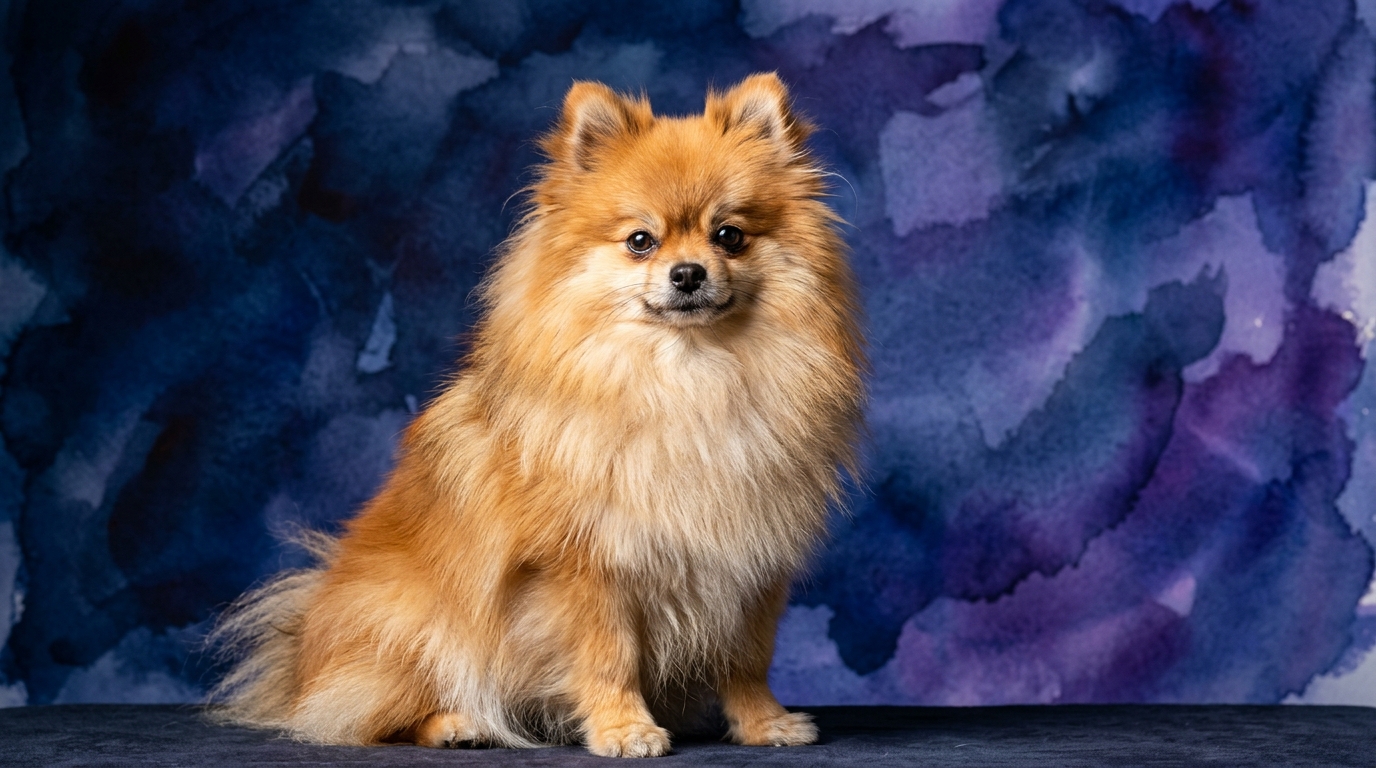
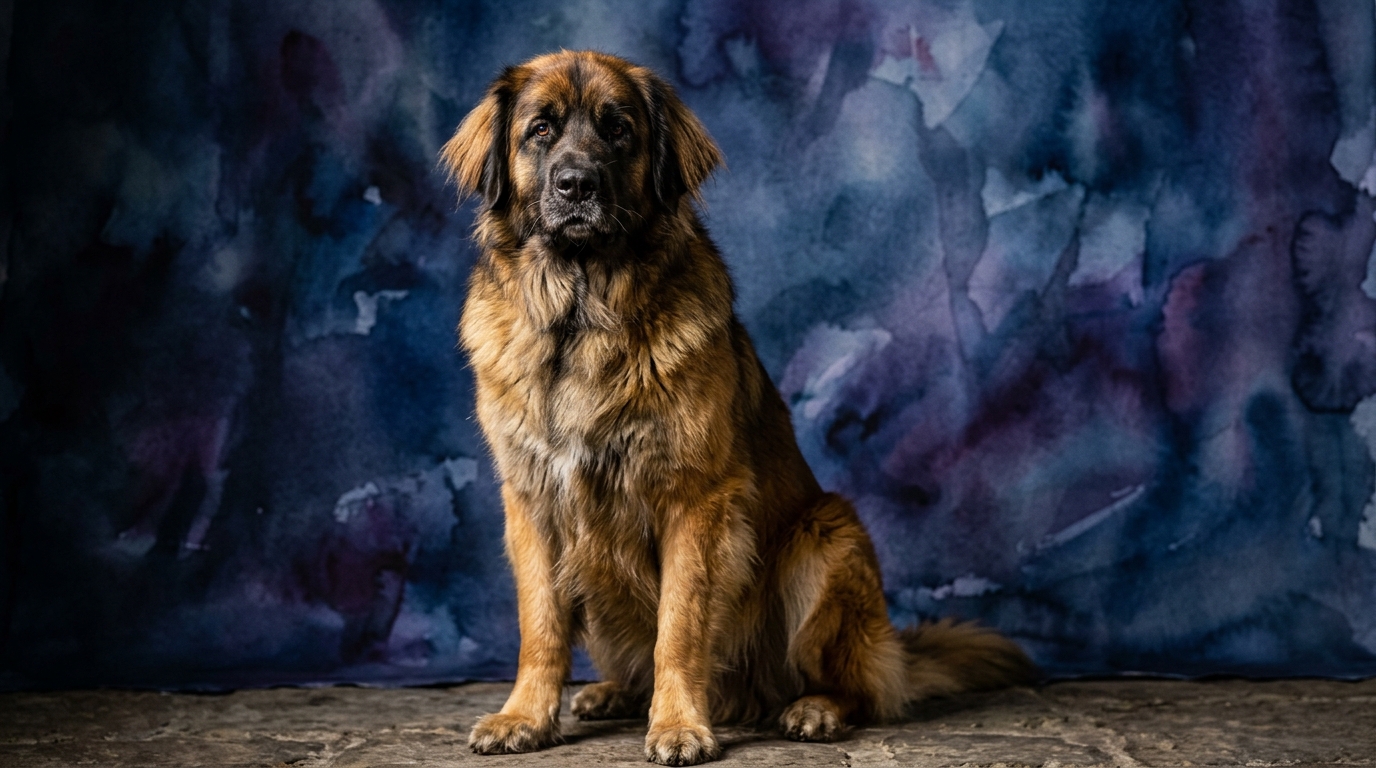
Side-by-Side Cognitive Profile: Pomeranian vs. Leonberger
The Cosmic Pet Pet IQ Lab employs a five-dimensional framework to assess canine intelligence, offering a nuanced view beyond simple obedience. For the Pomeranian, a Toy breed, its Coren rank of #23 suggests a strong capacity for working and obedience intelligence, a remarkable feat for its size. The Leonberger, a Working breed, is not currently Coren-ranked, which often indicates a focus on specific working aptitudes rather than broad obedience competition.
Delving into the specifics, the Pomeranian scores 4/5 in Problem Solving, indicating a keen ability to navigate novel situations and find solutions. Its Training Speed also stands at an impressive 4/5, reflecting quick comprehension of new commands. Social Intelligence is rated 4/5, suggesting a sophisticated understanding of human and canine social cues, while its Instinctive Drive is 3/5, a moderate score for inherent breed-specific behaviors. Memory for the Pomeranian is 4/5, highlighting its capacity to retain learned information and experiences over time.
In contrast, the Leonberger presents a steady profile across the board, with Problem Solving, Training Speed, Social Intelligence, Instinctive Drive, and Memory all rated at 3/5. This consistent scoring implies a reliable, methodical approach to cognitive tasks rather than the quick, agile responses seen in the Pomeranian. For a working breed, these scores often translate to dependable performance in their intended roles, valuing consistency and resilience over rapid acquisition or intricate problem-solving in a competitive context.
Where the Pomeranian Shines Cognitively
The Pomeranian's cognitive strengths distinctly lie in its agility of thought and rapid learning. Its 4/5 score in Problem Solving means these small dogs are often adept at figuring out puzzles, manipulating objects to achieve a goal, or even devising clever ways to get attention. This isn't just about simple tricks; it extends to understanding complex multi-step commands or navigating intricate environments with quick mental adjustments.
Furthermore, the Pomeranian's 4/5 in Training Speed highlights its capacity for swift command acquisition. They pick up new cues with remarkable alacrity, often requiring fewer repetitions than many other breeds. This quick uptake, combined with their 4/5 Social Intelligence, allows them to excel in activities requiring precise responses to human signals, making them frequently successful in competitive obedience or advanced trick training. Their superior memory (4/5) ensures that once a concept is learned, it tends to stick, enabling them to build a broad repertoire of behaviors over time.
Where the Leonberger's Intellect Excels
While the Leonberger's scores are consistently 3/5, this indicates a particular kind of robust, steady intelligence, perfectly suited to its working heritage. Its 3/5 in Problem Solving translates to a thoughtful, deliberate approach rather than impulsive action; they assess situations with calm consideration, particularly when it involves their family or territory. This isn't a lack of problem-solving ability, but a different style, often prioritizing safety and stability over speed.
The Leonberger's 3/5 for Instinctive Drive is particularly significant. For a breed bred for guardianship and companionship, this drive manifests as a deep-seated desire to protect and be close to its human family, requiring a specific kind of social and environmental awareness. Their moderate scores in Training Speed and Memory suggest they are less prone to impulsive learning or forgetting critical commands, instead absorbing information with a quiet, enduring understanding. This breed's cognitive strength lies in its steadfastness, its ability to maintain focus on a task over long periods, and its capacity for reliable, consistent behavior, which are paramount in a large working companion.
Training Dynamics: Pomeranian's Zest vs. Leonberger's Resolve
When considering ease of training, the Pomeranian generally presents a quicker learning curve due to its 4/5 Training Speed and Problem Solving. They are often eager to please and respond well to positive reinforcement, quickly connecting actions with rewards. Their smaller size and agility also make them amenable to a wider range of indoor training activities and complex trick sequences, where their quick wits can truly shine. Behavioral differences might include a tendency for Poms to become easily bored if not mentally stimulated, potentially leading to 'nuisance' behaviors if their cognitive needs aren't met through engaging tasks.
The Leonberger, with 3/5 in Training Speed, requires a more patient and consistent approach. They absorb commands more deliberately, but once learned, these behaviors are often deeply ingrained due to their working dog temperament. Training a Leonberger often involves emphasizing calm reinforcement and clear, consistent expectations, leveraging their natural desire to be a dependable companion. Their larger size means early and consistent socialization and obedience training are crucial for managing their strength and ensuring they are well-mannered gentle giants. While they may not pick up a new trick as quickly as a Pomeranian, their commitment to a learned task can be profound.
Matching Cognition to Lifestyles: Active Explorers vs. Steady Companions
The Pomeranian's cognitive profile makes it an excellent fit for active owners who enjoy engaging their pet in mental challenges and structured activities. Owners who thrive on teaching complex tricks, participating in dog sports like agility or obedience, or simply having a highly responsive and interactive companion will find the Pomeranian's quick problem-solving and training speed incredibly rewarding. Their zest for learning and social intelligence mean they flourish with consistent mental stimulation and close interaction, making them ideal for individuals or families who can dedicate time to daily enrichment.
Conversely, the Leonberger's steady cognitive traits align well with relaxed owners who appreciate a calm, dependable presence and are prepared for consistent, patient training. These dogs thrive in environments where they can be a steadfast part of the family, often requiring a bit more space but less frenetic activity. Their moderate problem-solving and training speed mean they prefer a predictable routine and benefit from owners who understand that learning is a marathon, not a sprint. Owners seeking a loyal, protective, yet gentle giant who will mature into a stable, reliable companion will find the Leonberger's deliberate intellect perfectly suited to their lifestyle.
The Verdict
Choose the Pomeranian if you're seeking a quick-witted, highly trainable companion eager for mental challenges and intricate interactions.
Opt for the Leonberger if you value a steadfast, patient, and dependable companion who thrives on consistent guidance and a calm, stable environment.
🧠 Find Your Pet's IQ Score
Our Pet IQ Lab assessment covers 25+ tests across 5 cognitive dimensions — personalized to your breed.
Take the Full IQ Test →Frequently Asked Questions
Does a Pomeranian's high problem-solving score mean they are harder to manage?
Not necessarily harder, but their keen problem-solving (4/5) means they require consistent mental stimulation. Without engaging tasks, they might find their own 'problems' to solve, which could manifest as unwanted behaviors, so regular enrichment is key.
If a Leonberger's training speed is 3/5, does that mean they can't learn complex commands?
A 3/5 training speed indicates a more deliberate learning pace, not an inability to learn complex commands. Leonbergers can absolutely master intricate tasks, but they require greater patience, consistency, and positive reinforcement from their trainers to solidify those learnings.
How does social intelligence differ between these two breeds, given their scores?
The Pomeranian's 4/5 social intelligence suggests a quick grasp of subtle social cues, often leading to very responsive and expressive interactions. The Leonberger's 3/5 indicates a reliable, stable understanding of social dynamics, crucial for their role as family guardians, prioritizing calm assessment over rapid, sometimes excitable, responses.