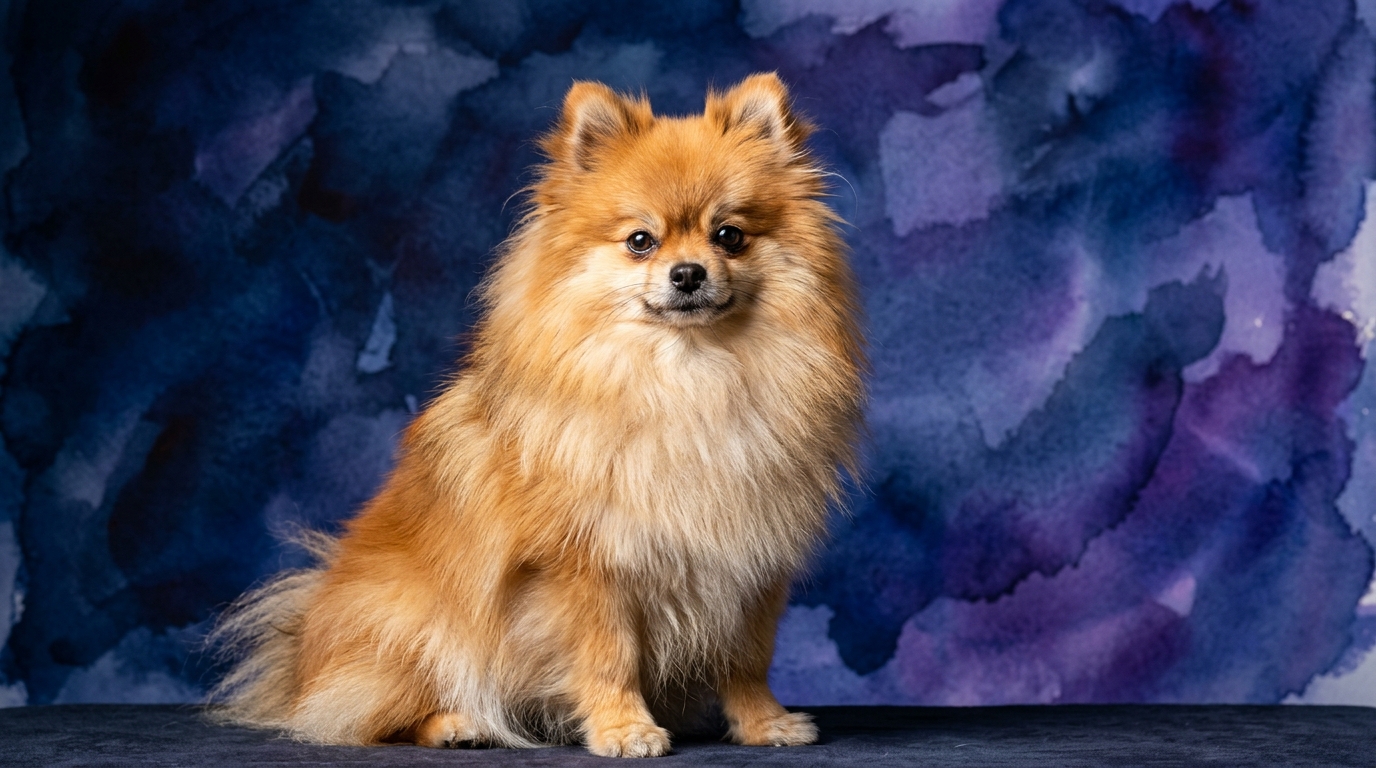
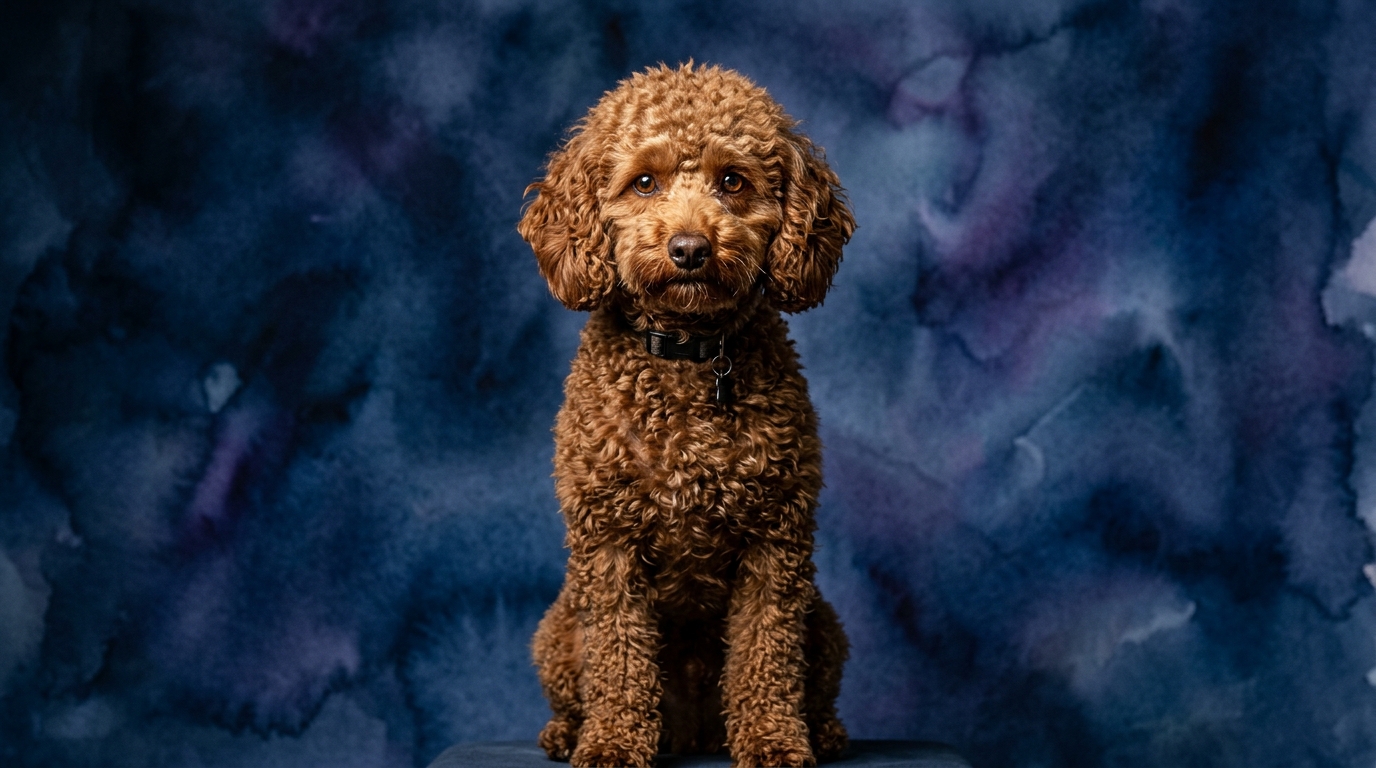
Side-by-Side IQ Profile
The Pomeranian, ranking #23 on the Coren scale, presents a delightful blend of cognitive strengths. Their Problem Solving ability, rated 4/5, indicates a capable mind that approaches challenges with keen interest, often demonstrating persistence when faced with a puzzle toy or a hidden treat. This means they are adept at figuring out moderately complex tasks, employing trial-and-error effectively to achieve their goals.
In terms of Training Speed, also at 4/5, Pomeranians show a commendable ability to grasp new commands and routines with efficiency. They respond well to positive reinforcement, integrating new information into their behavioral repertoire reliably, making them enjoyable to teach basic obedience and a variety of tricks. Their learning curve is typically smooth, requiring a reasonable number of repetitions to solidify new skills.
Their Social Intelligence, a standout at 4/5, highlights their profound connection to human companions. Pomeranians are often keenly aware of their owner's emotional states and social cues, adapting their behavior to seek comfort, offer companionship, or even strategically solicit attention. This intuitive understanding of social dynamics contributes significantly to their strong bonds. With an Instinctive Drive of 3/5, they possess a moderate level of inherent curiosity and alertness, often expressed as lively play or a watchful demeanor, while their Memory, rated 4/5, ensures they retain learned behaviors and recognize familiar faces and places over extended periods.
The Miniature Poodle, a distinguished #2 on the Coren scale, showcases a formidable cognitive toolkit. Their Problem Solving capability is a perfect 5/5, indicating an exceptional aptitude for dissecting complex situations and formulating effective solutions. They not only understand cause-and-effect quickly but can also innovate creative approaches to intricate challenges, excelling in demanding puzzle scenarios.
Training Speed, also a perfect 5/5, underscores their unparalleled ability to absorb and implement new information. Miniature Poodles often master commands and complex sequences in remarkably few repetitions, thriving on the mental engagement of learning. This rapid acquisition makes them prime candidates for advanced training disciplines and competitive dog sports.
While their Social Intelligence stands at 3/5, they form deep attachments and are highly responsive to their owners, though perhaps not as instinctively attuned to subtle human emotional nuances as some breeds. Their primary cognitive strength lies more in processing information and executing tasks. An Instinctive Drive of 3/5 means they possess a moderate, often playful, drive, frequently expressed through retrieving or active engagement with toys. Their Memory, an outstanding 5/5, ensures that once a concept or command is learned, it is retained with remarkable accuracy and consistency, allowing for reliable performance of even the most intricate routines over time.
Where Pomeranian Wins Cognitively
The Pomeranian's distinct edge lies primarily in its superior Social Intelligence, rated 4/5 compared to the Miniature Poodle's 3/5. This higher rating means Pomeranians are often more acutely attuned to the subtle emotional shifts and non-verbal cues of their human companions. They possess an innate ability to "read the room," understanding when their owner needs comfort, seeks play, or requires space, and adjusting their behavior accordingly.
This nuanced social processing allows them to integrate seamlessly into a family's emotional rhythm, often appearing to anticipate needs or respond empathetically. Their strong social awareness contributes to a feeling of deep, intuitive connection, fostering a dynamic where the dog feels exceptionally "in tune" with their human environment, beyond just following commands.
Where Miniature Poodle Wins Cognitively
The Miniature Poodle's cognitive strengths shine brightly in three interconnected areas: Problem Solving (5/5), Training Speed (5/5), and Memory (5/5). Their unmatched problem-solving ability allows them to tackle and overcome intricate challenges that would leave many other breeds perplexed. This isn't just about simple puzzles; it extends to understanding complex multi-step tasks and adapting strategies on the fly.
Their exceptional Training Speed means they absorb new information with astonishing rapidity, often requiring only a handful of repetitions to ingrain a new command or trick. This swift learning curve makes them incredibly versatile for advanced training. Paired with a superior Memory, once a skill is learned, it is retained with remarkable precision and consistency, enabling them to perform complex sequences reliably over long periods without significant refresher training. These combined attributes make the Miniature Poodle a powerhouse for competitive obedience, agility, and intricate trick training, where precision, speed, and retention are paramount.
Which is Easier to Train and Why
When evaluating ease of training, the Miniature Poodle generally holds a significant advantage, particularly for advanced or complex tasks, due to its perfect 5/5 ratings in Training Speed, Problem Solving, and Memory. They possess an intrinsic eagerness to learn and process information, often viewing training as a rewarding mental exercise. This means they pick up new commands with remarkable speed, understand the underlying concepts of tasks quickly, and retain that knowledge consistently, allowing for rapid progression through training levels. Their behavioral response to cues is often immediate and precise, driven by their cognitive processing power.
Pomeranians, with their strong 4/5 ratings in Training Speed and Memory, are by no means difficult to train for basic obedience and tricks. They are responsive and enjoy engaging with their owners, leveraging their good social intelligence to please. However, when faced with highly complex, multi-step routines or abstract problem-solving, a Pomeranian might require more repetitions and patience compared to a Miniature Poodle, who often grasps the entire sequence more holistically and quickly. The Poodle's sheer cognitive horsepower makes the acquisition and retention of intricate behaviors a more streamlined process.
Which Suits Active Owners vs. Relaxed Owners
For active owners seeking a highly engaged and mentally stimulated companion, the Miniature Poodle is often the ideal match. Their perfect scores in Problem Solving, Training Speed, and Memory mean they thrive on consistent mental challenges and physical activity that engages their sharp minds. Owners who enjoy dog sports like agility, obedience trials, or even intricate trick training will find the Poodle an enthusiastic and capable partner. They require regular opportunities to use their intellect and expend energy, making them well-suited for a dynamic, enriching lifestyle.
Conversely, the Pomeranian, while still requiring regular exercise and mental engagement, often suits more relaxed owners who prioritize a deeply socially connected companion. Their 4/5 Social Intelligence means they excel at being attuned to their owner's presence and moods, making them excellent companions for cozy evenings and moderate daily walks. While they enjoy play and learning, their overall instinctive drive is slightly lower than the Poodle's intense need for mental work. They adapt well to quieter households, provided they receive consistent affection and interactive playtime that leverages their social nature.
The Verdict
For those prioritizing a deeply socially intuitive companion and a charming presence that effortlessly tunes into family dynamics, the Pomeranian is an excellent choice. They thrive in environments where close companionship and moderate, interactive engagement are central.
If your lifestyle demands a highly trainable, cognitively agile partner for advanced dog sports, complex trick training, or consistent obedience, the Miniature Poodle is the superior match. They excel with owners who can provide ample mental stimulation and structured, challenging activities.
🧠 Find Your Pet's IQ Score
Our Pet IQ Lab assessment covers 25+ tests across 5 cognitive dimensions — personalized to your breed.
Take the Full IQ Test →Frequently Asked Questions
Are Pomeranians difficult to train?
No, Pomeranians possess good training speed and social intelligence, making them responsive to consistent, positive reinforcement. While they might not master complex tasks as rapidly as a Miniature Poodle, they learn basic obedience and tricks effectively with patience and engagement, often motivated by their desire to interact with their owners.
Do Miniature Poodles need a lot of exercise?
Miniature Poodles require regular physical exercise and significant mental stimulation to thrive. Their sharp intellect means they need activities that challenge their minds, beyond just physical exertion, to prevent boredom and maintain their cognitive engagement, making daily training or puzzle play essential.
Which breed is better for first-time dog owners?
Both breeds can be suitable, but their needs differ. A Pomeranian might be slightly more forgiving for a first-timer due to their strong social intuition and slightly less demanding mental exercise needs, while a Miniature Poodle's need for consistent mental engagement and structured learning might require a more committed approach to training and enrichment.