Side-by-Side Cognitive Profiles
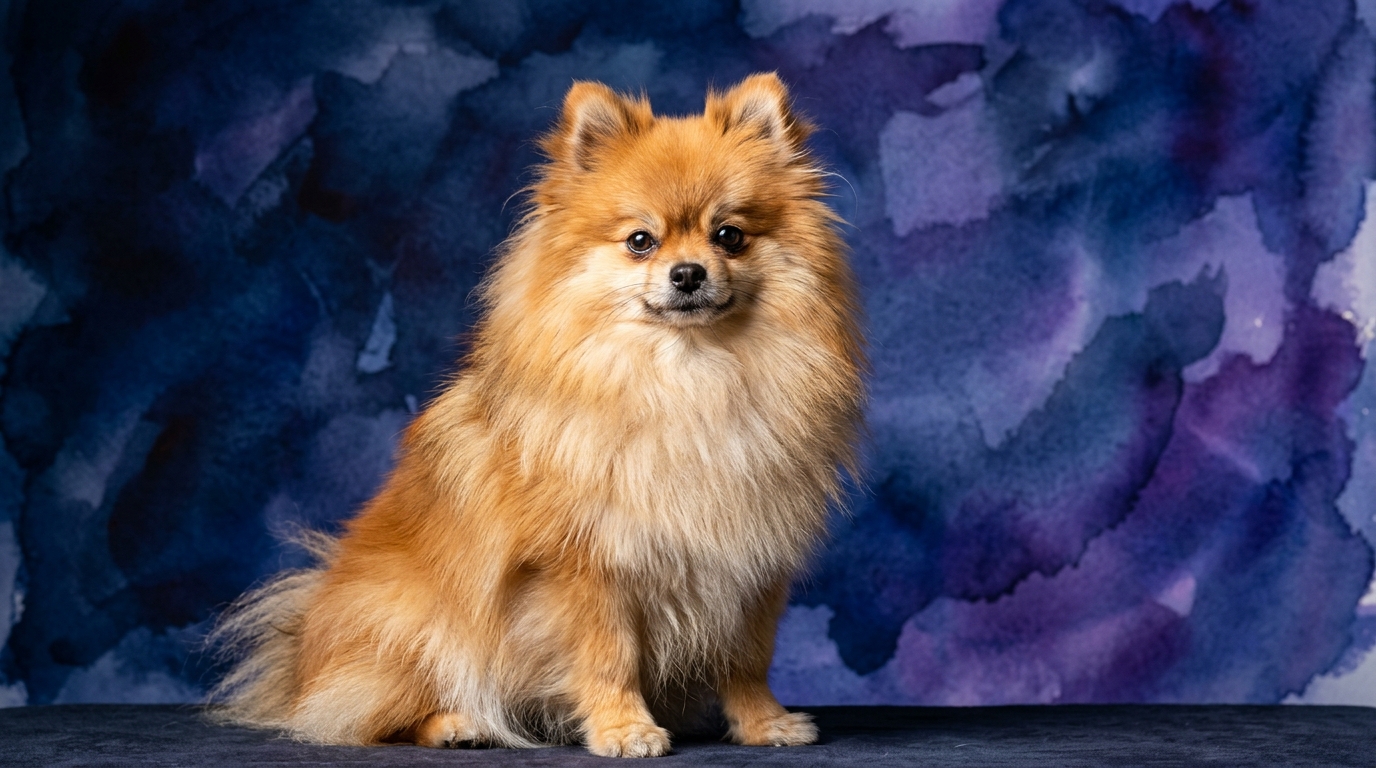
The Pomeranian, a member of the Toy group and holding a Coren ranking of #23, demonstrates a particularly sharp cognitive profile. Their Problem Solving is rated 4/5, indicating a quick grasp of novel situations and a capacity for strategic thinking to achieve desired outcomes. With a Training Speed of 4/5, they show remarkable alacrity in acquiring new commands and routines, making them highly responsive pupils. Their Social Intelligence also scores 4/5, reflecting a keen ability to interpret human cues and emotional states, fostering deep, communicative bonds. While their Instinctive Drive is moderate at 3/5, focusing more on social interaction than traditional working tasks, their Memory, at 4/5, ensures learned behaviors and experiences are retained effectively over time, contributing to their consistent performance.
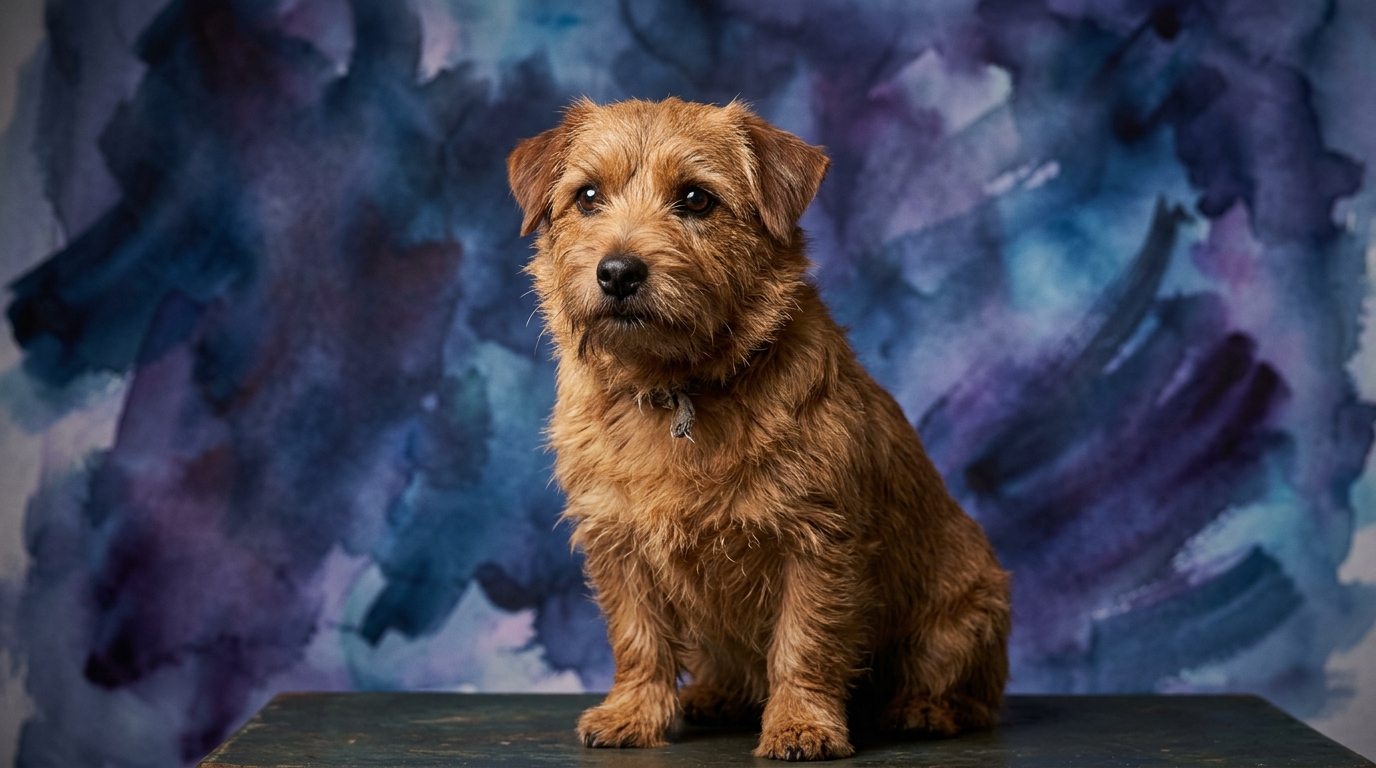
In contrast, the Norfolk Terrier, a robust member of the Terrier group and not Coren-ranked, presents a distinct intellectual blueprint rooted in its historical purpose. Their Problem Solving is rated 3/5, suggesting a practical, persistent approach to challenges, often relying on exploratory trial-and-error rather than intricate planning. A Training Speed of 3/5 indicates they learn steadily, but their inherent independence may necessitate more patient and consistent guidance compared to the Pomeranian. Their Social Intelligence, also 3/5, means they are attuned to their immediate family but might display a more self-reliant demeanor, less driven by constant human affirmation. The Norfolk's Instinctive Drive scores 3/5, reflecting a strong inherent inclination towards activities like digging, chasing, and vigilant observation, which are hallmarks of their working background. Their Memory, at 3/5, is sufficient for retaining crucial information, though perhaps not with the same detailed recall as their Pomeranian counterpart.
Where the Pomeranian Excels Cognitively
The Pomeranian's cognitive advantages are particularly pronounced in areas requiring rapid learning and social attunement. Their superior Problem Solving (4/5) means they often demonstrate a more analytical approach to novel situations, quickly discerning patterns and devising solutions, such as mastering complex puzzle toys or understanding multi-step tasks. This contrasts with the Norfolk's more physical, persistent method, making the Pomeranian appear more 'clever' in domestic problem-solving scenarios. Their exceptional Training Speed (4/5) is a clear win, as they grasp new commands and concepts with remarkable alacrity, typically requiring fewer repetitions to achieve proficiency in obedience or trick training.
Furthermore, the Pomeranian's higher Social Intelligence (4/5) allows them to exquisitely tune into human emotional states and intentions, often anticipating needs or reacting sensitively to subtle shifts in mood. This fosters a deeply empathetic bond, making them highly responsive companions who seem to genuinely understand their owners. Their robust Memory (4/5) provides a distinct edge in retaining learned behaviors and complex sequences over extended periods, meaning once a rule or a trick is learned, it is likely to stick with minimal refreshers, contributing to their consistent and predictable behavior in a structured home environment.
Where the Norfolk Terrier Demonstrates Distinct Strengths
While the Pomeranian excels in areas of rapid learning and social nuance, the Norfolk Terrier demonstrates distinct cognitive strengths rooted in its working heritage, even if numerical scores appear similar in some aspects. Their Instinctive Drive, rated 3/5, translates into a remarkable tenacity and focus when engaged in tasks aligned with their natural inclinations. This isn't about complex obedience, but rather a relentless determination in activities like scent work, exploring new territories, or persistent 'hunting' for hidden toys. This drive empowers them to overcome physical obstacles and maintain focus on a goal, embodying a rugged problem-solving approach that values perseverance over swift analytical insight.
The Norfolk's cognitive profile also lends itself to a robust resilience and adaptability in varied environments. Their slightly lower Social Intelligence (3/5) compared to the Pomeranian isn't a deficit, but rather reflects a more self-reliant mental framework. This means they are often less prone to separation anxiety when left alone for reasonable periods and exhibit a sturdy independence, making them less demanding of constant human interaction for their emotional well-being. Their problem-solving, though rated 3/5, is often practical and physical, such as finding a way through a hedge or navigating a complex trail, showcasing an earthy intelligence perfectly suited to their terrier nature.
Training Ease: Pomeranian vs. Norfolk Terrier
When evaluating ease of training, the Pomeranian undeniably holds an advantage over the Norfolk Terrier, primarily due to their higher scores in Training Speed, Problem Solving, and Social Intelligence. A Pomeranian’s 4/5 Training Speed means they typically pick up new commands with fewer repetitions and a greater eagerness to comply. Their strong Social Intelligence (4/5) makes them highly responsive to their owner's tone and body language, allowing for more nuanced communication during training sessions. They often exhibit a keen desire to please, making them cooperative pupils who thrive on positive reinforcement and consistent guidance, enabling quicker mastery of foundational obedience, house-training, and even complex tricks.
The Norfolk Terrier, while certainly trainable, presents a different set of considerations. Their 3/5 Training Speed suggests they learn at a steady pace, but their independent terrier spirit can mean they require more patience and consistency. Their 3/5 Problem Solving often involves more self-directed exploration, which, while beneficial in some contexts, can manifest as a 'what's in it for me?' attitude during training. Their Instinctive Drive (3/5) towards chasing and digging can also be a significant distraction, requiring owners to work harder to maintain focus in stimulating environments. Training a Norfolk often demands a creative approach, leveraging their natural curiosity and providing ample motivation to overcome their inherent self-reliance and occasional stubbornness.
Suitability for Active vs. Relaxed Owners
The choice between a Pomeranian and a Norfolk Terrier also hinges significantly on an owner's lifestyle, particularly their activity levels and expectations for daily engagement. A Pomeranian, with its moderate Instinctive Drive (3/5) and smaller stature, can comfortably adapt to both moderately active and more relaxed indoor lifestyles. While they enjoy brisk walks and playtime, their exercise needs are generally met with daily strolls and indoor games. Their higher Social Intelligence (4/5) means they thrive on close human companionship and are often content to be a lap dog or a quiet observer, making them an excellent fit for individuals or families seeking a devoted, less physically demanding companion for quieter evenings at home.
Conversely, the Norfolk Terrier is better suited for active owners who relish outdoor adventures and can provide consistent mental and physical stimulation. Their robust terrier instincts and general hardiness mean they require more than just a short walk around the block. They excel with owners who can engage them in activities like hiking, agility, earthdog trials, or extended play sessions involving chasing and digging. Their independent nature, while manageable, benefits from an owner who understands the terrier mindset and can channel their innate drive into constructive outlets rather than expecting constant placid companionship. They need purpose, even if that purpose is just a vigorous exploration of the backyard or a challenging training session.
The Verdict
Opt for a Pomeranian if you prioritize a highly responsive, socially attuned companion who excels at rapid learning and thrives on close interaction, making them ideal for individuals seeking a devoted, intelligent lap dog or a keen participant in trick training.
Select a Norfolk Terrier if you admire a spirited, independent companion with a tenacious drive for exploration and outdoor activity, and you are prepared to engage in patient, consistent training to channel their robust working instincts.
🧠 Find Your Pet's IQ Score
Our Pet IQ Lab assessment covers 25+ tests across 5 cognitive dimensions — personalized to your breed.
Take the Full IQ Test →Frequently Asked Questions
Are Pomeranians difficult to train?
No, Pomeranians are generally considered easier to train due to their high Training Speed (4/5), Problem Solving (4/5), and Social Intelligence (4/5). They are eager to please and quickly pick up commands with consistent, positive reinforcement.
Do Norfolk Terriers bark a lot?
Norfolk Terriers can be vocal, often barking to alert their owners to new sights or sounds, a trait stemming from their vigilant terrier instincts. Consistent training and early socialization can help manage excessive barking, but some level of vocalization is typical for the breed.
Which breed is better with children?
Both breeds can be good with children, but require proper socialization and supervision. Pomeranians, being smaller, are more delicate and might prefer older, gentle children, while Norfolk Terriers are sturdier and can tolerate more robust play, but their independent nature means they may not tolerate excessive handling.