Side-by-side IQ profile
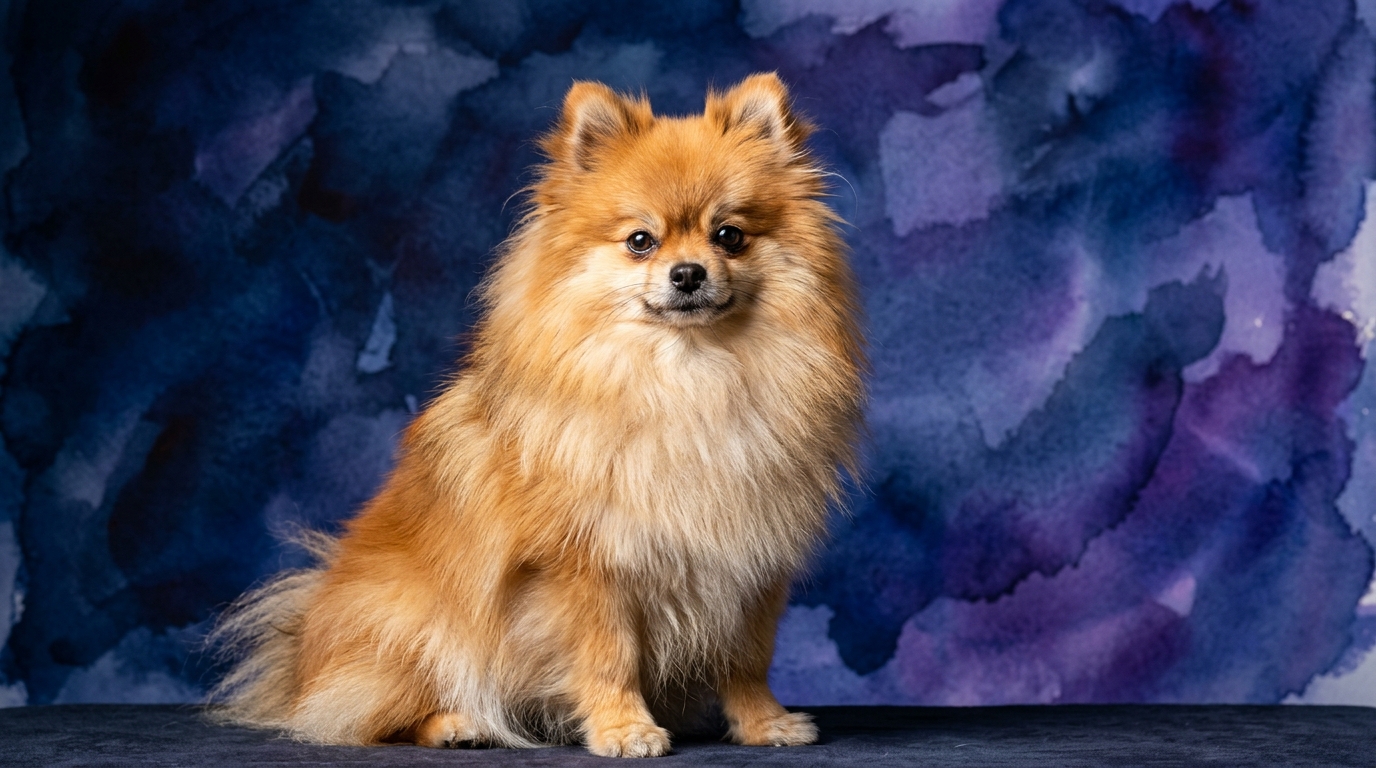
The Cosmic Pet Pet IQ Lab assesses canine intelligence across five critical dimensions, providing a nuanced view beyond simple obedience. For the Pomeranian, ranked #23 by Coren, its cognitive profile reveals a robust mental aptitude. Its Problem Solving score of 4/5 indicates a strong capacity for independent thought and navigating novel situations, often finding creative solutions to obstacles. A Training Speed of 4/5 suggests a rapid grasp of new commands and routines, making learning sessions efficient and rewarding. Social Intelligence, also at 4/5, highlights its excellent ability to interpret human cues and adapt its behavior within social contexts, fostering deep companion bonds. Its Instinctive Drive sits at 3/5, manifesting as a moderate level of inherent behaviors like chasing or guarding, typical for a companion breed with historical alertness roles. Finally, a Memory score of 4/5 means the Pomeranian retains learned information and experiences with impressive longevity, building upon past lessons effectively.
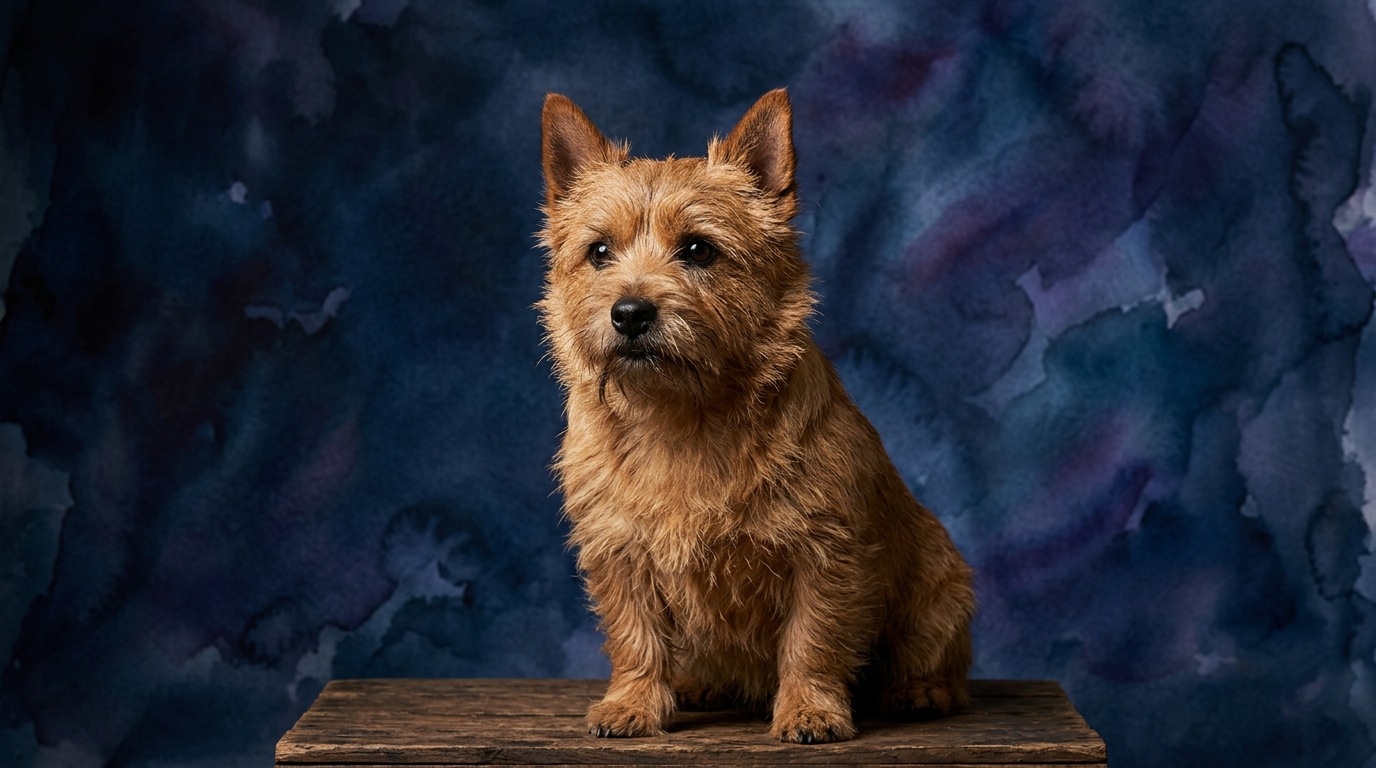
In contrast, the Norwich Terrier, though not Coren-ranked, presents a consistent and balanced cognitive profile, scoring 3/5 across all five dimensions. Its Problem Solving at 3/5 denotes a competent ability to tackle challenges, though perhaps with less spontaneous innovation than a Pomeranian, often relying on learned patterns or persistence. A Training Speed of 3/5 means the Norwich Terrier learns at a steady pace, requiring consistent repetition and patience, but is certainly capable of mastering complex tasks over time. Social Intelligence at 3/5 indicates a good understanding of social dynamics, capable of forming strong bonds, but might exhibit more independence or less overt people-pleasing than some breeds. The Instinctive Drive, also 3/5, is a hallmark of its terrier heritage, manifesting as a strong, purposeful drive for exploration, digging, or tracking, often requiring specific outlets. Its Memory score of 3/5 signifies a reliable retention of information, though perhaps not with the same immediate recall or detail as a breed scoring higher, necessitating regular reinforcement.
Where Pomeranian wins cognitively
The Pomeranian's cognitive strengths distinctly outshine the Norwich Terrier in several key areas. With a Problem Solving score of 4/5 versus the Norwich's 3/5, Pomeranians often display a more inventive approach to overcoming obstacles, whether figuring out how to open a treat-dispensing puzzle or maneuvering around furniture to reach a desired toy. This higher aptitude for novel problem-solving means they are less likely to get stuck in a routine and can adapt more quickly to changing environments. Their superior Training Speed (4/5 vs. 3/5) allows them to pick up new commands and behaviors with remarkable alacrity, often needing fewer repetitions to cement a lesson. This efficiency makes them excellent candidates for advanced obedience or trick training. Furthermore, the Pomeranian's 4/5 Social Intelligence gives them an edge in interpreting subtle human cues, often anticipating owner intentions or emotional states with greater accuracy, leading to a more seamless and intuitive partnership. Lastly, their 4/5 Memory means they retain these complex social learnings and problem-solving strategies for longer, making subsequent training or adjustments easier.
Where Norwich Terrier wins cognitively
While the Norwich Terrier's individual scores don't numerically exceed the Pomeranian's in any single cognitive dimension, its consistent 3/5 across the board, especially in Instinctive Drive, highlights a distinct advantage in specific contexts. The Norwich Terrier's 3/5 Instinctive Drive, rooted deeply in its terrier purpose, translates to an unwavering tenacity and single-minded focus when pursuing a task or scent, a quality that can be harnessed for activities like earthdog trials or focused scent work. While the Pomeranian also scores 3/5 in this dimension, the nature of the Norwich's drive is often more robust and less easily deterred by distractions, reflecting a deep-seated physical and mental resilience characteristic of terriers. This steadfastness, combined with its competent Problem Solving (3/5), means a Norwich, once committed to a task, will work diligently to achieve it, often demonstrating a hardy determination that can be a significant "win" for owners seeking a dog with a strong, purposeful work ethic, even if it takes a bit longer to initially grasp the task. Their balanced cognitive profile suggests a dog that is consistently capable and reliable, without significant cognitive weaknesses, making them robust companions for a variety of challenges.
Which is easier to train and why
Based on The Cosmic Pet Pet IQ Lab's data, the Pomeranian is generally easier to train than the Norwich Terrier. The Pomeranian's Training Speed of 4/5 means it absorbs new information and commands quickly, often requiring fewer repetitions to master a skill. This efficiency is bolstered by its 4/5 Problem Solving ability, allowing it to understand the why behind a command or the desired outcome of an action more readily. Furthermore, the Pomeranian's high Social Intelligence (4/5) makes it more attuned to its owner's desires and feedback, fostering a strong desire to please and cooperate during training sessions. They are often highly motivated by praise and positive reinforcement, making the training process a joyful collaboration.
In contrast, the Norwich Terrier's 3/5 Training Speed suggests a more moderate learning pace. While certainly trainable, they may require more consistent repetition and patience from their owner. Their 3/5 Social Intelligence, combined with their strong terrier independence and 3/5 Instinctive Drive, means they might be less inherently motivated by human approval alone and more driven by their own curiosity or prey instincts. This doesn't mean they are untrainable; rather, it implies that owners must be creative, consistent, and highly engaging to capture and maintain a Norwich's attention, often needing to work with their terrier nature rather than against it. They might respond better to training methods that incorporate their natural drives, such as scent games or agility, rather than purely obedience-focused drills.
Which suits active owners vs relaxed owners
For owners seeking a companion that can thrive in a more relaxed home environment, the Pomeranian often presents a suitable option, provided their mental stimulation needs are met. Despite their spirited demeanor, their physical exercise requirements are moderate, making them content with regular walks and indoor play. Their high Problem Solving and Social Intelligence mean they relish mental challenges like puzzle toys, learning new tricks, or engaging in interactive games, which can fulfill their cognitive needs even if daily physical activity isn't intense. A relaxed owner who enjoys consistent, engaging mental interaction rather than strenuous outdoor adventures will find the Pomeranian a delightful and adaptable companion.
The Norwich Terrier, with its consistent 3/5 Instinctive Drive and terrier heritage, is generally better suited for more active owners who can provide outlets for its robust energy and curiosity. While not needing marathon runs, they thrive on purposeful activity, enjoying brisk walks, hiking, or structured play sessions that allow them to explore and engage their senses. Their balanced cognitive profile means they benefit greatly from activities that challenge both their body and mind, such as earthdog, agility, or scent work, which tap into their natural drives. An active owner who enjoys outdoor adventures or structured dog sports will appreciate the Norwich's spirited enthusiasm and hardiness. While they can certainly enjoy downtime, neglecting their need for activity and mental engagement can lead to boredom and potentially undesirable behaviors.
The Verdict
Choose the Pomeranian if you appreciate a quicker learner, a highly socially attuned companion, and a dog that excels in mental challenges with moderate physical demands.
Opt for the Norwich Terrier if you seek a resilient, tenacious companion with a consistent work ethic, and you are prepared to engage their robust terrier instincts with consistent, purposeful activities.
🧠 Find Your Pet's IQ Score
Our Pet IQ Lab assessment covers 25+ tests across 5 cognitive dimensions — personalized to your breed.
Take the Full IQ Test →Frequently Asked Questions
Are Pomeranians good for first-time dog owners?
Yes, Pomeranians can be excellent for first-time owners due to their high training speed and social intelligence, making them relatively easy to teach and bond with. Their moderate exercise needs also simplify their care, provided mental stimulation is consistently offered.
Do Norwich Terriers bark a lot?
Norwich Terriers can be prone to barking, a trait rooted in their terrier instincts to alert and express themselves. While not excessive for all individuals, consistent training and early socialization are crucial to manage this vocal tendency effectively.
How do these breeds perform in dog sports?
Pomeranians, with their agility and quick learning, can excel in obedience, rally, and trick training. Norwich Terriers, leveraging their tenacity and drive, often shine in earthdog, agility, and scent work, where their natural instincts are put to good use.