Side-by-Side IQ Profile: Pomeranian vs. Pharaoh Hound
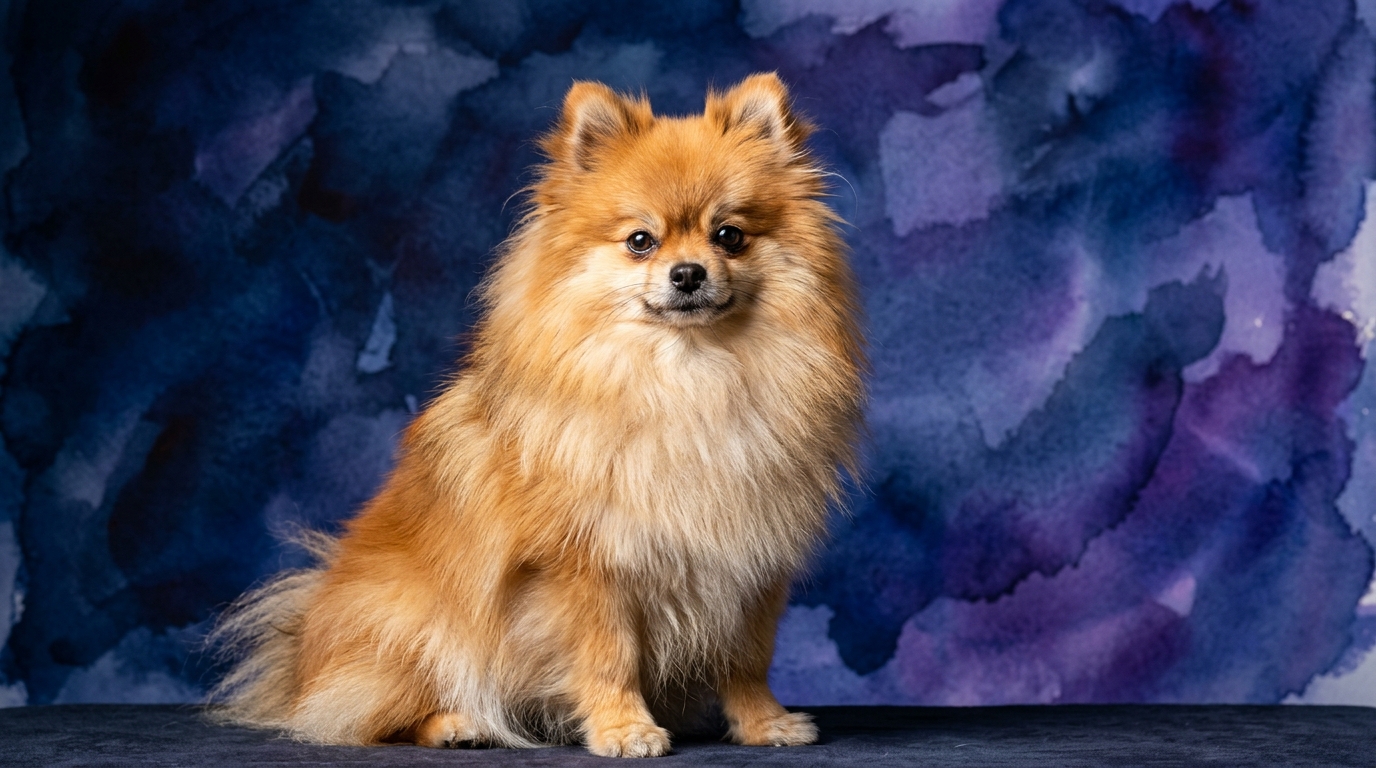
The Cosmic Pet Pet IQ Lab assesses five key dimensions of canine intelligence. The Pomeranian, a member of the Toy group with a Coren ranking of #23, consistently demonstrates a profile geared towards intricate social interaction and quick adaptation to domestic life. Their Problem Solving is rated at 4/5, indicating a strong capacity to figure out puzzles, navigate complex home environments, or even manipulate situations for desired outcomes. Training Speed also scores 4/5, suggesting a quick grasp of commands and a readiness to learn new tasks. Social Intelligence stands at 4/5, highlighting their adeptness at reading human cues, forming strong bonds, and thriving in varied social settings. Their Instinctive Drive is 3/5, reflecting a typical companion dog's tendencies, which might include alertness and some territorial barking, but generally not a powerful prey drive. Finally, their Memory is 4/5, allowing them to recall routines, learned behaviors, and past interactions with considerable accuracy.
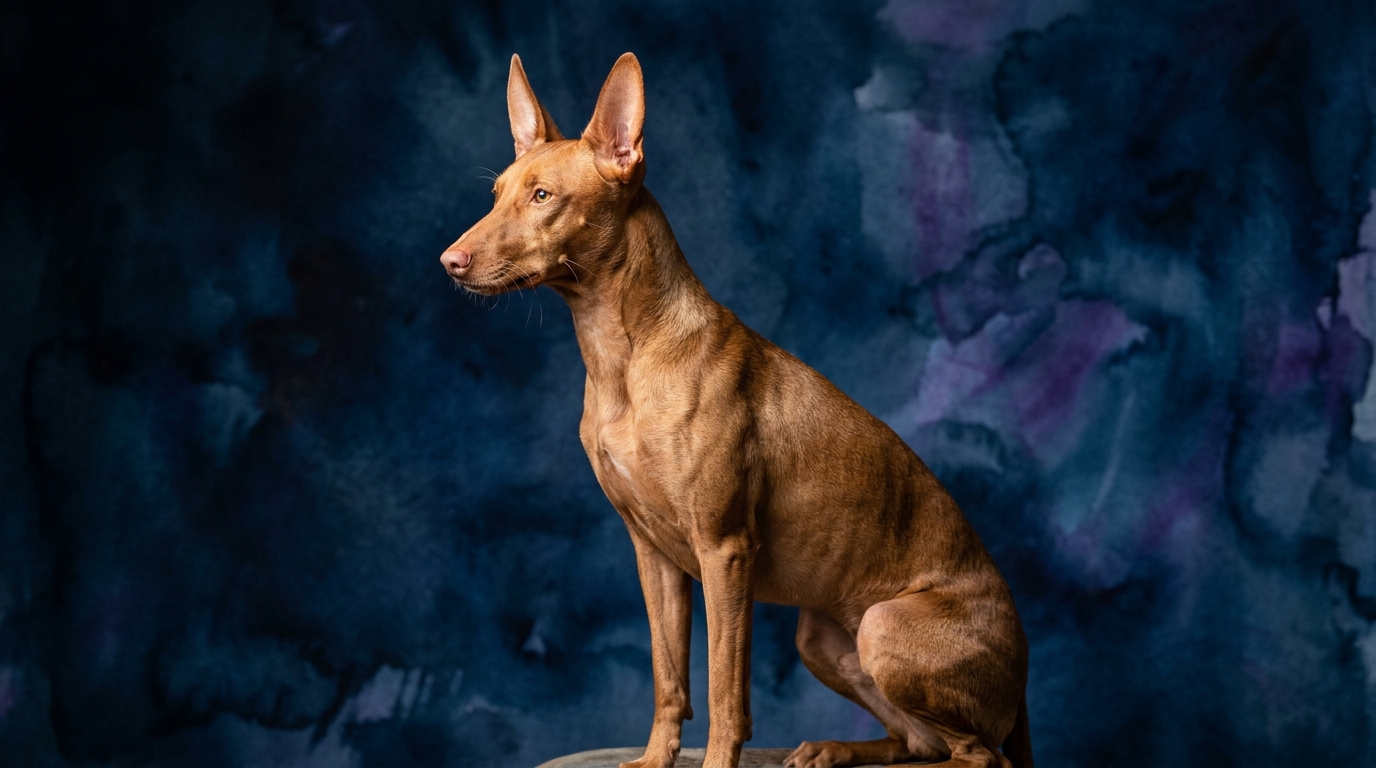
In contrast, the Pharaoh Hound, a dignified member of the Hound group and not ranked on the Coren scale, presents a cognitive profile shaped by centuries of independent hunting. Their Problem Solving is rated 3/5, indicating an aptitude for figuring out challenges primarily related to pursuit and navigation in open environments, rather than human-centric puzzles. Training Speed is 3/5, suggesting they can learn, but often require more patience and motivation due to their independent nature. Social Intelligence is 3/5; while affectionate with their families, they tend to be more discerning and can appear somewhat aloof, valuing personal space. Their Instinctive Drive is 3/5, powerfully manifested as a strong sighthound prey drive and an urge to chase, which is deeply ingrained. Their Memory is also 3/5, efficient for recalling hunting routes, specific scents, or the location of prey, but perhaps less focused on intricate human routines.
Where the Pomeranian Excels Cognitively
The Pomeranian's cognitive strengths shine particularly bright in areas demanding close human interaction and adaptability within a domestic setting. Their 4/5 rating in Problem Solving reflects a natural talent for navigating household intricacies, such as figuring out how to open treat containers or signaling their needs with specific behaviors. This isn't merely about basic curiosity; it's a sophisticated application of trial-and-error combined with observation, often aimed at engaging their human companions. Their high Social Intelligence (4/5) further enhances this, allowing them to quickly interpret human moods and intentions, making them exceptionally responsive to their owners' emotional states and social cues. This capacity for nuanced social understanding translates into a companion that feels deeply attuned to the family unit.
Furthermore, the Pomeranian's 4/5 in Training Speed and Memory gives them a distinct advantage in acquiring and retaining a broad repertoire of commands and tricks. They typically grasp new concepts swiftly and remember them enduringly, making them adept at advanced obedience or even dog sports that require precision and a complex sequence of actions. Their eagerness to participate and their focused attention during learning sessions contribute significantly to this success. This combination of quick learning, reliable recall, and strong social connection means they are often highly trainable for a wide array of human-directed activities, thriving on the mental engagement these tasks provide.
Where the Pharaoh Hound's Cognitive Profile Shines
While the Pharaoh Hound's IQ scores may appear lower across the board compared to the Pomeranian, their cognitive profile is exquisitely adapted for their historical role, showcasing a different kind of brilliance. Their 3/5 rating in Problem Solving, for instance, isn't about figuring out human puzzles, but about independent decision-making in pursuit. This translates to an acute ability to assess terrain, predict prey movements, and navigate complex outdoor environments with minimal human intervention, demonstrating a self-reliant intelligence crucial for a sighthound. They excel at processing visual stimuli at a distance and formulating rapid, effective strategies to cover ground.
The Pharaoh Hound's 3/5 Social Intelligence also highlights a unique strength: a discerning, independent affection. They form strong bonds, but often on their own terms, offering a deep, quiet companionship that many find appealing. This isn't a deficit in connection but a preference for respectful, less demanding interaction, showcasing an emotional intelligence that values individual space and nuanced communication. Their 3/5 Instinctive Drive is a powerful asset in activities that tap into their innate prey drive, such as lure coursing, where their focus, speed, and strategic thinking are paramount. In these contexts, their memory (3/5) is highly efficient for recalling specific course layouts or the scent trails of past pursuits, demonstrating a specialized cognitive recall perfectly suited to their heritage.
Which is Easier to Train, and Why?
Based on their respective IQ profiles, the Pomeranian is generally considered easier to train than the Pharaoh Hound. The Pomeranian's 4/5 Training Speed and 4/5 Social Intelligence mean they are typically eager to please, quick to grasp new commands, and highly motivated by human approval and interaction. They tend to maintain focus during training sessions and are less prone to independent distractions, making them responsive to traditional positive reinforcement methods. Their higher memory score also ensures that once a command is learned, it is retained effectively, leading to consistent performance.
The Pharaoh Hound, with a 3/5 Training Speed and 3/5 Social Intelligence, presents a different training challenge. While capable of learning, their independent nature and strong instinctive drives can make them less inclined towards repetitive drills or tasks that don't immediately appeal to their inherent motivations. Their sighthound heritage means they are easily distracted by movement or distant objects, requiring a highly engaging, consistent, and reward-based approach to maintain their attention. Training a Pharaoh Hound demands patience, creativity, and a deep understanding of their unique motivations, recognizing that their compliance comes from a place of respect and engagement rather than an inherent desire to please. Owners must acknowledge their independence and work with it, rather than against it, for successful outcomes.
Which Suits Active Owners vs. Relaxed Owners?
The choice between a Pomeranian and a Pharaoh Hound also significantly depends on an owner's lifestyle and activity levels. A Pomeranian can comfortably suit a range of owners, including those with a more relaxed lifestyle, provided their mental stimulation needs are met. While they enjoy regular walks and playtime, their exercise requirements are moderate. Their high social intelligence and problem-solving skills mean they thrive on indoor games, puzzle toys, and consistent training, making them excellent companions for individuals or families who prefer engaging in cognitive activities rather than extensive physical exertion. They are content to be close companions, participating in daily routines and offering constant interaction.
Conversely, the Pharaoh Hound is unequivocally suited for active owners. Their 3/5 Instinctive Drive, deeply rooted in their sighthound heritage, translates into a significant need for physical exercise and opportunities to run. They require daily outlets for their energy, ideally in securely fenced areas where they can gallop freely or participate in activities like lure coursing. Owners who appreciate long, brisk walks, jogging, or structured dog sports will find a compatible partner in the Pharaoh Hound. A relaxed or sedentary owner might struggle to meet their substantial exercise demands, which, if unmet, can lead to frustration and undesirable behaviors in this athletic and independent breed. Their cognitive profile, geared towards independent pursuit, means they need environments where they can engage these natural aptitudes.
The Verdict
Choose a Pomeranian if you seek a highly interactive, quick-to-learn companion eager to engage in human-centric activities and thrive on close social bonds within a domestic setting.
Opt for a Pharaoh Hound if you are an active owner who values an independent, discerning, and athletic companion, providing ample opportunity for them to express their natural sighthound instincts in open, secure environments.
🧠 Find Your Pet's IQ Score
Our Pet IQ Lab assessment covers 25+ tests across 5 cognitive dimensions — personalized to your breed.
Take the Full IQ Test →Frequently Asked Questions
Are Pomeranians good at dog sports?
Yes, Pomeranians often excel in dog sports like agility and obedience due to their quick training speed, strong memory, and eagerness to engage with their handlers. Their small size and agility make them surprisingly nimble competitors.
Do Pharaoh Hounds need a lot of exercise?
Absolutely. Pharaoh Hounds possess a significant instinctive drive for running and chasing, requiring extensive daily exercise. Securely fenced areas for free running or participation in sighthound-specific activities like lure coursing are crucial to meet their physical and mental needs.
How do their social intelligence scores manifest differently?
The Pomeranian's 4/5 social intelligence typically means they are highly attuned to human emotions and eager to please, seeking constant interaction. The Pharaoh Hound's 3/5 social intelligence results in a more discerning affection; they are deeply loyal and affectionate with their families but often on their own terms, valuing personal space and offering a quieter, independent companionship.