The Cosmic Pet IQ Lab Profiles: Pomeranian vs. Shih Tzu
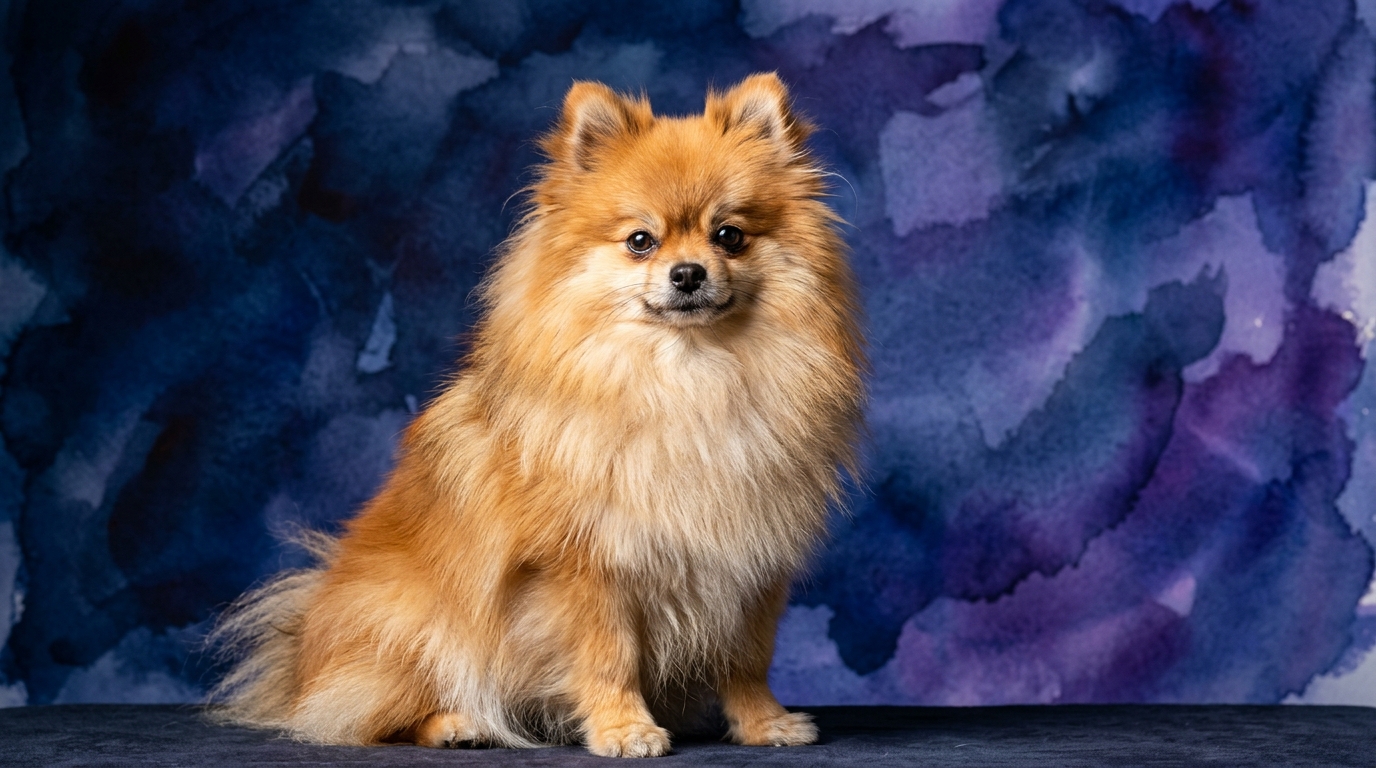
The Cosmic Pet Pet IQ Lab employs a comprehensive five-dimensional framework to assess canine intelligence, moving beyond simple obedience to understand the nuances of each breed's mind. For the Pomeranian, a dog ranked #23 on Coren's scale, the profile reveals a quick-witted and capable intellect. Their Problem Solving is rated 4/5, indicating a strong capacity for navigating novel situations and figuring out puzzles with relative ease, often demonstrating resourcefulness when faced with challenges. A Training Speed of 4/5 means they typically grasp new commands and routines with impressive alacrity, responding well to consistent, positive reinforcement. Social Intelligence at 4/5 suggests they are adept at reading human cues and interacting appropriately within a family dynamic, though they often retain a spirited independence. Their Instinctive Drive, scored at 3/5, points to a moderate level of inherent behaviors like chasing or alerting, which can be channeled effectively through engaging activities. Finally, a Memory score of 4/5 implies they retain learned behaviors and routines effectively over time, making past lessons stick and contributing to consistent performance.
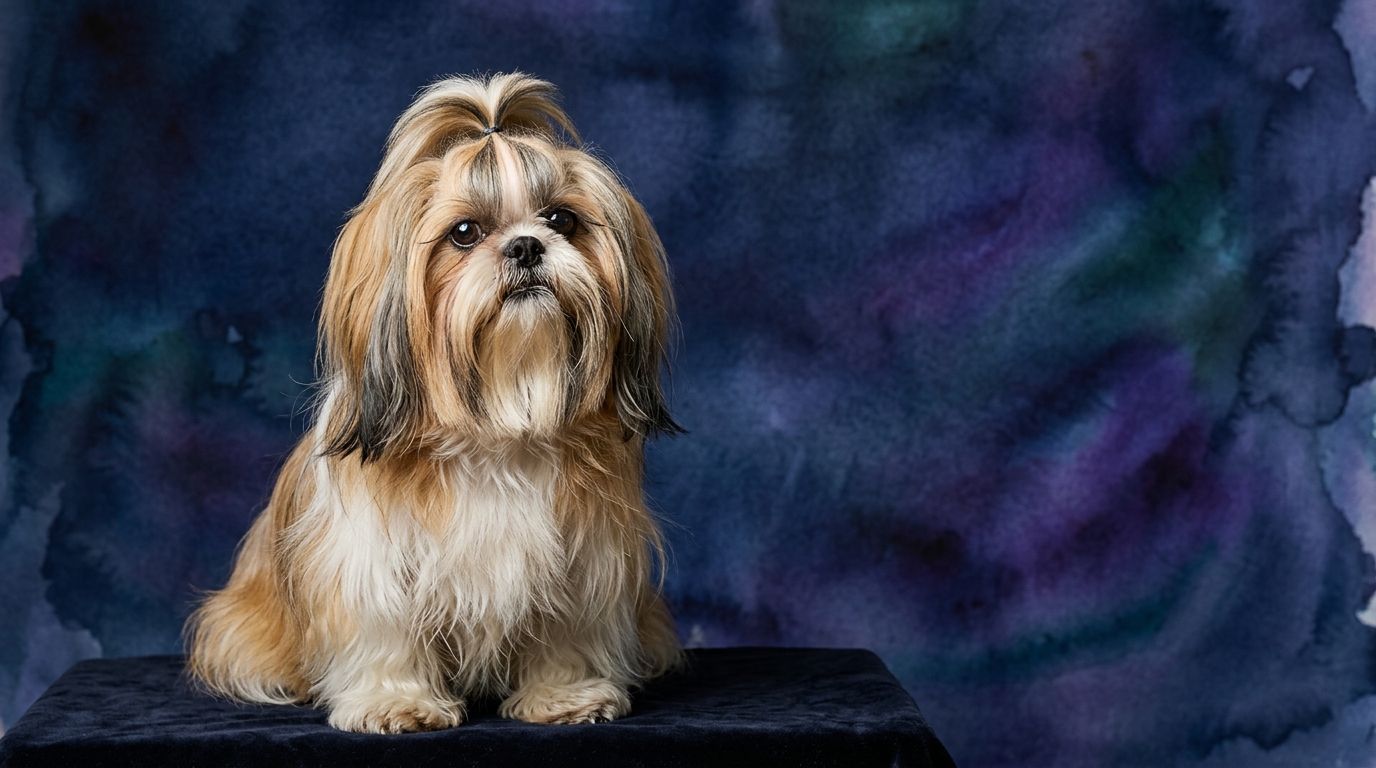
In contrast, the Shih Tzu, ranking #70 on Coren's list, presents a cognitive profile that emphasizes social connection and a more relaxed approach to structured learning. Their Problem Solving at 3/5 suggests they can solve straightforward issues but might require more guidance for intricate challenges, often preferring to rely on human assistance rather than independent strategizing. A Training Speed of 2/5 indicates they may require more patience and repetition during training sessions, learning at their own deliberate pace and sometimes needing extra motivation. However, their outstanding Social Intelligence at a perfect 5/5 highlights their exceptional ability to connect with people, understand emotional nuances, and thrive in a family setting, often acting as intuitive, empathetic companions. An Instinctive Drive of 2/5 implies a lower propensity for independent hunting or guarding behaviors, making them generally placid and content house pets. Their Memory at 3/5 means they retain information, but consistent reinforcement helps solidify their learning over longer periods, particularly if the learning is linked to positive social interaction.
Where the Pomeranian's Mind Excels
The Pomeranian's cognitive strengths distinctly shine in areas requiring quick processing, adaptability, and independent thought. With a Problem Solving score of 4/5, these small but spirited dogs often demonstrate a remarkable aptitude for figuring things out, whether it's navigating a new environment, solving a puzzle toy to retrieve a treat, or understanding complex sequences of events. This capacity for independent reasoning is further supported by their Training Speed of 4/5, meaning they typically pick up new commands and routines with impressive alacrity, making them rewarding students for dedicated trainers. Their Coren rank of #23 places them among breeds that understand new commands quickly and obey them a high percentage of the time, suggesting a strong ability to link cause and effect, often with just a few repetitions. Furthermore, a Memory score of 4/5 ensures that once a lesson is learned, it tends to stick, contributing to their consistent performance in trained behaviors and their ability to recall complex tricks or routines even after a break. This combination of swift learning, good retention, and a knack for problem-solving makes the Pomeranian a cognitively agile companion, capable of engaging in more complex activities like obedience trials, agility sports, or even learning multiple elaborate tricks.
The Unique Cognitive Strengths of the Shih Tzu
While the Pomeranian excels in certain areas, the Shih Tzu’s cognitive profile emphasizes a different, equally valuable form of intelligence: profound social acumen. Their perfect 5/5 score in Social Intelligence is a testament to their exceptional ability to read human emotions, respond to subtle cues, and form deep, intuitive bonds with their families. This isn't just about being affectionate; it's about a sophisticated understanding of social dynamics and a willingness to adapt their behavior to maintain harmony within the household. They thrive on companionship and are adept at communicating their needs and desires through non-verbal cues, often appearing to anticipate their owner's moods or needs. This makes them incredibly empathetic partners who excel at providing emotional support. Their lower Instinctive Drive (2/5) also contributes significantly to their role as a relaxed, peace-loving companion, as they are less prone to independent pursuits like chasing small animals or territorial guarding, preferring instead to be close to their people. This combination means that while they might not be the quickest to learn a complex trick, they are masters of emotional connection and domestic tranquility, offering a unique brand of cognitive strength that enriches the human-animal bond through unparalleled companionship and understanding.
Training Dynamics: Which Breed Learns Faster?
When it comes to formal training, the data from The Cosmic Pet IQ Lab clearly indicates the Pomeranian generally presents an easier and faster learning curve. With a Training Speed of 4/5 and Problem Solving at 4/5, Pomeranians tend to grasp new commands and concepts with remarkable speed. Their inherent curiosity and desire to engage often translate into an eagerness to participate in training sessions, especially when positive reinforcement and engaging methods are consistently applied. They are quick to make associations between commands and actions, and their solid Memory (4/5) ensures these lessons are retained effectively over time, making them excellent candidates for advanced obedience, trick training, or even dog sports. Their spirited nature often means they enjoy the challenge of learning new things and performing for their owners.
In contrast, the Shih Tzu's Training Speed of 2/5 suggests a more gradual learning process. While certainly capable of learning, they may require significantly more patience, repetition, and creative motivation from their owners. Their social intelligence, while high, doesn't always translate into a strong drive for obedience for obedience's sake; they are often more motivated by companionship and comfort, sometimes showing a delightful stubbornness if they don't see the immediate point of a task. This isn't to say they can't be trained effectively, but owners should expect a slower pace and understand that their motivation often stems from pleasing their beloved human and earning affection rather than an inherent drive to perform complex tasks. Real behavioral differences include the Pomeranian's active engagement and willingness to 'show off' what they've learned, while a Shih Tzu might prefer a cuddle on the couch over performing a series of commands, requiring more enticing rewards or a strong emotional connection to maintain focus and compliance.
Lifestyle Match: Active Engagement vs. Relaxed Companionship
Considering their distinct cognitive profiles, the ideal owner for each breed becomes clearer. The Pomeranian, with its higher scores in Problem Solving, Training Speed, and a moderate Instinctive Drive (3/5), thrives with owners who enjoy active engagement and mental stimulation. They are well-suited for individuals or families who want to participate in activities like obedience classes, agility, or even trick training, as their quick wit and moderate energy levels mean they enjoy regular walks, interactive play, and opportunities to use their problem-solving skills, such as with puzzle feeders or new challenges. Owners who appreciate a dog that is eager to learn, participate in varied activities, and enjoys being the center of attention will find a Pomeranian a rewarding and intellectually stimulating companion, capable of keeping pace with a moderately active lifestyle.
Conversely, the Shih Tzu, with its exceptional Social Intelligence (5/5) and lower Instinctive Drive (2/5), is an ideal match for individuals or families seeking a devoted, relaxed companion. They flourish in environments where close human interaction and affection are abundant, preferring to be a constant, gentle presence by their owner's side. While they still benefit from daily short walks and gentle playtime, their primary joy comes from being close to their people, whether lounging on the sofa, accompanying them to social gatherings, or simply offering quiet companionship. Owners who prioritize a dog's emotional connection, gentle demeanor, and ability to seamlessly integrate into a relaxed household will find the Shih Tzu's temperament and cognitive strengths perfectly aligned with their lifestyle. They are content with a less demanding routine and offer unparalleled emotional support and warmth.
The Verdict
Choose a Pomeranian if you seek a cognitively agile companion eager for training challenges, puzzle play, and active participation in your daily life, thriving on mental stimulation and quick learning.
Opt for a Shih Tzu if your priority is an exceptionally socially intelligent, empathetic companion who excels at forming deep emotional bonds and prefers a more relaxed, affectionate lifestyle centered on human closeness.
🧠 Find Your Pet's IQ Score
Our Pet IQ Lab assessment covers 25+ tests across 5 cognitive dimensions — personalized to your breed.
Take the Full IQ Test →Frequently Asked Questions
Do Pomeranians or Shih Tzus bark more?
Pomeranians tend to be more vocal, often using barking as a communication tool due to their spirited nature and moderate instinctive drive to alert to new sights or sounds. Shih Tzus are generally less prone to excessive barking, preferring quieter forms of interaction and often only barking when they feel a strong need to communicate.
Are Shih Tzus stubborn during training?
Shih Tzus can sometimes appear stubborn during training due to their lower training speed and a preference for social interaction and comfort over formal obedience. However, with patience, consistent positive reinforcement, and understanding their motivations, they are certainly trainable and can learn a variety of commands.
Which breed is better with children?
Both breeds can be good with children, but the Shih Tzu's high social intelligence and relaxed demeanor often make them a slightly more patient and gentle companion for respectful children who understand how to interact with small dogs. Pomeranians can also be good but may require more supervision due to their smaller size and more spirited, independent personality.