Side-by-Side IQ Profile
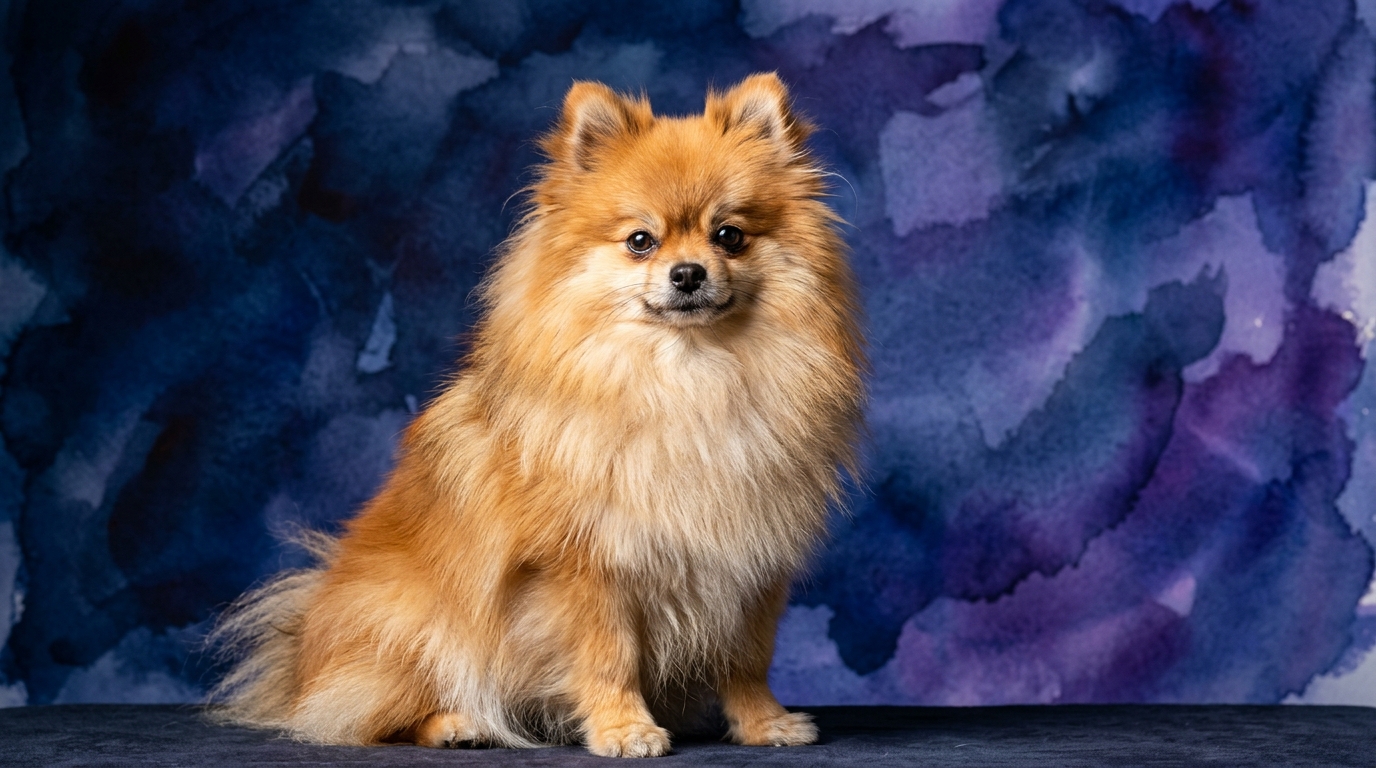
The Pomeranian, a member of the Toy group and holding a respectable Coren rank of #23, presents a robust cognitive profile. Its Problem Solving score of 4/5 suggests a dog capable of navigating complex tasks and adapting to new situations with considerable ease, often finding creative solutions to access desired objects or achieve goals. Training Speed, also at 4/5, indicates a quick learner, eager to absorb new commands and routines, often thriving on positive reinforcement and mental engagement. Social Intelligence, rated 4/5, highlights its proficiency in understanding human emotions and intentions, making it a highly responsive and empathetic companion. Its Instinctive Drive at 3/5 shows a moderate level of inherent behaviors like chasing or guarding, present but generally manageable within a domestic setting. Finally, a Memory score of 4/5 means the Pomeranian reliably retains learned behaviors and routines over extended periods, making consistent training highly effective.
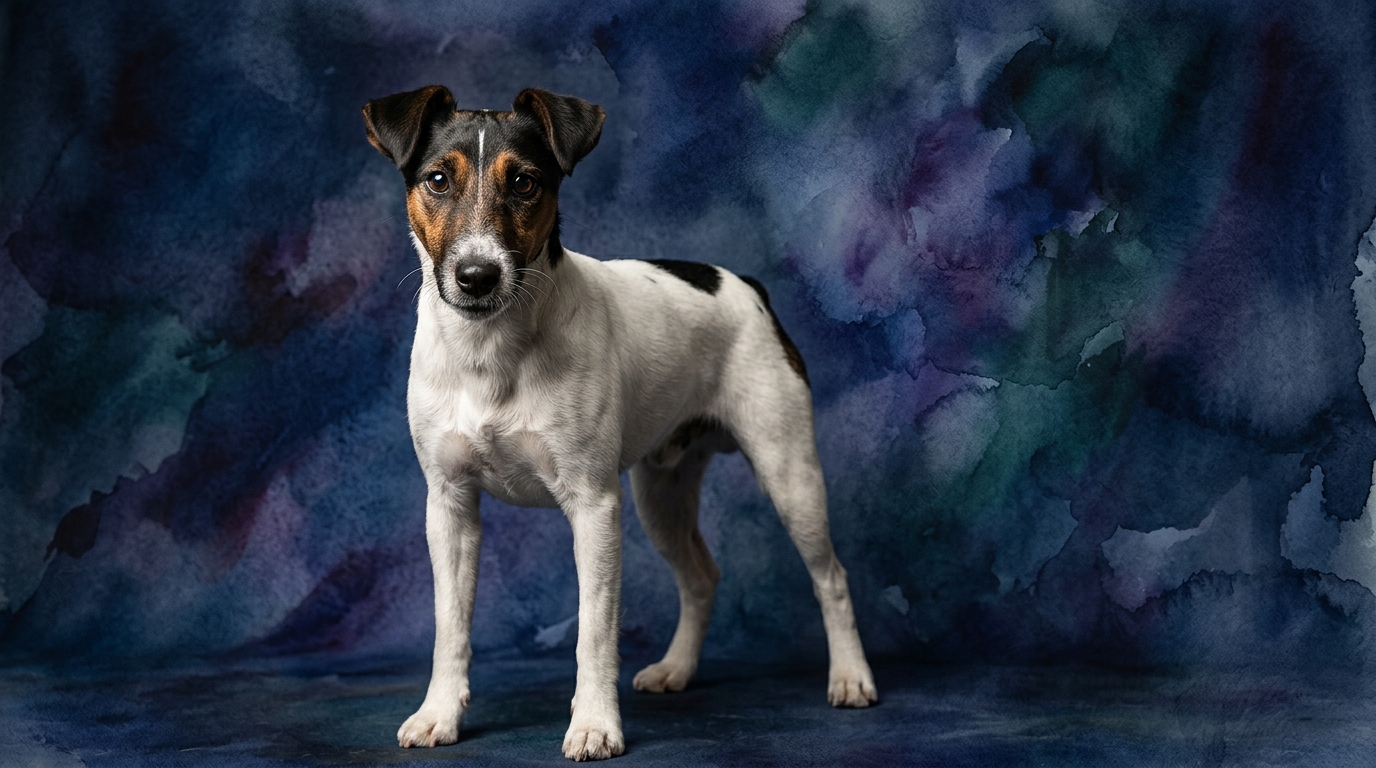
The Smooth Fox Terrier, a dynamic member of the Terrier group, though not Coren-ranked, possesses a distinctive set of cognitive strengths. Its Problem Solving ability is rated 3/5, indicating it can certainly figure things out, particularly when motivated by an innate drive or a tangible reward, though it might not exhibit the same abstract reasoning as higher-scoring breeds. Training Speed at 3/5 suggests it is capable of learning, but often requires more patience and consistency; its independent nature and focus on sensory input can sometimes make it seem less compliant. Social Intelligence, also 3/5, means it forms strong bonds with its family, but its interactions might be more direct and less nuanced than a breed bred purely for companionship, often prioritizing action over subtle social cues. The Instinctive Drive score of 3/5 is significant here, reflecting its strong prey drive, keen scenting ability, and inclination to dig or chase, which are inherent to its terrier heritage and central to its mental make-up. Its Memory, at 3/5, indicates it retains fundamental commands and experiences, but perhaps with less granular detail or across as broad a range of contexts as a dog with a higher score.
Where Pomeranian Wins Cognitively
The Pomeranian truly shines in areas demanding nuanced social understanding and rapid learning. Its 4/5 Social Intelligence means it excels at reading subtle human cues, often anticipating desires or responding to emotional states with remarkable accuracy, fostering a deep, intuitive bond. This breed's 4/5 Problem Solving and Training Speed allow it to master intricate trick sequences or navigate new environments with impressive adaptability, quickly grasping what is expected and how to achieve it. For instance, a Pomeranian is more likely to quickly figure out how to open a child-proof gate through observation, whereas a Smooth Fox Terrier might rely more on trial and error or persistent physical force. Its superior Memory (4/5) ensures that once a command or routine is learned, it sticks, making advanced training and long-term behavioral consistency a more straightforward endeavor.
Where Smooth Fox Terrier Wins Cognitively
While not boasting higher general IQ scores, the Smooth Fox Terrier's cognitive strengths lie in its focused tenacity and application of its Instinctive Drive (3/5). This breed possesses a formidable, single-minded determination when pursuing a goal, particularly one that taps into its terrier heritage like tracking a scent or investigating a burrow. This isn't just a physical trait; it's a cognitive advantage for specific tasks, allowing it to maintain focus and persistence where other breeds might give up. Its Problem Solving (3/5), though moderate, is often applied with an unyielding drive; it might take longer to figure out a puzzle, but its persistence means it will likely keep trying until it succeeds, especially if a perceived "prey" is involved. This focused mental energy makes them exceptionally adept at activities like earthdog trials or agility courses where quick decision-making under high drive is paramount, even if general obedience takes more repetition.
Which Is Easier to Train and Why
Based on The Cosmic Pet Pet IQ Lab scores, the Pomeranian (Training Speed 4/5) is generally easier to train compared to the Smooth Fox Terrier (Training Speed 3/5). The Pomeranian's eagerness to please, coupled with its higher Social Intelligence, means it is typically more attuned to its trainer's intentions and more motivated by human approval. They pick up new commands rapidly, often requiring fewer repetitions, and are generally more forgiving of minor inconsistencies in training methods. In contrast, the Smooth Fox Terrier's independent nature and strong Instinctive Drive can make training a more challenging, albeit rewarding, process. While they are capable of learning, their attention can be easily diverted by interesting scents or movements, and they may decide a command isn't worth their effort if something more stimulating is at hand. Their terrier grit often translates into a "what's in it for me?" attitude, necessitating consistent, highly motivating, and engaging training sessions to maintain their focus and compliance.
Which Suits Active Owners vs. Relaxed Owners
The Pomeranian, despite its vigorous mental capacity, can suit both active and more relaxed owners, primarily due to its smaller size and moderate physical exercise requirements. Its high Social Intelligence and Problem Solving mean it thrives on mental stimulation like puzzle toys, trick training, and interactive play, rather than solely needing extensive physical exertion. A relaxed owner who enjoys teaching new tricks or engaging in interactive games will find the Pomeranian a delightful and mentally fulfilled companion. Conversely, the Smooth Fox Terrier is unequivocally better suited for active owners. Its robust Instinctive Drive and energetic terrier temperament demand consistent physical activity and mental engagement that taps into its natural inclinations. Owners who enjoy long walks, hiking, agility, earthdog trials, or other vigorous outdoor pursuits will find the Smooth Fox Terrier a spirited and enthusiastic partner, whereas a more relaxed owner might struggle to manage its boundless energy and need for purposeful activity.
The Verdict
Opt for a Pomeranian if you seek a companion that excels in social interaction, learns quickly, and thrives on mental challenges and consistent routines, fitting well into diverse home environments with moderate exercise needs.
Select a Smooth Fox Terrier if you are an active individual or family prepared to channel a spirited, tenacious dog's strong instinctive drives into engaging activities and consistent, stimulating training.
🧠 Find Your Pet's IQ Score
Our Pet IQ Lab assessment covers 25+ tests across 5 cognitive dimensions — personalized to your breed.
Take the Full IQ Test →Frequently Asked Questions
Does a Pomeranian's small size mean it has lower cognitive needs?
Not at all; the Pomeranian's 4/5 scores in Problem Solving, Training Speed, Social Intelligence, and Memory indicate a significant need for mental stimulation, regardless of its compact stature. These dogs require engaging activities like puzzle toys and trick training to remain content and prevent boredom.
Is a Smooth Fox Terrier difficult to live with due to its instinctive drive?
While a Smooth Fox Terrier's 3/5 instinctive drive means it possesses strong natural urges for chasing and digging, these traits are manageable and even enjoyable for owners who embrace them. Consistent training, appropriate outlets for their energy, and engaging activities can channel these drives positively, making them spirited and fun companions.
How do the memory scores impact daily life with these breeds?
A Pomeranian's 4/5 memory means it quickly learns and retains household rules and commands, making consistent routines highly effective. A Smooth Fox Terrier's 3/5 memory means it remembers core commands, but might require more frequent refreshers or be more prone to selective recall when highly stimulated by its environment, underscoring the need for ongoing, engaging training.