Side-by-Side Cognitive Profiles: A Closer Look
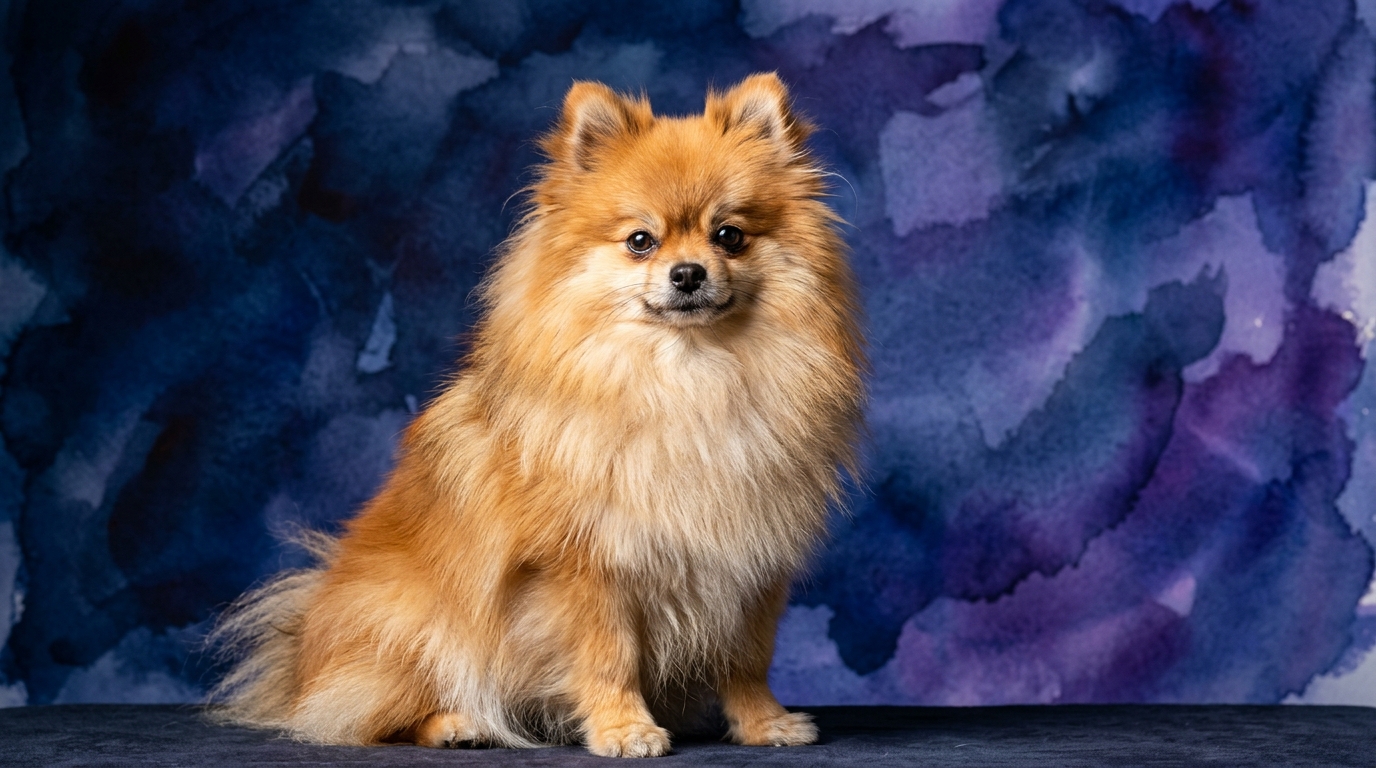
At The Cosmic Pet Pet IQ Lab, we evaluate canine intelligence across five key dimensions. For the Pomeranian, a Toy group dog ranked #23 by Coren, its profile paints a picture of a quick-witted and socially aware companion. Its Problem Solving is rated 4/5, indicating a strong capacity to figure out environmental puzzles or complex scenarios, often surprising owners with their ingenuity. Training Speed also scores 4/5, meaning they absorb new commands and routines with impressive alacrity, making them responsive students. Social Intelligence stands at 4/5, reflecting their keen awareness of human emotions and social dynamics, often adapting their behavior to connect deeply with their families. Their Instinctive Drive is moderate at 3/5, manifesting as alertness and vocalization rather than complex working tasks. Finally, their Memory is 4/5, contributing to consistent performance in learned behaviors and long-term adaptation to household rules.
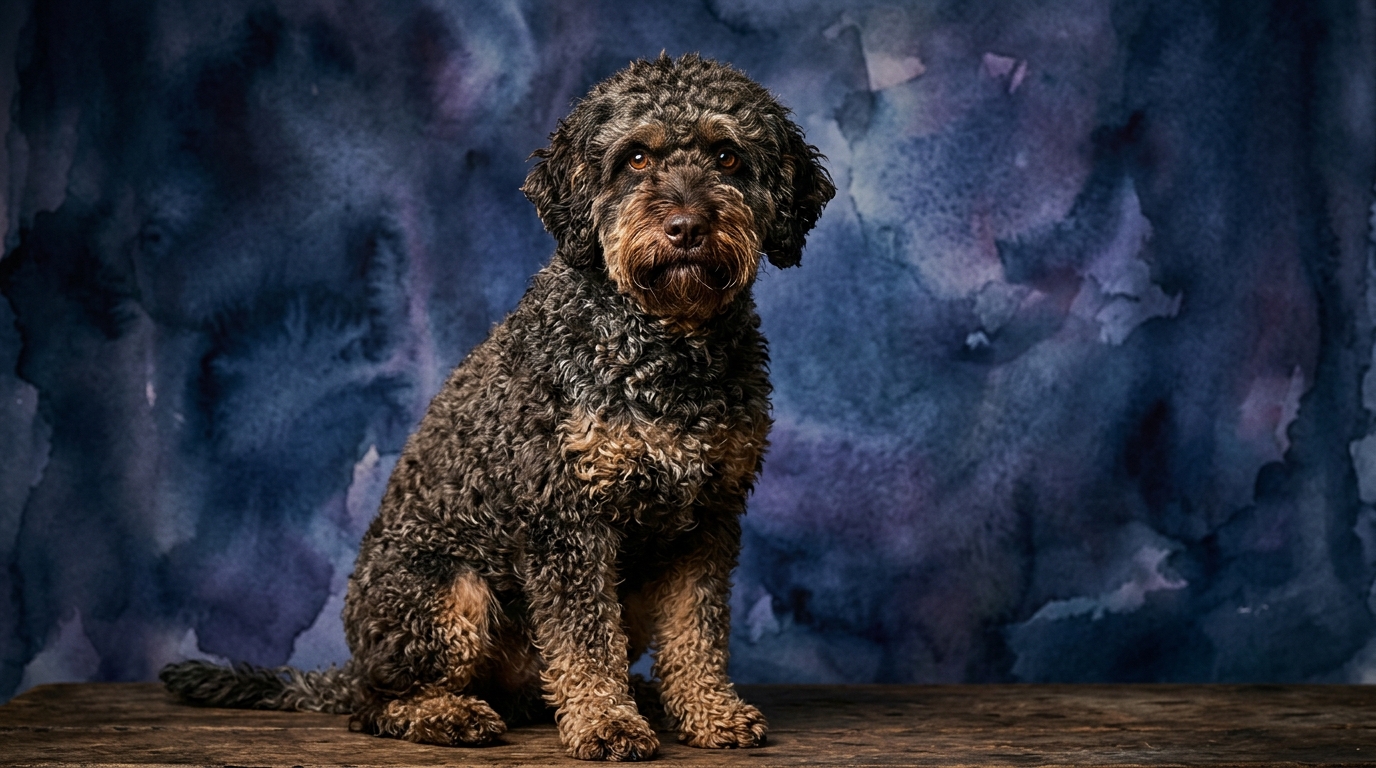
The Spanish Water Dog, a Herding group dog not Coren-ranked, presents a different cognitive landscape, shaped by its working heritage. Its Problem Solving is rated 3/5, suggesting a practical, task-oriented approach to challenges, capable of finding solutions to immediate obstacles, particularly those related to their innate drives. Training Speed is 3/5; these dogs learn effectively when tasks are presented with purpose and consistency, though initial acquisition might be less rapid than some breeds. Social Intelligence also scores 3/5; they form strong bonds and understand their pack structure, with interactions often direct and purposeful. Their Instinctive Drive is a solid 3/5, clearly evident in their natural inclination to herd, gather, and respond to environmental changes. Memory is 3/5, indicating a functional ability to recall commands and routines essential for their work, focusing on relevant information for consistent task performance.
Where the Pomeranian Shines Cognitively
The Pomeranian consistently outscores the Spanish Water Dog in several key cognitive dimensions according to our Pet IQ Lab assessments, demonstrating a broader and more adaptable cognitive toolkit. With a 4/5 in Problem Solving, a Pom might more readily figure out how to access hidden treats or manipulate objects to their advantage by observing and strategizing. This capacity for ingenuity extends beyond simple tasks, allowing them to navigate novel situations with surprising cleverness. Their 4/5 in Training Speed means they quickly grasp new commands and routines, often requiring fewer repetitions to solidify a behavior, making the learning process engaging and efficient. Furthermore, the Pomeranian's superior Social Intelligence (4/5) allows them to be incredibly attuned to subtle human moods and household dynamics, often anticipating needs or reacting to unstated cues, which fosters a deeper, more nuanced bond with their families. This heightened awareness allows them to integrate seamlessly into diverse social settings and respond sensitively to their owners' emotional states, offering comfort or playful distraction as appropriate. Their strong memory ensures that once a behavior, good or bad, is learned, it tends to stick, contributing to their reputation for being quick studies in obedience and agility.
Cognitive Strengths of the Spanish Water Dog
While the Pomeranian might excel in speed and breadth of learning, the Spanish Water Dog brings a different kind of cognitive strength, deeply rooted in its herding lineage. With a robust 3/5 in Instinctive Drive, the SWD possesses a powerful, inherent motivation to work, manage, and organize. This isn't about solving abstract puzzles, but about applying focused, purposeful effort to tangible tasks. For instance, an SWD will instinctively try to 'herd' family members or even objects, demonstrating a natural organizational instinct that is less pronounced in the Pomeranian. Their problem-solving, though rated 3/5, is often practical, persistent, and geared towards achieving a clear, physical outcome, like locating a lost toy in tall grass or navigating a complex terrain during a hike. This breed's intelligence is often expressed through endurance, dedication, and a steady, reliable application of their cognitive abilities rather than flashy, rapid learning. They excel at tasks that require sustained focus and physical engagement, reflecting a deep-seated drive to perform a 'job' and contribute to their family unit with purpose and loyalty. This makes them exceptionally capable in structured working environments or dog sports that align with their herding instincts.
Ease of Training: Behavioral Differences Unpacked
When considering ease of training, the Pomeranian generally presents a more straightforward experience for the average owner. Their 4/5 rating in Training Speed and Memory means they pick up commands quickly and retain them well, often responding enthusiastically to positive reinforcement and clear cues. A Pom's eagerness to please and relatively low instinctive drive (3/5) compared to a working breed means they are often less distracted by external stimuli and more focused on their handler during training sessions. They thrive on interactive learning and can quickly master a wide repertoire of tricks and obedience commands, making them delightful and responsive students in most training scenarios. This natural inclination to engage with their human companions facilitates a smoother and often faster training progression, building confidence in both dog and owner.
In contrast, the Spanish Water Dog, with 3/5 across most cognitive metrics, requires a different training approach. Their strong instinctive drive (3/5) means they need tasks that engage their natural herding instincts and provide a clear purpose; training that feels arbitrary may be met with less enthusiasm. While they are capable learners, their training might require more patience, consistency, and a deeper understanding of their working dog mentality. They are less likely to perform purely for praise and respond better when they feel they are contributing to a 'job' or solving a practical problem. This can manifest as an initial stubbornness or a perceived lack of focus if training lacks purpose or sufficient challenge. Owners must be prepared to provide structured, purposeful training that satisfies their innate desire to work, making the process a partnership rather than simple instruction.
Matching Breed Intellect to Owner Lifestyles
The distinct cognitive profiles of these two breeds naturally align with different owner lifestyles and expectations. The Pomeranian, with its higher scores in problem-solving, social intelligence, and training speed, is an excellent fit for owners who appreciate a companion that is readily engaged in household life and highly responsive to social cues. Their capacity for quick learning and adaptability makes them suitable for owners who enjoy teaching new tricks, engaging in interactive play, and having a dog that can comfortably accompany them to various social settings or simply relax at home. They thrive on mental stimulation that involves interaction and novelty, but without the intense physical demands typically associated with a working dog, making them ideal for more relaxed or apartment-dwelling owners who still desire an intellectually engaging companion.
Conversely, the Spanish Water Dog, with its inherent working drives and practical intelligence, is better suited for active owners who can provide ample physical exercise and, crucially, mental challenges that tap into their herding instincts. Owners who enjoy dog sports like agility, herding trials, or even extensive hiking and swimming will find an SWD a willing and capable partner. Their intelligence is best expressed when given a 'job' to do, whether it's fetching specific items, participating in a structured routine, or guarding the family. A relaxed owner might find an SWD's unmet working drive manifests as restlessness, destructive behaviors, or excessive herding of family members, as their cognitive needs for purpose and engagement are not being adequately fulfilled. They require an owner committed to channeling their robust intellect and energy into productive activities.
The Verdict
Choose a Pomeranian if you seek a highly adaptable, socially astute companion eager to learn tricks and integrate seamlessly into a more relaxed household rhythm. Their quick wit and strong memory make them delightful, responsive partners for interactive engagement.
Opt for a Spanish Water Dog if you are an active owner prepared to channel their robust working drive and practical problem-solving skills into structured activities and purposeful engagement. They thrive with a 'job' and an owner who understands their innate herding nature.
🧠 Find Your Pet's IQ Score
Our Pet IQ Lab assessment covers 25+ tests across 5 cognitive dimensions — personalized to your breed.
Take the Full IQ Test →Frequently Asked Questions
Does a Pomeranian's small size limit its cognitive abilities?
Not at all; the Pomeranian's cognitive scores, particularly in problem-solving and memory (both 4/5), demonstrate a robust mental capacity independent of its physical stature. They often surprise owners with their ingenuity and quick learning, proving that brainpower isn't dictated by size.
How does the Spanish Water Dog's 'instinctive drive' impact daily life?
The Spanish Water Dog's instinctive drive (3/5) means they possess a natural inclination to herd and work, which can manifest as trying to gather family members or possessions. This drive requires appropriate outlets like structured play or dog sports to prevent it from becoming misdirected in the home.
Can a Spanish Water Dog be a good family pet despite its working background?
Absolutely, a Spanish Water Dog can be a devoted family pet, especially when their cognitive and physical needs are met. Their social intelligence (3/5) allows them to bond strongly, but consistent training and engaging activities are crucial for them to thrive and be well-adjusted companions.