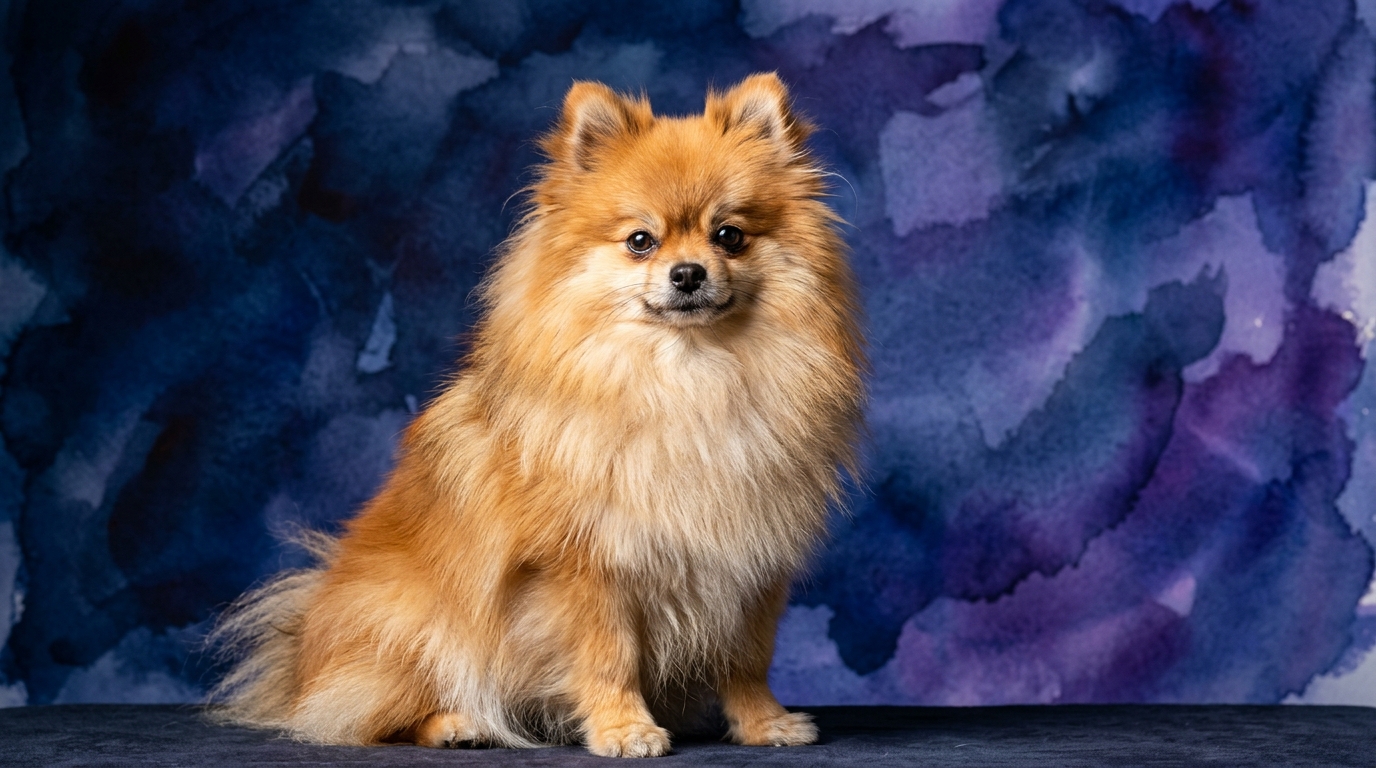
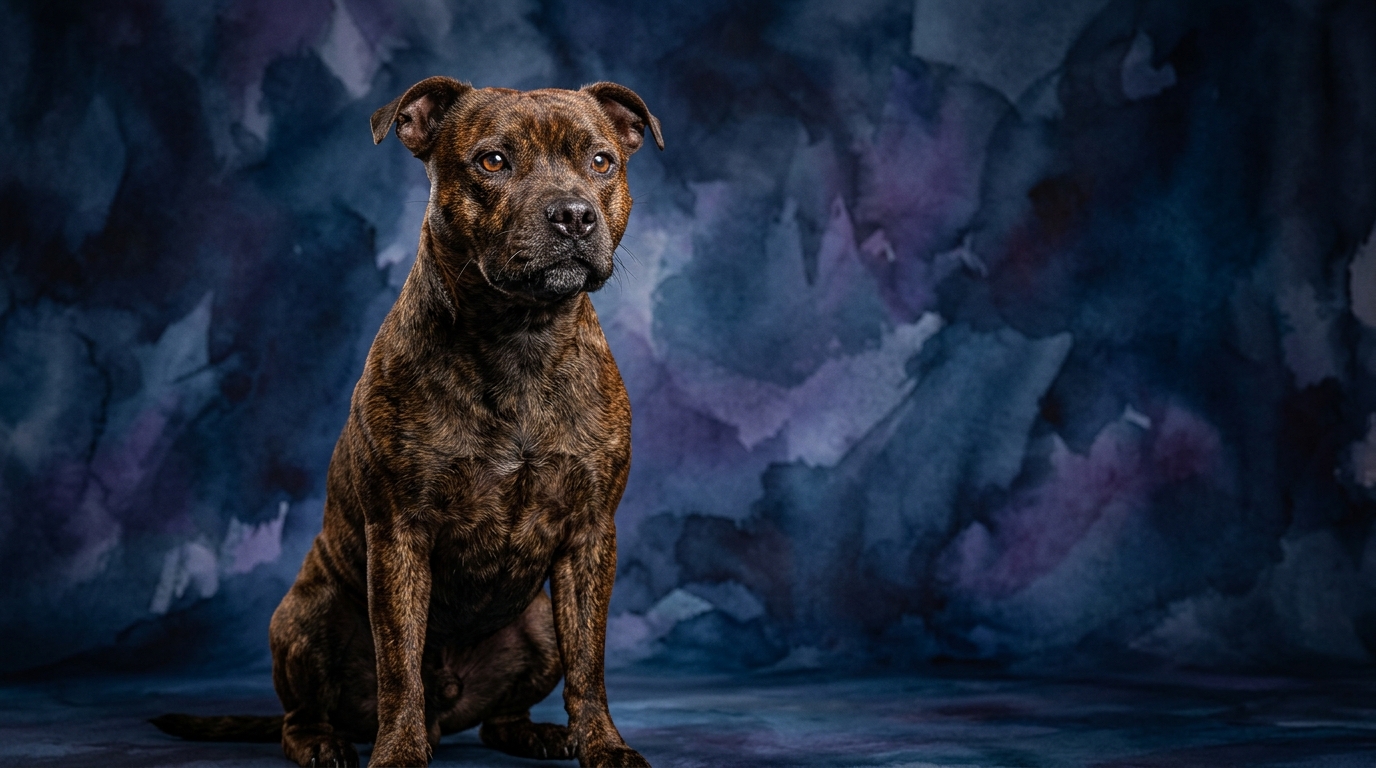
Side-by-Side IQ Profile: Pomeranian vs. Staffordshire Bull Terrier
At The Cosmic Pet Pet IQ Lab, we analyze five key dimensions of canine intelligence to provide a nuanced understanding of each breed’s cognitive strengths. For the Pomeranian, a Toy breed with a Coren ranking of #23, its profile paints a picture of quick-wittedness and social perceptiveness. Its Problem Solving is rated at 4/5, indicating an agile mind capable of navigating complex situations, such as figuring out how to access a coveted treat or manipulating objects to its advantage. Training Speed also scores 4/5, reflecting its eagerness and capacity to quickly grasp new commands and routines, often thriving on mental challenges presented during learning sessions. Social Intelligence stands at 4/5, highlighting its keen awareness of human emotions and social cues, allowing it to communicate effectively and often charmingly influence its environment. Its Instinctive Drive is 3/5, encompassing a moderate prey drive characteristic of its spitz heritage, alongside a protective instinct for its family unit. Lastly, Memory is rated 4/5, showing a strong ability to recall commands, associate people with experiences, and remember specific locations or routines.
The Staffordshire Bull Terrier, a robust Terrier breed not listed in Coren’s rankings, presents a different, yet equally compelling, cognitive blueprint. Its Problem Solving is rated 3/5; while capable, this breed often approaches challenges with persistence and physical engagement rather than intricate strategizing, such as pushing through a barrier rather than finding a subtle workaround. Training Speed is 3/5, suggesting a steady learning pace that benefits greatly from consistent, positive reinforcement and engaging methods, as they can sometimes exhibit a tenacious focus. Social Intelligence also scores 3/5, signifying a deep, albeit less overtly nuanced, connection with its human family, characterized by loyalty and a desire for close interaction, though it may interpret social cues more directly. Its Instinctive Drive is 3/5, reflecting the typical terrier drive for engaging play and a moderate prey instinct, often channeled into vigorous activities. Memory is 3/5, indicating a good recall for established routines and familiar faces, though potentially requiring more repetition for complex command sequences than some other breeds.
Where the Pomeranian Shines Cognitively
The Pomeranian’s cognitive profile demonstrates a clear advantage in areas requiring mental agility and nuanced social understanding. With a Problem Solving score of 4/5, these small dogs are adept at assessing their surroundings and devising clever solutions, whether it’s finding a way to reach a high perch or unraveling a puzzle toy with impressive speed. This isn't brute force; it's often a calculated approach, leveraging observation and trial-and-error with remarkable efficiency.
Their Training Speed of 4/5, coupled with their high Social Intelligence (4/5), means Pomeranians often pick up complex cues and sequences rapidly. They excel in activities like competitive obedience or trick training, where their ability to quickly associate actions with rewards and understand human intentions gives them an edge. This capacity for quick learning and their perceptive nature allows them to engage in sophisticated communication with their owners, often anticipating needs or even subtly directing attention to their desires, showcasing a sophisticated grasp of social dynamics.
Where the Staffordshire Bull Terrier's Cognition Excels
While the Staffordshire Bull Terrier’s numerical scores may appear moderate, their cognitive strengths lie in their profound dedication and tenacity, qualities that are invaluable in certain contexts. Their Instinctive Drive of 3/5, combined with their inherent robustness, translates into a powerful persistence in tasks they are motivated to complete. This isn't just stubbornness; it's a deep-seated drive that, when channeled appropriately, makes them exceptionally resilient and focused on achieving a goal, whether it’s retrieving a specific toy or mastering a physical challenge.
The Staffy’s Social Intelligence (3/5), though not as high as the Pomeranian's, manifests as an unwavering loyalty and an intense desire for human companionship. This deep bond is a significant cognitive asset for training and cooperation, as they are often highly motivated by pleasing their trusted human. Their problem-solving might be more direct, but their dedication ensures they will often see a task through, relying on their physical capabilities and steadfast spirit, which can be a unique form of cognitive strength in practical applications.
Training Dynamics: Ease and Behavioral Differences
When it comes to ease of training, the Pomeranian generally presents a more straightforward experience due to its higher scores in Training Speed (4/5) and Problem Solving (4/5). These dogs quickly grasp new commands and enjoy the mental stimulation of learning, often making training sessions engaging and productive. Their smaller stature also simplifies physical management during early training, and their social perceptiveness helps them tune into their owner's expectations, leading to faster progress in obedience and trick acquisition.
The Staffordshire Bull Terrier, with a 3/5 in Training Speed and Problem Solving, is certainly trainable but often requires a more patient, consistent, and highly motivating approach. Their terrier tenacity means they might require more repetition or varied engagement to maintain focus, particularly if they perceive a task as less rewarding. Leveraging their strong desire for human interaction and play is key, as they are deeply motivated by positive reinforcement and shared activity. While they may not pick up every command with the Pomeranian's speed, their dedication, once engaged, ensures a solid foundation if training is consistent and rewarding.
Matching Breeds to Lifestyles: Active vs. Relaxed Owners
For owners with an active lifestyle, both breeds can find their niche, but the Staffordshire Bull Terrier is arguably a better fit for those seeking a robust, energetic companion for vigorous activities. Their moderate Instinctive Drive (3/5) combined with their physical resilience means they thrive on regular, strenuous exercise, long walks, challenging games, and even dog sports like agility or flyball. They need consistent physical and mental engagement to prevent boredom and channel their energy constructively, making them ideal partners for hiking, jogging, or extended play sessions.
The Pomeranian, while adaptable, can suit a broader range of lifestyles, including more relaxed owners, as long as mental stimulation is provided. Their small size makes them excellent apartment dwellers, and while they enjoy walks and playtime, their exercise needs are generally less intense than a Staffy’s. However, their quick wits and social intelligence mean they still require daily mental engagement through puzzle toys, training refreshers, and interactive play to prevent boredom and ensure a well-adjusted demeanor. They can excel in dog sports that rely on speed and precision, offering an outlet for active owners, but are equally content with indoor games and companionship for less active individuals.
The Verdict
Choose a Pomeranian if you seek a cognitively agile, socially perceptive companion eager for mental challenges and adaptable to various living situations, appreciating their quick learning and nuanced communication. They are ideal for owners who enjoy intricate interactions and a dog that can master complex cues.
Opt for a Staffordshire Bull Terrier if you desire a profoundly loyal, tenacious companion, ready for consistent physical activity and dedicated training, valuing a dog with an unwavering spirit and deep family bond. They are best for owners who appreciate a robust partner and are committed to engaging their dog's energetic and affectionate nature.
🧠 Find Your Pet's IQ Score
Our Pet IQ Lab assessment covers 25+ tests across 5 cognitive dimensions — personalized to your breed.
Take the Full IQ Test →Frequently Asked Questions
Are Pomeranians difficult to train because they are small?
No, Pomeranians are generally not difficult to train; in fact, their 4/5 Training Speed score suggests they pick up commands quickly. Their small size is often an advantage during training, as they are easier to manage physically, and their eagerness to please contributes to their trainability.
Do Staffordshire Bull Terriers have a strong prey drive?
Staffordshire Bull Terriers have a moderate Instinctive Drive (3/5), typical of many terrier breeds, which can include a prey drive. While not as intense as some hunting breeds, it means they might be inclined to chase small animals, so secure leashes and proper recall training are essential for their safety.
Which breed is better for first-time dog owners?
The 'better' breed depends on the first-time owner's lifestyle and commitment. Pomeranians might be easier to manage physically and quicker to train basic obedience, making them a good option for those seeking a less physically demanding pet. Staffordshire Bull Terriers require more consistent exercise and dedicated training to manage their strength and tenacity, making them suitable for active first-time owners prepared for a more robust companion.