Side-by-Side IQ Profile
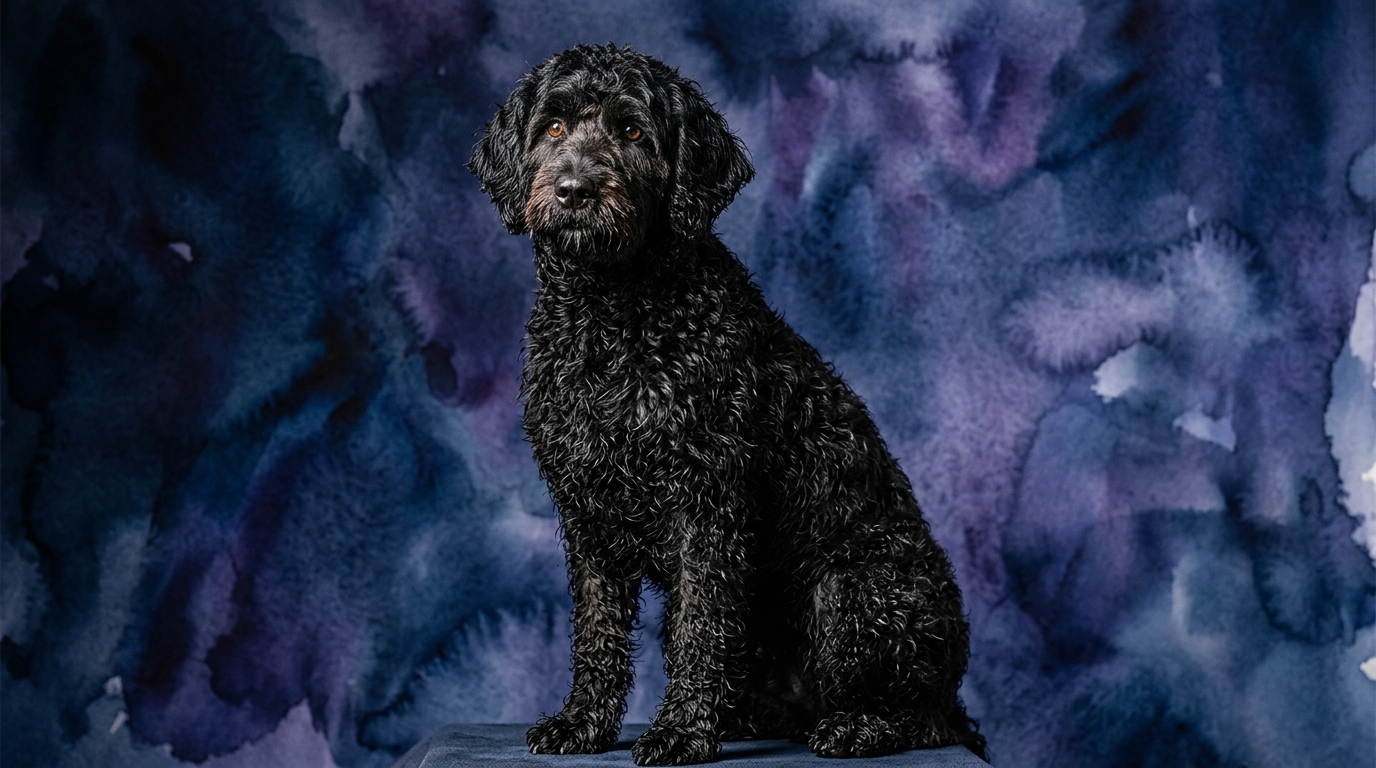
The Cosmic Pet Pet IQ Lab provides a granular look at canine intelligence, moving beyond broad labels to specific cognitive dimensions. For the Portuguese Water Dog, we observe a balanced profile across the board: problem-solving at 3/5, training speed at 3/5, social intelligence at 3/5, instinctive drive at 3/5, and memory also at 3/5. This suggests a dog that is capable, steady, and adaptable, processing information and learning tasks at a moderate, consistent pace. Their social intelligence at 3/5 indicates a good capacity for understanding human cues and forming cooperative bonds, essential for their historical role as a fisherman's companion. The instinctive drive, also 3/5, points to a moderate but well-directed inclination towards their breed-specific tasks, particularly water retrieval and herding.
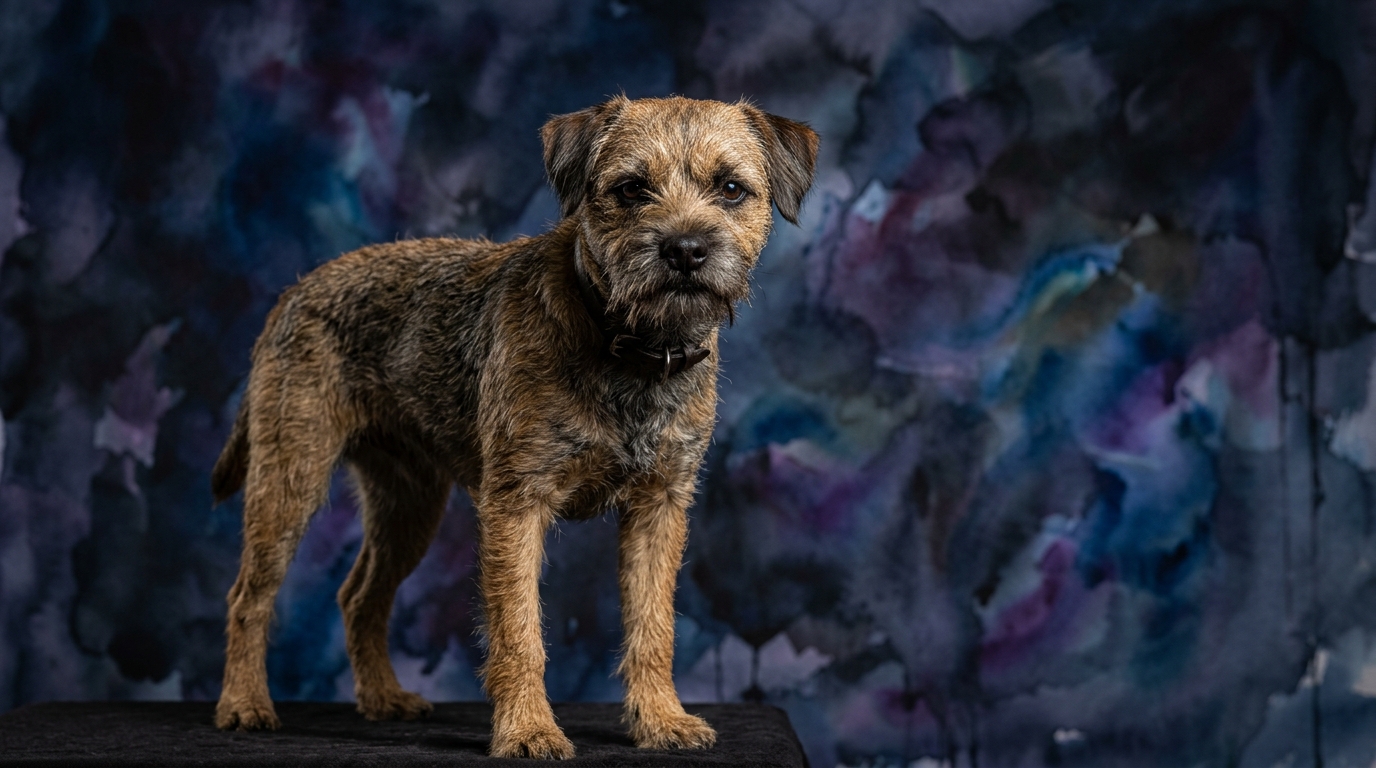
In contrast, the Border Terrier presents a sharper, more specialized cognitive profile. They earn a higher 4/5 in problem-solving, training speed, and memory, signifying a quick grasp of new concepts, a rapid learning curve for commands, and a strong ability to retain information over time. Their Coren rank of #30 among working dogs further underscores this cognitive efficiency, placing them firmly within the top tier for obedience and adaptive intelligence. Social intelligence and instinctive drive for the Border Terrier both register at 3/5. While still good, this reflects a social approach that might be more independent than overtly cooperative, and an instinctive drive keenly focused on their terrier heritage of hunting vermin, which involves tenacity and independent action rather than group-oriented tasks.
Where Portuguese Water Dog Wins Cognitively
While the Border Terrier often outscores the Portuguese Water Dog in raw speed of learning or problem-solving, the PWD's cognitive strengths lie in areas demanding sustained, cooperative effort and nuanced environmental understanding. Their balanced 3/5 scores across all dimensions suggest an adaptability that doesn't rely on explosive intellectual bursts but rather on consistent application and partnership. A PWD might excel in tasks requiring a longer attention span for repetitive work, like assisting a fisherman all day, or complex retrieving sequences that demand a steady, methodical approach rather than quick, independent decision-making. Their social intelligence, while 3/5 like the Border Terrier's, might manifest as a deeper attunement to their handler's emotional state and subtle non-verbal cues, fostering a more symbiotic working relationship. This breed's historical role involved close collaboration with humans in a dynamic environment, suggesting a cognitive framework geared towards partnership and shared objectives, potentially making them more patient with complex, multi-step tasks that benefit from a less impulsive approach.
Where Border Terrier Wins Cognitively
The Border Terrier clearly demonstrates cognitive advantages in areas requiring quick processing, independent thought, and rapid retention. Their 4/5 rating in problem-solving indicates a breed that can quickly assess new situations and devise solutions, often with a tenacious, “figure-it-out” attitude characteristic of terriers. This manifests in their ability to navigate complex environments, escape enclosures, or master puzzle toys with relative ease. Similarly, their 4/5 training speed means they pick up new commands and routines with fewer repetitions than many other breeds, making initial obedience training often a swift process. The 4/5 memory score further reinforces this, suggesting they retain these learned behaviors and solutions effectively over time, reducing the need for constant refreshers. This combination of swift learning, strong memory, and independent problem-solving makes the Border Terrier exceptionally adept at dog sports like agility, where quick decisions and precise execution are paramount, or earthdog trials that leverage their innate drive and cleverness.
Which is Easier to Train and Why
Based on the IQ Lab scores, the Border Terrier (training speed 4/5) generally presents as the easier breed to train in terms of raw command acquisition compared to the Portuguese Water Dog (training speed 3/5). The Border Terrier's higher score indicates they process and internalize new commands more quickly, often requiring fewer repetitions before demonstrating mastery. Their superior problem-solving (4/5) also means they grasp the concept behind an exercise faster, leading to quicker generalization of skills. However, “easier” is multi-faceted. Border Terriers possess a strong instinctive drive (3/5), often rooted in prey drive, which can lead to independent decision-making or distraction if not properly managed. While they learn fast, their focus might be redirected by a scent or movement, necessitating consistent, engaging training methods to maintain their attention. The Portuguese Water Dog, with its 3/5 training speed, will learn effectively but might require more patience and repetition. Their social intelligence (3/5) and historical role as a cooperative partner suggest they are receptive to working with their handler, potentially making them highly motivated by praise and connection. While they may take longer to master a command, their willingness to engage in a partnership can make the overall training journey a rewarding and less confrontational experience, provided the owner is consistent and clear.
Which Suits Active Owners vs Relaxed Owners
Neither the Portuguese Water Dog nor the Border Terrier are suitable for genuinely “relaxed” owners who prefer a sedentary lifestyle. Both breeds possess working dog backgrounds that necessitate significant physical and mental engagement. The Portuguese Water Dog, with its balanced 3/5 instinctive drive and historical aquatic duties, thrives on activities involving water, long hikes, and dog sports like dock diving, obedience, or agility that demand sustained effort and problem-solving. Owners who enjoy outdoor adventures, especially near water, and are prepared for a consistent exercise routine and complex mental tasks will find a highly engaged partner in a PWD. The Border Terrier, while physically smaller, is equally robust and driven. Their 3/5 instinctive drive, combined with superior problem-solving (4/5) and memory (4/5), means they require outlets for their keen minds and bodies. They excel in activities like earthdog trials, agility, flyball, or long, exploratory walks where they can engage their senses and independent spirit. Owners who are active, enjoy challenging their dog with puzzles and varied environments, and appreciate a tenacious, spirited companion will find the Border Terrier a good fit. Ultimately, both breeds demand an active commitment, but the type of activity might differ: PWD leaning towards cooperative, water-centric, and endurance-based tasks, while BT favors independent, scent-driven exploration and quick-witted challenges.
The Verdict
Opt for a Portuguese Water Dog if you seek a cooperative, adaptable partner for sustained activities, particularly those involving water, and appreciate a consistent, methodical learning journey. This breed thrives with owners who value a strong partnership and are prepared for a moderate but steady approach to training and engagement.
Select a Border Terrier if you desire a quick-witted, tenacious companion who learns rapidly and excels at independent problem-solving. This breed suits owners who can provide ample mental stimulation and channel a spirited, exploratory drive into various engaging activities.
🧠 Find Your Pet's IQ Score
Our Pet IQ Lab assessment covers 25+ tests across 5 cognitive dimensions — personalized to your breed.
Take the Full IQ Test →Frequently Asked Questions
Are Portuguese Water Dogs good at problem-solving?
The Portuguese Water Dog earns a 3/5 in problem-solving, indicating a capable but not exceptionally quick ability to figure out novel situations. They approach challenges with a steady, methodical mindset, often benefiting from human guidance rather than immediate independent solutions.
How quickly do Border Terriers learn new commands?
Border Terriers boast a 4/5 in training speed, meaning they typically grasp new commands and routines with remarkable rapidity. Their quick cognitive processing allows them to internalize instructions efficiently, often requiring fewer repetitions than many other breeds.
Which breed requires more mental stimulation?
Both breeds, stemming from working backgrounds, demand significant mental stimulation, but in different ways. The Border Terrier, with higher problem-solving and memory scores, often seeks more independent mental challenges, while the Portuguese Water Dog thrives on cooperative, task-oriented mental engagement.