Side-by-Side IQ Profile: Pug vs. Bearded Collie
The Cosmic Pet Pet IQ Lab provides a detailed lens through which to examine the cognitive architectures of different breeds, revealing how their historical purposes influence their minds. Our analysis of the Pug and the Bearded Collie highlights their unique intellectual strengths and inclinations.
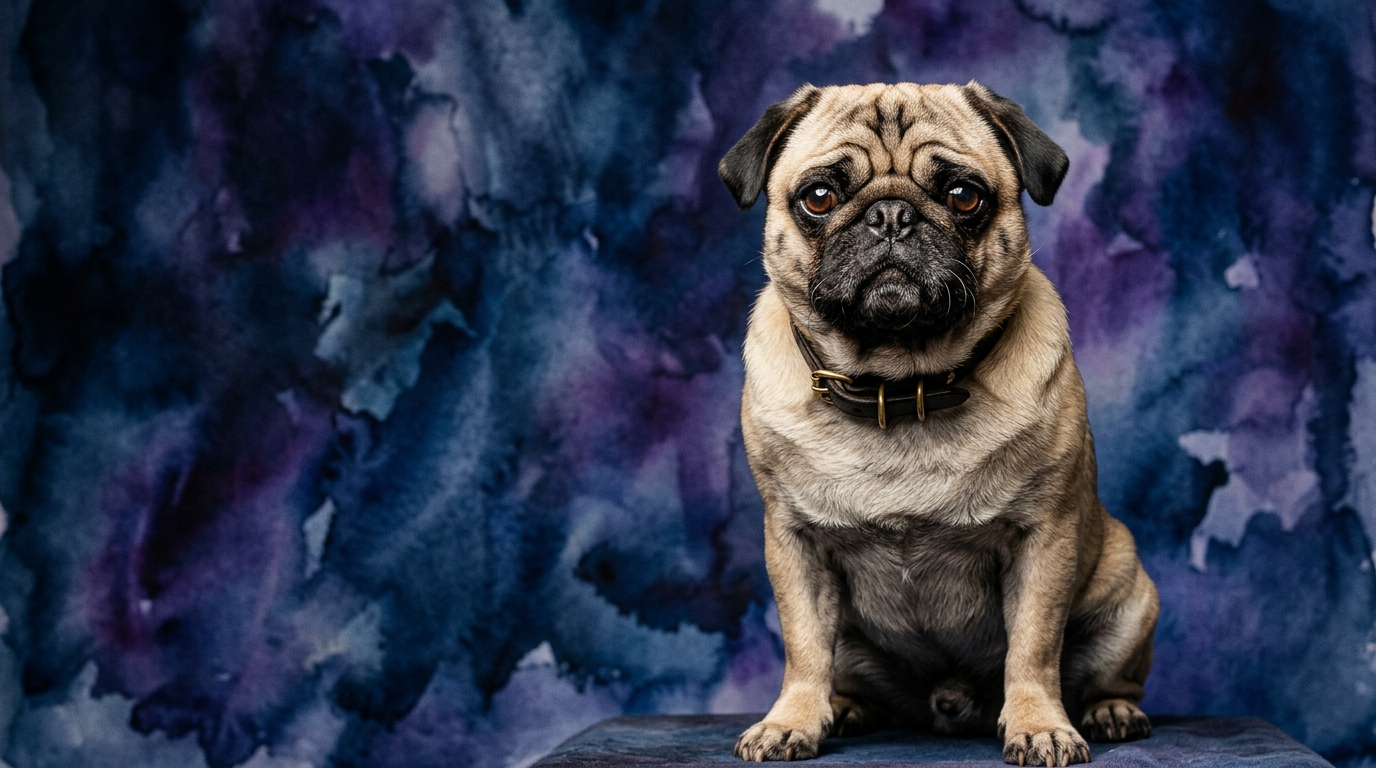
**Pug (Toy Group, Coren Rank #57)**: The Pug, holding a Coren rank of 57, exhibits a cognitive profile meticulously shaped for companionship and human interaction. Their Problem Solving score of 2/5 indicates they are not naturally inclined to independently devise intricate strategies for overcoming environmental challenges or complex puzzles; they typically prefer to rely on their human caregivers for solutions or simply bypass obstacles if possible. This isn't a deficit but a reflection of their historical role, where independent problem-solving wasn't a priority. Training Speed, also at 2/5, suggests that mastering new commands and behaviors often requires a patient, consistent approach with plenty of positive reinforcement, as their attention is more readily captured by social engagement than by repetitive task-oriented learning. The true brilliance of the Pug lies in their Social Intelligence, scoring an exceptional 5/5. This reflects an unparalleled ability to perceive and respond to human emotions, subtle cues, and family dynamics, making them deeply empathetic and intuitive companions. Their Instinctive Drive, rated 2/5, is notably low, meaning they have minimal innate motivation for activities like hunting, herding, or guarding, aligning perfectly with their primary purpose as devoted lapdogs. Memory, at 3/5, is solid and functional, allowing them to readily recall routines, familiar faces, and preferred comfort spots, which contributes significantly to their sense of security and their ability to navigate their social world.
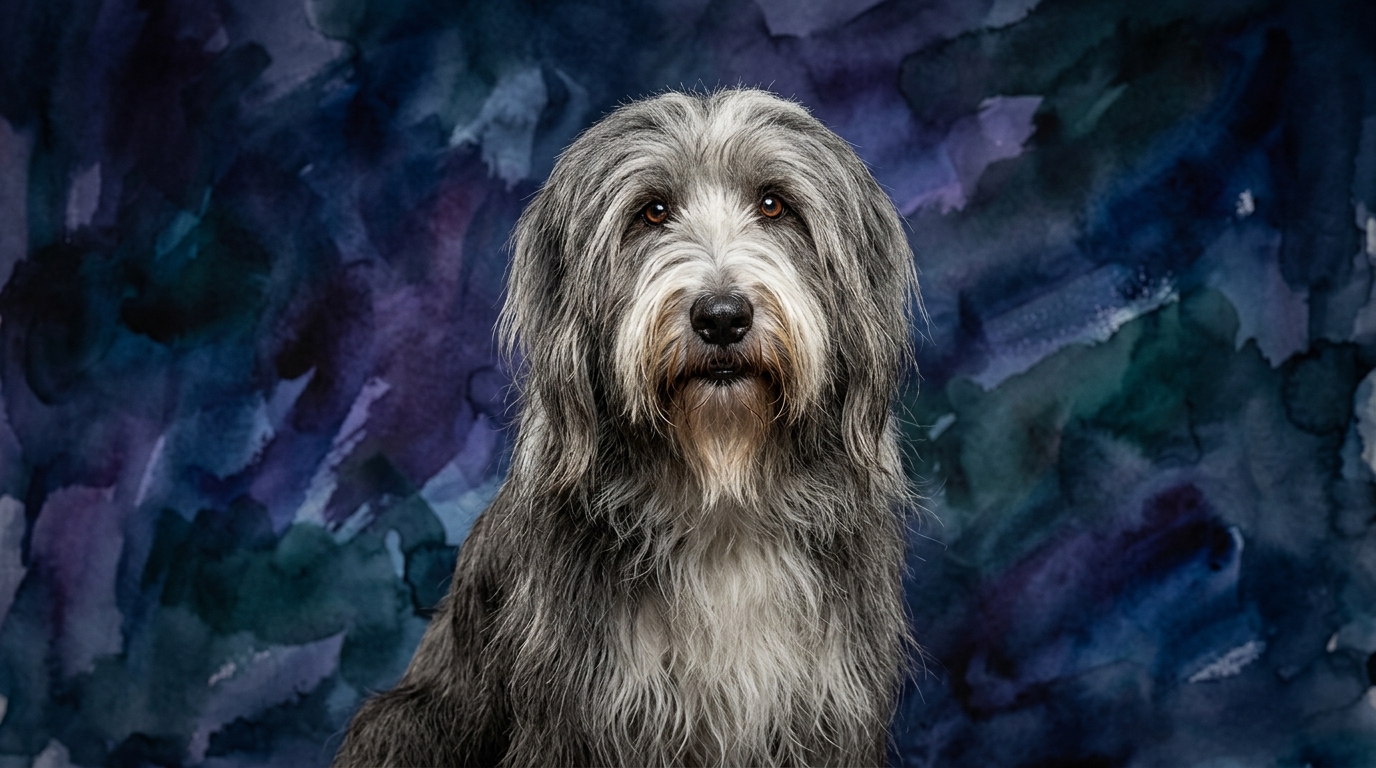
**Bearded Collie (Herding Group, Coren Rank #34)**: The Bearded Collie, with a Coren ranking of 34, presents a cognitive blueprint optimized for active work and a collaborative partnership with humans. Their Problem Solving ability, at 4/5, is robust, demonstrating a strong capacity to analyze novel situations, adapt to changing conditions, and independently strategize solutions, a critical trait for a herding dog navigating unpredictable livestock and varied terrains. This often manifests as a cleverness in figuring out how to open gates or retrieve out-of-reach items. Training Speed, also 4/5, signifies a quick assimilation of new commands and complex sequences, coupled with an eagerness to learn, making them highly responsive and relatively straightforward to teach a wide array of tasks. Social Intelligence, at 3/5, is healthy and functional, enabling them to form strong bonds and understand human intentions, though their social interactions might be more task-oriented than purely emotional compared to a Pug. Their Instinctive Drive, at 3/5, is moderate, reflecting a natural inclination to herd, chase, and engage in purposeful, active behaviors, which requires appropriate outlets to prevent boredom. Memory, at an impressive 4/5, is a significant asset, allowing them to retain extensive training repertoires, recall intricate routes, and remember past events to inform future decisions, all vital for effective herding and performance in dog sports.
Where the Pug Wins Cognitively
The Pug’s most distinguished cognitive triumph is their exceptional Social Intelligence, scoring a perfect 5/5. This isn't merely about being affectionate; it represents a profound capacity to interpret the nuances of human emotions, moods, and intentions with remarkable precision. A Pug might intuitively sense a shift in your emotional state, offering a comforting presence or seeking playful interaction precisely when you might need it most. Their entire cognitive framework appears geared towards understanding and strengthening their bond with humans. This elevated social acumen allows them to seamlessly integrate into any family dynamic, often becoming superb emotional support animals due to their intuitive grasp of human feelings and their ability to respond with targeted affection. They excel at reading subtle facial expressions and body language, making them incredibly attuned companions. While their memory, rated 3/5, is average, it effectively supports their social purpose, helping them recall which individuals are part of their cherished inner circle, remembering routines that lead to positive interactions, and associating specific places with comfort and companionship. This deep, empathetic connection stands in stark contrast to the Bearded Collie's 3/5 in social intelligence, which, while good, is more oriented towards understanding commands and working cooperatively rather than pure emotional resonance.
Where the Bearded Collie Wins Cognitively
The Bearded Collie's cognitive strengths are deeply rooted in their heritage as intelligent, independent herding dogs, particularly evident in their Problem Solving (4/5) and Training Speed (4/5) scores. Their problem-solving abilities are not just theoretical; they manifest in practical applications, such as figuring out how to outmaneuver a stubborn sheep, opening a complex latch, or devising a strategy to retrieve a toy stuck under furniture. This indicates a robust capacity for analytical thought and adaptive behavior in novel situations. This mental agility is complemented by an impressive Training Speed of 4/5, meaning Bearded Collies absorb new commands and complex behavioral sequences with remarkable rapidity. They often require fewer repetitions than many other breeds and tend to generalize learned behaviors efficiently across different contexts. Their strong desire to work in partnership with their human handlers fuels this quick learning, making them enthusiastic and engaged participants in training. Furthermore, their robust Memory (4/5) is a critical asset, allowing them to retain extensive training repertoires, recall intricate routes, and remember past events to inform future decisions, which is indispensable for excelling in demanding dog sports like agility, obedience, and, of course, their traditional herding duties where precision and reliability are paramount.
Which Is Easier to Train and Why
When evaluating ease of training, the Bearded Collie clearly has an advantage, primarily due to its 4/5 score in Training Speed compared to the Pug's 2/5. Bearded Collies possess a natural eagerness to learn and a strong desire to please their handlers, traits directly stemming from their herding heritage where cooperation with humans was essential for survival and success. They tend to pick up new commands and complex routines quickly, often showing a joyful engagement in the learning process. Their higher Problem Solving score also means they are more likely to understand the “why” behind a command or to generalize learned behaviors to new situations without extensive re-training. In contrast, Pugs, with their lower Training Speed, often require more patience, repetition, and motivation, which frequently comes in the form of food rewards or positive social reinforcement. Their cognitive energy is less focused on mastering commands for a task and more on engaging in social interaction. While Pugs can certainly be trained, their independent streak and preference for comfort over rigorous work mean that training sessions need to be kept short, positive, and engaging to hold their attention, making the overall process generally slower and more challenging than with a Bearded Collie.
Which Suits Active Owners vs. Relaxed Owners
The cognitive and behavioral profiles of these two breeds naturally align with different owner lifestyles. The Bearded Collie, with its 4/5 Problem Solving, 4/5 Training Speed, and 3/5 Instinctive Drive, thrives with active owners who can provide consistent mental and physical stimulation. These dogs require more than just a daily walk; they need engaging activities like dog sports, extensive training, herding simulations, or long, varied hikes to satisfy their intelligent minds and moderate drive. An owner who enjoys teaching new tricks, participating in canine activities, or simply exploring the outdoors extensively will find a fulfilling partner in a Bearded Collie. Neglecting their cognitive needs can lead to boredom and potentially destructive behaviors as they invent their own “problems” to solve. Conversely, the Pug, with its 5/5 Social Intelligence and lower scores in drive and problem-solving, is an ideal fit for more relaxed owners who prioritize companionship and indoor comfort. Pugs are content with shorter walks, ample cuddle time, and being a constant presence by their human's side. Their cognitive strength is in emotional connection, making them perfect for individuals or families seeking a devoted, low-key companion who thrives on close interaction rather than strenuous activity. Their primary need is social engagement, not a demanding work schedule.
The Verdict
Opt for a Pug if your lifestyle prioritizes a deeply empathetic, low-activity companion who thrives on close emotional connection and consistent human presence.
Choose a Bearded Collie if you're an active owner seeking an intelligent, trainable partner eager for mental challenges, physical engagement, and collaborative work.
🧠 Find Your Pet's IQ Score
Our Pet IQ Lab assessment covers 25+ tests across 5 cognitive dimensions — personalized to your breed.
Take the Full IQ Test →Frequently Asked Questions
Can Pugs perform complex tricks or agility?
While Pugs can certainly learn tricks and participate in activities like agility, their 2/5 problem-solving and training speed scores mean they'll require more patience and repetition. They are more motivated by social rewards than by the intrinsic challenge of the task itself.
Are Bearded Collies good for first-time dog owners?
Bearded Collies are highly trainable with a 4/5 training speed, but their strong problem-solving and moderate instinctive drive mean they require consistent mental and physical stimulation. A first-time owner prepared for this commitment to training and activity can succeed, but they are not a low-maintenance choice.
How do their social intelligence differences impact household dynamics?
A Pug's 5/5 social intelligence means they are exceptionally attuned to family emotions, often serving as intuitive comfort providers. A Bearded Collie's 3/5 social intelligence allows for good family bonding, but their interactions might be more task-oriented or playful rather than purely empathetic, focusing on shared activities.