The Cosmic Pet IQ Profiles: Pug vs. Dogue de Bordeaux
At The Cosmic Pet Pet IQ Lab, we analyze canine cognition across five key dimensions: problem-solving, training speed, social intelligence, instinctive drive, and memory. This comprehensive approach allows us to move beyond generalized notions and pinpoint the specific cognitive strengths and inclinations of each breed.
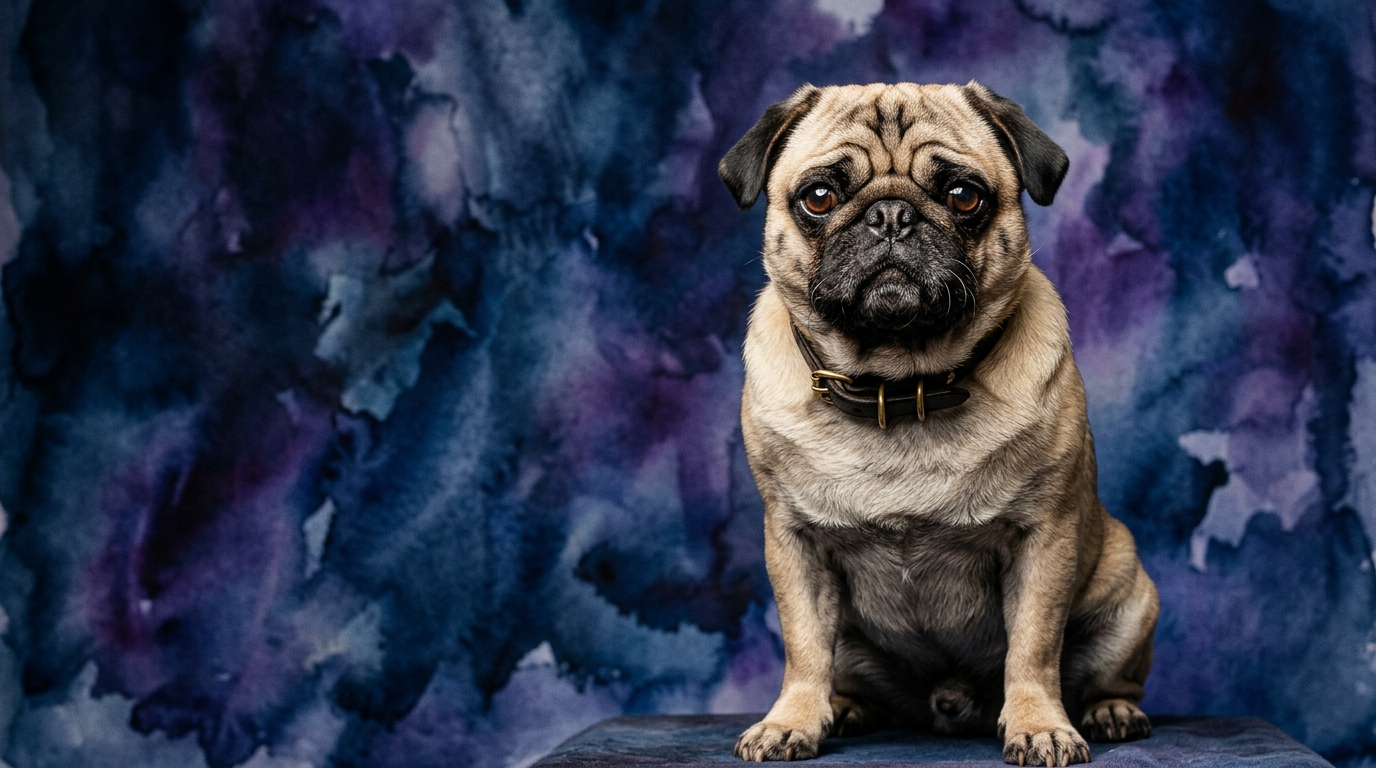
The Pug, a member of the Toy group, presents a distinctive cognitive signature. Its problem-solving ability is rated at 2/5, indicating a preference for clear guidance rather than independent strategizing. Training speed also registers at 2/5, suggesting that consistent, patient methods yield the best results. However, its social intelligence soars to an impressive 5/5, highlighting an exceptional capacity for interspecies communication and bonding. Instinctive drive is modest at 2/5, reflecting a low intrinsic motivation for complex tasks, while memory is a solid 3/5, enabling retention of routines and familiar faces.
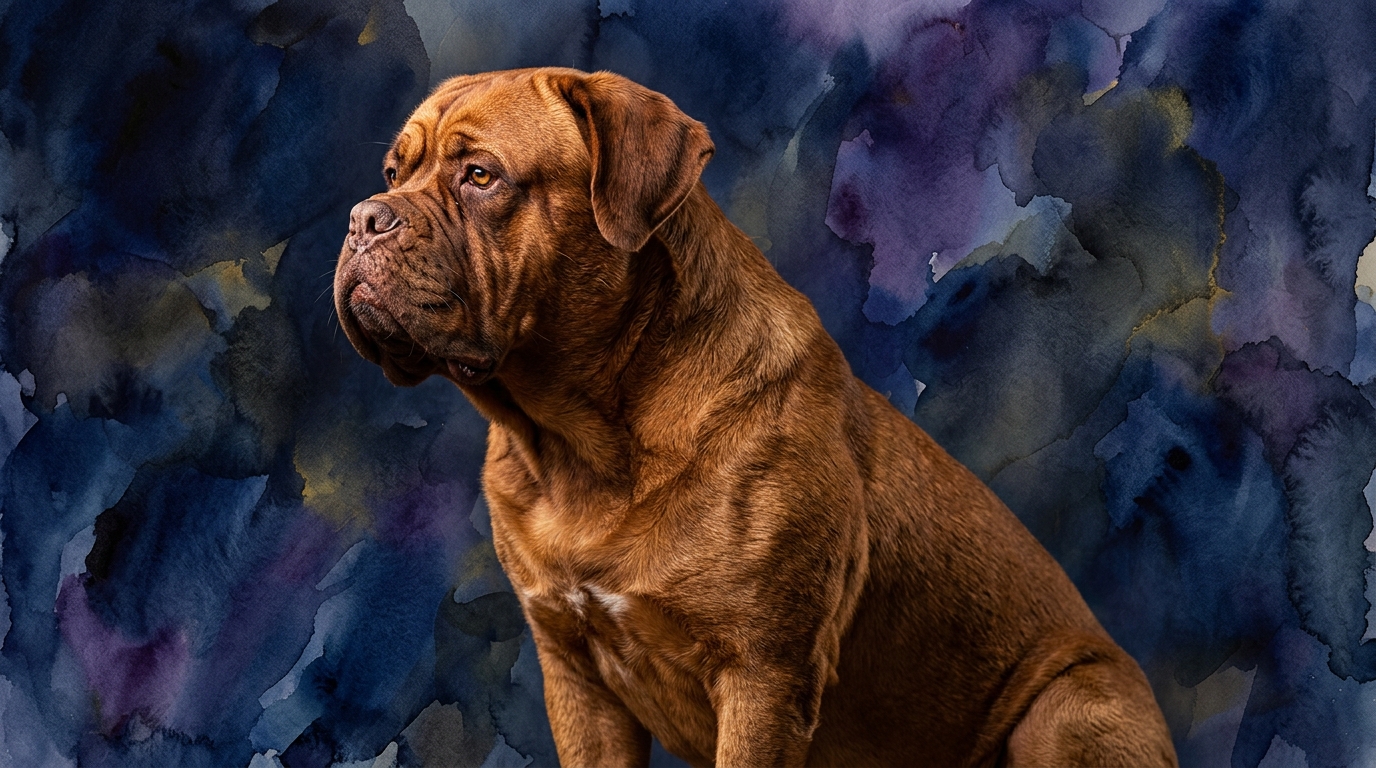
In contrast, the Dogue de Bordeaux, a powerful Working group breed, exhibits a more balanced cognitive profile. It scores 3/5 in problem-solving, indicating a moderate capacity for navigating challenges independently. Its training speed is also 3/5, suggesting a reasonable pace for learning and retaining commands. Social intelligence is 3/5, denoting a good, but not exceptional, ability to connect with humans. Instinctive drive, reflecting its historical working roots, is 3/5, providing a moderate inclination towards purposeful activity. Memory, like the Pug, is rated at 3/5, supporting its ability to learn and recall.
It's also worth noting the Pug's Coren ranking of #57, which places it in the average working intelligence category among breeds studied for obedience and work. The Dogue de Bordeaux, while not specifically Coren-ranked, demonstrates a cognitive balance that aligns with its historical roles requiring both physical and mental engagement, albeit not in the same obedience-trial focused context as the Coren ranking.
Where the Pug's Mind Shines Brightest
The Pug's preeminent cognitive strength lies undeniably in its social intelligence, earning a perfect 5/5. This isn't merely about being friendly; it signifies a profound ability to read and respond to human emotions and subtle cues. A Pug excels at forming deep, intuitive bonds, often anticipating its owner's mood or needs, making it an unparalleled companion. This high social acumen allows them to seamlessly integrate into family life, providing comfort and connection with an almost empathetic understanding.
This exceptional social skill is further supported by its 3/5 memory. While not a genius for complex sequences, a Pug's memory is perfectly adequate for remembering the people it cherishes, its daily routines, and the nuanced social interactions that define its world. It remembers who offers the best cuddles, where the treat jar is, and the specific sounds that signal its favorite human's arrival. These memory functions are primarily in service of its social desires, making it an expert in the art of companionship.
The Dogue de Bordeaux's Cognitive Edge
The Dogue de Bordeaux's cognitive profile is characterized by a consistent, moderate capability across several dimensions, distinguishing it from the Pug's specialized social genius. With a 3/5 in problem-solving, this breed possesses a practical intelligence, enabling it to navigate everyday obstacles and learn from experience. While it may not devise intricate escape plans, it can figure out how to open a simple gate or retrieve a dropped toy, demonstrating a capacity for independent thought that surpasses the Pug's reliance on guidance.
Its balanced 3/5 instinctive drive further enhances its cognitive functionality, particularly in its historical role as a guardian. This moderate drive means the Dogue de Bordeaux has an intrinsic inclination towards vigilance and protection, making it more receptive to training that taps into these natural tendencies. Coupled with its 3/5 training speed, these traits suggest a dog that can be effectively guided to understand its role within a family, offering a protective presence without being overly intense or requiring constant, complex mental stimulation to fulfill a working purpose.
Training Dynamics: Who Learns Faster?
When it comes to training speed, the Dogue de Bordeaux (3/5) holds a slight advantage over the Pug (2/5). A Pug's 2/5 training speed means that while they are certainly trainable, they require an abundance of patience, positive reinforcement, and consistency. They can be easily distracted by their environment or, more often, by their desire for affection or a nap. Their independent streak and sometimes stubborn nature, combined with a lower intrinsic drive for tasks, means that training sessions need to be kept short, engaging, and highly rewarding to maintain their focus and motivation. They respond best to a playful approach where learning feels like a game rather than a chore.
The Dogue de Bordeaux, with its 3/5 training speed, generally picks up commands at a more moderate pace. This breed responds well to clear, firm, and consistent instruction, often motivated by a desire to please its family and a moderate instinctive drive that lends itself to structured activities. Their formidable size necessitates early and thorough training for manners and obedience, and their cognitive profile supports this. While they may not be as eager to please as some higher-ranked breeds, their willingness to engage and their capacity to retain information make them responsive to well-structured training programs, especially when they understand the purpose behind the command.
Lifestyle Match: Active vs. Relaxed Companionship
The cognitive profiles of these breeds offer clear indicators for ideal lifestyle matches. The Pug, with its unparalleled 5/5 social intelligence and lower scores in problem-solving, training speed, and instinctive drive, is the quintessential relaxed companion. They thrive in environments where their primary 'job' is to be a cherished family member, soaking up affection and providing constant, gentle presence. Their minimal physical and mental stimulation needs align perfectly with owners who prefer a calm home life and who prioritize intimate human-animal bonding over strenuous activities or complex training regimens. A Pug finds its greatest joy and intellectual fulfillment in the nuances of family interaction.
Conversely, the Dogue de Bordeaux, with its balanced 3/5 scores across most cognitive dimensions, suits owners prepared for a more structured and engaged lifestyle. Its moderate problem-solving and instinctive drive mean it benefits from consistent mental engagement beyond mere passive companionship. Owners should provide regular, purposeful training sessions, opportunities for moderate exercise, and clear boundaries to channel its natural protective instincts. This breed thrives with owners who can offer confident leadership and integrate them into family activities, ensuring their cognitive and physical needs are met to foster a well-adjusted and loyal guardian.
The Verdict
Choose a Pug if you seek an exceptionally affectionate, low-maintenance companion whose primary joy is intimate human connection and whose cognitive strengths lie in social bonding.
Opt for a Dogue de Bordeaux if you're prepared to invest in consistent training and socialization for a loyal, protective family member with a balanced cognitive profile suited for structured living.
🧠 Find Your Pet's IQ Score
Our Pet IQ Lab assessment covers 25+ tests across 5 cognitive dimensions — personalized to your breed.
Take the Full IQ Test →Frequently Asked Questions
Is the Pug difficult to train?
With a training speed of 2/5, Pugs require patience and consistent positive reinforcement. They can be easily distracted, so short, engaging sessions that leverage their love for treats and affection are most effective.
Does the Dogue de Bordeaux need a lot of mental stimulation?
While not excessively demanding, the Dogue de Bordeaux's 3/5 problem-solving and instinctive drive mean they benefit from regular training sessions and engaging activities to keep their minds occupied and prevent boredom.
Which breed is better with children?
Both breeds can be good with children; the Pug's 5/5 social intelligence makes them naturally attuned to family dynamics and gentle play. The Dogue de Bordeaux, due to its size and protective instincts, requires early socialization and supervision to ensure safe and positive interactions with children.