Side-by-Side Cognitive Profiles
The Cosmic Pet Pet IQ Lab assesses canine intelligence across five critical dimensions: Problem Solving, Training Speed, Social Intelligence, Instinctive Drive, and Memory. While both the Pug, a Toy breed, and the Entlebucher Mountain Dog, a Herding breed, are cherished companions, their cognitive strengths and approaches to the world diverge significantly.
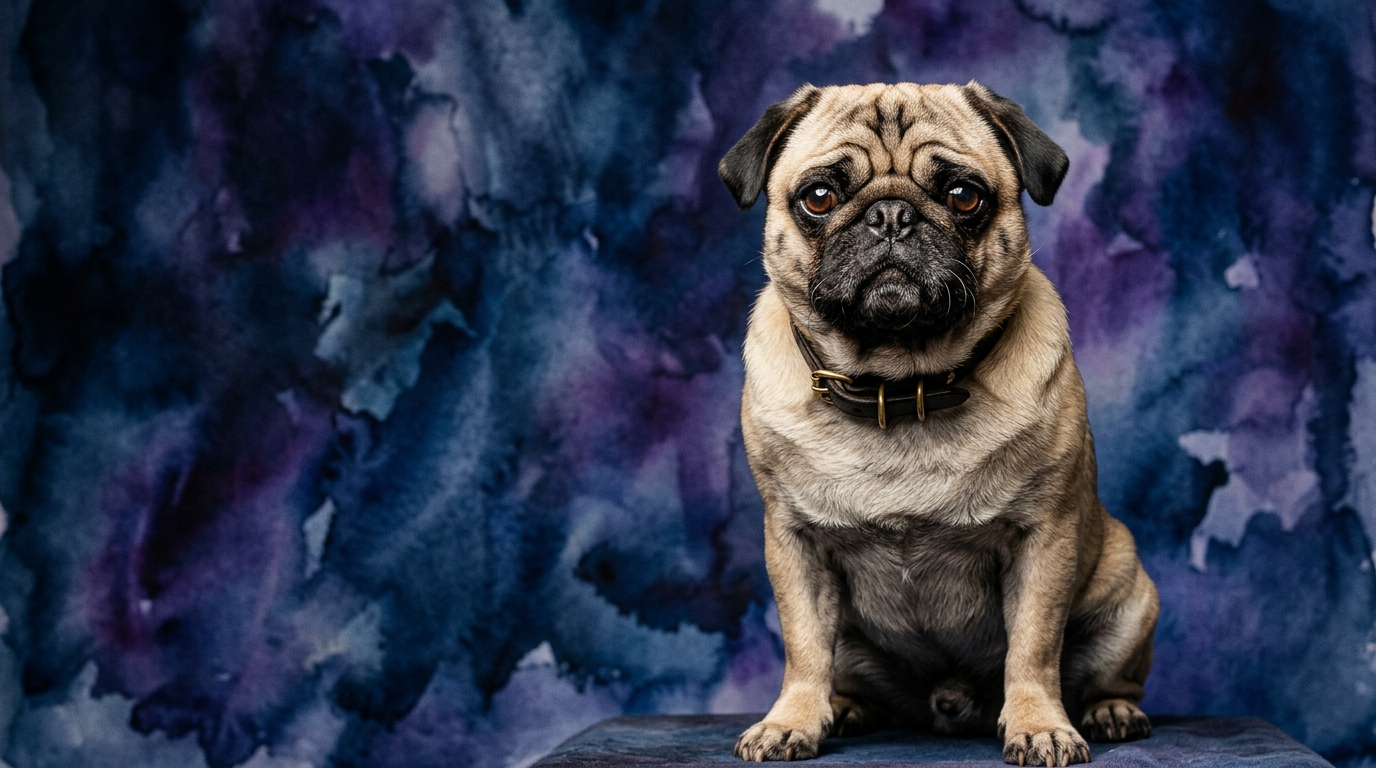
For the Pug, ranked #57 by Coren, its IQ profile reveals a Problem Solving score of 2/5, indicating they are not naturally inclined to tackle complex puzzles independently, often preferring to rely on human assistance. Their Training Speed also sits at 2/5, suggesting a more deliberate pace for acquiring new commands. However, their Social Intelligence is a standout at 5/5, reflecting an exceptional capacity for understanding human cues and forming deep bonds. Instinctive Drive is low at 2/5, meaning minimal inherent urges for tasks like herding or guarding, while their Memory is an average 3/5 for routines and associations.
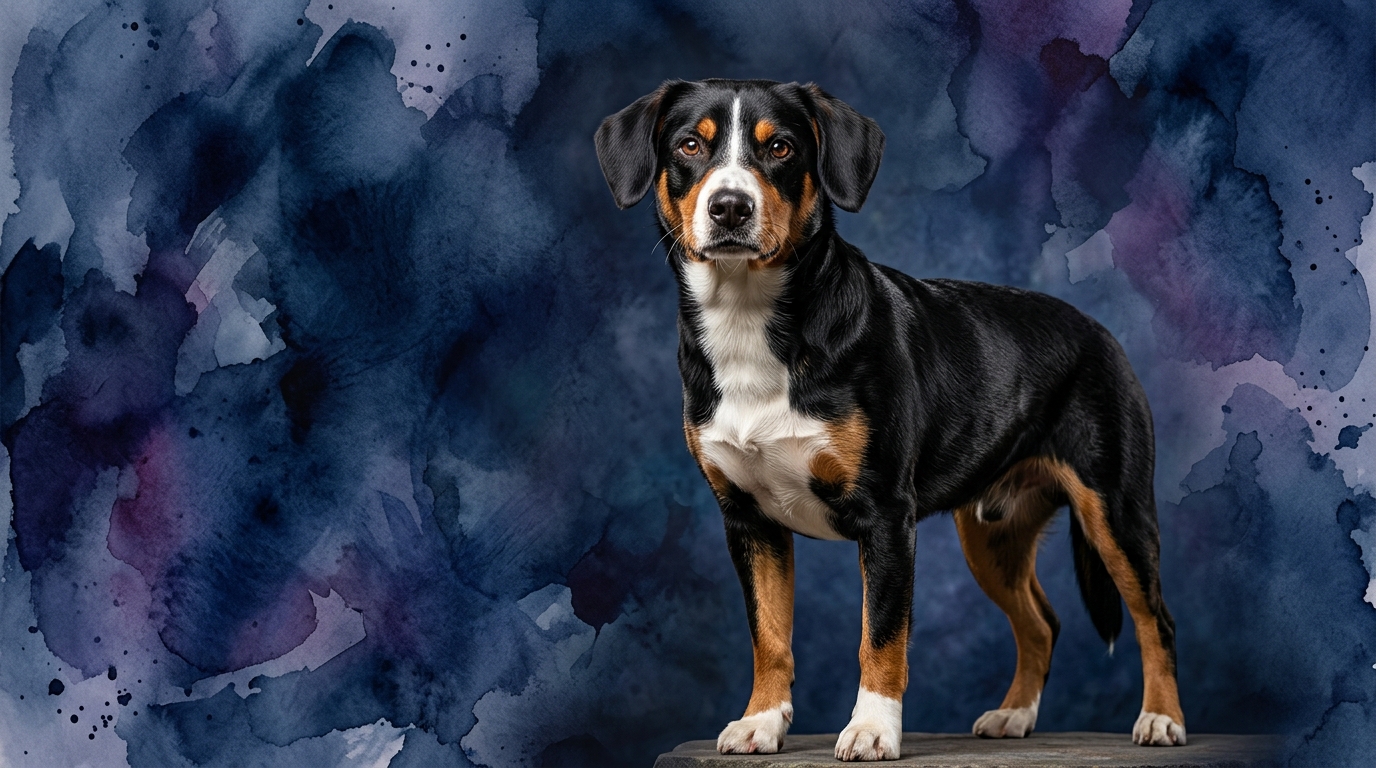
The Entlebucher Mountain Dog, a breed not ranked by Coren, presents a balanced yet distinct cognitive blueprint. Their Problem Solving ability is rated at 3/5, demonstrating a moderate capacity for independent thought and strategic action in novel situations. Training Speed is also 3/5, indicating a consistent, albeit not rapid, learning pace for new tasks. Their Social Intelligence is 3/5, showing good engagement with their family but potentially more reserved interactions with strangers. Instinctive Drive is at a moderate 3/5, reflecting their inherent herding and guarding tendencies, and their Memory, like the Pug, is 3/5, signifying average recall for learned behaviors and environmental elements.
Where the Pug Excels Cognitively
The Pug's undisputed cognitive strength lies in its Social Intelligence, scoring a perfect 5/5 compared to the Entlebucher's 3/5. This isn't merely about being affectionate; it's a profound ability to interpret and respond to the nuances of human emotion and social dynamics. Pugs are masters at reading subtle cues—a sigh, a shift in posture, a change in vocal tone—and using this information to navigate their human environment with remarkable finesse. They possess an almost intuitive understanding of how to comfort, elicit attention, and integrate themselves seamlessly into family life, often anticipating needs for companionship or affection.
This exceptional social acumen allows Pugs to forge incredibly strong, empathetic bonds. Their world revolves around human interaction, and their cognitive processes are highly attuned to maintaining harmony and closeness within their household. While they may not be solving complex puzzles, their sophisticated social cognition makes them unparalleled specialists in emotional connection and domestic companionship.
Where the Entlebucher Mountain Dog Shows Cognitive Advantage
The Entlebucher Mountain Dog demonstrates a clear cognitive advantage in Problem Solving, rated at 3/5 compared to the Pug's 2/5. This indicates a greater aptitude for independent thought and strategic thinking when faced with novel situations. An Entlebucher is more likely to assess an obstacle, such as a closed door or a puzzle toy, and devise a method to overcome it without constant human direction. Their working dog heritage has likely honed this capacity for processing environmental challenges and adapting their behavior to achieve a desired outcome, reflecting a more proactive and analytical cognitive approach.
Furthermore, the Entlebucher's Instinctive Drive, at 3/5 versus the Pug's 2/5, points to a more robust and purposeful cognitive framework. This isn't just about physical activity; it involves an inherent mental blueprint for specific tasks related to their herding and guarding background. They possess a natural vigilance and an intrinsic understanding of territory and group management, making them inherently more alert and reactive to changes in their surroundings. This moderate drive means their minds are wired for observation, assessment, and proactive engagement with their environment, making them naturally more 'task-oriented' thinkers than the companion-focused Pug.
Trainability: Pug vs. Entlebucher Mountain Dog
When it comes to trainability, the differences in cognitive profiles become particularly evident. The Pug, with a Training Speed of 2/5 and a Problem Solving score of 2/5, can present a unique challenge. While their high Social Intelligence means they are eager to please and highly motivated by human attention and praise, their lower problem-solving capacity means they may take longer to connect an action with its desired outcome. They can also be easily distracted or, if not properly motivated, quite stubborn. Effective training for a Pug requires immense patience, unwavering consistency, and making sessions exceptionally fun and rewarding, often in short bursts to maintain their interest. Their primary drive is often companionship, not task completion, which can make task-oriented training a slower process.
The Entlebucher Mountain Dog, with a Training Speed of 3/5 and Problem Solving at 3/5, is generally considered moderately easier to train. Their slightly higher problem-solving ability often means they grasp concepts more readily, and their moderate instinctive drive means they are more inclined to work alongside their human and find satisfaction in having a job. They thrive on structure and clear guidance, responding well to consistent, positive reinforcement. While they still need a confident leader due to their independent streak, their herding background often translates into an eagerness to learn and a focus during training sessions, making them capable candidates for advanced obedience or various dog sports.
Matching Breeds to Owner Lifestyles
The distinct cognitive profiles of the Pug and the Entlebucher Mountain Dog naturally align with different owner lifestyles. For relaxed owners, the Pug is an ideal match. Their low instinctive drive and moderate energy levels mean they are perfectly content with minimal physical exertion, preferring short strolls, indoor play, and extensive cuddle sessions. Their cognitive needs are largely met through their exceptional social intelligence, thriving on close, affectionate interaction rather than demanding mental or physical tasks. They are happy observing the world from a lap or a soft bed, requiring little in the way of structured activity or complex problem-solving opportunities.
Conversely, the Entlebucher Mountain Dog is best suited for active owners. Their moderate problem-solving capacity and instinctive drive dictate a need for both consistent physical exercise and substantial mental stimulation. They are not dogs content to be passive companions; their minds crave engagement through structured training, interactive puzzles, and purposeful activities. Owners who enjoy outdoor adventures like hiking, participate in dog sports, or are committed to ongoing obedience training will find a willing, capable, and enthusiastic partner in an Entlebucher. Neglecting their cognitive and physical needs can lead to boredom, frustration, and potentially undesirable behaviors, as their minds are wired for more than just passive companionship.
The Verdict
Choose a Pug if your primary desire is an exceptionally socially intelligent companion who excels at emotional connection and requires minimal structured mental or physical exertion beyond social interaction.
Opt for an Entlebucher Mountain Dog if you seek a partner with a more robust problem-solving capacity and a moderate drive for purposeful activity, and you are prepared to provide consistent mental and physical challenges.
🧠 Find Your Pet's IQ Score
Our Pet IQ Lab assessment covers 25+ tests across 5 cognitive dimensions — personalized to your breed.
Take the Full IQ Test →Frequently Asked Questions
Do Pugs understand human emotions better than Entlebuchers?
Yes, The Cosmic Pet Pet IQ Lab rates Pug social intelligence at 5/5 compared to the Entlebucher's 3/5, indicating a superior ability to interpret and respond to human emotional cues and social dynamics. Pugs are particularly adept at forming deep, intuitive bonds based on this understanding.
Which breed is more likely to figure out how to open a gate or solve a puzzle toy?
The Entlebucher Mountain Dog, with a problem-solving score of 3/5, is more inclined to engage with and successfully navigate such challenges compared to the Pug's 2/5. Their working dog background often equips them with a more independent and strategic approach to environmental obstacles.
How does the 'instinctive drive' difference impact daily life with these breeds?
A Pug's 2/5 instinctive drive means they are generally placid and less inclined towards tasks like herding or guarding, fitting easily into a relaxed companion role. An Entlebucher's 3/5 drive suggests a natural inclination for vigilance and purposeful activity, requiring more structured outlets for their inherent working instincts to prevent boredom.