Side-by-Side Cognitive Profiles
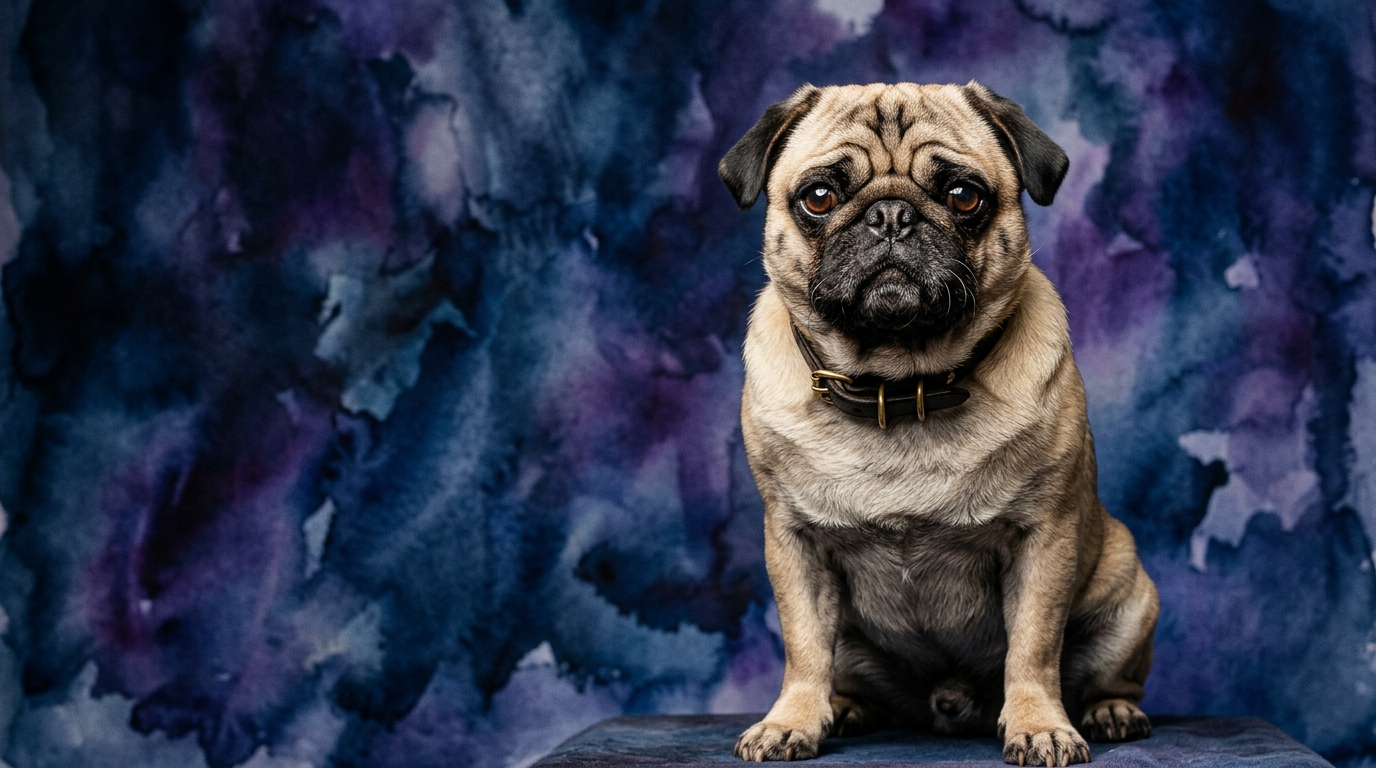
At the Cosmic Pet Pet IQ Lab, we evaluate canine intelligence across five key dimensions, offering a nuanced understanding beyond simple 'smart' or 'not smart' labels. For the Pug, we observe a unique distribution of cognitive strengths. Their Problem Solving is rated 2/5, indicating they often prefer human intervention over independently figuring out complex tasks, and might rely on simple trial-and-error for basic puzzles. Training Speed also scores 2/5, suggesting that Pugs may require more repetition and patience to grasp new commands, thriving on consistency and positive reinforcement rather than rapid learning. However, their Social Intelligence shines brightest at a perfect 5/5, showcasing an exceptional ability to read human cues, understand social dynamics, and form profound emotional bonds. Their Instinctive Drive is a low 2/5, meaning they possess minimal prey drive or strong urges for tasks like herding or guarding, prioritizing companionship above all. Memory for a Pug sits at 3/5, allowing them to recall routines and learned behaviors with moderate reliability.
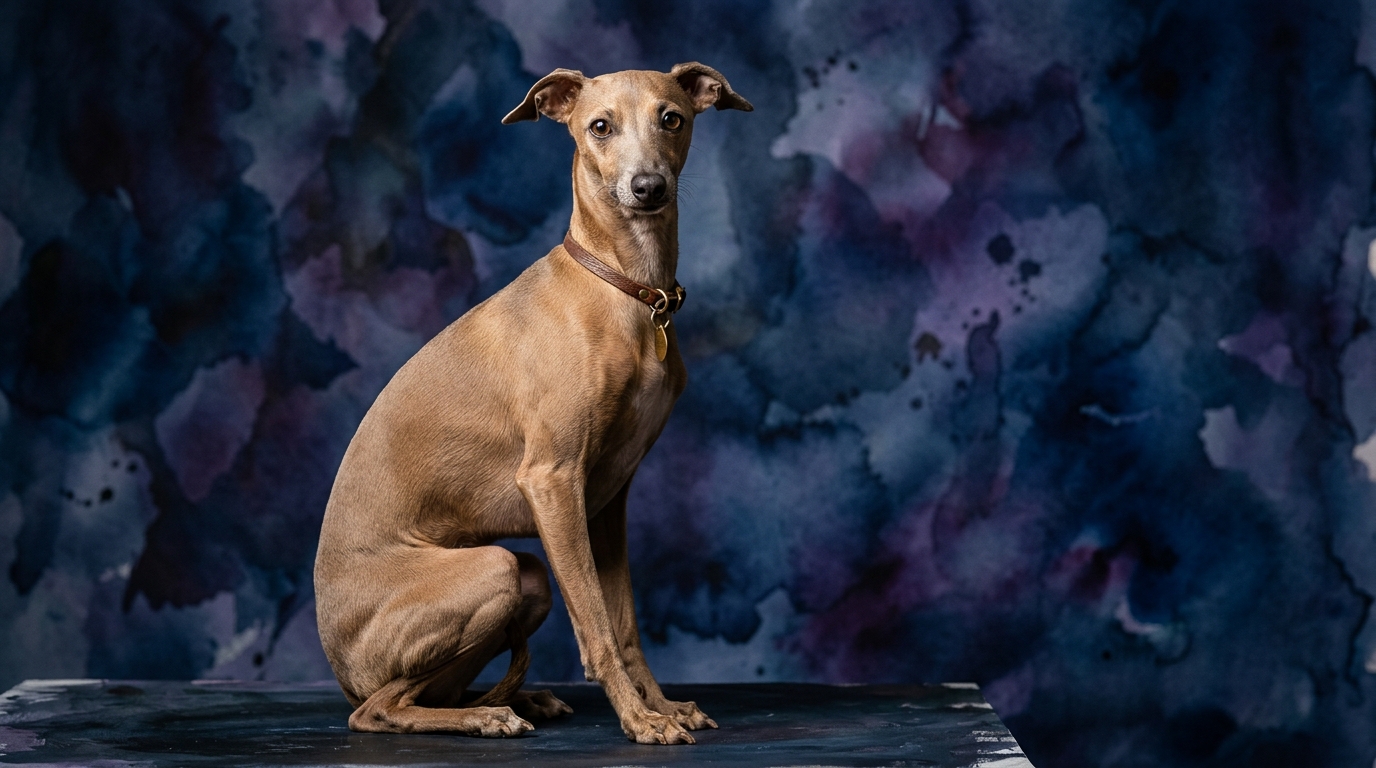
The Italian Greyhound presents a distinct cognitive blueprint, diverging from the Pug in several key areas. While not Coren-ranked, our internal IQ assessment reveals a consistent pattern of moderate abilities across most dimensions. Their Problem Solving is rated 3/5, indicating a slightly greater capacity than the Pug to navigate environmental challenges or decipher moderate puzzles independently. Training Speed also registers at 3/5; Italian Greyhounds can learn new commands with reasonable efficiency, responding well to clear, consistent training methods. Social Intelligence for the Italian Greyhound is 3/5; they are affectionate and bond closely with their families, but perhaps less intensely focused on reading nuanced human emotions compared to a Pug, often displaying a charming independence. Their Instinctive Drive scores 3/5, reflecting their sighthound heritage with a moderate urge to chase and explore, making them more engaged with their surroundings. Memory for an Italian Greyhound is 3/5, similar to the Pug, allowing for adequate retention of training and daily routines.
Where the Pug's Cognition Excels
The Pug's undisputed cognitive triumph lies in their Social Intelligence, scoring a rare perfect 5/5. This isn't merely about being friendly; it's about an extraordinary capacity for empathy and connection that shapes their entire worldview. A Pug can often anticipate your mood before you express it, offering a comforting nudge or a playful distraction with uncanny accuracy. They are masters at reading subtle facial expressions, body language, and even vocal tones, adjusting their behavior to align with the emotional climate of their human companions. This profound social awareness translates into a dog that isn't just a pet, but a deeply intuitive member of the family, often forming an almost telepathic bond. Their ability to integrate seamlessly into human routines and become an emotional anchor for their owners is a direct result of this exceptional cognitive strength, making them unparalleled companions for those seeking profound emotional connection.
This high social intelligence also means Pugs are adept at what some might call 'charming manipulation.' They understand precisely which behaviors elicit positive responses from their owners, whether it's a particular head tilt for a treat or a comforting snuggle to gain extra privileges. While their problem-solving skills might not lead them to open complex latches, their social acumen allows them to 'solve' human-centric problems by simply being irresistibly endearing. This cognitive strength makes them incredibly adaptable to family life, ensuring they are always at the heart of the home, deeply attuned to the dynamics around them.
Where the Italian Greyhound's Cognition Shines
The Italian Greyhound demonstrates a more balanced cognitive profile, with particular strengths emerging in Problem Solving (3/5) and a notably higher Instinctive Drive (3/5) compared to the Pug. While not a genius inventor, an Italian Greyhound will often approach a new obstacle with a thoughtful assessment, perhaps trying a few different methods to get to a coveted toy or navigate around a closed door. This means they are less likely to simply wait for human intervention and more prone to exploring solutions independently. Their problem-solving might manifest as figuring out how to reach a high perch or understanding a multi-step game, demonstrating a subtle ingenuity that keeps their minds engaged.
Furthermore, their Instinctive Drive (3/5), rooted in their sighthound lineage, offers a distinct cognitive advantage in environmental engagement. This drive translates into a keen awareness of movement and a natural inclination to explore and chase, which can be channeled into mentally stimulating activities. While a Pug might be content observing the world from a lap, an Italian Greyhound's mind is often actively processing visual stimuli and potential 'prey' in their environment, making them more receptive to activities like lure coursing or even just a stimulating walk where they can scan for interesting sights. This engagement with the external world provides a different form of cognitive exercise and satisfaction, contrasting sharply with the Pug's internal, social focus.
Trainability: Pug vs. Italian Greyhound
When it comes to trainability, the differences between these two breeds are less about 'smartness' and more about 'approach.' The Italian Greyhound, with a Training Speed of 3/5 and Problem Solving at 3/5, generally proves to be the more straightforward student for formal obedience. They can grasp new commands with moderate speed and understand the logical progression of tasks. Their cognitive makeup allows them to connect actions with consequences more readily, making positive reinforcement highly effective. An Italian Greyhound might learn a sequence of tricks or commands for an agility course with consistent, engaging sessions, appreciating the mental challenge and the reward for correct execution. Their slightly higher independent streak means they respond well to clear, concise instructions and less to emotional appeals.
The Pug, on the other hand, with a Training Speed of 2/5, often requires a different strategy. While they may not pick up commands as quickly, their exceptional Social Intelligence (5/5) becomes their greatest training asset. Pugs are driven by a profound desire to please their humans and maintain social harmony. Training a Pug is less about rapid cognitive processing of commands and more about leveraging their strong bond and desire for interaction. Patience, consistency, and making training feel like a fun, shared activity are paramount. They might take longer to master a 'sit' or 'stay,' but once learned, their dedication to their person often ensures compliance, driven by love and a desire for approval rather than innate comprehension speed. This means while an Italian Greyhound might learn faster, a well-socialized Pug can be equally reliable, just on a different timeline and with different motivators.
Matching Canine Intellect to Owner Lifestyles
The distinct cognitive profiles of the Pug and Italian Greyhound lend themselves to different owner lifestyles. For those leading a more relaxed, home-centric life, the Pug is often the ideal choice. Their low Instinctive Drive (2/5) means they aren't constantly seeking external stimulation or complex challenges; their primary fulfillment comes from social interaction and being an integral part of their human family's daily routine. Owners who appreciate a constant, intuitive companion who thrives on cuddles, short walks, and shared quiet moments will find the Pug's cognitive strengths perfectly align. Their intelligence is geared towards emotional connection and understanding the subtle rhythm of the home, rather than exploring the great outdoors or mastering intricate tasks.
Conversely, the Italian Greyhound, with its moderate Problem Solving (3/5) and Instinctive Drive (3/5), is better suited for owners who enjoy a more active and mentally engaging lifestyle. These dogs appreciate opportunities to explore, chase, and figure things out. They thrive on structured play, regular walks that offer novel sights and smells, and even participation in dog sports like lure coursing or obedience. An Italian Greyhound’s cognitive engagement often requires more than just passive companionship; they benefit from owners who can provide outlets for their curious minds and moderate energy levels. Owners who find joy in training and fostering a dog's independent problem-solving will likely find the Italian Greyhound a more stimulating and rewarding partner.
The Verdict
Opt for a Pug if your primary desire is an emotionally intuitive companion who thrives on deep social connection and is content with a more relaxed pace of life, offering boundless affection and charming, people-focused antics.
Select an Italian Greyhound if you appreciate a dog with a keen, curious mind and a moderate drive for engagement, capable of learning more complex tasks and enjoying active participation in your lifestyle.
🧠 Find Your Pet's IQ Score
Our Pet IQ Lab assessment covers 25+ tests across 5 cognitive dimensions — personalized to your breed.
Take the Full IQ Test →Frequently Asked Questions
Are Pugs truly stubborn, or is it a training speed issue?
Pugs aren't necessarily stubborn, but their lower training speed means they require more repetition and patience. Combined with their strong social motivation, they respond best to positive reinforcement and making training feel like a shared bonding activity rather than a chore.
Can Italian Greyhounds be trained for advanced obedience or dog sports?
Yes, Italian Greyhounds, with their moderate problem-solving and training speed, are quite capable of excelling in advanced obedience, agility, or lure coursing. They thrive on mental and physical challenges when training is engaging, consistent, and positive.
How does social intelligence impact daily life with these breeds?
A Pug's high social intelligence means they are exceptionally attuned to human emotions and routines, making them intuitive companions who anticipate your needs and offer comfort. Italian Greyhounds, while socially adept, are more independent, offering affection but perhaps less focused on monitoring every human mood or subtle cue.