Side-by-Side Cognitive Profiles
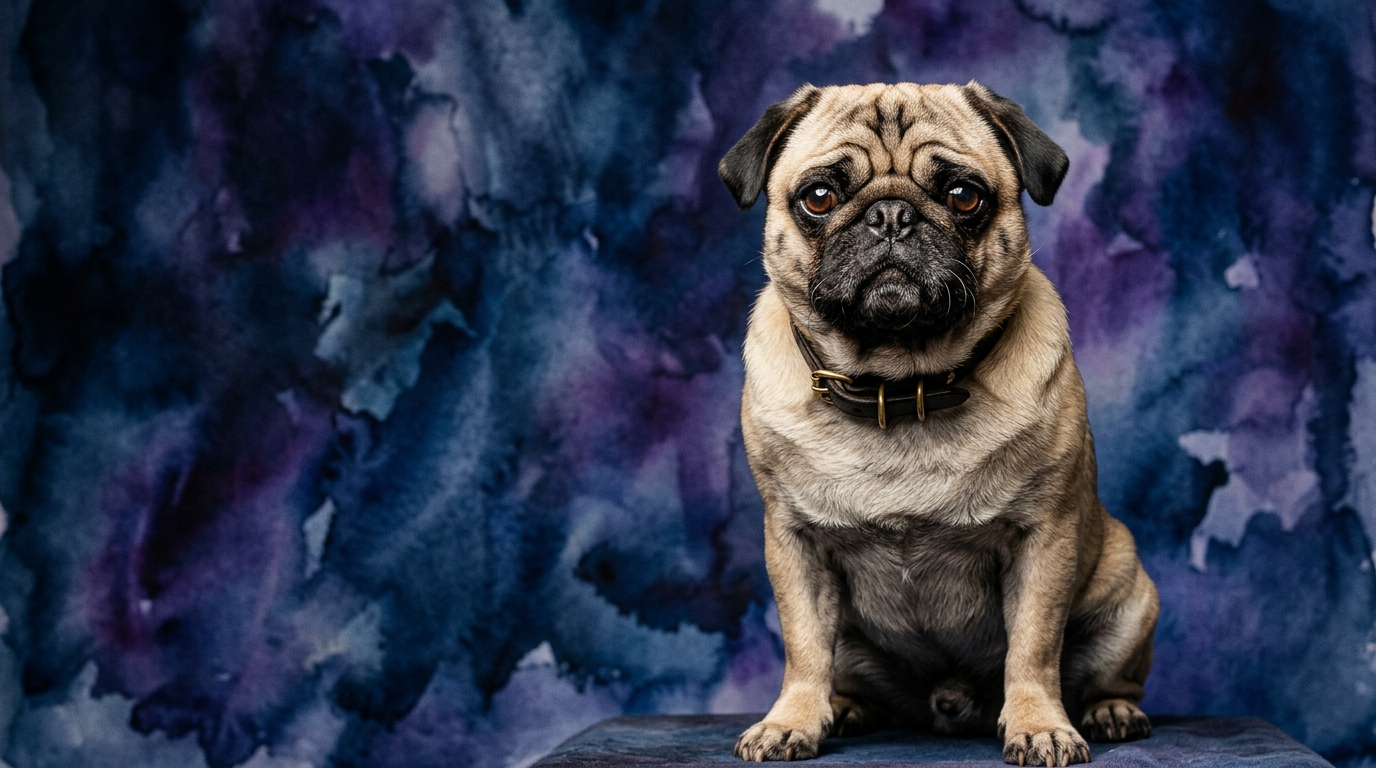
At The Cosmic Pet Pet IQ Lab, the Pug, a charming member of the Toy group and Coren-ranked #57, presents a unique cognitive blueprint. Their problem-solving ability scores a modest 2/5, indicating a preference for routine over novel challenges, while training speed also sits at 2/5, suggesting a more deliberate learning pace. However, the Pug truly shines in social intelligence, achieving an impressive 5/5, reflecting their profound connection with human companions. Their instinctive drive is low at 2/5, meaning they aren't typically driven by innate working urges, and their memory registers an average 3/5, allowing them to recall routines and familiar faces consistently.
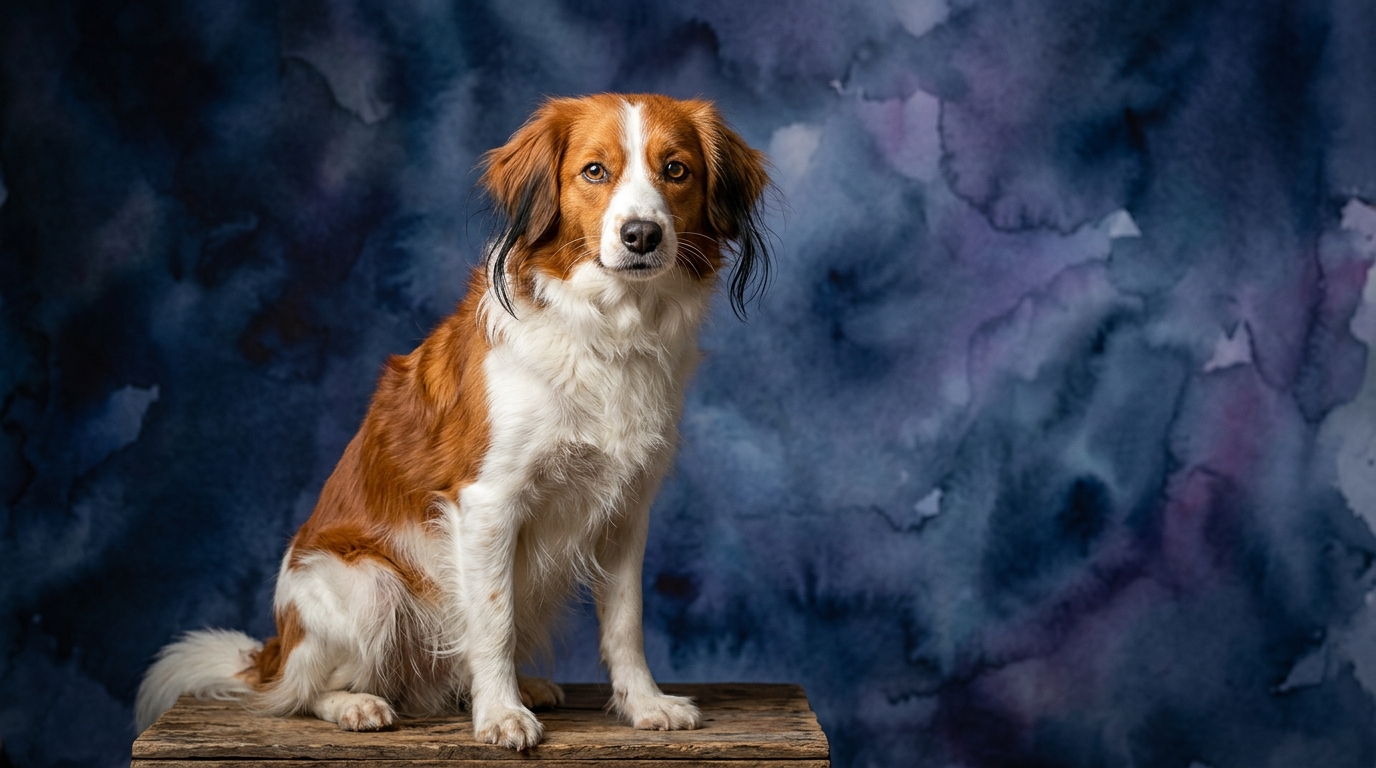
In contrast, the Kooikerhondje, a spirited Sporting breed, exhibits a more uniformly balanced cognitive profile across our dimensions. This breed scores a consistent 3/5 in problem-solving, training speed, social intelligence, instinctive drive, and memory. This balanced aptitude suggests a dog capable of moderate independent thought, a reasonable pace for learning new commands, and a healthy engagement with both human interaction and environmental stimuli. Their average instinctive drive hints at their heritage as active working dogs, eager to participate in purposeful tasks, setting them apart from the Pug's companion-centric focus.
Where the Pug Wins Cognitively
The Pug's undisputed cognitive strength lies in their exceptional social intelligence, scoring a perfect 5/5. This isn't merely about being affectionate; it signifies a deep, intuitive understanding of human emotions and social cues. Pugs are masters at reading subtle facial expressions, body language, and even vocal intonations, allowing them to respond with remarkable empathy, often offering a comforting presence or initiating gentle play when sensing a shift in human mood.
This deeply ingrained social acumen means they naturally seek proximity and thrive on reciprocal affection, making them quintessential lap companions who communicate their needs and desires through a rich tapestry of non-verbal cues and expressive glances. For a Pug, understanding and connecting with their person is their primary cognitive pursuit, making them unparalleled emotional support animals in their own charming way.
Where the Kooikerhondje Wins Cognitively
The Kooikerhondje demonstrates a more robust cognitive versatility, particularly in areas demanding independent thought and action. With a 3/5 in problem-solving, they are more inclined to figure out novel situations or obstacles on their own, rather than solely relying on human direction. This capacity for independent reasoning means a Kooikerhondje might more readily navigate a new environment or strategize to retrieve a toy from a tricky spot.
Their 3/5 training speed signifies they can master new commands and complex sequences efficiently, often requiring fewer repetitions to solidify a behavior. Furthermore, their 3/5 instinctive drive, a legacy of their duck-decoying past, translates into a natural inclination for engaging in tasks that involve seeking, retrieving, and working collaboratively. This inherent drive provides a strong foundation for sustained engagement in structured activities, making them adept at applying their cognitive skills to practical applications.
Which is Easier to Train and Why
When evaluating trainability, the Kooikerhondje generally presents a smoother path for owners. Their 3/5 training speed, combined with an average instinctive drive, means they possess a natural eagerness to engage in structured learning and pick up new commands with notable efficiency. They respond well to consistent, positive reinforcement methods and often find intrinsic motivation in the act of learning and working alongside their handler, reflecting their heritage as purpose-driven dogs suitable for dog sports and advanced obedience.
Pugs, on the other hand, with their 2/5 training speed and lower instinctive drive, typically require a different training approach. While their 5/5 social intelligence makes them keen to interact and please their beloved humans, their attention span for repetitive drills can be shorter, and their motivation for tasks not directly involving social interaction or immediate comfort can wane quickly. They benefit from shorter, highly engaging training sessions filled with positive reinforcement, high-value treats, and a playful atmosphere, focusing on enjoyment and reinforcing the owner-dog bond.
Which Suits Active vs. Relaxed Owners
The choice between these breeds often aligns with an owner's lifestyle and energy levels. The Pug, with its lower instinctive drive and moderate physical needs, is an ideal fit for relaxed owners who prioritize intimate companionship and gentle strolls over strenuous activity. Their cognitive strengths are best appreciated in environments where they receive ample affection and social interaction without pressure for constant mental challenges or demanding physical feats, content to offer emotional support and a charming presence.
Conversely, the Kooikerhondje thrives with active owners who can provide consistent mental and physical engagement, channeling their balanced cognitive aptitudes. Their 3/5 instinctive drive and problem-solving ability mean they benefit significantly from activities like agility, obedience trials, scent work, or even just long, exploratory walks that allow them to use their senses and intellect. A Kooikerhondje without sufficient outlets for its natural curiosity and drive might invent its own 'puzzles' to solve, highlighting the need for purposeful engagement to prevent undesirable behaviors.
The Verdict
Choose a Pug if your priority is an emotionally intuitive companion who thrives on close human connection and requires less structured mental or physical exertion, offering profound social engagement.
Opt for a Kooikerhondje if you seek a versatile, engaged partner for activities, valuing their balanced problem-solving and training aptitude, and can provide consistent mental and physical stimulation.
🧠 Find Your Pet's IQ Score
Our Pet IQ Lab assessment covers 25+ tests across 5 cognitive dimensions — personalized to your breed.
Take the Full IQ Test →Frequently Asked Questions
Are Pugs truly difficult to train?
Pugs aren't 'difficult' in the sense of being defiant, but their training speed of 2/5 means they learn at a slower pace than many breeds. Their low instinctive drive also means they may lack intrinsic motivation for tasks, requiring more patience and high-value rewards to maintain engagement.
What kind of activities stimulate a Kooikerhondje?
Kooikerhondjes benefit greatly from activities that engage their 3/5 problem-solving and instinctive drive. This includes dog sports like agility, obedience, rally, and scent work, as well as interactive puzzle toys and structured training sessions that challenge them mentally.
How does a Pug's high social intelligence manifest daily?
A Pug's 5/5 social intelligence means they are exceptionally attuned to human emotions, often sensing when you're sad or happy and responding accordingly. They excel at non-verbal communication, seeking proximity, making eye contact, and using subtle cues to express their desire for interaction and affection.