Side-by-Side Cognitive Profiles: Pug vs. Löwchen
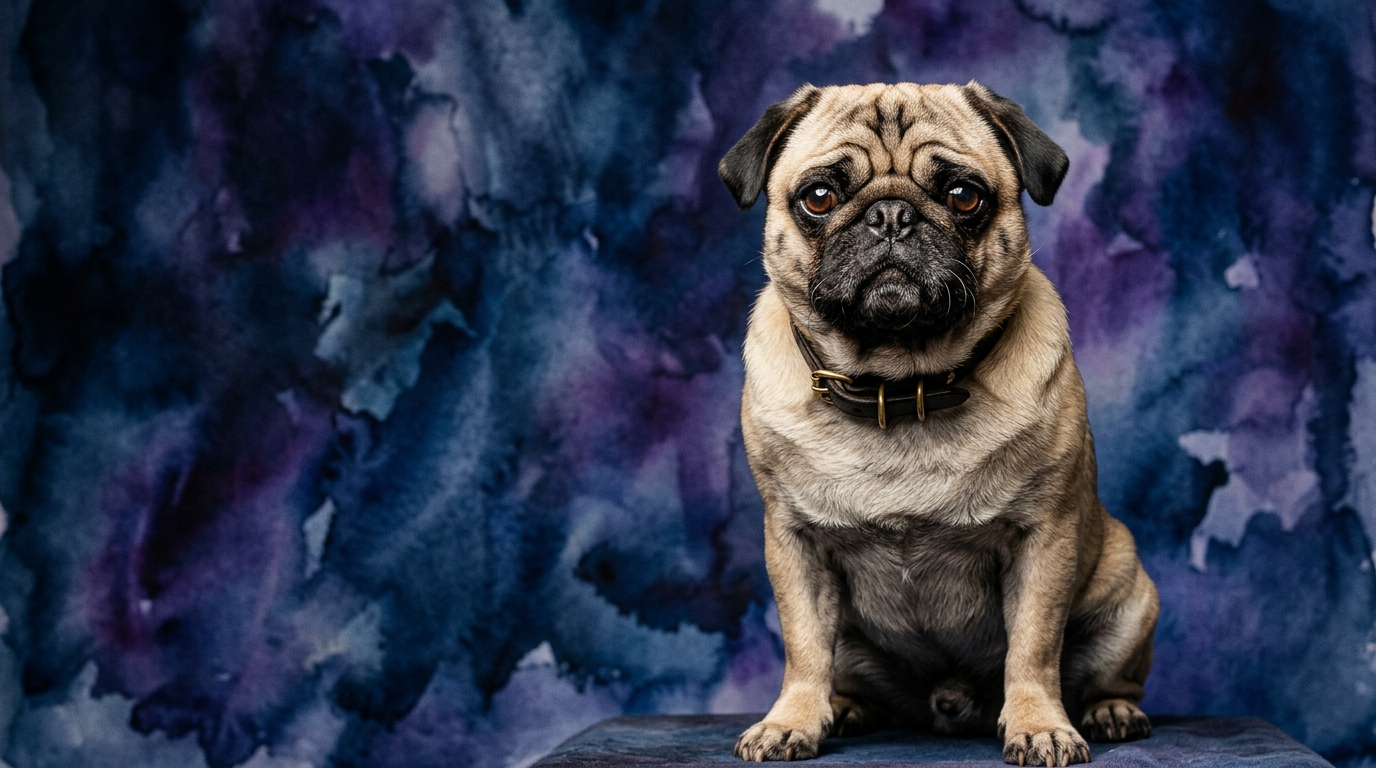
The Cosmic Pet Pet IQ Lab employs a five-dimensional framework to assess canine intelligence, offering a nuanced understanding of each breed's cognitive strengths. For the Pug, classified in the Toy group, its cognitive profile is distinct: Problem Solving 2/5, Training Speed 2/5, Social Intelligence 5/5, Instinctive Drive 2/5, and Memory 3/5. This paints a picture of a dog primarily oriented towards social connection rather than complex tasks or inherent working drives. Their lower scores in problem-solving and training speed suggest they may not be the quickest learners of intricate commands or the most adept at figuring out puzzles independently.
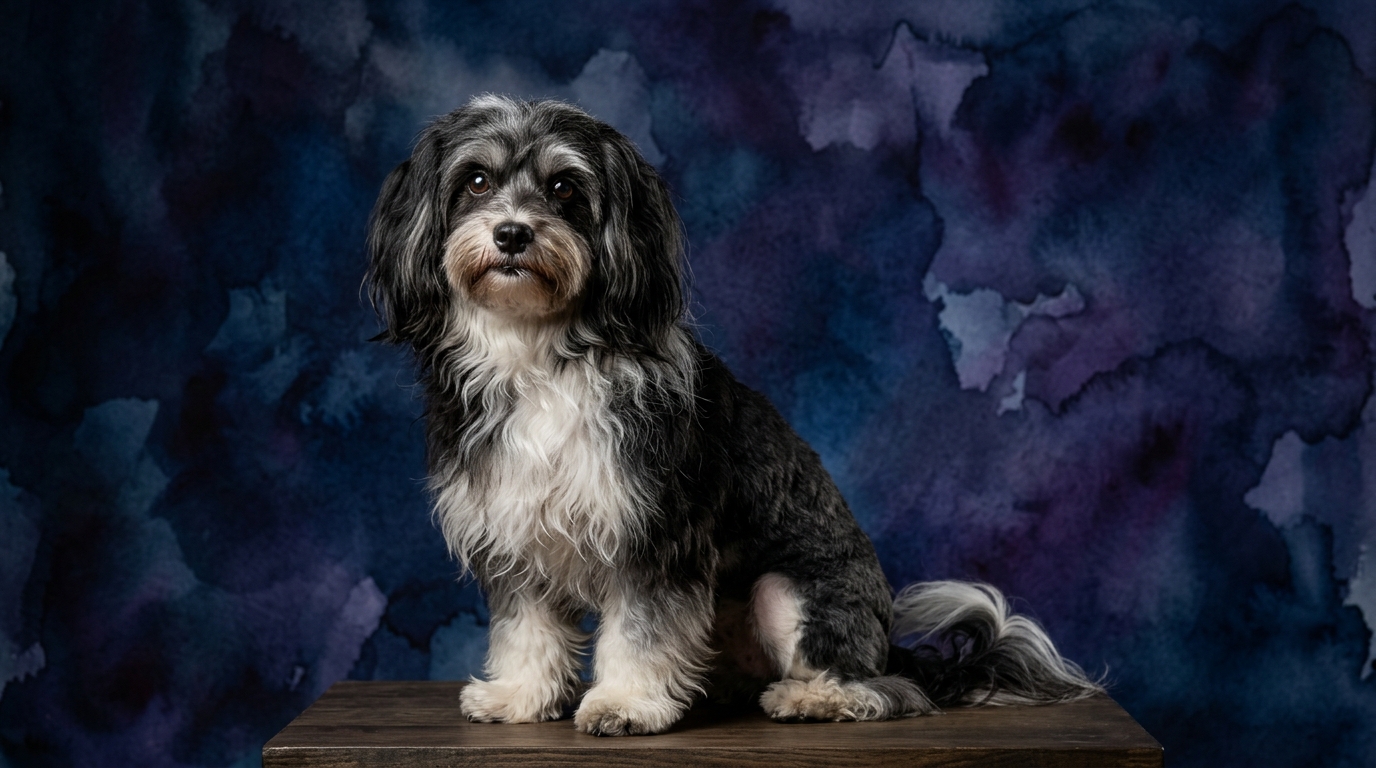
In contrast, the Löwchen, a Non-Sporting breed, presents a more balanced cognitive profile: Problem Solving 3/5, Training Speed 3/5, Social Intelligence 3/5, Instinctive Drive 3/5, and Memory 3/5. While not reaching the Pug's peak in social acumen, the Löwchen consistently scores in the middle range across all dimensions. This indicates a dog with a moderate capacity for independent thought, a reasonable pace for acquiring new behaviors, a balanced social aptitude, and a moderate drive to engage with its environment beyond simple companionship. The Löwchen's scores suggest a more versatile cognitive approach compared to the Pug's specialized social genius.
Where the Pug Wins Cognitively: The Art of Companionship
The Pug's standout cognitive strength lies unequivocally in its Social Intelligence, scoring an impressive 5/5. This isn't merely about being friendly; it signifies an exceptional ability to read human emotions, understand subtle social cues, and integrate seamlessly into the family dynamic. Pugs excel at forming deep, intuitive bonds with their human companions, often anticipating needs or moods without explicit commands. They are masters of non-verbal communication, using body language and expressions to convey their desires and respond to human interaction.
This elevated social intelligence means Pugs are exceptionally adept at navigating complex household relationships, often acting as emotional barometers for their families. They thrive on human presence and interaction, finding their purpose and contentment in being a devoted part of the 'pack.' While they may not be solving complex puzzles or learning elaborate trick routines, their cognitive prowess is fully dedicated to fostering strong, reciprocal social connections. This makes them unparalleled companions for individuals or families seeking a dog whose primary cognitive drive is focused on emotional attunement and shared presence.
Where the Löwchen Wins Cognitively: A Balanced and Engaged Mind
The Löwchen demonstrates a more well-rounded cognitive advantage across several dimensions compared to the Pug. With a Problem Solving score of 3/5, the Löwchen is moderately capable of independent thought and figuring out simple challenges. This means they are more likely to attempt to open a gate, retrieve a dropped item without prompting, or navigate a new environment with a degree of self-reliance. Their cognitive approach isn't solely dependent on human guidance, allowing for a certain level of ingenuity in their daily lives.
Furthermore, the Löwchen's Training Speed (3/5) and Instinctive Drive (3/5) combine to give it an edge in learning and engagement. While not at the top tier, their moderate training speed suggests a quicker grasp of commands and routines than a Pug, requiring fewer repetitions to solidify new behaviors. Their Instinctive Drive, also at 3/5, indicates a greater internal motivation for activities beyond purely social interaction. This could manifest as an interest in scent work, chasing toys, or exploring their surroundings with more purpose, making them more suitable for owners who enjoy engaging their dogs in various activities and mental challenges.
Which is Easier to Train and Why?
When it comes to ease of training, the Löwchen generally holds an advantage over the Pug, primarily due to its higher Training Speed score of 3/5 compared to the Pug's 2/5. A Löwchen is likely to pick up new commands and routines with fewer repetitions, showing a quicker understanding of what is expected. This isn't to say Pugs are untrainable, but their learning curve is typically steeper, requiring more patience, consistency, and creative motivation from their owners. Pugs often leverage their high social intelligence during training, responding best to positive reinforcement that emphasizes praise and connection, rather than just treats.
The Löwchen's moderate Problem Solving (3/5) and Instinctive Drive (3/5) also contribute to its relative trainability. A dog with a moderate drive is often more motivated by tasks and rewards, viewing training as an engaging activity rather than a mere social interaction. Their capacity for problem-solving means they might be more inclined to 'figure out' what you want them to do, even if the command isn't perfectly clear initially. Pugs, with their lower scores in these areas, might require more direct guidance and may be less inclined to autonomously engage with training exercises that don't directly involve human affection or food.
Suitability: Active Owners vs. Relaxed Owners
The distinct cognitive profiles of the Pug and Löwchen naturally align them with different owner lifestyles. For relaxed owners who prioritize companionship and a calm home environment, the Pug is an exceptional match. Their profound Social Intelligence (5/5) means they thrive on human presence and are content to be a shadow companion, happy to nap nearby or offer quiet affection. Their lower Instinctive Drive (2/5) means they typically don't demand extensive physical activity or complex mental stimulation; short walks and cuddle sessions usually suffice. They are ideal for individuals seeking a devoted, low-key canine presence that excels at emotional support and shared quiet moments.
Conversely, the Löwchen is better suited for more active owners who appreciate a dog with a greater zest for engagement and exploration. Their balanced scores across Problem Solving (3/5), Training Speed (3/5), and Instinctive Drive (3/5) indicate a dog that enjoys learning, participating in activities, and exploring its environment. Löwchens appreciate regular walks, playtime, and opportunities for mental challenges like puzzle toys or learning new tricks. They are not high-energy athletes, but they do require more consistent physical and mental engagement than a Pug. Owners who enjoy teaching new behaviors, participating in dog sports, or simply spending more active time outdoors with their pet will find the Löwchen's cognitive makeup a more rewarding fit.
The Verdict
Choose a Pug if you desire an unparalleled companion whose cognitive strengths are dedicated to emotional connection and quiet devotion, thriving in a relaxed, companionship-focused home.
Opt for a Löwchen if you seek a more balanced and engaged dog that enjoys learning, moderate activity, and a variety of mental challenges, fitting well with owners who enjoy interactive training and exploration.
🧠 Find Your Pet's IQ Score
Our Pet IQ Lab assessment covers 25+ tests across 5 cognitive dimensions — personalized to your breed.
Take the Full IQ Test →Frequently Asked Questions
Are Pugs difficult to train because of their intelligence scores?
Pugs are not inherently difficult to train, but their Training Speed of 2/5 means they typically require more patience and repetition than many other breeds. Their high Social Intelligence means they respond exceptionally well to positive reinforcement methods that emphasize praise and connection, often motivated by pleasing their human.
Does a Löwchen's moderate instinctive drive mean they need a lot of exercise?
A Löwchen's Instinctive Drive of 3/5 indicates a moderate need for engagement beyond just companionship. While they don't require the intense exercise of a working breed, they benefit from regular walks, playtime, and mental stimulation like puzzle toys or training sessions to keep them content and prevent boredom.
How does a Pug's high social intelligence manifest in daily life?
A Pug's 5/5 Social Intelligence means they are highly attuned to human emotions and social cues. They often anticipate your moods, seek out comfort when you're distressed, and integrate seamlessly into family routines, making them exceptionally empathetic and devoted companions who thrive on close interaction.