A Side-by-Side Cognitive Profile
The Cosmic Pet Pet IQ Lab employs a multi-dimensional approach to assess canine cognition, examining problem-solving, training speed, social intelligence, instinctive drive, and memory. Analyzing the Pug and Redbone Coonhound through this lens reveals how their breed-specific traits translate into distinct cognitive strengths and challenges.
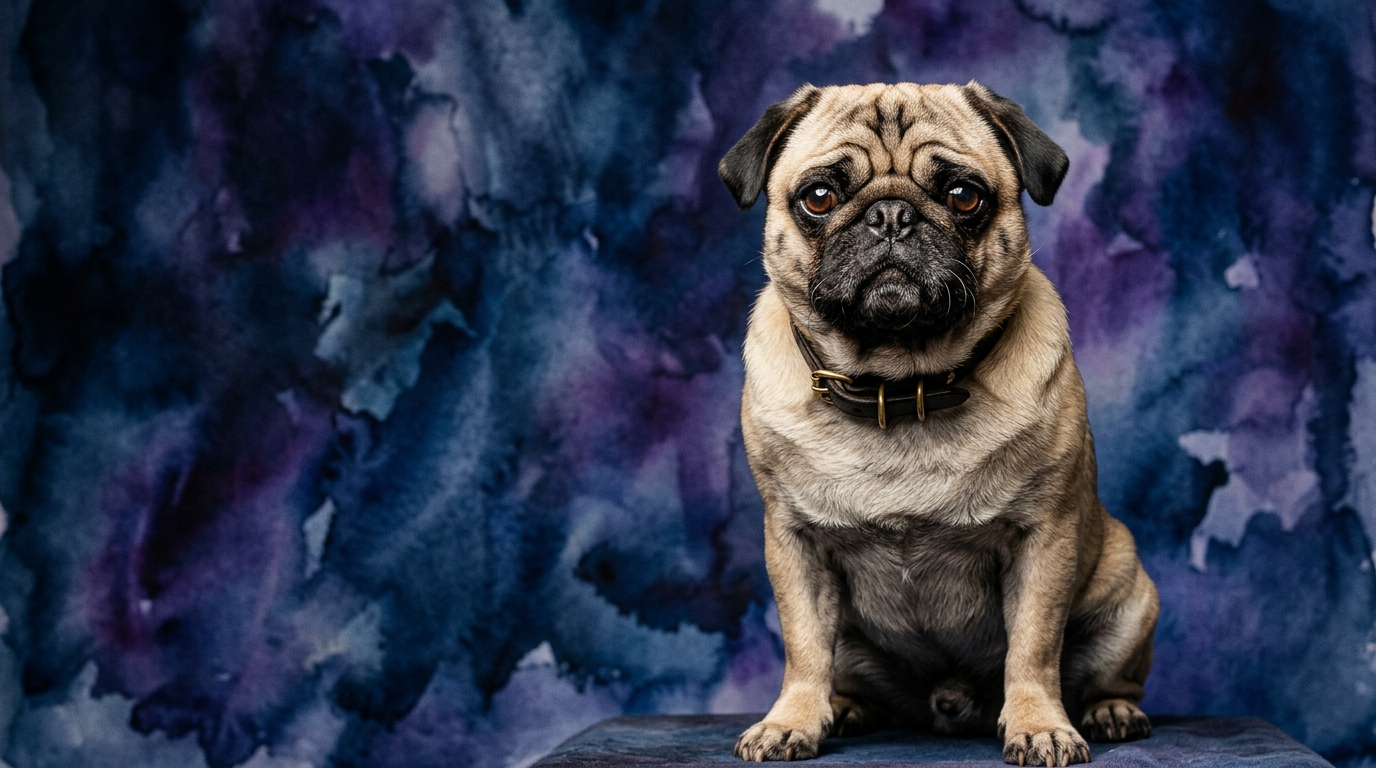
The Pug, a Toy group dog with a Coren rank of #57, exhibits a cognitive profile tailored for companionship. Their Problem Solving is rated 2/5, indicating a preference for human assistance over independent strategy. Training Speed also sits at 2/5, suggesting a more gradual learning curve. However, their Social Intelligence is a remarkable 5/5, highlighting their exceptional ability to connect with humans. Instinctive Drive is low at 2/5, reflecting their role as companions, while Memory is an average 3/5.
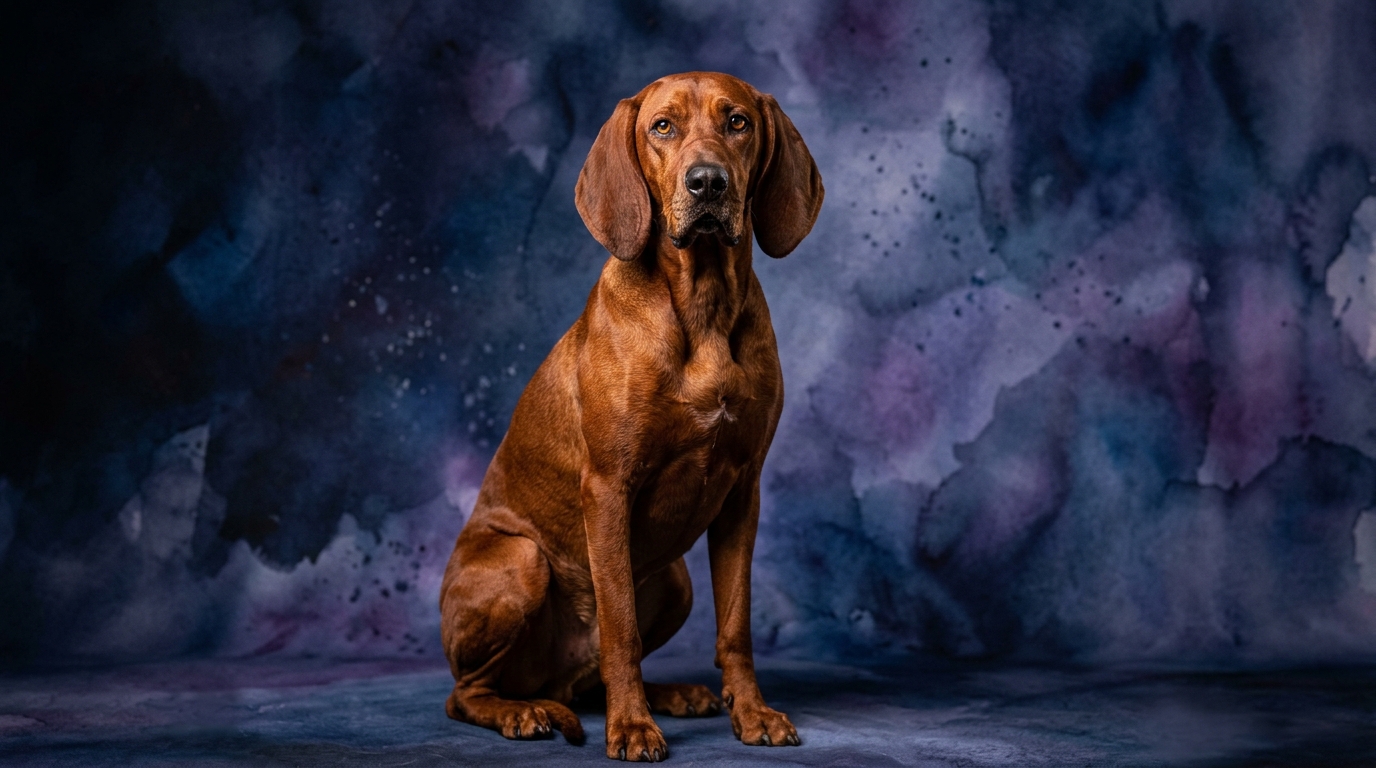
In contrast, the Redbone Coonhound, a Hound group dog not Coren-ranked, presents a profile geared towards their working origins. Their Problem Solving is 3/5, demonstrating practical resourcefulness in specific contexts. Training Speed is 3/5, indicating a moderate ability to learn but often requiring specific motivation. Social Intelligence is 3/5, suggesting strong family bonds but less nuanced human-reading than the Pug. Instinctive Drive is a notable 3/5, driven by their powerful scenting abilities, and their Memory is also 3/5, particularly for trails and routines.
Where the Pug Shines Cognitively
The Pug's standout cognitive strength lies unequivocally in their Social Intelligence, rated a perfect 5/5. This isn't merely about being friendly; it encompasses an exceptional capacity to read and respond to human emotions and social cues with remarkable accuracy. Pugs frequently anticipate their owner's moods, offering comfort or initiating play at just the right moment, demonstrating a profound empathetic connection. Their nuanced communication, often involving subtle body language, expressive gazes, and varied vocalizations, allows them to convey needs and desires effectively, often charming their way to desired outcomes.
This high social intelligence also translates into an impressive adaptability to household routines and family dynamics. Pugs integrate seamlessly into various social settings, thriving on interaction and becoming adept at navigating complex human relationships within the home. Their method of 'problem-solving' often involves leveraging their social acumen – instead of independently figuring out how to retrieve a dropped toy, a Pug is more likely to engage their owner with an appealing look, relying on their bond to achieve their goal. This deep understanding of human behavior makes them unparalleled companions for those seeking an emotionally attuned canine partner.
Where the Redbone Coonhound Excels Cognitively
The Redbone Coonhound's cognitive strengths are deeply rooted in their working heritage, particularly their powerful Instinctive Drive (3/5) and practical Problem Solving (3/5) abilities. Their world is often defined by scent, and their capacity to follow complex trails, discriminate between odors, and navigate varied terrains demonstrates a highly specialized form of intelligence. This isn't abstract reasoning, but a focused, persistent determination to pursue a goal, often over long distances and challenging conditions.
When on a scent, a Redbone exhibits remarkable focus and endurance, making independent decisions about which path to take or how to bypass an obstacle, all in service of their primary objective. Their problem-solving is task-oriented and effective within their field, allowing them to overcome environmental challenges that would stump many other breeds. This drive necessitates significant mental and physical engagement, as their minds are wired for exploration and tracking. Their memory, also rated 3/5, is particularly robust for olfactory information, allowing them to recall specific scents and trails, which is crucial for their working role.
Training: Leveraging Distinct Motivations
When it comes to training, both breeds present unique considerations, stemming from their differing cognitive profiles. The Pug, with a Training Speed of 2/5, can be a patient learner. Their independent streak and strong preference for comfort over strenuous activity mean that training sessions need to be engaging, positive, and often short. They respond best when training is framed as a fun, bonding activity, leveraging their high social intelligence and desire for human approval. Consistency and high-value rewards are key, as their motivation can wane if they perceive a task as uninteresting or too demanding. While not the fastest to acquire new commands, their dedication to their human family means they can achieve solid obedience with the right approach.
The Redbone Coonhound, with a Training Speed of 3/5, is capable but often challenged by their powerful Instinctive Drive (3/5). Their nose can be an overwhelming distraction, making it difficult for them to focus on human commands when a compelling scent is present. Training a Redbone requires immense patience, creativity, and a deep understanding of their scent-driven nature. High-value rewards, consistent repetition, and environments free from overwhelming olfactory distractions are crucial. While they can master commands, their independence and drive to follow a trail mean that general obedience might feel like an uphill battle compared to a breed more genetically predisposed to biddability. For tasks aligned with their instincts, like scent work, they can excel, but for general household manners, their focus often needs significant redirection from their primary sensory input.
Matching Canine Cognition to Lifestyle
The cognitive profiles of the Pug and Redbone Coonhound naturally align with very different owner lifestyles. The Pug, with their exceptional Social Intelligence and low Instinctive Drive, is an ideal fit for relaxed owners. They thrive in environments where their primary role is that of a cherished companion, content with moderate indoor play and short, leisurely walks. Their deep connection to humans means they are perfectly happy to spend quiet evenings on the couch, offering comfort and companionship without demanding extensive physical or mental exertion. They adapt well to apartment living and less active households, valuing proximity to their human family above all else.
Conversely, the Redbone Coonhound's robust Instinctive Drive and practical Problem Solving abilities make them suited for active, engaged owners. These dogs require significant daily exercise, not just for physical health but also for mental stimulation. Opportunities to use their powerful nose, whether through structured scent games, long hikes, or even participation in dog sports like tracking, are vital for their well-being. They are best suited for homes with ample space, secure yards, and owners who are enthusiastic about outdoor adventures. A sedentary lifestyle would leave a Redbone mentally understimulated and potentially prone to frustration, as their cognitive makeup compels them to explore and follow their instincts.
The Verdict
Opt for a Pug if you prioritize a deeply empathetic companion who excels at social interaction and adapts seamlessly to a relaxed home environment. They offer profound emotional connection and require minimal physical exertion.
Select a Redbone Coonhound if you are an active individual or family eager to engage with a dog possessing robust outdoor instincts and a keen sense of smell. They thrive on purposeful activity and a stimulating environment.
🧠 Find Your Pet's IQ Score
Our Pet IQ Lab assessment covers 25+ tests across 5 cognitive dimensions — personalized to your breed.
Take the Full IQ Test →Frequently Asked Questions
Do Pugs enjoy learning tricks?
Pugs can certainly learn tricks, especially those that involve treats or social interaction, though their training speed is moderate. They may not be the fastest learners, but their desire for attention and their social intelligence can make training a fun, bonding experience for both dog and owner.
How does a Redbone Coonhound's scent drive affect daily life?
A Redbone Coonhound's powerful scent drive means they are often 'nose-driven' outdoors, potentially ignoring commands when on a compelling trail. This requires secure leashing, a fenced yard, and owners who understand and can channel this instinct through activities like scent work or tracking, rather than trying to suppress it entirely.
Are Pugs good with children?
Pugs generally have high social intelligence and can be very affectionate and tolerant with children, especially if properly socialized from a young age. Their sturdy build and desire for companionship often make them gentle playmates, though supervision is always recommended to ensure respectful interactions from both dog and child.