
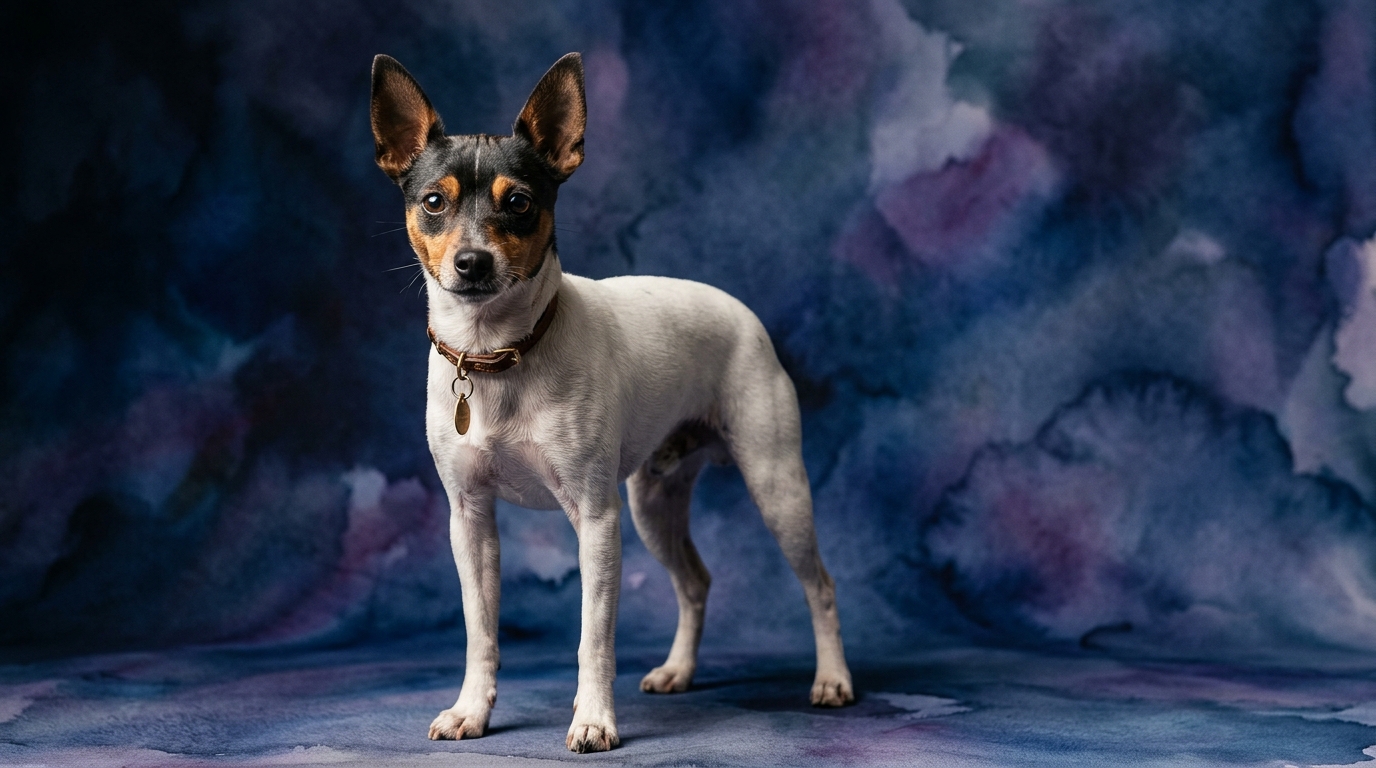
Side-by-Side IQ Profile: Pug vs. Toy Fox Terrier
The Pug's cognitive landscape is distinctly shaped by its role as a companion, emphasizing social connection over independent action. Their Problem Solving is rated 2/5; they typically approach challenges by seeking human intervention or employing straightforward, often less analytical, methods. For instance, a Pug might repeatedly nudge a closed door rather than attempting to manipulate a latch. Their Training Speed, also 2/5, indicates a need for patient, consistent instruction; while they are certainly capable of learning, they can be easily distracted or exhibit a charming stubbornness, making rapid skill acquisition less common. Where the Pug truly shines is in Social Intelligence, scoring a perfect 5/5. These dogs possess an extraordinary capacity to read and respond to human emotions, often anticipating needs for comfort or companionship with uncanny accuracy, fostering incredibly deep bonds. Their Instinctive Drive is low at 2/5, meaning primal urges like hunting or guarding are minimal; their primary focus remains on human interaction and comfort. Finally, their Memory is 3/5, allowing them to retain routines, familiar commands, and recognize individuals reliably, though they may benefit from occasional refreshers for less frequently practiced skills.
In contrast, the Toy Fox Terrier presents a more action-oriented cognitive profile, reflecting its terrier heritage. Their Problem Solving capacity is 3/5, indicating a moderate ability to independently figure out solutions, such as retrieving a toy from a tight spot or navigating a simple puzzle. They exhibit more initiative when faced with environmental challenges. Their Training Speed is also 3/5; these dogs are generally eager to learn and respond well to engaging, positive reinforcement, often picking up new commands with reasonable efficiency. Their Social Intelligence is rated 3/5. While affectionate and loyal to their family, they may not possess the same profound, subtle attunement to human emotional nuances as a Pug, often expressing their affection through playful interaction rather than quiet empathy. The Toy Fox Terrier's Instinctive Drive is 3/5, manifesting as a natural curiosity, an inclination to chase small moving objects, or a keen awareness of their surroundings, traits rooted in their heritage as vermin hunters. Their Memory, like the Pug's, is 3/5, enabling them to recall training, routines, and past experiences with consistency, contributing to their adaptability and learning capacity.
Where the Pug Wins Cognitively
The Pug's undisputed cognitive strength lies in its extraordinary Social Intelligence, achieving a perfect 5/5. This isn't merely about being affectionate; it's a sophisticated capacity to perceive and respond to the subtle nuances of human emotion and social cues. Pugs are masters at forming deep, intuitive bonds, often seeming to anticipate their owner's moods or desires for connection. They excel at providing comfort and companionship, integrating themselves into the emotional fabric of a family with an empathy that surpasses many other breeds. Their cognitive architecture prioritizes understanding and fostering human relationships, making them exceptional emotional support animals and devoted companions who thrive on mutual understanding, a domain where the Toy Fox Terrier's 3/5 rating offers a more functional, rather than deeply empathetic, social engagement.
Where the Toy Fox Terrier Wins Cognitively
The Toy Fox Terrier clearly demonstrates cognitive advantages in areas demanding independence, quick learning, and an exploratory spirit. With a Problem Solving score of 3/5, they exhibit more initiative and resourcefulness when faced with environmental puzzles or minor obstacles, often attempting various strategies to achieve a goal. Their Training Speed of 3/5 means they generally grasp new commands and concepts more readily than Pugs, benefiting from engaging training sessions that challenge their agile minds. Furthermore, their Instinctive Drive of 3/5 fuels a natural curiosity and a desire to interact with their surroundings, whether through chasing a tossed toy or investigating a novel scent. These combined traits make the Toy Fox Terrier a more proactive and mentally adventurous companion, contrasting with the Pug's more passive, comfort-oriented approach to environmental engagement.
Which is Easier to Train and Why
When assessing trainability, the Toy Fox Terrier generally holds an advantage over the Pug. The Toy Fox Terrier's Training Speed of 3/5 suggests they are quicker to pick up new commands and more responsive to consistent instruction, often thriving on the mental stimulation that training provides. Their moderate Instinctive Drive (3/5) also means they are naturally more curious and engaged with their environment, making them more amenable to learning tasks that involve interaction and problem-solving. In contrast, the Pug's 2/5 Training Speed indicates they require more patience, repetition, and creative motivation. While Pugs are certainly capable of learning, their lower instinctive drive and tendency to prioritize comfort and social connection mean that training sessions need to be particularly engaging to overcome potential distractions or a characteristic charming stubbornness. Toy Fox Terriers often view training as a fun challenge, whereas Pugs might see it as an interruption to cuddle time, necessitating a different approach to maintain their focus and enthusiasm.
Which Suits Active Owners vs. Relaxed Owners
The choice between these two breeds often comes down to an owner's lifestyle and their preferred level of canine engagement. For those leading a more relaxed, home-centric life, the Pug is an exceptional fit. Their profound Social Intelligence (5/5) means they thrive on close companionship and are perfectly content with gentle walks, cuddle sessions, and being a constant, comforting presence. Their low Instinctive Drive (2/5) means they have minimal demands for strenuous activity or complex mental tasks, preferring quiet togetherness. Conversely, the Toy Fox Terrier is better suited for active owners who enjoy engaging their dog in various pursuits. Their moderate Problem Solving (3/5), quicker Training Speed (3/5), and moderate Instinctive Drive (3/5) make them enthusiastic participants in interactive games, short bursts of agility, or exploring new environments. They benefit from consistent mental and physical stimulation to prevent boredom and channel their spirited energy, making them ideal for owners who appreciate a dog with a lively, inquisitive mind.
The Verdict: When to Choose Each
Ultimately, the decision between a Pug and a Toy Fox Terrier rests on the specific cognitive and behavioral traits that best align with an owner's expectations and lifestyle. Both breeds offer unique delights, but their differing intellectual strengths mean they cater to distinct companionship needs. The Pug’s genius lies in its heart-centered connection and intuitive understanding of human emotion, making it the quintessential empathetic companion. The Toy Fox Terrier’s intellectual edge is found in its spirited curiosity, quicker learning, and more independent approach to the world, appealing to those who desire a more interactive and mentally engaged canine partner. Understanding these nuanced differences ensures a harmonious match for years to come.
The Verdict
Choose a Pug if you prioritize unparalleled social intelligence and a profoundly empathetic companion who thrives on close emotional connection and a relaxed, comfort-oriented lifestyle.
Opt for a Toy Fox Terrier if you seek a spirited, quick-learning companion with a moderate drive for engagement, suitable for active owners who enjoy interactive play and mental challenges.
🧠 Find Your Pet's IQ Score
Our Pet IQ Lab assessment covers 25+ tests across 5 cognitive dimensions — personalized to your breed.
Take the Full IQ Test →Frequently Asked Questions
Are Pugs truly stubborn during training?
Pugs can exhibit what appears to be stubbornness due to their lower training speed and strong preference for comfort over task-oriented activities. They require patient, consistent, and highly motivating training methods to maintain their focus and enthusiasm, rather than being inherently defiant.
Do Toy Fox Terriers require a lot of exercise?
Toy Fox Terriers have a moderate instinctive drive and energy level, meaning they benefit from regular, moderate exercise and mental stimulation. Daily walks, interactive play, and opportunities to explore will help satisfy their curiosity and prevent boredom, but they don't typically require extensive, high-impact activities.
Which breed is better with children?
Both breeds can be good with children, but their social styles differ. Pugs, with their high social intelligence, often form gentle, empathetic bonds, while Toy Fox Terriers might engage more actively in playful interactions. Supervision is always recommended, and early socialization is key for any dog interacting with children.