Side-by-Side IQ Profile
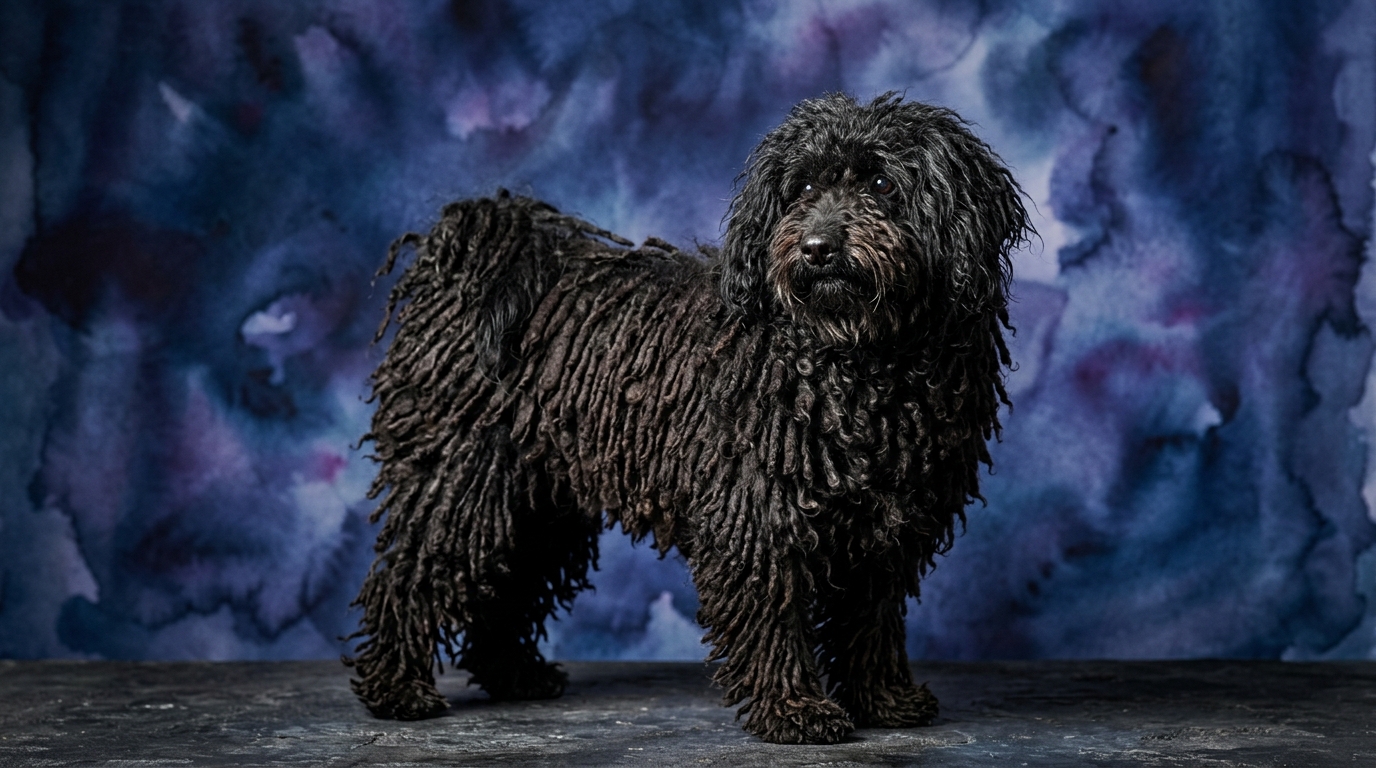
The Puli, achieving a commendable #25 ranking by Coren, exhibits a finely tuned cognitive architecture reflective of its herding lineage. Their Problem Solving, rated 4/5, isn't just about finding solutions, but often involves strategic foresight, such as anticipating livestock movements or identifying potential threats to their flock. This translates into a capacity for independent decision-making in complex, dynamic environments. Training Speed, also at 4/5, underscores their ability to rapidly absorb and execute new commands, making them responsive partners in tasks requiring precise timing and nuanced direction. Their Social Intelligence, a 3/5, speaks to a deep, discerning bond with their immediate human family, treating them as their "flock," while maintaining a cautious, observant stance towards unfamiliar individuals, a trait vital for a protective guardian. The Instinctive Drive, rated 3/5, is powerfully channeled into herding and protection, manifesting as a persistent desire to maintain order and keep their charges safe and accounted for. This drive shapes their problem-solving towards management and oversight. Their Memory, strong at 4/5, allows them to recall intricate spatial layouts, extensive command sequences, and the individual personalities and behaviors of those they consider their own, enabling consistent and reliable performance over time.
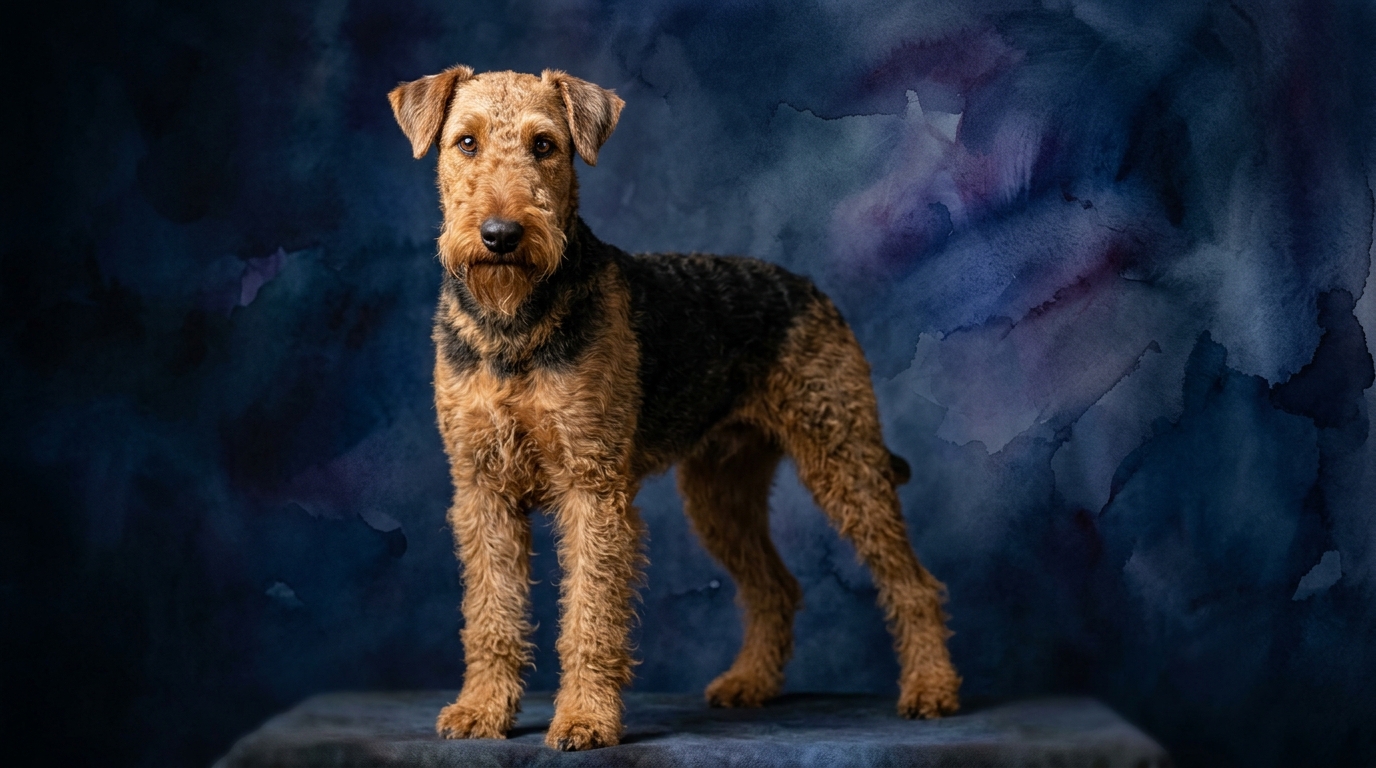
Closely following at Coren's #29, the Airedale Terrier presents a robust and distinct cognitive blueprint. Their Problem Solving capability, rated 4/5, is often characterized by a determined, focused intensity, particularly when pursuing a goal or overcoming a physical barrier. This reflects their heritage as tenacious hunters of vermin, requiring ingenuity to navigate challenging environments and outsmart elusive prey. A Training Speed of 4/5 highlights their quick learning aptitude, yet this rapid absorption must contend with their inherent independence and spirited nature, which demands engaging and consistent training methods. Social Intelligence, at 3/5, suggests they form profound attachments with their human family, often displaying a playful and affectionate demeanor, but can exhibit a confident, sometimes assertive, disposition towards other dogs. This social dynamic is a hallmark of their bold terrier temperament. Their Instinctive Drive, also 3/5, is predominantly a powerful prey drive, coupled with a strong inclination for exploration, digging, and scent work, all remnants of their original purpose. With an impressive Memory score of 4/5, Airedales are adept at retaining complex sequences, tracking intricate scent trails, and remembering learned behaviors, which makes them formidable competitors in various canine sports and practical tasks.
Where Puli Wins Cognitively
The Puli's cognitive strengths are particularly evident in tasks demanding a sophisticated understanding of group dynamics, anticipatory problem-solving, and a proactive, protective vigilance. Their ancestral role as herders cultivates a unique spatial intelligence focused on managing multiple moving entities, allowing them to predict and influence the movements of a flock or, in a home setting, a busy family. This translates into an exceptional ability to "read" complex social situations, making them adept at mediating interactions or gently guiding individuals without direct command. Furthermore, their problem-solving, while highly rated, often leans towards strategic planning within an open, fluid environment, such as determining the most efficient path to gather dispersed sheep or navigating a crowded park. This is distinct from a singular, focused pursuit. Their memory is not merely for commands, but for the intricate patterns of behavior and relationships within their chosen "flock," enabling them to preemptively address potential issues or maintain a subtle, watchful oversight. Their cognitive style is geared towards maintaining harmony and order through observation and subtle intervention.
Where Airedale Terrier Wins Cognitively
Conversely, the Airedale Terrier demonstrates a distinct cognitive advantage in scenarios requiring intense, singular focus, unwavering tenacity, and bold initiative. Their problem-solving prowess is often directed towards overcoming physical obstacles, outsmarting a challenge, or persistent pursuit of a specific goal, reflecting their history of flushing out burrowed prey. This manifests as a determined, almost relentless approach to puzzle toys, scent work, or agility courses, where their drive to "solve" a single, tangible challenge is paramount. Their memory, while excellent, is often powerfully influenced by their strong sensory drives, making them exceptionally adept at remembering complex scent trails, the locations of hidden objects, or intricate routes that lead to a reward. This breed excels in tasks that demand a robust, independent spirit and a willingness to push through challenges with conviction. Whether it's navigating an agility course with speed and precision or consistently tracking a scent through varied and difficult terrain, their cognitive makeup supports a fearless, goal-oriented approach. Their social intelligence, while strong within their family unit, often translates to a confident, assertive presence, allowing them to navigate new environments or confront novel situations with remarkable self-assurance.
Which is Easier to Train and Why
When comparing ease of training, both breeds possess a 4/5 Training Speed, indicating a rapid ability to grasp concepts. However, the *application* of this speed differs due to their inherent temperaments and drives. The Puli's herding instinct, while strong, is often more amenable to channeling into structured obedience and cooperative tasks. They thrive on having a "job" and often view their human as the shepherd, making them generally eager to comply with commands that contribute to a perceived order. Their independence might manifest as questioning the *reason* for a command, but once convinced, they execute with precision. In contrast, the Airedale Terrier's equally impressive training speed can be overshadowed by their robust terrier independence and strong prey drive. While they learn quickly, their focus can be easily diverted by interesting scents or small moving objects, requiring a trainer to maintain high engagement and consistent reinforcement to keep their attention. An Airedale might understand a command perfectly but choose to ignore it if something more captivating presents itself, making training a continuous exercise in motivation and proofing against distractions. Therefore, while both learn fast, the Puli generally offers a more cooperative and less distraction-prone training experience for the average owner.
Which Suits Active Owners vs Relaxed Owners
Neither the Puli nor the Airedale Terrier are suited for truly "relaxed" owners, as both require substantial mental and physical engagement to thrive. However, their ideal activities diverge. The Puli, with its herding background, generally suits active owners who enjoy structured activities like herding trials, agility, rally obedience, or long, exploratory walks where they can "patrol" a larger area. They appreciate having a routine and a defined role within the family, flourishing when their cognitive abilities are challenged with tasks that involve strategy, problem-solving in a dynamic environment, and close partnership. Their energy is often channeled into purposeful activity. The Airedale Terrier, on the other hand, is a better fit for active owners who relish adventure, variety, and robust outdoor pursuits. They excel in activities like advanced obedience, tracking, earthdog trials, or vigorous hikes that allow them to explore and satisfy their strong prey drive and curiosity. Airedales thrive on challenging mental puzzles and physical exertion that engages their tenacity and independent spirit. Owners must be prepared for their boisterous nature and commitment to ongoing training and socialization to manage their strong personality effectively.
The Verdict
If you desire a perceptive, strategic companion who excels at understanding group dynamics and enjoys structured tasks, offering a cooperative partnership in a predictable environment, the Puli is an excellent choice.
If you seek a tenacious, independent partner who thrives on varied adventures and challenging, target-oriented problem-solving, requiring a committed owner to channel their spirited drive, the Airedale Terrier is a compelling option.
🧠 Find Your Pet's IQ Score
Our Pet IQ Lab assessment covers 25+ tests across 5 cognitive dimensions — personalized to your breed.
Take the Full IQ Test →Frequently Asked Questions
Are Pulis or Airedale Terriers better for first-time dog owners?
Neither breed is typically recommended for first-time owners due to their strong personalities and specific needs. Both require consistent training, socialization, and an understanding of their unique drives to ensure they become well-adjusted companions. A Puli's independence and grooming needs, alongside an Airedale's tenacity and prey drive, demand experienced handling.
Do Pulis or Airedale Terriers require a lot of exercise?
Yes, both breeds are energetic and require significant daily exercise and mental stimulation. Pulis thrive on purposeful activities like herding or agility, needing long walks and interactive play. Airedale Terriers need vigorous exercise, including running, hiking, and engaging in mentally challenging games, to prevent boredom and destructive behaviors.
How do their protective instincts compare?
The Puli's protective instincts are rooted in their herding background, making them watchful guardians of their family and home, often discerning but not overly aggressive. The Airedale Terrier, while loyal and protective of its family, expresses this through its bold, confident terrier nature, which can be assertive towards strangers or other animals if not properly socialized and trained.