Side-by-Side Cognitive Profiles: Herding Acuity vs. Scent-Driven Persistence
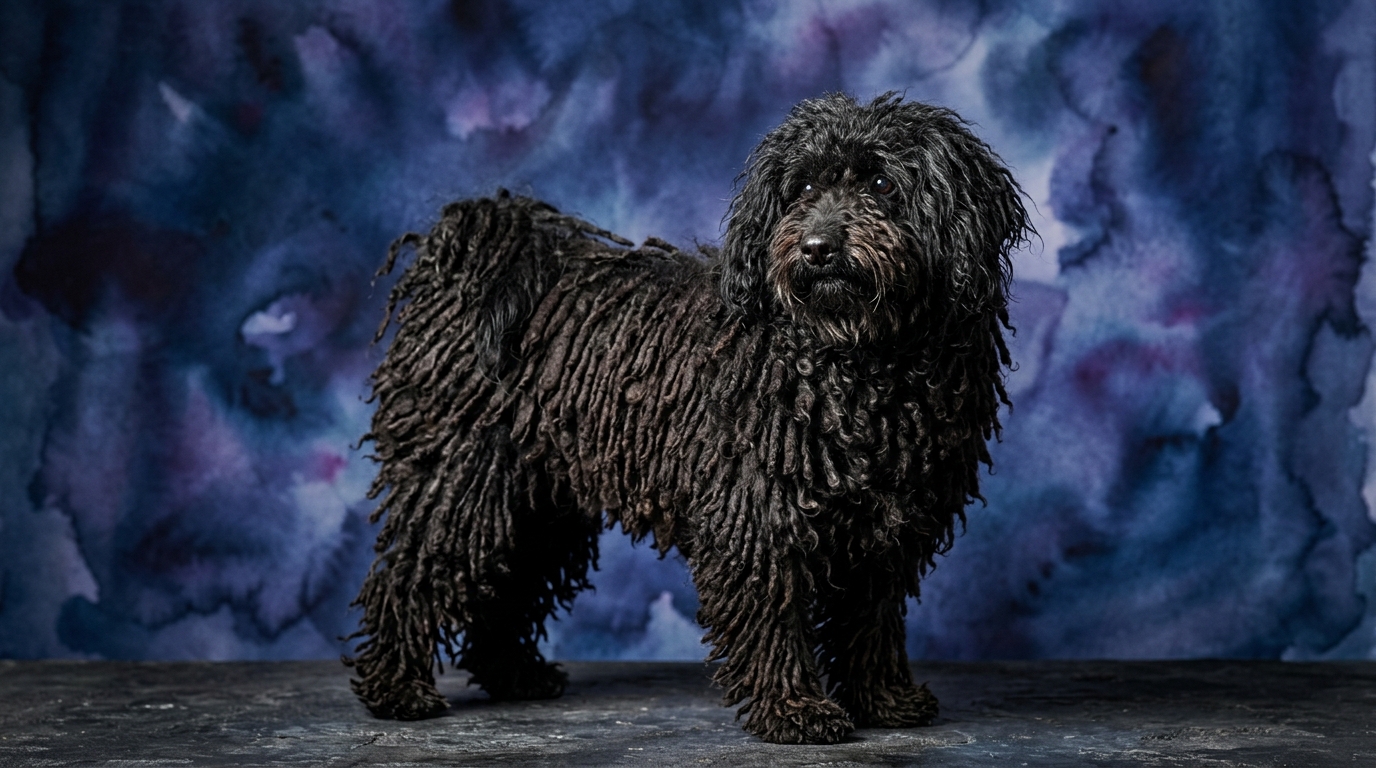
The Cosmic Pet Pet IQ Lab offers a nuanced lens into canine cognition, revealing how evolutionary roles shape intelligence. The Puli, a herding dog, displays a profile geared towards intricate tasks and strong partnership. Its Problem Solving is rated 4/5, reflecting an ability to conceptualize and execute solutions to novel challenges, often involving manipulation or strategic movement. Training Speed, also 4/5, indicates a quick uptake of new commands and routines, eager for handler collaboration. Social Intelligence sits at 3/5, suggesting an aptitude for reading human cues and adapting socially, yet maintaining a degree of independent thought characteristic of a working dog. Instinctive Drive, 3/5, channels into focused herding impulses rather than overwhelming pursuit. Memory, at 4/5, highlights its capacity for retaining learned behaviors and environmental specifics, vital for complex herding patterns. The Puli's Coren rank of #25 underscores its responsiveness.
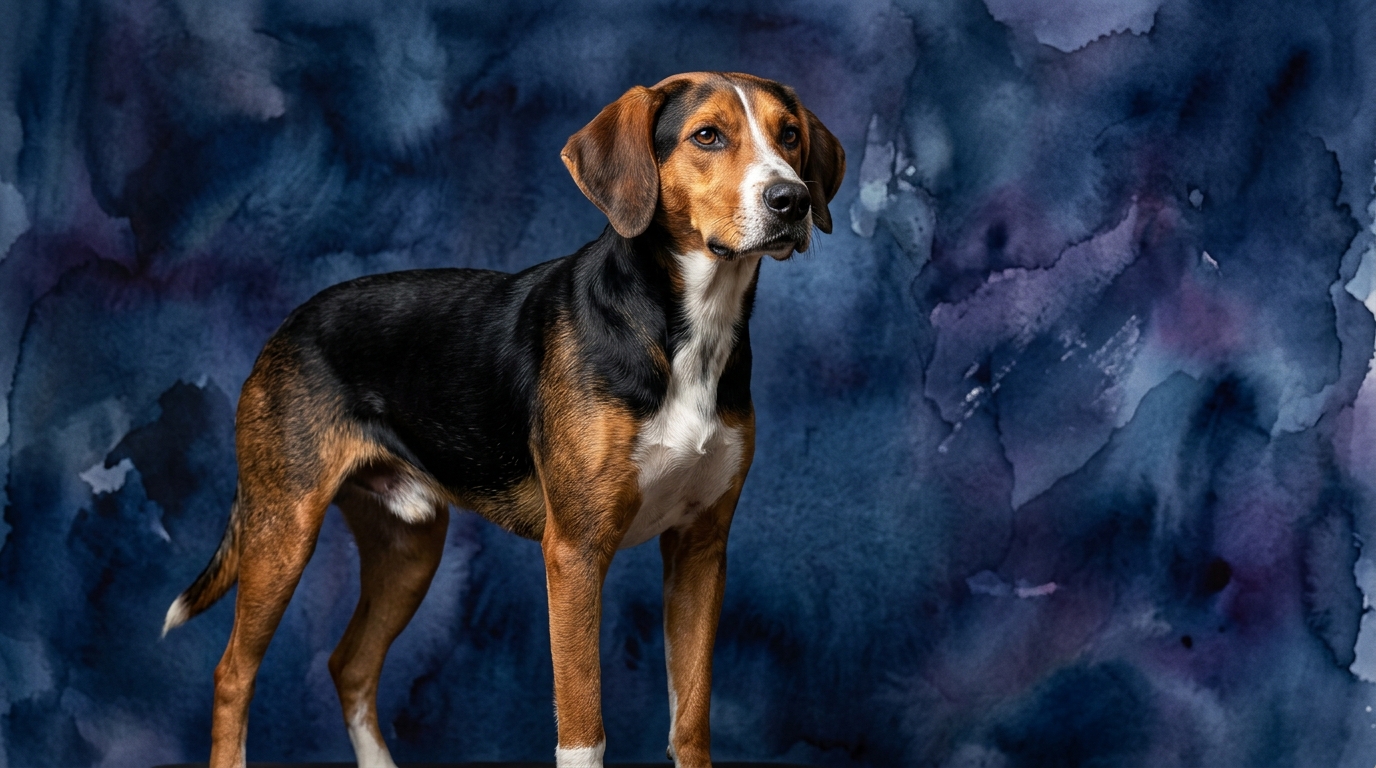
The American Foxhound, purpose-bred for trailing game, presents a cognitive profile optimized for endurance and singular olfactory focus. Its Problem Solving is 3/5, demonstrating practical approaches to challenges like navigating terrain in scent pursuit, rather than abstract thinking. Training Speed also registers 3/5, implying it learns commands but may require more repetition due to its independent streak and primary focus on scent. Social Intelligence is 3/5, reflecting an amiable nature but one easily diverted by compelling odors. Instinctive Drive, 3/5, is powerfully channeled into persistent tracking and hunting behaviors, often overriding other impulses. Memory, rated 3/5, is functional for recalling trails and familiar environments, less so for complex obedience sequences. The American Foxhound, not Coren-ranked, embodies the classic hound spirit, prioritizing its nose.
Where the Puli Exhibits Cognitive Strengths
The Puli’s cognitive advantage shines in its capacity for structured learning and precise behavioral retention. Its superior Problem Solving (4/5) and Training Speed (4/5) scores mean a Puli can often master new tasks and respond to commands with remarkable efficiency. This acumen stems directly from its herding heritage, demanding dogs understand complex instructions, anticipate livestock movements, and work in synchronized partnership. For instance, teaching a Puli a multi-stage agility sequence or a series of intricate tricks would likely progress swiftly, showcasing their mental agility. Their 4/5 Memory score further reinforces this, enabling them to reliably recall these complex routines over extended periods. This breed excels at tasks requiring sequential thought, precise execution, and a deep understanding of human directives, making them adept at various performance sports and intricate obedience work.
Where the American Foxhound Exhibits Cognitive Strengths
While the Puli thrives on structured obedience, the American Foxhound's cognitive prowess lies in its unparalleled sensory processing and unwavering perseverance. Its 3/5 Instinctive Drive isn't merely a desire to hunt; it represents an extraordinary ability to maintain intense focus on a single sensory input—scent—to the exclusion of almost all else. This selective attention and relentless pursuit of a trail exemplifies a unique form of problem-solving (3/5), where the "problem" is locating a hidden quarry, and the "solution" involves intricate scent discrimination and persistent navigation across diverse landscapes. Their memory (3/5) is particularly attuned to recalling scent profiles and successful hunting routes, allowing them to efficiently follow complex tracks for hours. This breed demonstrates a mental stamina and sensory acuity that enables it to sustain focus on a singular, instinct-driven task over vast distances, making it a master of olfactory detection and enduring pursuit.
Training Dynamics: Precision Partner vs. Persistent Explorer
Training a Puli typically involves a more collaborative and responsive experience due to its higher Training Speed (4/5) and Problem Solving (4/5). They generally enjoy learning and aim to please, quickly associating actions with rewards and understanding expectations. Their herding background means they are accustomed to taking direction and working as part of a team, making them receptive to various positive reinforcement methods. While they possess an independent streak, it's usually channeled into intelligent decision-making within a given task rather than outright defiance. A Puli is likely to master foundational obedience commands with relative ease and can progress quickly to advanced tasks like competitive obedience or rally.
The American Foxhound, with its 3/5 Training Speed, presents a different training journey. Their formidable instinctive drive for scent work often means that unless a command directly aligns with their olfactory pursuits, it may be perceived as less compelling. This isn't a lack of capacity to learn, but rather a difference in motivation and priorities. Training an American Foxhound requires immense patience, consistency, and often, incorporating their natural drive into the training itself. For instance, using scent games as rewards can be highly effective. Owners must understand that a strong, compelling scent will almost always take precedence, requiring robust recall training and secure environments.
Owner Suitability: Engaging Minds vs. Enduring Companions
For active owners seeking a canine partner for structured activities and mental engagement, the Puli is often an excellent match. Its strong problem-solving and training speed mean it thrives on challenges like agility or advanced obedience. Owners who enjoy teaching new tricks or participating in dog sports will find the Puli a receptive and enthusiastic participant. Their need for mental stimulation means a relaxed owner providing minimal engagement might find a Puli becoming bored or developing undesirable behaviors, requiring investment in consistent training and varied intellectual stimulation.
Conversely, the American Foxhound is better suited for owners who appreciate an enduring spirit and independent nature, and who can provide ample opportunities for physical exercise, especially off-leash in secure areas for scent exploration. Relaxed owners desiring a dog for long walks or jogs, without demanding constant structured mental work, may find a good fit, provided they manage the Foxhound's powerful scent drive. This breed needs space to roam and exercise its instincts, requiring secure fencing and diligent leash work.
The Verdict
Choose a Puli if you desire a highly trainable, mentally agile companion eager to learn complex tasks and participate in dog sports, thriving on structured engagement.
Opt for an American Foxhound if you appreciate a resilient, independent spirit with an extraordinary nose, willing to provide ample secure space for scent exploration and long, consistent exercise.
🧠 Find Your Pet's IQ Score
Our Pet IQ Lab assessment covers 25+ tests across 5 cognitive dimensions — personalized to your breed.
Take the Full IQ Test →Frequently Asked Questions
Is the Puli a good choice for first-time dog owners?
A Puli can be a good choice for first-time owners who are committed to consistent training and providing ample mental stimulation. Their intelligence and eagerness to learn can be rewarding, but their independent streak requires a confident and patient approach.
How much exercise does an American Foxhound need daily?
American Foxhounds need substantial daily exercise, typically an hour or more of vigorous activity, often involving opportunities to run and explore scents in a safe, fenced area. Their endurance means they can go for miles, so long walks, jogs, or secure off-leash play are essential.
Do Pulis and American Foxhounds get along well with other pets?
Pulis generally coexist well with other pets, especially if socialized early, though their herding instinct might lead them to "herd" smaller animals. American Foxhounds are typically amiable with other dogs due to their pack heritage, but their strong prey drive means careful introductions are needed with smaller, non-canine pets.