Side-by-Side Cognitive Profile: Puli vs. American Staffordshire Terrier
At The Cosmic Pet Pet IQ Lab, we evaluate canine intelligence across five critical dimensions to provide a nuanced understanding of each breed's cognitive strengths. Here’s how the Puli and the American Staffordshire Terrier stack up.
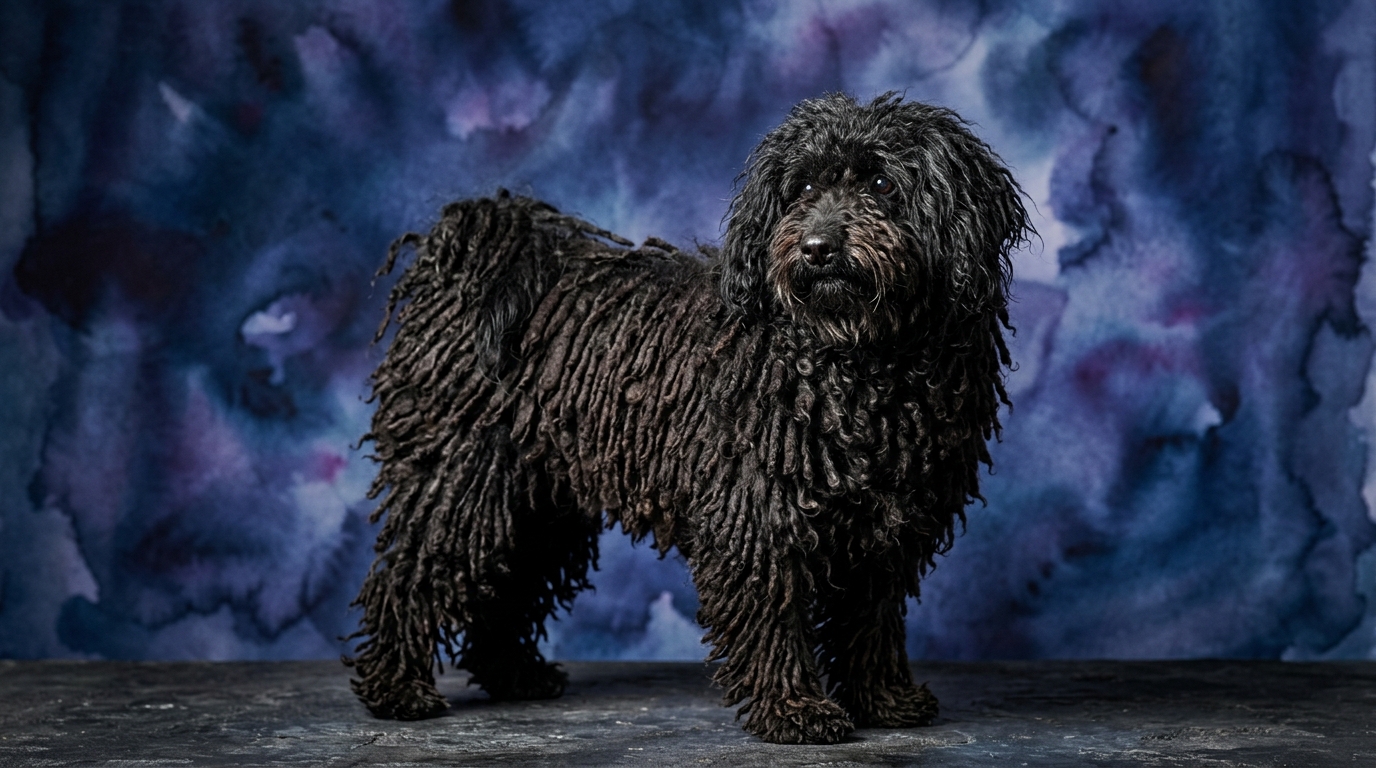
The Puli, a Hungarian herding dog ranked #25 by Coren, exhibits a cognitive profile tailored for independent and responsive work. Its Problem Solving score of 4/5 reflects a breed capable of complex decision-making, often without direct human intervention, a vital trait for managing livestock across varied terrains. With a Training Speed of 4/5, Pulis are quick studies, absorbing new commands and routines with impressive efficiency, driven by a desire to cooperate. Their Social Intelligence is rated 3/5, indicating deep bonds with their family but a more reserved approach to strangers, focusing their perceptive abilities on their immediate circle. An Instinctive Drive of 3/5 points to a purposeful energy, primarily expressed through their herding impulses, rather than generalized high activity. Finally, their Memory score of 4/5 is crucial for retaining complex routes, commands, and flock recognition, making their learned behaviors durable.
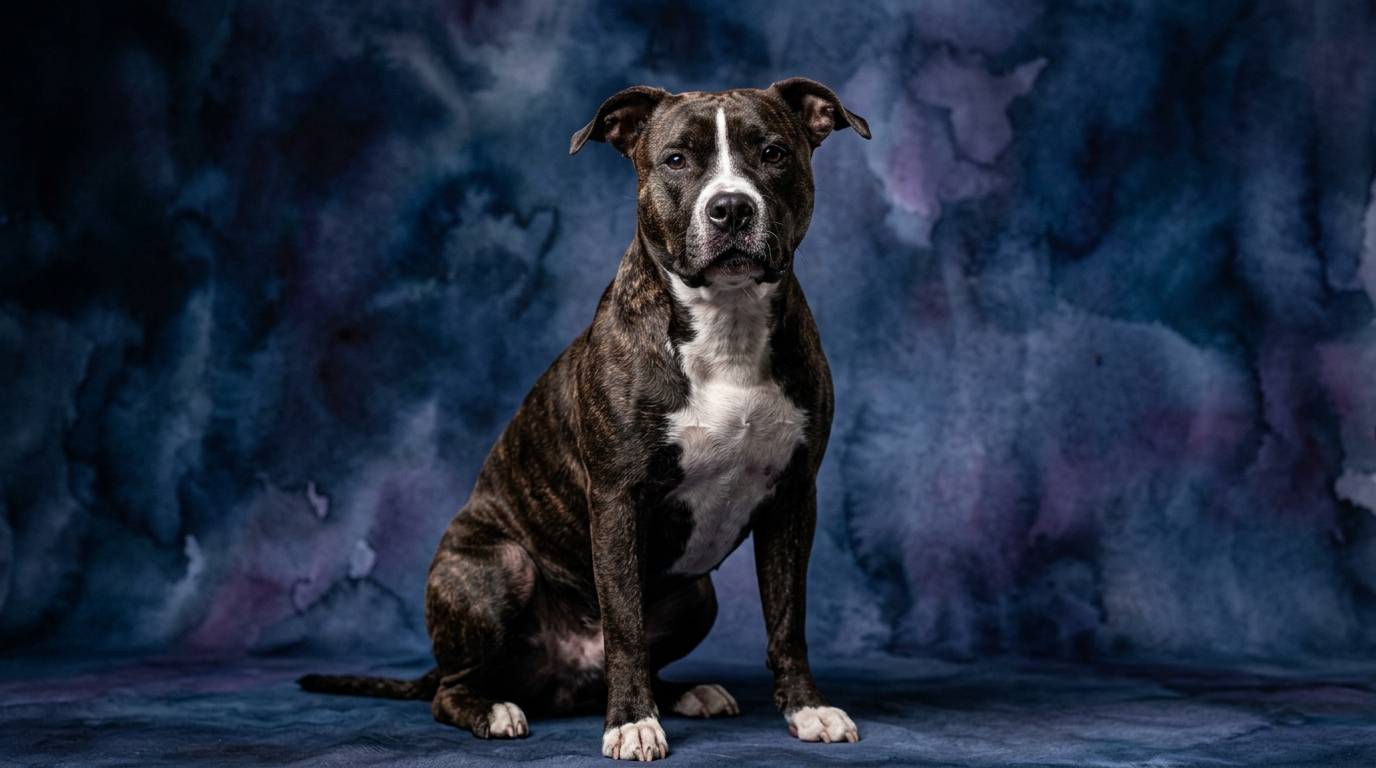
The American Staffordshire Terrier (AmStaff), a breed from the Terrier group ranked #48 by Coren, presents a cognitive makeup that emphasizes loyalty, resilience, and a practical intelligence. Its Problem Solving score of 3/5 denotes solid capabilities for navigating routine challenges and mastering tasks presented by their human companions, excelling in structured environments. A Training Speed of 3/5 suggests they learn at a steady pace, thriving with consistent, positive reinforcement to solidify new behaviors. Like the Puli, their Social Intelligence is 3/5, signifying strong attachments to their family and an understanding of human moods, though they might also be reserved with unfamiliar individuals. Their Instinctive Drive, also 3/5, manifests as a robust desire for engaging physical activity and interactive play, contributing to their athleticism and enthusiasm. Crucially, the AmStaff shares a Memory score of 4/5 with the Puli, indicating an excellent capacity to retain commands, routines, and past experiences, underscoring their reliable and steadfast nature.
Where the Puli Wins Cognitively
The Puli clearly holds an edge in two key cognitive areas: problem-solving and training speed. Their 4/5 rating in problem-solving reflects a breed honed to make independent decisions in dynamic environments, such as separating a wayward sheep from the flock or navigating uneven terrain to gather livestock. This translates into a dog that can quickly assess novel situations, figure out how to open a gate, or invent new ways to retrieve a toy, often without direct human instruction. Complementing this is their 4/5 training speed, which means Pulis grasp new commands and complex sequences of actions with impressive alacrity. Their inherent desire to work and their capacity for quick learning make them exceptionally receptive to advanced obedience, agility, or competitive herding training, often requiring fewer repetitions than many other breeds to master a task.
Where the American Staffordshire Terrier Wins Cognitively
While the Puli's scores are higher in some areas, the American Staffordshire Terrier's cognitive profile emphasizes a different, equally valuable set of strengths. Their 3/5 in problem-solving, while lower than the Puli's, signifies a practical intelligence geared towards mastering tasks set by their human partners and navigating social cues within their family unit. They excel at understanding routines and responding consistently to established commands, demonstrating a reliable and stable cognitive approach. Furthermore, the AmStaff's matching 4/5 memory score with the Puli is significant; they retain learned behaviors and social interactions over long periods, making them steadfast companions who remember their training and their beloved people. Their social intelligence, also rated 3/5, is deeply rooted in loyalty, allowing them to form profound, perceptive bonds within their family, often anticipating needs and offering comfort through their observant nature.
Which Is Easier to Train and Why
Based on the Pet IQ Lab's metrics, the Puli is generally easier to train, primarily due to its superior training speed (4/5) compared to the American Staffordshire Terrier's 3/5. The Puli's herding heritage instilled a profound eagerness to cooperate and respond to direction, often requiring fewer repetitions to cement a new command. Their inherent drive to work alongside a handler means they are often more engaged during training sessions and quicker to understand the 'why' behind a task. For example, a Puli might pick up a multi-step agility sequence after only a few demonstrations, whereas an AmStaff, while capable, would likely benefit from more structured, patient repetitions. The AmStaff’s training speed, while respectable, leans towards a need for consistent, positive reinforcement and clear, unambiguous instruction to build reliable responses. Their strong will, characteristic of many terriers, means that while they are eager to please their loved ones, they also require a trainer who can motivate them effectively without resorting to harsh methods, which can be counterproductive.
Suitability for Active vs. Relaxed Owners
The Puli, with its history of active herding and its high problem-solving capacity, generally suits active owners who can provide ample mental stimulation alongside physical exercise. These dogs thrive on having a 'job,' whether it's advanced obedience, agility, or even complex puzzle toys. Owners who enjoy teaching new tricks, engaging in dog sports, or embarking on long, varied hikes will find the Puli a willing and capable partner. Their moderate instinctive drive (3/5) is directed and purposeful, meaning they need outlets for that drive to prevent boredom and potential behavioral issues.
Conversely, the American Staffordshire Terrier, while athletic and enjoying active play, can adapt well to both active and somewhat more relaxed owners, provided their fundamental needs for exercise and mental engagement are met. Their moderate instinctive drive (3/5) means they appreciate daily walks, play sessions, and interactive games, but they are also often content to relax with their family after their needs are fulfilled. They don't typically demand the same intensity of independent cognitive challenges as a Puli, making them a good fit for families seeking a loyal companion for general activities rather than specialized working roles.
The Verdict
Choose the Puli if you are an active owner seeking a highly trainable partner for dog sports, advanced obedience, or complex mental challenges, valuing independent problem-solving and rapid learning. Their unique cognitive profile excels in environments where precision and quick adaptation are prized.
Opt for the American Staffordshire Terrier if you desire a loyal, steadfast companion who thrives on consistent training, enjoys active family life, and offers a deep, reliable bond. Their robust memory and social intelligence make them devoted family members who flourish with clear guidance and affection.
🧠 Find Your Pet's IQ Score
Our Pet IQ Lab assessment covers 25+ tests across 5 cognitive dimensions — personalized to your breed.
Take the Full IQ Test →Frequently Asked Questions
Do Pulis require more mental exercise than AmStaffs?
Yes, generally. The Puli's higher problem-solving score and herding background mean they thrive on more complex mental challenges, such as learning intricate routines or solving advanced puzzles, to prevent boredom.
Are American Staffordshire Terriers difficult to train?
No, American Staffordshire Terriers are not difficult to train, but they require consistency and positive reinforcement. Their 3/5 training speed means they learn steadily, benefiting from clear instructions and patience to master commands.
Which breed is better with strangers, based on social intelligence?
Both breeds score 3/5 in social intelligence, indicating they are typically reserved with strangers. They form deep bonds with their immediate family but may not be overtly effusive towards unfamiliar individuals, preferring to observe first.