Side-by-Side IQ Profile
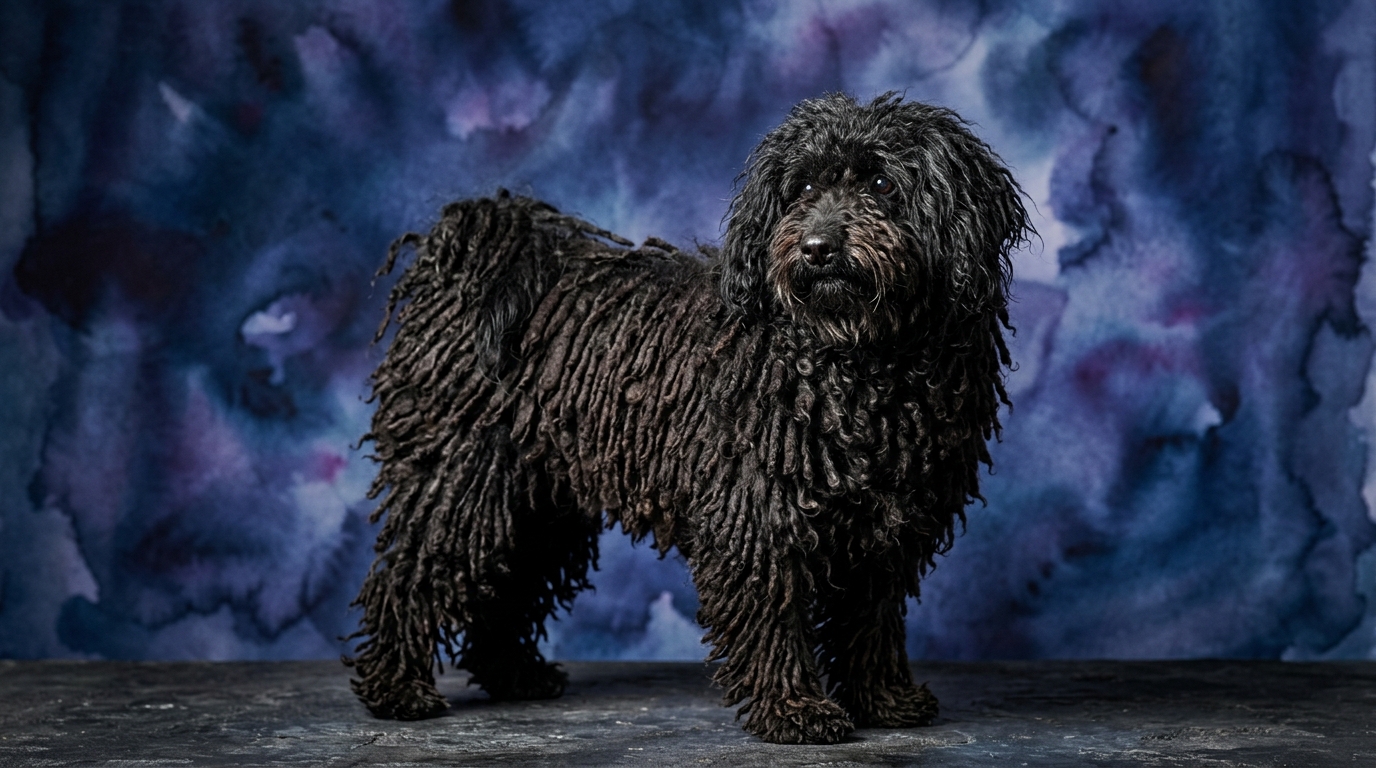
The Puli, ranked #25 by Coren, exhibits a strong cognitive aptitude rooted in its herding heritage. Its Problem Solving score of 4/5 reflects an ability to strategize and adapt in complex situations, crucial for managing livestock. Training Speed also scores 4/5, indicating a quick grasp of new commands and concepts, likely due to a desire to cooperate and respond to handler cues. Social Intelligence is 3/5, suggesting a capacity for understanding human signals and group dynamics, though perhaps not as nuanced as some companion breeds. An Instinctive Drive of 3/5 points to a moderate but present urge to perform breed-specific behaviors, like herding. Memory, at 4/5, ensures they retain learned information and past experiences effectively, aiding in both training and task execution.
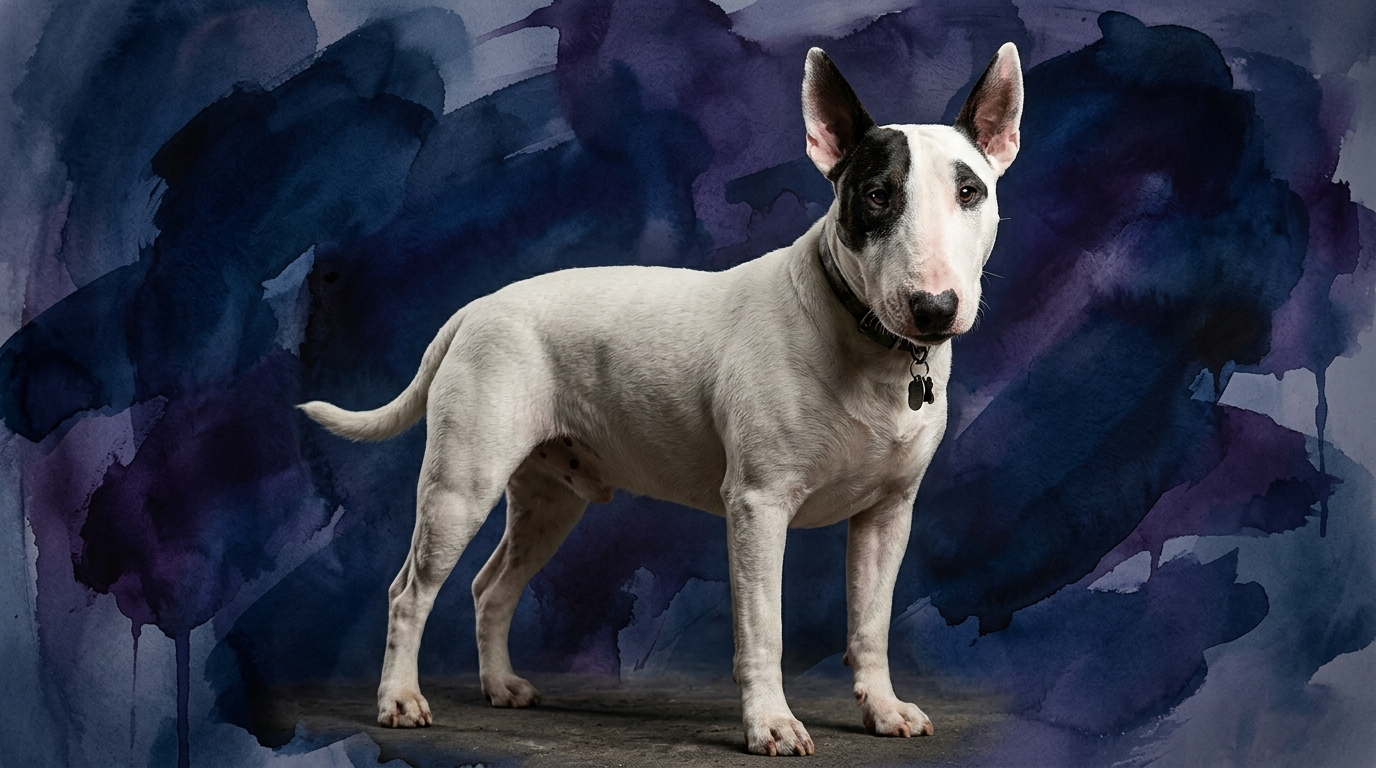
The Bull Terrier, positioned at #66 in Coren's rankings, presents a cognitive profile characterized by tenacity and a distinct terrier spirit. Its Problem Solving score of 3/5 indicates a capable but perhaps more direct approach to challenges, relying on persistence rather than intricate strategy. Training Speed also stands at 3/5, meaning they can learn, but might require more repetition and motivation compared to breeds with higher scores, reflecting a degree of independence. Social Intelligence matches the Puli at 3/5, showing an adequate understanding of human interactions and social cues within their immediate family. Instinctive Drive is 3/5, highlighting their inherent terrier traits like chasing and digging, which can be channeled with appropriate outlets. Memory, at 3/5, suggests they retain information sufficiently for daily life and basic training, though perhaps not with the same depth or recall speed as breeds with higher scores.
Where Puli Wins Cognitively
The Puli's cognitive edge is most apparent in areas demanding rapid assimilation and strategic thought. Their 4/5 Problem Solving score means they excel at navigating novel situations, quickly assessing variables, and devising effective solutions, a trait honed by independently managing flocks. This contrasts with the Bull Terrier's more straightforward 3/5 approach, which might involve more trial and error. Furthermore, the Puli's superior Training Speed (4/5 versus 3/5) allows them to pick up new commands and routines with fewer repetitions, making initial obedience training often a smoother process. This efficiency stems from a strong desire to engage with their handler and a quick cognitive processing ability. Their 4/5 Memory also gives them an advantage, ensuring long-term retention of learned behaviors and complex sequences, which is invaluable for advanced training or tasks requiring sequential execution, potentially outperforming the Bull Terrier's 3/5 memory recall in intricate scenarios.
Where Bull Terrier Wins Cognitively
While the Bull Terrier's individual scores might not surpass the Puli's, their cognitive profile shines in specific contexts where their unique terrier attributes come into play. Their 3/5 Problem Solving, combined with a robust determination, means they often tackle challenges with unwavering persistence, sometimes finding solutions through sheer will where other breeds might give up. This tenacity, a hallmark of the terrier group, can be a cognitive strength in scenarios requiring sustained effort rather than immediate insight. Their 3/5 Social Intelligence, on par with the Puli, means they are equally capable of forming strong bonds and understanding family dynamics, often displaying a deep loyalty and ability to read their specific human companions. This score indicates they are not aloof but rather engaged social learners within their primary group, contrasting with the often more task-oriented social engagement of some herding breeds. Moreover, their 3/5 Instinctive Drive, while requiring management, can be harnessed for specific tasks, providing a powerful motivation for activities like scent work or agility where their drive to pursue can be an asset.
Which is Easier to Train and Why
When it comes to ease of training, the Puli generally presents a more straightforward path for owners. Their 4/5 Training Speed means they absorb new information quickly, often requiring fewer repetitions to solidify a command. This efficiency is bolstered by their 4/5 Problem Solving and Memory, allowing them to not only learn rapidly but also apply and retain those lessons effectively across various situations. Pulis typically possess a strong desire to work cooperatively with their handlers, a trait deeply ingrained from their herding lineage, where responding to direction was paramount for survival and task completion. In contrast, the Bull Terrier's 3/5 Training Speed, coupled with its independent and sometimes stubborn terrier nature, means training often demands more patience, consistency, and creative motivation from the owner. While capable of learning, Bull Terriers may require more convincing that a task is worth their effort. Their focus might be more on self-directed activities, and overcoming this inherent independence requires a firm yet fair approach, making training a longer, though ultimately rewarding, endeavor for dedicated owners. Understanding these behavioral differences is key; a Puli often seeks to please through compliance, while a Bull Terrier often seeks to understand "what's in it for me."
Which Suits Active Owners vs. Relaxed Owners
Matching a dog's cognitive and physical needs to an owner's lifestyle is crucial for a harmonious relationship. The Puli, with its herding background, generally suits active owners who can provide consistent mental and physical stimulation. Their 3/5 Instinctive Drive manifests as a need for purpose and activity, often enjoying structured tasks like herding games, agility, or advanced obedience that engage their 4/5 Problem Solving and Memory. While not hyperactive, a Puli thrives on having a "job" and can become restless or engage in unwanted behaviors if under-stimulated. They require owners who are prepared to channel their cognitive strengths into productive outlets. The Bull Terrier, also possessing a 3/5 Instinctive Drive, is equally unsuited for truly relaxed, sedentary owners. While their energy might manifest differently—perhaps in bursts of enthusiastic play rather than sustained herding work—they require regular exercise and mental engagement to prevent boredom. Their tenacity means they enjoy vigorous play sessions and structured activities that challenge their 3/5 Problem Solving skills. However, a Bull Terrier's cognitive needs might be met with consistent training, interactive games, and robust walks, rather than the complex, nuanced tasks a Puli might crave. Neither breed is ideal for a truly "relaxed" owner, as both require dedicated engagement to flourish.
The Verdict
Choose a Puli if you are an active owner seeking a cooperative partner for advanced training, dog sports, or a working role, valuing quick learning and strong problem-solving abilities.
Opt for a Bull Terrier if you appreciate a tenacious, independent spirit, are prepared for consistent, patient training, and seek a loyal companion for robust play and focused engagement.
🧠 Find Your Pet's IQ Score
Our Pet IQ Lab assessment covers 25+ tests across 5 cognitive dimensions — personalized to your breed.
Take the Full IQ Test →Frequently Asked Questions
Is a Puli harder to groom than a Bull Terrier?
Yes, a Puli's corded coat requires significant, specialized grooming to prevent matting and maintain its distinctive appearance, often a greater commitment than a Bull Terrier's short, smooth coat. While Bull Terriers are low-maintenance in grooming, Pulis demand regular attention to their unique fur.
Do Bull Terriers get along with other pets?
Bull Terriers can coexist with other pets, but their terrier instincts and sometimes strong prey drive mean early, consistent socialization is essential. Introductions should always be supervised, and individual temperament plays a significant role in their compatibility with other animals.
What kind of mental stimulation does a Puli need?
A Puli thrives on mental stimulation that engages its problem-solving and memory skills, such as puzzle toys, learning new tricks, advanced obedience, herding activities, or agility. These activities tap into their working dog heritage and prevent boredom.