Side-by-Side Cognitive Profiles
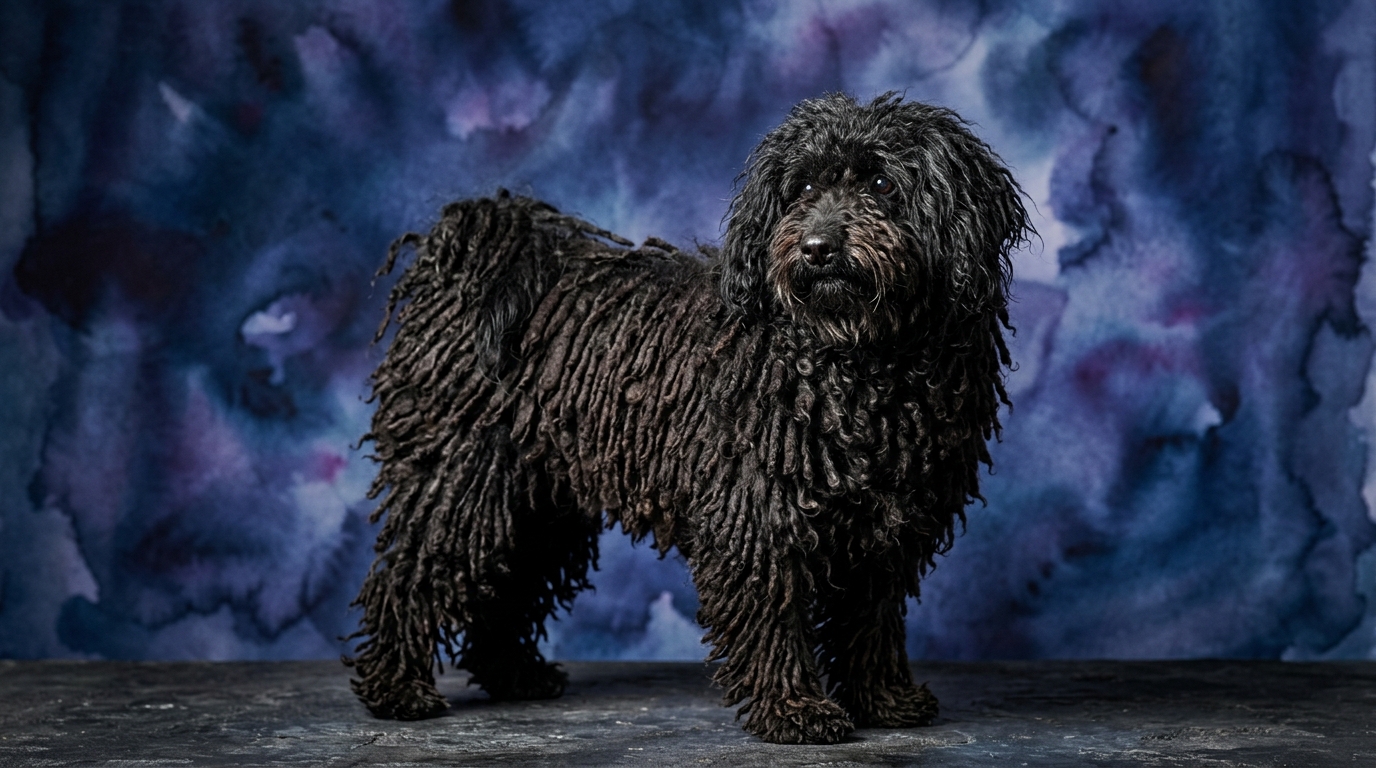
The Cosmic Pet Pet IQ Lab employs a five-dimensional framework to assess canine intelligence, offering a nuanced view beyond simple obedience. For the Puli, a traditional herding dog, we observe a Problem Solving score of 4/5, indicating a strong capacity for independent thought and navigating complex situations. Their Training Speed is also rated 4/5, suggesting a quick grasp of new commands and routines. Social Intelligence for the Puli stands at 3/5, reflecting a balanced ability to interpret human cues and interact within a social structure. Their Instinctive Drive, crucial for their herding heritage, is 3/5, denoting a moderate but focused intrinsic motivation. Finally, Memory for the Puli is an impressive 4/5, allowing them to retain learned behaviors and spatial information effectively. The Puli's overall cognitive profile places it at Coren rank #25, a testament to its operational acumen.
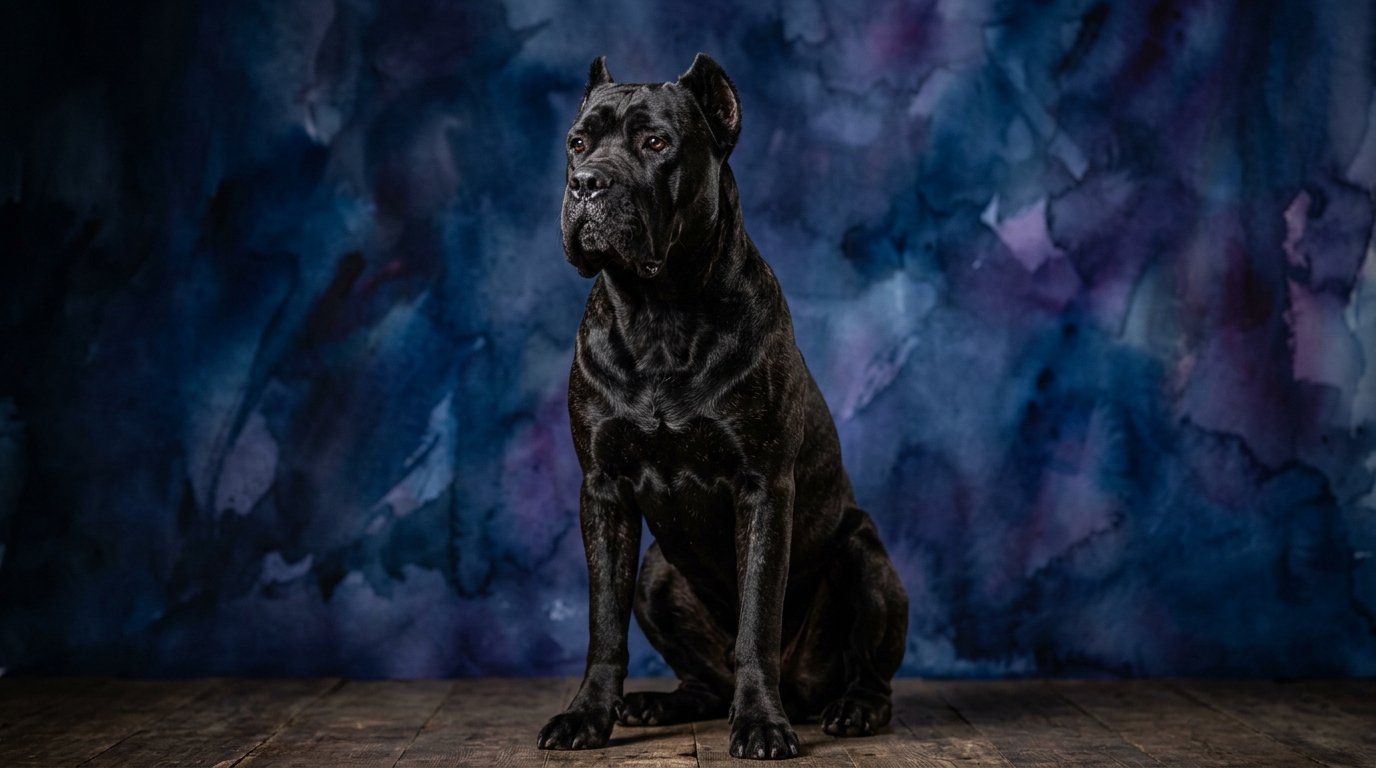
In contrast, the Cane Corso, a breed developed for guarding and protection, presents a distinct cognitive blueprint. Its Problem Solving score is 3/5, indicating a methodical rather than rapid approach to new challenges, often relying on observation and deliberation. Training Speed for the Cane Corso is also 3/5, meaning they are capable learners but may require more repetitions and patience compared to some other breeds. Their Social Intelligence registers at 3/5, demonstrating an awareness of their human companions and family dynamics, often expressed through loyalty and protective instincts. Instinctive Drive for the Cane Corso is 3/5, typically manifesting as a strong territorial and protective impulse. Memory is rated 3/5, suggesting they retain information adequately for their roles but perhaps not with the same immediate recall as breeds excelling in sequential tasks. The Cane Corso is not currently listed in the Coren ranking, underscoring its unique cognitive specialization outside of traditional obedience-focused metrics.
Where the Puli Excels Cognitively
The Puli's cognitive strengths are deeply rooted in its pastoral origins, where quick thinking and adaptability were paramount for managing livestock. Its superior Problem Solving score of 4/5 means a Puli is adept at figuring out novel situations, whether it's navigating a complex obstacle course or devising a way to access a favorite toy. This isn't just about following instructions; it's about independent thought and creative solutions, a trait invaluable when a shepherd might not be immediately present to direct. This cognitive agility allows them to quickly assess dynamic environments, such as a scattered flock, and implement effective strategies without constant human intervention.
Furthermore, the Puli's 4/5 in Training Speed and 4/5 in Memory underscore a remarkable capacity for learning and retention. They pick up new commands and routines with fewer repetitions, making them efficient students. This rapid assimilation of information is a direct benefit of their herding history, where understanding and executing complex, multi-step commands was essential for effective flock management. A Puli can learn intricate sequences of actions and remember them over long periods, making them responsive and reliable partners in various activities. This combination of quick learning and strong recall allows them to build a vast repertoire of behaviors and respond consistently to cues, even after extended breaks.
Where the Cane Corso Shines Cognitively
While the Cane Corso's scores may appear lower in some dimensions, their cognitive profile is perfectly tailored for their role as a steadfast guardian. Their 3/5 in Problem Solving should not be mistaken for a lack of capacity, but rather a preference for deliberate, measured responses over impulsive action. In a guarding context, this means a Cane Corso will often observe and assess a situation thoroughly before reacting, making sound judgments about potential threats rather than acting rashly. This methodical approach is critical for distinguishing between a true intruder and a harmless visitor, ensuring appropriate and controlled responses.
The Cane Corso's 3/5 in Social Intelligence and Instinctive Drive, while not as high as some, manifest as a profound loyalty and protective discernment. Their social intelligence allows them to form deep bonds with their family, understanding their moods and intentions, and their instinctive drive translates into a dedicated vigilance over their territory and loved ones. This isn't about playful social engagement, but a serious, unwavering commitment to their guardianship. Their memory, also 3/5, serves them well in remembering who belongs and who doesn't, maintaining a consistent awareness of their environment and the people within it. This cognitive steadiness and focused protective instinct are the hallmarks of a reliable, discerning guardian.
Training: Puli's Agility vs. Cane Corso's Resolve
When it comes to training, the Puli generally presents a more straightforward path due to its higher Training Speed (4/5) and Problem Solving ability (4/5). Pulis tend to grasp new concepts quickly and enjoy the mental engagement of learning. Their herding background has instilled a desire to work cooperatively and respond to direction, making them eager participants in training sessions. They are often described as 'thinking dogs' who can anticipate commands and even offer solutions, which can accelerate the learning process. However, their independent problem-solving can sometimes manifest as stubbornness if they believe their solution is superior, requiring consistent and engaging methods to maintain focus.
The Cane Corso, with a Training Speed of 3/5, requires a different approach. While capable of learning, they typically need more repetition and a very consistent, firm, but fair hand. Their strong independent nature and guarding instincts mean they are less inclined to blindly follow commands and will often assess the necessity or relevance of a task. Early and continuous socialization is paramount to channel their instinctive drive (3/5) into appropriate behaviors. Training a Cane Corso is more about building a respectful partnership and earning their trust and cooperation, rather than simply instructing. Their resolve means that once they understand and commit to a behavior, they are incredibly consistent, but getting to that point demands patience and clarity from the owner.
Owners: Active Engagement vs. Steady Leadership
The Puli's cognitive profile makes it an ideal companion for active owners who can provide consistent mental and physical engagement. Their high Problem Solving and Training Speed mean they thrive on challenges like agility, advanced obedience, or even canine puzzles that tap into their quick minds. An owner who can channel their instinctive drive (3/5) into productive activities, such as herding games, long walks with varied environments, or interactive play, will find the Puli to be a highly responsive and fulfilling partner. They require an owner who appreciates and can manage their independent thinking and energetic disposition, ensuring their sharp memory (4/5) is filled with positive, enriching experiences rather than developing undesirable habits out of boredom.
The Cane Corso, while also requiring regular exercise, suits owners who prioritize steady leadership and a calm, confident demeanor over constant high-intensity mental games. Their cognitive strengths lie in their deliberate nature and protective instincts, which flourish in a structured, predictable environment. Owners must be prepared to be the 'alpha' in a gentle but unwavering way, providing clear boundaries and consistent training. While they enjoy walks and spending time with their family, their need for mental stimulation is often satisfied by their role as a guardian and their observation of their surroundings. They are less about performing intricate tricks and more about being a stable, watchful presence, making them suitable for owners who appreciate their quiet strength and loyal companionship, provided they can offer adequate space and a secure routine.
The Verdict
Choose the Puli if you seek an agile, quick-thinking partner for mental sports, advanced training, and an active lifestyle, appreciating a dog that thinks for itself.
Opt for the Cane Corso if you desire a loyal, protective companion with a calm, deliberate temperament, and you are prepared to offer consistent leadership and early socialization.
🧠 Find Your Pet's IQ Score
Our Pet IQ Lab assessment covers 25+ tests across 5 cognitive dimensions — personalized to your breed.
Take the Full IQ Test →Frequently Asked Questions
Is the Puli genuinely smarter than the Cane Corso?
Intelligence manifests in various ways; the Puli excels in problem-solving and training speed, aligning with its herding role, while the Cane Corso's deliberate nature and protective instincts are perfectly suited for its guardian duties. Their cognitive profiles are specialized for different functions, rather than one being universally 'smarter'.
Which breed needs more mental stimulation?
The Puli generally requires more consistent and varied mental stimulation due to its higher problem-solving capacity and training speed, thriving on challenges and interactive tasks. The Cane Corso benefits from mental engagement through its guardian role and observing its environment, but typically doesn't demand the same intensity of structured 'brain games'.
Can a Cane Corso be a good family dog?
Yes, a Cane Corso can be an excellent family dog when properly socialized from a young age and consistently trained with a firm yet fair hand. Their social intelligence and instinctive drive lead to deep loyalty and protectiveness towards their family, though they require an owner who understands their specific needs for structure and leadership.