Side-by-Side IQ Profile: Puli vs. Manchester Terrier
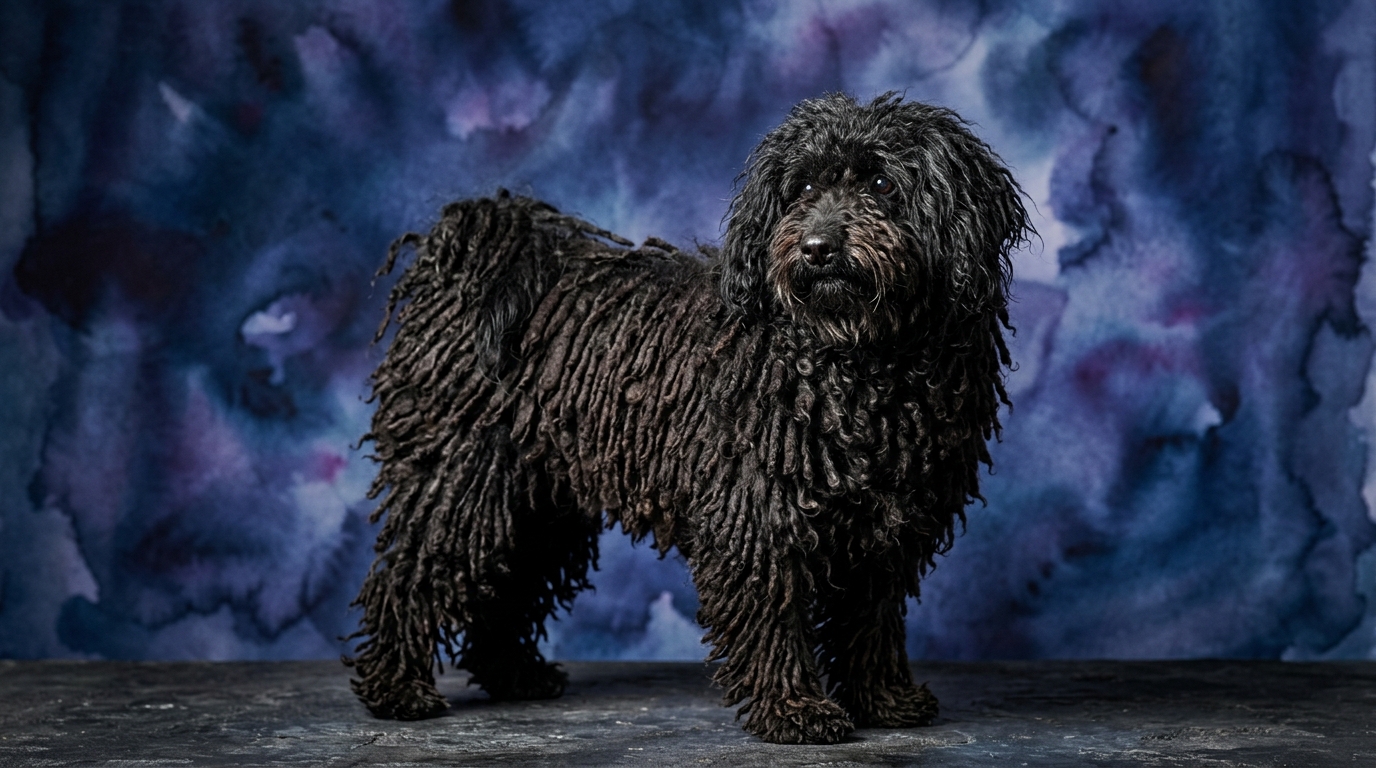
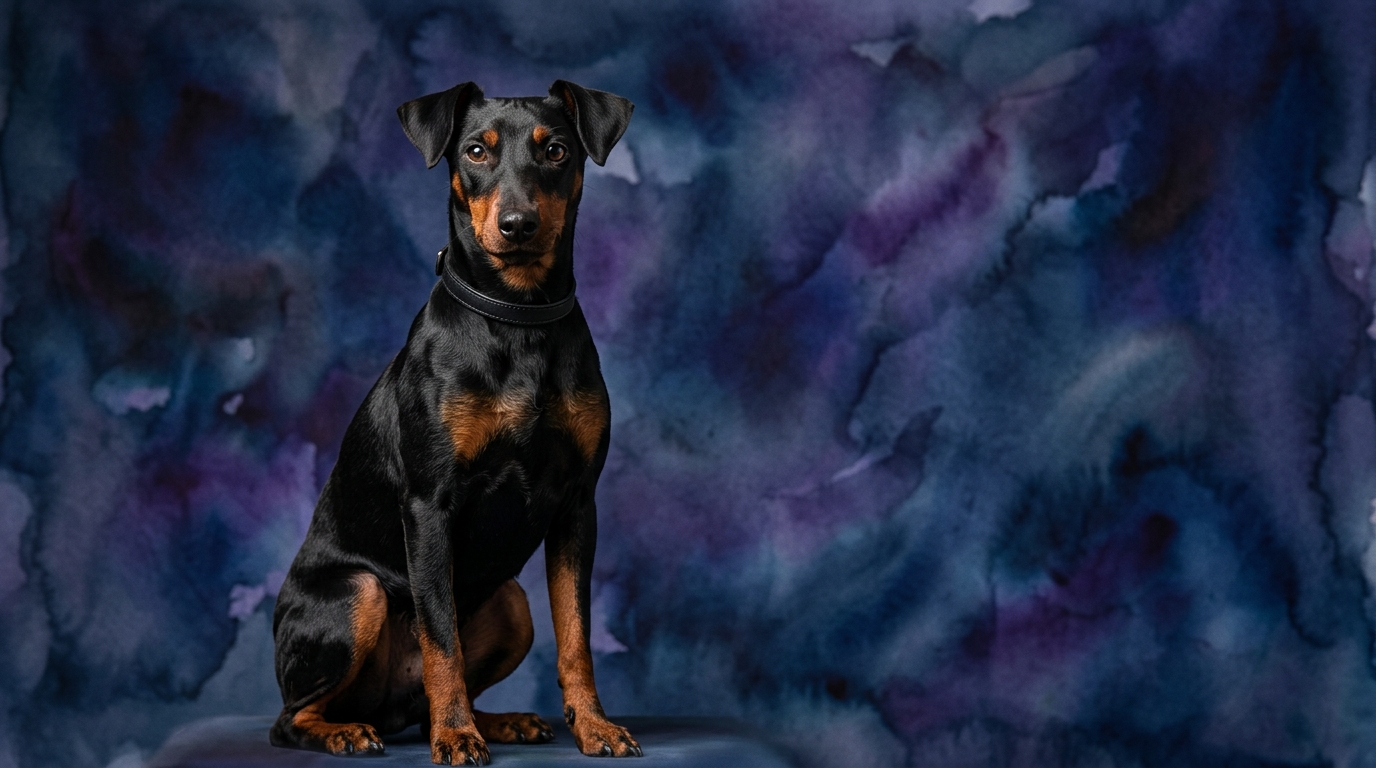
At The Cosmic Pet Pet IQ Lab, we evaluate canine cognition across five key dimensions. The Puli, a Herding breed ranked #25 by Coren, presents a profile reflecting its complex working heritage. In contrast, the Manchester Terrier, a Terrier breed without a Coren ranking, showcases a consistent, practical intelligence.
Puli (Herding, Coren rank #25) IQ Profile:
Problem Solving (4/5): Pulis excel at independent thought and strategic action, a skill refined by centuries of managing livestock. They can assess dynamic situations and devise effective solutions, often anticipating outcomes. Training Speed (4/5): This breed demonstrates a remarkable aptitude for learning, quickly grasping new commands and routines. Their sharp focus and eagerness to engage contribute to rapid skill acquisition. Social Intelligence (3/5): Pulis show moderate social perceptiveness, understanding human cues and intentions, but are often reserved with strangers. They form deep, discerning bonds with their primary caregivers. Instinctive Drive (3/5): Their herding-rooted drive is well-defined and often translates into a desire to "gather" family members or pets. This vigilance is typically manageable within a domestic setting. Memory (4/5): Pulis possess excellent long-term memory, retaining learned behaviors, routes, and associations over extended periods. This strong recall supports their training speed and influences future actions.
Manchester Terrier (Terrier, Not Coren-ranked) IQ Profile:
Problem Solving (3/5): Manchester Terriers display practical problem-solving skills, often focused on direct routes to goals like reaching a toy or exploring a scent. Their approach is usually direct and tenacious rather than broadly strategic. Training Speed (3/5): This breed learns at a steady pace, requiring consistent and engaging methods due to their independent terrier spirit. Positive reinforcement and patience yield good results. Social Intelligence (3/5): Manchester Terriers exhibit a moderate social understanding, attentive to their family but discerning with outsiders. Their interactions are confident with familiar individuals, balanced by a watchful reserve. Instinctive Drive (3/5): Their instinctive drive stems from vermin hunting, manifesting as a keen interest in small, fast-moving objects and persistent curiosity. This focused drive is typically controlled in a domestic environment. Memory (3/5): Manchester Terriers have good, functional memory, reliably retaining commands and routines in familiar environments. They remember people, places, and experiences, contributing to their consistency.
Where the Puli Wins Cognitively
The Puli's cognitive profile demonstrates clear strengths in areas demanding complex, adaptive thought. Their 4/5 rating in Problem Solving reflects a sophisticated ability to analyze situations and innovate solutions, a direct legacy of their herding ancestry where quick, independent decisions were paramount to livestock management. This contrasts with the Manchester Terrier's 3/5, suggesting the Puli can navigate novel challenges with a broader strategic toolkit, often anticipating outcomes rather than just reacting.
Furthermore, the Puli’s 4/5 in Training Speed and Memory indicates a quicker assimilation and retention of information. They often require fewer repetitions to master a new command and are less likely to "forget" established behaviors, making their learning curve generally steeper and more enduring than the Manchester Terrier's 3/5 in these categories. Their capacity for sustained focus during learning tasks gives them an edge in acquiring and recalling intricate sequences of commands or routines.
Where the Manchester Terrier Wins Cognitively
While the Puli may excel in areas of complex problem-solving and rapid learning, the Manchester Terrier's cognitive strengths lie in a different, equally valuable domain: a balanced and consistent application of its terrier intellect. With a uniform 3/5 across all five IQ dimensions, the Manchester Terrier offers a predictable and reliable cognitive experience, making them steady and dependable companions.
Their instinctive drive, though rated 3/5 like the Puli, is intensely focused on specific tasks, such as scent tracking or pursuing small, quick movements, reflecting centuries of selective breeding for vermin control. This focused tenacity, combined with their practical problem-solving (3/5), means they approach tasks with unwavering determination, often finding direct, efficient routes to their goals. Their consistent social intelligence (3/5) ensures they are perceptive companions without being overly reliant or overly aloof, offering a steady, confident presence that many owners find appealing for its reliability.
Training Ease: Puli vs. Manchester Terrier
Based on our Cosmic Pet Pet IQ Lab metrics, the Puli generally presents as the easier breed to train due to its superior Training Speed (4/5) and Memory (4/5). Pulis are adept at quickly associating commands with actions and retaining that knowledge over time, often requiring fewer repetitions and responding well to varied training techniques. Their herding background instills a desire to work in partnership with their human, making them attentive and eager students. For instance, teaching a Puli a multi-step obedience routine or a complex agility sequence would likely progress faster, as they not only pick up each step quickly but also remember the entire sequence reliably.
In contrast, the Manchester Terrier, with its 3/5 ratings in Training Speed and Memory, is certainly trainable but often requires a more patient and persistent approach. Their terrier independence means they might question the necessity of a command or prefer to follow their own instincts, particularly if a more enticing scent or visual stimulus presents itself. While they will learn, they might need more engaging, reward-based methods and consistent reinforcement to solidify behaviors. For example, a Manchester Terrier might learn "sit" efficiently, but ensuring they perform it reliably in distracting environments might take more dedicated practice, as their attention can be more easily diverted by their inherent curiosity and prey drive.
Matching Breeds to Lifestyles: Active vs. Relaxed Owners
Both the Puli and the Manchester Terrier are breeds that thrive with engagement, but the type of activity they require differs, making them suitable for distinct owner lifestyles. The Puli, with its 4/5 problem-solving and herding instincts, generally suits active owners who can provide consistent mental and physical stimulation that taps into their working dog heritage. This means not just physical exercise, but also activities like advanced obedience, agility, herding trials, or complex puzzle games that challenge their strategic thinking and problem-solving abilities. Owners who enjoy teaching new tricks or engaging in interactive play that requires planning and execution would find the Puli a rewarding partner; a Puli left without adequate mental engagement might invent its own "herding" tasks, potentially nipping at heels or trying to gather family members.
The Manchester Terrier, while also energetic and requiring regular exercise, might suit active owners who appreciate a more self-directed spirit and robust physical activity, rather than constant mental problem-solving. Their 3/5 instinctive drive, focused on chasing and exploring, means they excel in activities like brisk walks, jogging, earthdog trials, or fetch games that allow them to use their keen senses and quick movements. They can also adapt to relaxed owners who are committed to providing daily structured walks and playtime, understanding that their independence (even with 3/5 social intelligence) means they might not always be seeking intense, constant interaction, but rather appreciate clear boundaries and opportunities for independent exploration within a safe environment. Their uniform 3/5 in all cognitive aspects suggests a consistent need for moderate engagement across the board, without the intense strategic demands of a Puli.
The Verdict
Opt for a Puli if you are an active, engaged owner seeking a cognitively nimble partner eager for complex training, problem-solving activities, and a strong, discerning bond.
Select a Manchester Terrier if you appreciate a confident, spirited companion with a balanced, predictable intellect, and you can provide structured physical activity and consistent, patient training.
🧠 Find Your Pet's IQ Score
Our Pet IQ Lab assessment covers 25+ tests across 5 cognitive dimensions — personalized to your breed.
Take the Full IQ Test →Frequently Asked Questions
Do Pulis need a lot of mental stimulation?
Absolutely. With a 4/5 problem-solving score and a herding background, Pulis thrive on mental challenges like puzzle toys, advanced obedience, or even agility. Without sufficient engagement, they may become bored and invent their own activities, which might not always align with your household rules.
Is the Manchester Terrier a good choice for first-time dog owners?
A Manchester Terrier can be a good choice for first-time owners who are committed to consistent training and socialization. Their 3/5 training speed and independent terrier spirit mean they require clear boundaries and engaging methods, but they are certainly trainable and form strong bonds with their families.
How do their social intelligence scores of 3/5 compare in real life?
While both breeds score 3/5, their social expressions differ. The Puli tends to be more reserved and discerning with strangers, forming deep but selective bonds. The Manchester Terrier is often confident and lively with its family, but can also be watchful and reserved with new people, valuing its independence while still being perceptive to its human companions.