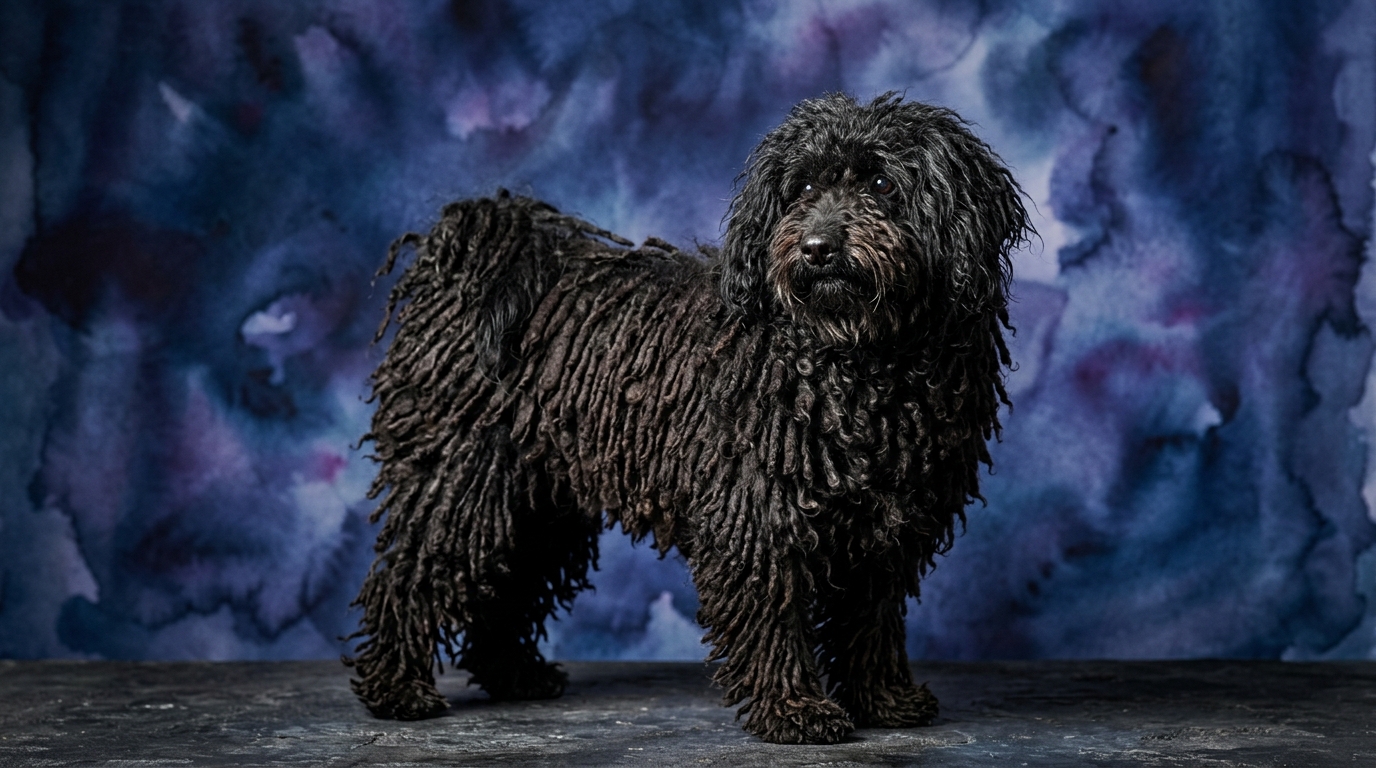
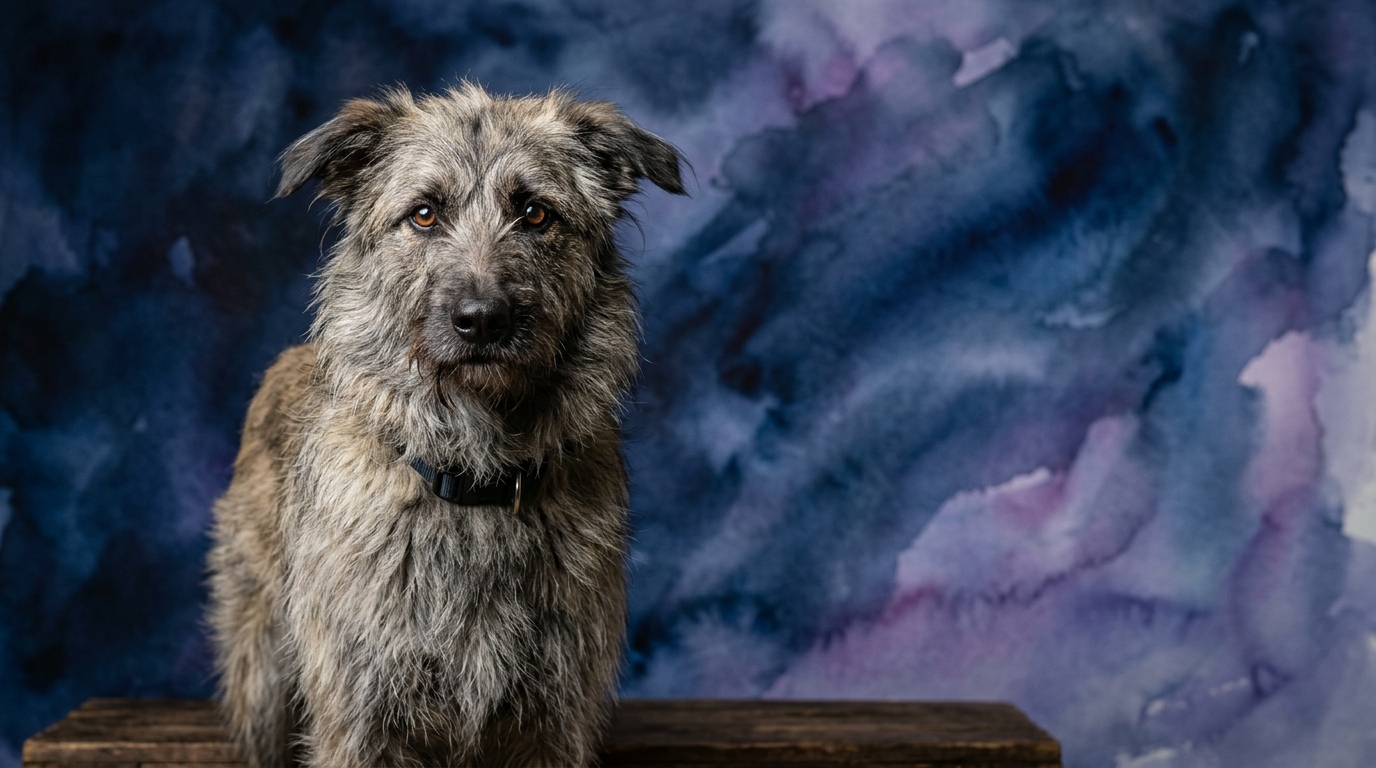
Side-by-Side Cognitive Profiles: Puli vs. Pyrenean Shepherd
Originating from Hungary, the Puli is a compact herding dog, recognized by Stanley Coren as the 25th most capable dog in terms of working and obedience intelligence. Our IQ Lab data indicates a strong Problem Solving score of 4/5, suggesting these dogs excel at figuring out complex tasks and navigating novel situations independently. Their Training Speed also rates 4/5, implying a quick grasp of new commands and routines, often requiring fewer repetitions than other breeds. Social Intelligence stands at 3/5, meaning they are adept at reading human cues and interacting appropriately within their family unit, though perhaps not as universally gregarious as some breeds. Instinctive Drive, rated 3/5, reflects their inherent herding tendencies, which can manifest as a desire to gather or control, but is manageable. Finally, their Memory score of 4/5 indicates a robust ability to recall learned behaviors, locations, and experiences over time, making them reliable companions once trained.
Hailing from the Pyrenees mountains, this agile herder is less widely known than the Puli and therefore does not appear on Coren's standardized rankings. Our IQ Lab assessment provides a comprehensive look at their cognitive makeup. Pyrenean Shepherds show a Problem Solving ability of 3/5, indicating they can tackle challenges, but might require more guidance or trial-and-error than the Puli. Their Training Speed is also 3/5, meaning they are receptive to learning, but may progress at a steady rather than rapid pace. Social Intelligence mirrors the Puli at 3/5, suggesting they form strong bonds with their primary caregivers and can interpret human intentions effectively, though they may reserve their full personality for their closest circle. Instinctive Drive is also 3/5, reflecting their active herding heritage and a natural inclination towards work and movement. Their Memory score of 3/5 suggests a sound ability to retain information, though perhaps with slightly less precision or longevity compared to the Puli's higher rating.
Where the Puli Exhibits Cognitive Strengths
The Puli exhibits distinct advantages in both Problem Solving and Memory, scoring a point higher in each dimension compared to the Pyrenean Shepherd. Their 4/5 Problem Solving capacity means a Puli is more likely to independently devise solutions to obstacles, such as figuring out how to open a gate or retrieve a toy stuck in a tricky spot, often without direct human intervention. This cognitive flexibility allows them to adapt quickly to new environments or routines. Furthermore, their 4/5 Memory score translates into a Puli recalling commands, boundaries, and past experiences with greater accuracy and for longer durations. This robust recall makes them exceptionally reliable in maintaining learned behaviors and remembering complex sequences, which can be particularly beneficial for advanced training or competitive dog sports where precision and retention are key.
Where the Pyrenean Shepherd Shows Cognitive Advantages
While the Pyrenean Shepherd's individual scores don't surpass the Puli in any single cognitive dimension, their consistent 3/5 across all categories points to a balanced and practical intellect. Their cognitive strength lies not in outperforming in specific areas, but in their well-rounded and harmonious blend of abilities. This balanced profile means a Pyrenean Shepherd is less likely to have significant cognitive 'blind spots' or areas where they struggle disproportionately. Their steady Problem Solving, Training Speed, Social Intelligence, Instinctive Drive, and Memory allow them to be consistently competent across a variety of tasks and situations. This equilibrium makes them highly adaptable and resilient, capable of handling diverse demands without becoming overwhelmed or showing significant cognitive gaps, favoring a broad applicability over specialized brilliance.
Trainability: Puli's Quick Grasp vs. Pyrenean Shepherd's Steady Pace
Based on our IQ Lab data, the Puli, with a Training Speed of 4/5, generally presents as the breed that learns more quickly compared to the Pyrenean Shepherd's 3/5. The Puli's quicker grasp of new commands means they often require fewer repetitions to solidify a behavior, leading to faster progress in obedience and trick training. Their higher Problem Solving score also contributes to trainability, as they can extrapolate from learned concepts and apply them to novel situations more readily. For instance, a Puli might quickly understand the concept of 'stay' and apply it in various contexts with minimal re-teaching. In contrast, the Pyrenean Shepherd, while receptive to learning, may necessitate a more patient and consistent approach, requiring more frequent review of commands to ensure retention. Their inherent drive and energy, combined with a slightly lower training speed, means owners must be diligent in channeling their focus during training sessions, ensuring engagement without allowing their active nature to become a distraction.
Matching Breeds to Lifestyles: Active Engagement is Key
Both breeds, with an Instinctive Drive of 3/5, are rooted in active herding traditions and thrive on engagement, making them generally unsuitable for truly relaxed, sedentary owners. However, nuances exist. The Puli, while energetic and requiring regular exercise, often finds satisfaction in mentally stimulating activities that tap into their Problem Solving and Memory strengths, such as puzzle toys, agility, or advanced obedience. Their strong recall and desire to work alongside their human make them excellent partners for active owners who enjoy structured activities and mental challenges. The Pyrenean Shepherd, with its equally strong instinctive drive and slightly lower training speed, typically demands a more physically demanding outlet coupled with consistent mental engagement. They are exceptionally suited for owners who lead very active lifestyles, participating in sports like canicross, long hikes, or competitive herding, where their endurance and balanced intellect can be fully utilized. A Pyrenean Shepherd might become restless or exhibit undesirable behaviors if its physical and mental needs aren't met through vigorous daily activity, making them a more demanding choice for activity levels.
The Verdict
Choose a Puli if you value a companion that learns quickly, excels at problem-solving, and retains information reliably, making them ideal for structured training and mental challenges.
Opt for a Pyrenean Shepherd if you seek a consistently balanced and adaptable partner for a highly active lifestyle, capable of thriving in diverse, physically demanding environments.
🧠 Find Your Pet's IQ Score
Our Pet IQ Lab assessment covers 25+ tests across 5 cognitive dimensions — personalized to your breed.
Take the Full IQ Test →Frequently Asked Questions
Are Pulis good family dogs given their social intelligence score?
Pulis, with a Social Intelligence of 3/5, typically form strong bonds with their immediate family and are capable of reading human cues well. They can be good family dogs, especially if socialized early, though they may reserve their full affectionate nature for their primary caregivers and might be more reserved with strangers than some breeds.
Does the Pyrenean Shepherd's lower problem-solving score mean they aren't clever?
Not at all. A 3/5 Problem Solving score for the Pyrenean Shepherd indicates a capable intellect that can navigate challenges effectively, just perhaps requiring a bit more guidance or repetition than a breed scoring higher. They are pragmatic and resourceful, applying their intelligence to real-world tasks.
How does the Coren ranking for Puli (25th) compare to the Pyrenean Shepherd's unranked status?
The Puli's 25th rank on Coren's list places it among breeds that learn new commands with fewer repetitions and obey them reliably. The Pyrenean Shepherd's unranked status doesn't imply a lack of intelligence, but rather reflects its lesser-known profile, meaning standardized data for comparison is less available; our IQ Lab scores provide a tailored assessment.