The Cosmic Pet Pet IQ Lab: Puli vs. Smooth Fox Terrier Cognitive Profiles
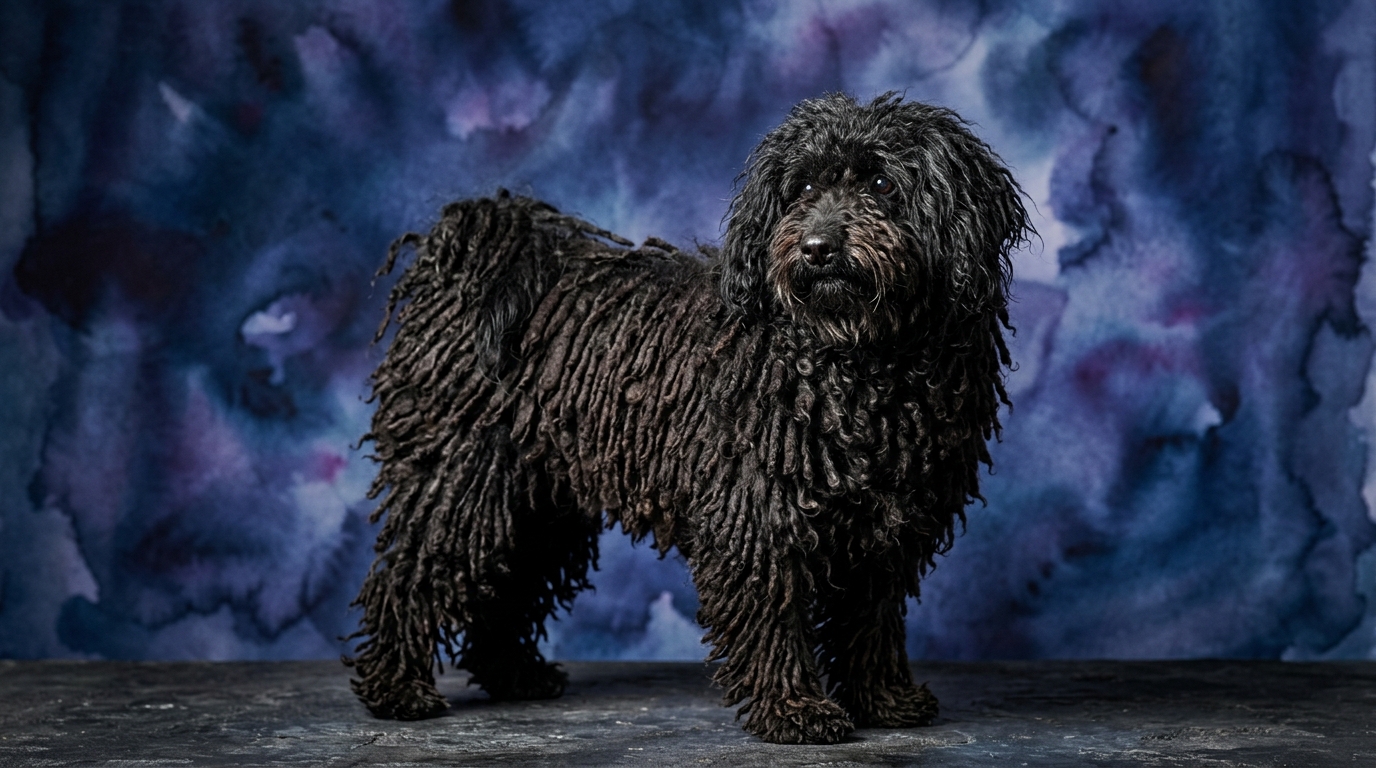
The Cosmic Pet Pet IQ Lab assesses canine cognition across five crucial dimensions: Problem Solving, Training Speed, Social Intelligence, Instinctive Drive, and Memory. These metrics offer a window into how a breed processes information, learns, interacts, and utilizes its innate capabilities. For the Puli, a distinguished Herding breed, its cognitive profile reflects a history of managing livestock with precision and foresight. It registers an impressive 4/5 in Problem Solving, indicating a strong capacity for navigating complex situations and devising solutions, and a 4/5 in Training Speed, suggesting it grasps new commands and concepts with relative ease. Its Memory also scores a robust 4/5, reinforcing its ability to retain learned behaviors and information over time. In Social Intelligence and Instinctive Drive, the Puli scores 3/5, reflecting a balanced capacity for understanding social cues and exercising its inherent herding instincts.
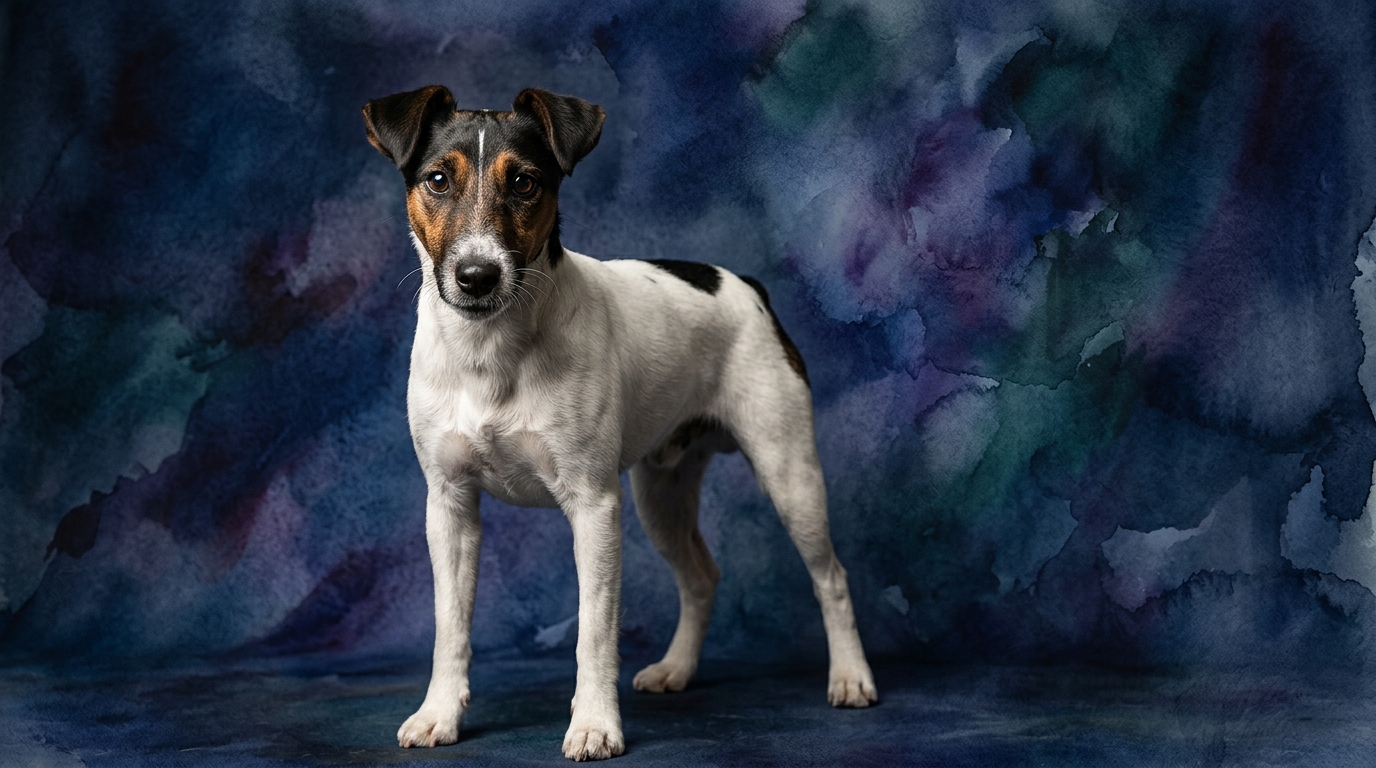
In contrast, the Smooth Fox Terrier, a tenacious member of the Terrier group, presents a consistent cognitive profile across all dimensions, scoring 3/5. This breed’s IQ metrics — 3/5 for Problem Solving, Training Speed, Social Intelligence, Instinctive Drive, and Memory — paint a picture of a dog that is consistently capable, but perhaps less inclined towards the abstract, multi-faceted problem-solving or rapid acquisition of complex, human-directed tasks seen in the Puli. Its scores suggest a steady, persistent approach to learning and interaction, rooted deeply in its historical role of independent hunting and pest control, where tenacity and focused action often outweigh broad cognitive flexibility.
Puli's Cognitive Strengths: Precision and Retention
The Puli’s cognitive profile clearly positions it with advantages in several key areas. Its superior 4/5 Problem Solving score, compared to the Smooth Fox Terrier’s 3/5, means a Puli is generally more adept at evaluating novel situations and formulating effective responses. This might manifest in its ability to quickly understand intricate puzzle toys, adapt to changes in a routine with minimal stress, or even strategize during dog sports that require sequential tasks and decision-making. Their herding heritage instilled a need to process dynamic environments and make independent judgments, skills that translate well into diverse cognitive challenges.
Furthermore, the Puli’s 4/5 in Training Speed and 4/5 in Memory provide a significant edge in learning and retention. A Puli typically absorbs new commands and routines faster, requiring fewer repetitions to solidify a behavior. Once learned, these behaviors are deeply ingrained, making the Puli a reliable partner for advanced obedience, agility, or even service work. This combination of quick comprehension and enduring recall makes them exceptionally rewarding for owners who enjoy engaging in structured training and teaching a wide repertoire of commands and tricks. They are wired to assimilate and remember operational instructions, a direct legacy of their working role.
Smooth Fox Terrier's Unique Cognitive Aptitudes: Tenacity and Focused Drive
While the Puli’s general cognitive scores are higher, the Smooth Fox Terrier’s specific cognitive makeup excels in areas critical to its breed purpose. Its consistent 3/5 across Problem Solving, Training Speed, Social Intelligence, Instinctive Drive, and Memory reflects a robust, integrated intelligence geared towards independent action and persistence. The Smooth Fox Terrier’s problem-solving, though rated 3/5 compared to the Puli’s 4/5, often manifests as exceptional resourcefulness and determination when faced with challenges related to its inherent drives. For instance, a Smooth Fox Terrier might relentlessly figure out how to access a perceived 'prey' item or navigate a complex burrow-like structure, demonstrating a focused, goal-oriented problem-solving that is less about abstract reasoning and more about tenacious application of instinct.
Both breeds score 3/5 in Social Intelligence and Instinctive Drive, but the *nature* of these drives differs significantly, giving the Smooth Fox Terrier a unique cognitive advantage in its domain. The Smooth Fox Terrier’s instinctive drive is powerfully directed towards hunting and digging, requiring a specific kind of mental fortitude and independence. This means they are less inclined to wait for human direction in a task they deem essential to their drive, demonstrating a self-directed cognitive persistence. Their social intelligence, at 3/5, allows them to navigate human interaction effectively, but often with an independent spirit that demands respect for their autonomous decision-making in pursuit of their core instincts. This focused tenacity, while sometimes challenging for owners, is a cognitive strength for their historical role.
Training Dynamics: Puli's Responsiveness vs. Smooth Fox Terrier's Independence
When it comes to ease of training, the Puli generally presents a more straightforward path for most owners, largely due to its superior scores in Training Speed (4/5), Memory (4/5), and Problem Solving (4/5). These cognitive strengths translate into a dog that not only comprehends new commands quickly but also retains them reliably. Pulis are often eager to please and collaborative, a trait deeply rooted in their herding background where working closely with a human partner was essential. They respond well to positive reinforcement methods and are capable of learning complex sequences of commands, making them excellent candidates for advanced obedience, rally, or agility. Their cognitive framework is predisposed to learning and executing human-directed tasks with precision.
The Smooth Fox Terrier, with its consistent 3/5 across training-related metrics, requires a different approach to training. While certainly capable of learning, their Training Speed and Memory scores suggest that acquiring new behaviors may take more repetition and patience. More significantly, their Terrier heritage imbues them with a strong independent streak and a focused instinctive drive (3/5) that can sometimes override a desire to comply. They are problem-solvers in their own right, often assessing if a command aligns with their immediate interests. Training a Smooth Fox Terrier demands consistency, engaging methods that tap into their natural curiosity and drive, and an understanding that their primary motivation might be their own agenda rather than human appeasement. Owners must be prepared to be creative and persistent to channel their tenacious spirit effectively.
Matching Cognitive Needs to Owner Lifestyles
Understanding the distinct cognitive profiles of the Puli and the Smooth Fox Terrier is crucial for matching them with the right owner lifestyle. The Puli, with its 4/5 in Problem Solving, Training Speed, and Memory, thrives in environments that offer consistent mental engagement. These dogs need more than just physical exercise; they require opportunities to use their quick wits and learn new things regularly. An active owner for a Puli isn't just someone who enjoys long walks, but someone who is prepared to engage in regular training sessions, dog sports like agility or herding trials, or provide puzzle toys and brain games. While they appreciate companionship, their cognitive makeup means they can become bored and potentially destructive if their intellectual needs are neglected. They are best suited for owners who enjoy a truly collaborative, thinking partner.
The Smooth Fox Terrier, while also requiring significant activity, presents a different challenge for owners. Their consistent 3/5 in all cognitive dimensions, combined with their strong terrier instincts, means they need outlets for their inherent drives for digging, chasing, and independent exploration. An active owner for a Smooth Fox Terrier must be prepared for vigorous physical exercise, such as long runs, fetch, or earthdog trials, to channel their boundless energy. Relaxed owners might find their persistence and focused drive challenging to manage, as boredom can lead to inventive, often destructive, ways to entertain themselves. They thrive with owners who appreciate their spirited independence, can provide consistent, engaging training to manage their instincts, and are ready for a dog that sometimes prefers to follow its nose rather than a command. They are not 'low-maintenance' mentally or physically.
The Verdict
Choose a Puli if you seek a highly trainable, responsive companion eager to engage in complex learning and collaborative activities, thriving on mental challenges and consistent partnership.
Opt for a Smooth Fox Terrier if you appreciate a spirited, independent dog with tenacious drive, are prepared for consistent, creative training, and can provide ample outlets for its natural hunting instincts.
🧠 Find Your Pet's IQ Score
Our Pet IQ Lab assessment covers 25+ tests across 5 cognitive dimensions — personalized to your breed.
Take the Full IQ Test →Frequently Asked Questions
Do Pulis and Smooth Fox Terriers have similar social intelligence?
Both breeds score 3/5 in Social Intelligence according to The Cosmic Pet Pet IQ Lab. This indicates a similar capacity for understanding social cues and interacting with their environment, though their expressions of this intelligence may differ due to their breed-specific drives and independence levels.
Which breed is better for first-time dog owners interested in training?
The Puli, with its 4/5 Training Speed and Memory, is generally more forgiving for first-time owners due to its quicker learning and higher responsiveness. The Smooth Fox Terrier's independence and 3/5 training speed may require more experience and patience.
How do their instinctive drives impact their daily lives?
Both score 3/5 in Instinctive Drive, but its manifestation differs. The Puli’s drive relates to herding, often seen as a desire to 'manage' its family. The Smooth Fox Terrier's drive is focused on hunting and digging, requiring specific outlets to prevent problematic behaviors like excessive digging or chasing small animals.