Side-by-Side IQ Profile: Puli vs. Spanish Water Dog
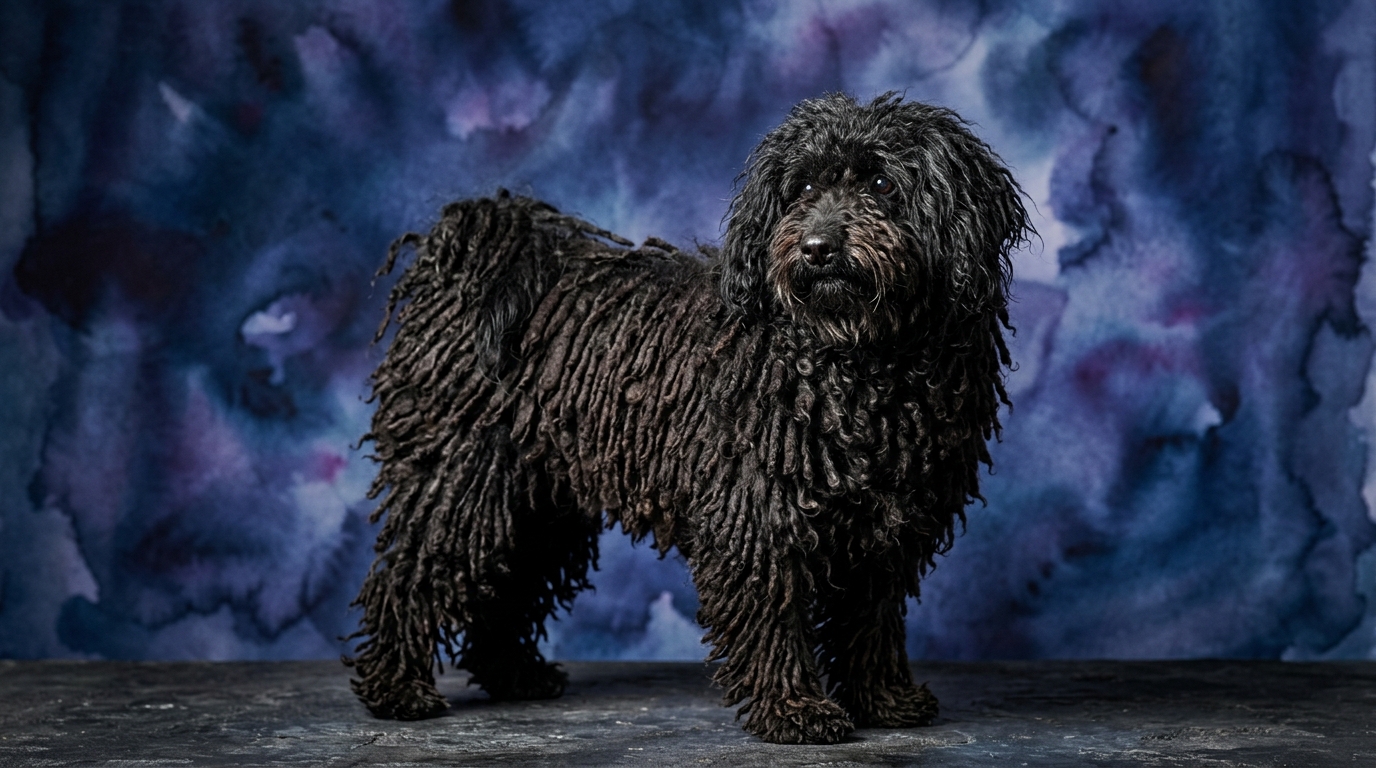
The Cosmic Pet Pet IQ Lab evaluates canine intelligence across five key dimensions, offering a granular view of each breed's cognitive landscape. For the Puli, we observe a strong emphasis on practical application and retention: their Problem Solving ability rates at an impressive 4 out of 5, indicating a capacity for innovative thought and navigating complex scenarios. This is complemented by a Training Speed of 4 out of 5, meaning they grasp new commands and routines with efficiency, and a Memory score of 4 out of 5, ensuring those lessons stick. Their Social Intelligence stands at 3 out of 5, suggesting they are capable of forming strong bonds and understanding human cues without being overly dependent or excessively eager to please, while their Instinctive Drive, also 3 out of 5, reflects their inherent herding capabilities and a balanced drive to work.
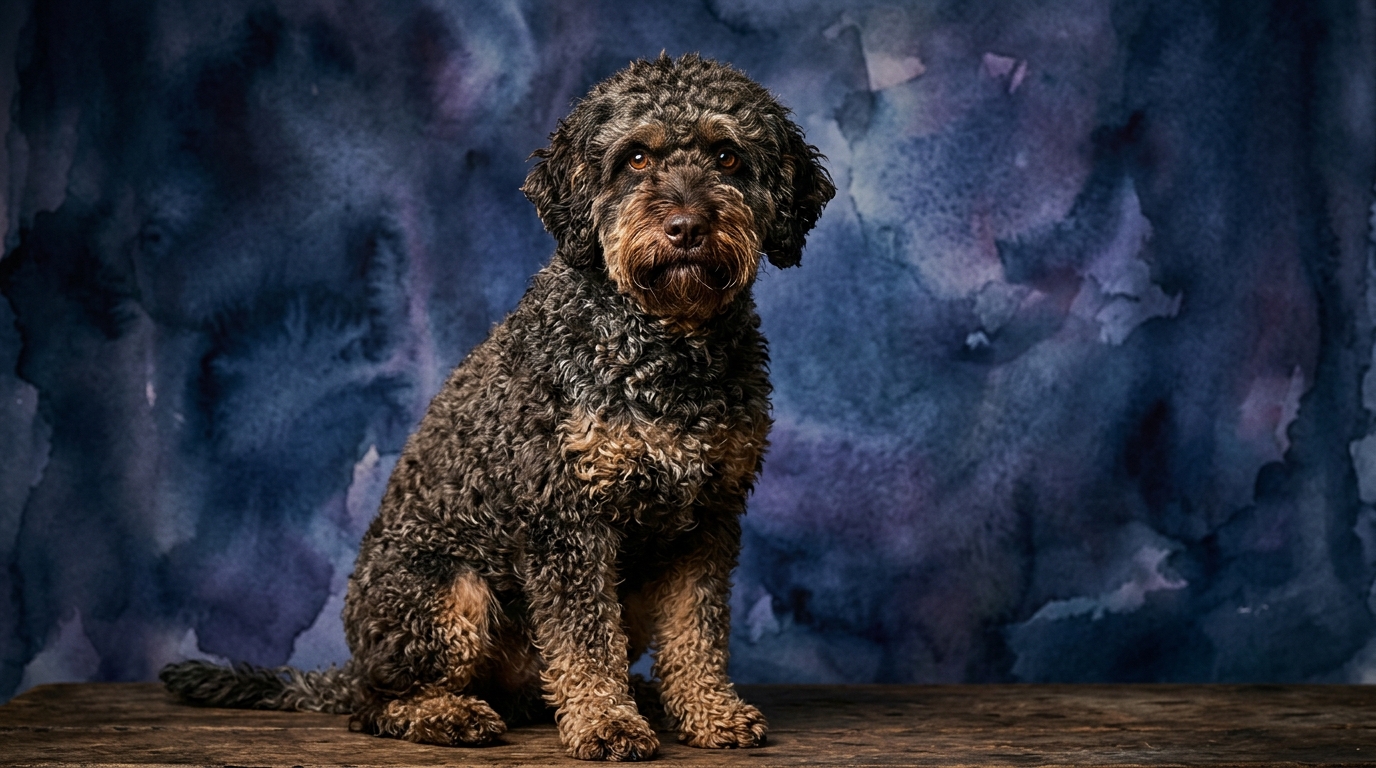
In contrast, the Spanish Water Dog presents a profile of consistent competence across all measured dimensions. Their Problem Solving ability is rated at 3 out of 5, indicating they can certainly tackle challenges, though perhaps with less spontaneous innovation than the Puli. Similarly, their Training Speed is 3 out of 5, meaning they learn at a respectable pace, requiring steady, clear instruction but demonstrating good progress. A Memory score of 3 out of 5 suggests they retain what they learn effectively, albeit potentially needing more reinforcement cycles than a Puli. Their Social Intelligence and Instinctive Drive also register at 3 out of 5, painting a picture of a well-rounded companion that is both attentive to its human family and possesses a solid, functional drive for its traditional herding roles.
Where the Puli Excels Cognitively
The Puli's cognitive profile showcases a breed with a distinct edge in areas requiring advanced mental agility and retention. Their 4/5 rating in Problem Solving means a Puli is more likely to independently figure out how to open a gate, retrieve a hidden toy through a series of obstacles, or even strategize during complex herding tasks. This isn't just about following commands; it's about understanding the objective and devising a method to achieve it. Owners might find their Puli attempting novel ways to get attention or access forbidden areas, a direct manifestation of this superior problem-solving aptitude.
Coupled with their 4/5 Training Speed and 4/5 Memory, Pulis are exceptionally quick studies. They pick up new commands and multi-step routines rapidly, and once learned, those lessons are deeply ingrained. This makes them formidable contenders in competitive dog sports like obedience, agility, and even advanced trick training, where precision, speed of learning, and consistent recall of complex sequences are paramount. Their ability to quickly associate actions with consequences and retain vast repertoires of behaviors allows them to master intricate tasks that might challenge other breeds. The Puli's placement at Coren rank #25 further underscores their capacity for working intelligence, reflecting their ability to understand and execute commands with fewer repetitions than many other breeds.
Where the Spanish Water Dog Shines Cognitively
While the Puli boasts higher individual scores in certain cognitive areas, the Spanish Water Dog's consistent 3/5 across all five dimensions suggests a different kind of cognitive strength: balanced, steady application. Their 3/5 Problem Solving, for instance, means they are perfectly capable of navigating everyday challenges and learning practical solutions, perhaps with less inclination towards elaborate schemes than a Puli, but with reliable effectiveness. This can translate into a more straightforward approach to tasks, less prone to overthinking or attempting to 'outsmart' their owner in novel ways.
The Spanish Water Dog’s balanced cognitive profile makes them highly adaptable and consistently capable across a range of activities. Their 3/5 in Social Intelligence ensures they are attentive and responsive companions, capable of forming strong bonds and understanding social cues without the potential for the Puli's intense, independent focus. Their 3/5 Instinctive Drive is robust enough for their traditional herding and water work, demonstrating a reliable work ethic without being overtly demanding or high-strung. This breed excels in situations where a steady, cooperative temperament and consistent application of learned behaviors are more valuable than flashes of brilliant, independent problem-solving. They are dependable partners who learn well and apply themselves with consistent effort, making them excellent choices for a variety of family and working environments.
Which is Easier to Train and Why
Based on their IQ profiles, the Puli generally presents as the easier breed to train for complex tasks and rapid skill acquisition. Their 4/5 Training Speed means they will typically grasp new commands and behaviors in fewer repetitions compared to the Spanish Water Dog's 3/5. This is further reinforced by the Puli's 4/5 Memory, ensuring that once a behavior is learned, it is retained with greater fidelity and for longer periods. Owners of Pulis often report their dogs quickly picking up advanced commands, chaining behaviors, and even learning complex tricks with remarkable speed.
However, 'easier to train' doesn't always mean 'easier to live with.' The Puli's higher problem-solving ability (4/5) can sometimes manifest as a tendency to get into mischief if not adequately mentally stimulated, finding creative ways to open cabinets or outsmart boundaries. The Spanish Water Dog, with its 3/5 Training Speed and Memory, will still learn, but requires more consistent and patient repetition from its owner. While they may take slightly longer to master a new skill, their generally more straightforward problem-solving approach (3/5) means they might be less inclined to test boundaries or invent new ways to challenge their owner once a rule is established. Training a Spanish Water Dog focuses more on clear, consistent reinforcement and building solid foundations, whereas training a Puli often involves leveraging their quick wit and channeling their problem-solving drive into productive outlets.
Suitability for Active vs. Relaxed Owners
The Puli, with its higher cognitive scores in problem-solving and training speed, thrives with active owners who are keen to engage their dog's mind as much as their body. These dogs excel in environments where mental challenges, advanced obedience, agility, or herding work are regular parts of their routine. Owners who enjoy teaching complex tricks, participating in dog sports, or who appreciate a dog that can think independently and solve puzzles will find the Puli a deeply rewarding companion. A relaxed owner who provides minimal mental stimulation might find a Puli becoming bored, potentially leading to inventive but undesirable behaviors as they seek their own mental engagement.
The Spanish Water Dog, with its balanced cognitive profile, is an excellent fit for active owners who appreciate a capable, energetic companion but might not be seeking the highest levels of competitive obedience or the most complex mental gymnastics. They need regular physical activity and consistent training, but their cognitive demands are more about steady engagement than constant, high-level intellectual challenges. Owners who enjoy hiking, swimming, or general outdoor activities and want a cooperative, adaptable dog will find the Spanish Water Dog a superb match. While they can certainly participate in dog sports, they might be more content with a varied routine that includes both physical exercise and moderate mental tasks rather than requiring constant intellectual stimulation to prevent boredom.
The Verdict
Choose the Puli if you are an owner who enjoys a deeply engaged, mentally agile companion, someone prepared to provide consistent intellectual challenges and appreciate a dog that learns with remarkable speed and retains lessons well.
Opt for the Spanish Water Dog if you seek a balanced, adaptable, and consistently capable companion for an active lifestyle, valuing a steady temperament and reliable performance over extreme cognitive peaks.
🧠 Find Your Pet's IQ Score
Our Pet IQ Lab assessment covers 25+ tests across 5 cognitive dimensions — personalized to your breed.
Take the Full IQ Test →Frequently Asked Questions
Do Pulis get bored easily?
Yes, Pulis, with their 4/5 problem-solving and training speed, require consistent mental stimulation. Without adequate engagement, they can become bored and may invent their own activities, which might not always align with an owner's preferences, highlighting the need for varied training and enrichment.
Are Spanish Water Dogs good for first-time dog owners?
Spanish Water Dogs can be suitable for first-time owners who are committed to consistent training and providing ample physical and mental exercise. Their balanced cognitive profile (all 3/5) means they are trainable and adaptable, but they do require clear guidance and a structured environment to thrive.
Which breed is better for competitive dog sports?
While both breeds can excel, the Puli often has an edge in competitive dog sports due to their 4/5 training speed, memory, and problem-solving. They tend to pick up complex routines faster and retain them more reliably, making them formidable competitors in disciplines like advanced obedience and agility.