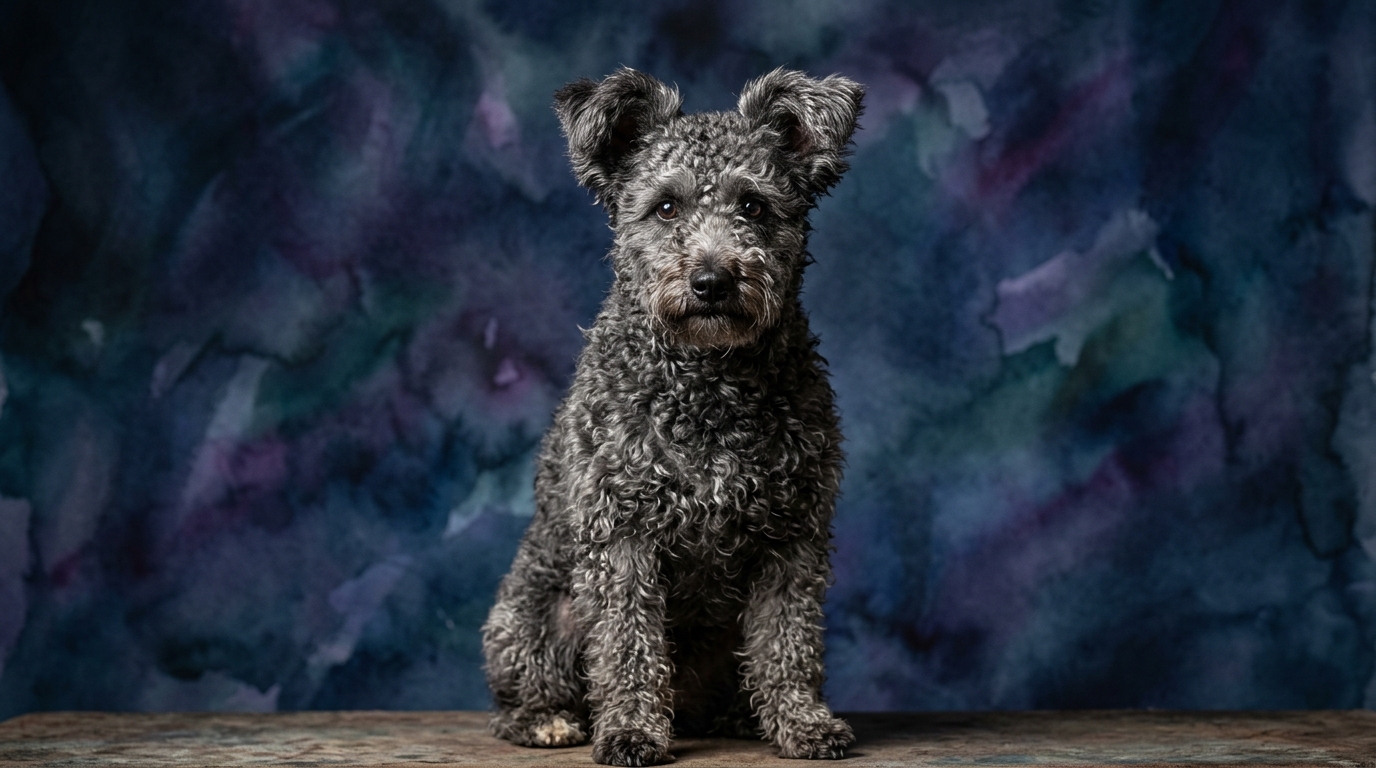
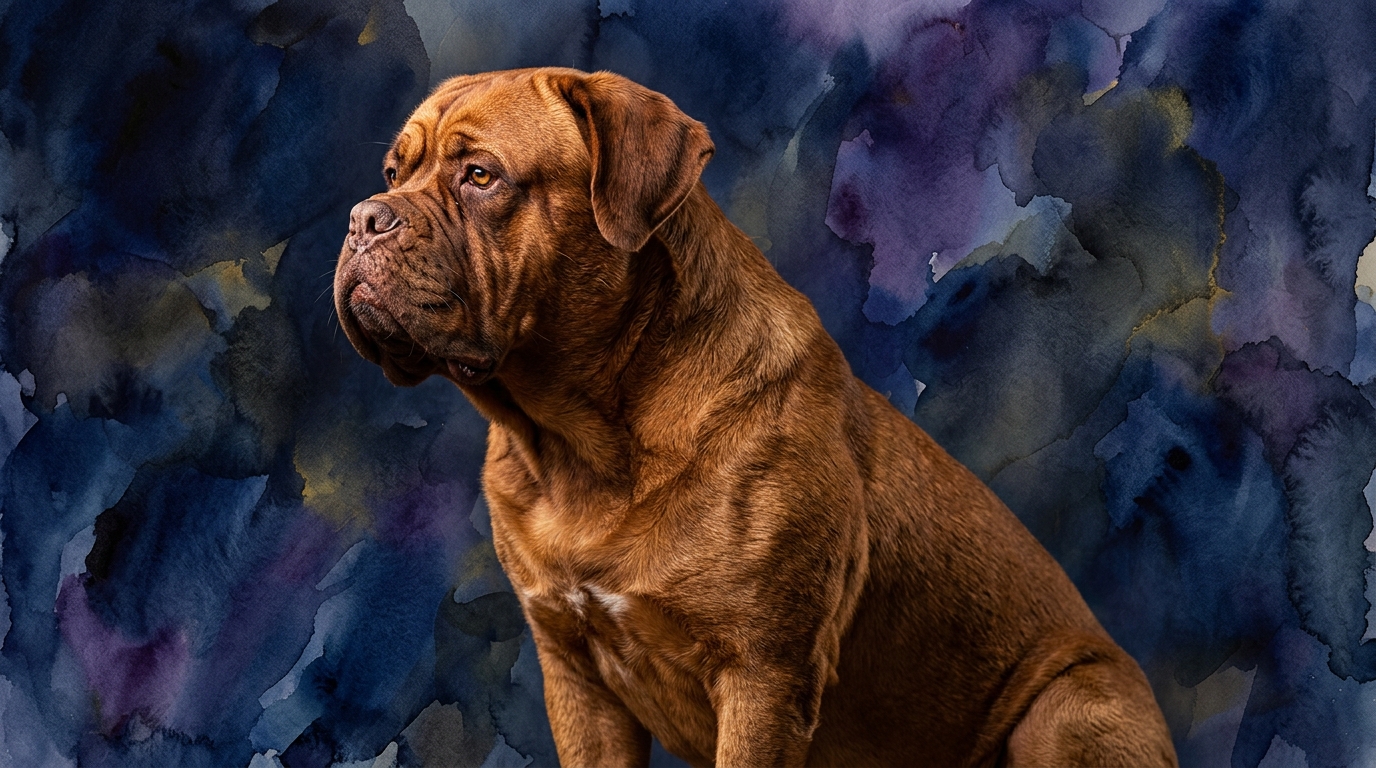
Side-by-Side Cognitive Profiles: The Nuance of a 3/5
The Pet IQ Lab’s five dimensions of intelligence – Problem Solving, Training Speed, Social Intelligence, Instinctive Drive, and Memory – provide a framework to understand canine cognition. For both the Pumi and the Dogue de Bordeaux, every dimension scores a 3 out of 5, suggesting a solid, capable intellect. Yet, these identical scores don't imply identical mental processes; instead, they reflect how each breed's historical purpose has shaped the *application* of these cognitive strengths.
The Pumi, a spirited herding dog from Hungary, exhibits a cognitive profile sculpted by centuries of working livestock. Their Problem Solving at 3/5 isn't about abstract puzzles, but practical, dynamic solutions required to manage unpredictable flocks; they learn to anticipate animal movements and adapt on the fly. Training Speed, also 3/5, reflects their general receptiveness to commands that facilitate their work, though their independent spirit means they aren't merely rote learners. Social Intelligence at 3/5 speaks to their attunement to a handler’s subtle cues and the intricate dynamics of a flock, often paired with a discerning wariness of strangers, indicative of their protective instincts. Their Instinctive Drive, a solid 3/5, is powerfully geared towards gathering, controlling, and organizing, channeling an innate desire to manage their environment. Finally, Memory at 3/5 ensures they retain complex routines, commands, and boundaries crucial for consistent and effective herding duties.
In contrast, the Dogue de Bordeaux, a formidable working dog from France, possesses an intelligence profile shaped by its history as a guardian and companion. Their Problem Solving, also 3/5, manifests differently; it’s about assessing situations, discerning potential threats, and making decisive, often powerful, interventions rather than agile manipulation. Training Speed, rated 3/5, suggests they learn reliably, but often with a deliberate pace, requiring consistent reinforcement; once a command is ingrained, however, it tends to be deeply retained due to their stoic and committed nature. Social Intelligence at 3/5 highlights their profound bond with their human family, demonstrating a nuanced understanding of their emotions and intentions, while often maintaining a reserved, protective stance towards outsiders. Their Instinctive Drive, a 3/5, is largely centered on guarding and protecting their loved ones and territory, emphasizing presence and deterrence rather than active control. Memory, also 3/5, is robust for people, places, and established safety protocols, essential for their role as unwavering guardians.
Where the Pumi Excels Cognitively
Despite sharing identical scores, the Pumi's cognitive strengths lean towards agility, quick decision-making, and dynamic problem-solving within fast-changing environments. Their 3/5 Problem Solving shines brightest when faced with a fluid situation, such as navigating an obstacle course or responding to unexpected changes in a herding pattern. They are adept at finding creative, on-the-spot solutions that require both physical nimbleness and mental flexibility. This isn't about brute force but about strategic movement and quick thinking.
The Pumi’s 3/5 Training Speed, when viewed through the lens of a herding breed, implies a quicker initial grasp of novel commands and a strong desire to engage in interactive tasks. They are often eager to learn new tricks or sequences, especially if they involve movement and mental engagement. Their 3/5 Instinctive Drive fuels a persistent curiosity and a desire to be actively involved, making them responsive to cues that allow them to exert control or manage a situation, even if it's just a game of fetch with a purpose.
Their Social Intelligence, also 3/5, is particularly tuned to the subtle cues of their primary handler, allowing for a highly collaborative working relationship. They process information rapidly and are quick to react to changes in their human's body language or tone, which is crucial for split-second decisions in a working environment. This responsiveness, combined with their sharp memory (3/5) for sequences and commands, allows them to excel in activities requiring precision and rapid recall.
Where the Dogue de Bordeaux Shines Cognitively
The Dogue de Bordeaux, while equally rated, demonstrates cognitive strengths rooted in steadfastness, discernment, and deliberate action. Their 3/5 Problem Solving is less about quick, agile responses and more about careful assessment and powerful resolution. When faced with a situation, they are likely to observe, evaluate potential threats or discomforts, and then act with a measured, formidable presence. This involves a cognitive process of weighing options and committing to a course of action that emphasizes protection and stability.
The Dogue de Bordeaux’s 3/5 Training Speed, while perhaps slower in initial uptake compared to a Pumi, signifies a deep and lasting retention once a concept is understood. Their learning is often characterized by a profound commitment to the command, performed with unwavering consistency. This isn't a lack of ability, but a different learning style that prioritizes thorough understanding and reliability over speed. Their 3/5 Social Intelligence is profoundly expressed through their bond with their family, demonstrating an acute sensitivity to their human companions' emotions and intentions. They possess an uncanny ability to read a room and offer comfort or protection as needed, often with subtle cues.
Their 3/5 Instinctive Drive for guarding and protection means they excel in roles requiring a calm, watchful presence and a strong sense of responsibility. This drive is not about chasing or gathering, but about being a formidable, reassuring anchor. Coupled with their robust 3/5 Memory, they retain long-term knowledge of safe zones, familiar people, and established routines, making them dependable guardians who understand their boundaries and responsibilities implicitly.
Training Dynamics: Pumi's Zest vs. Dogue de Bordeaux's Steadfastness
When it comes to training, the Pumi’s 3/5 Training Speed often translates to a quicker initial grasp of new commands and an enthusiasm for learning, particularly when the training is engaging and varied. Their herding background means they are bred to be responsive and work in partnership, making them generally eager to please and participate in interactive sessions. However, their independent spirit and innate drive mean that consistent, engaging training is vital to maintain focus and prevent them from improvising their own rules. They thrive on mental stimulation and can become bored if training is repetitive or lacks purpose, which might lead to them finding their own 'fun.'
The Dogue de Bordeaux, with the same 3/5 Training Speed, approaches learning with a different cadence. They may take longer to grasp new concepts, requiring more repetition and patience from their trainer. Their learning style is often more deliberate and thoughtful. However, once a command is truly understood and ingrained, it is often performed with unwavering commitment and reliability. Their motivation is deeply tied to loyalty and a desire to please their beloved family, rather than the thrill of the chase or the mental puzzle. Training methods for the Dogue de Bordeaux should be calm, consistent, and heavily reliant on positive reinforcement, building on their strong bonds and sensitive nature. Forceful methods are counterproductive for these stoic yet tender giants, who respond best to trust and respect.
Lifestyle Match: Active Engagement vs. Calm Companionship
The cognitive profiles of these breeds directly influence their ideal lifestyle matches. The Pumi, with its active problem-solving and strong instinctive drive (both 3/5), is a natural fit for active owners. They require significant daily mental and physical stimulation beyond simple walks. Their herding drive isn't satisfied with just casual exercise; they need 'jobs' – whether it's agility, flyball, advanced obedience, or even puzzle toys that challenge their quick minds. Owners who enjoy dog sports, hiking, or a dynamic lifestyle will find the Pumi an incredibly rewarding and energetic partner, thriving on constant engagement and a sense of purpose.
In contrast, the Dogue de Bordeaux, while needing regular exercise for health, is generally better suited for more relaxed owners. Their cognitive strengths in discernment, loyalty, and steadfastness (all 3/5) make them exceptional companions for those seeking a devoted, protective presence. Their exercise needs are often met with steady, consistent walks rather than high-intensity bursts, followed by periods of calm companionship. They are content to be near their family, observing and guarding their domain with a quiet vigilance. A calm, predictable home environment where they feel secure in their role as family protector allows their deep social intelligence and memory to flourish, making them wonderful partners for individuals or families who appreciate a loyal, imposing, yet gentle presence.
The Verdict
Choose the Pumi if you seek a dynamic, agile companion eager for mental challenges and physical activity, capable of quick, adaptable problem-solving, and you can provide consistent, engaging training to channel their herding drive.
Choose the Dogue de Bordeaux if you value a steadfast, deeply loyal guardian with a calm demeanor, who excels at discerning threats and offers unwavering companionship, and you are prepared for patient, consistent training that builds on their strong bonds.
🧠 Find Your Pet's IQ Score
Our Pet IQ Lab assessment covers 25+ tests across 5 cognitive dimensions — personalized to your breed.
Take the Full IQ Test →Frequently Asked Questions
Do Pumis need to herd to be happy?
While Pumis possess a strong instinctive drive for herding (3/5), they don't necessarily need livestock. Their desire to gather and control can be channeled into dog sports like agility, flyball, or advanced obedience, providing crucial mental and physical outlets. Consistent engagement and a 'job' are key to their contentment.
Are Dogue de Bordeaux difficult to train due to their size?
The Dogue de Bordeaux's training speed is rated 3/5, meaning they are capable learners but require patience and consistency. Their large size necessitates early and ongoing obedience training to ensure they are manageable. Positive reinforcement and a firm, gentle approach are most effective for these sensitive yet powerful dogs.
How do their social intelligence scores (3/5) differ in practice?
The Pumi's social intelligence often manifests in quick responsiveness to handler cues and an awareness of group dynamics, sometimes with initial wariness towards strangers. The Dogue de Bordeaux, while also 3/5, typically shows profound devotion to its family, a keen sense of their emotions, and a more reserved, discerning approach to outsiders, emphasizing protective loyalty over general social engagement.