Side-by-Side IQ Profile: Pumi vs. Kooikerhondje
At first glance, the Pumi and Kooikerhondje share an identical score of 3/5 across all five cognitive dimensions in The Cosmic Pet Pet IQ Lab. This suggests a comparable baseline for their mental aptitudes. However, the true nuance lies in how these aptitudes are expressed and applied, heavily influenced by their foundational breed purposes – herding for the Pumi and sporting for the Kooikerhondje.
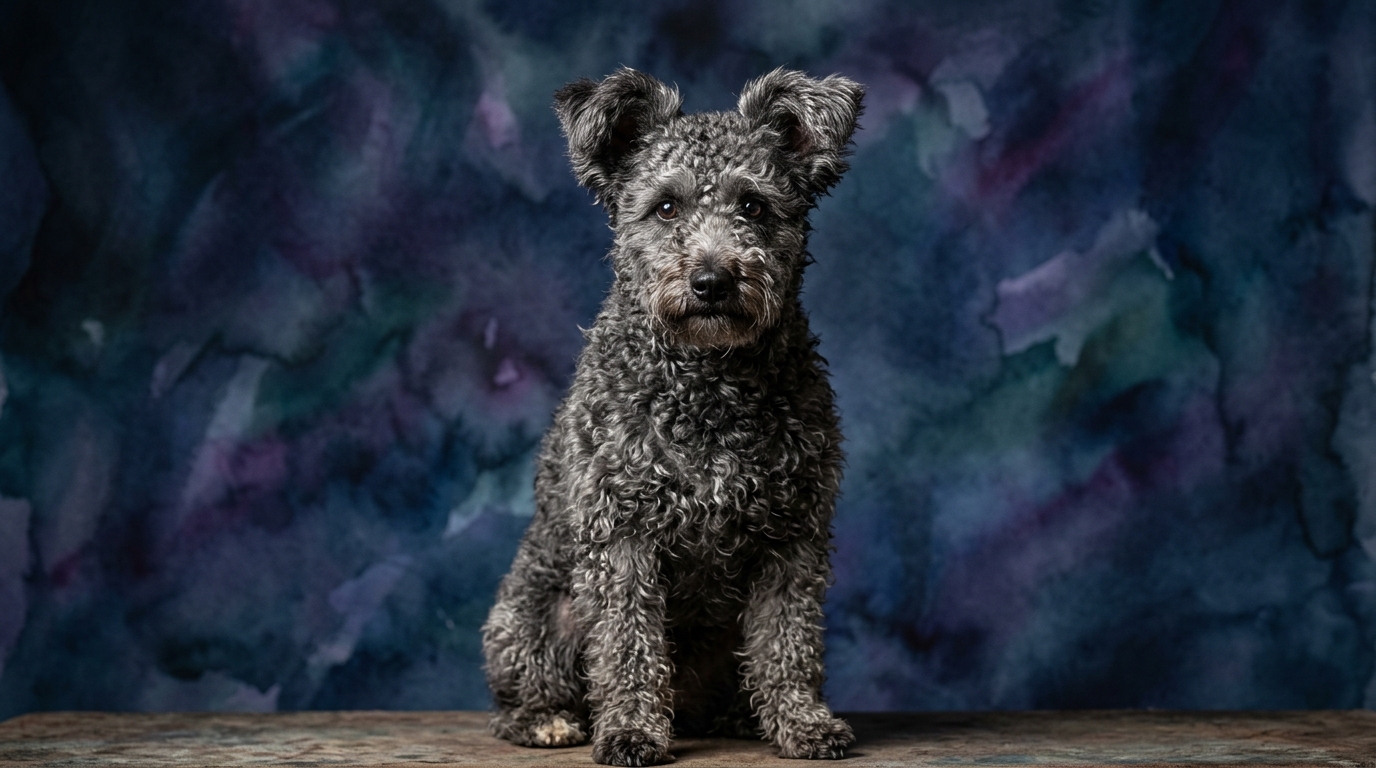
The Pumi, a Hungarian herding dog, demonstrates its **Problem Solving (3/5)** through resourcefulness in managing or organizing its environment, often involving self-directed decisions to gather or control. Its **Training Speed (3/5)** reflects a solid ability to learn new commands, particularly when tasks align with its herding instincts, thriving on understanding the 'why.' **Social Intelligence (3/5)** in a Pumi means adeptness at interpreting handler intentions and influencing group dynamics, crucial for livestock management. Its **Instinctive Drive (3/5)** is a moderately strong herding impulse focused on vigilance and maintaining order. Finally, **Memory (3/5)** allows Pumis to recall complex routines and spatial information for navigating territories and executing multi-step tasks.
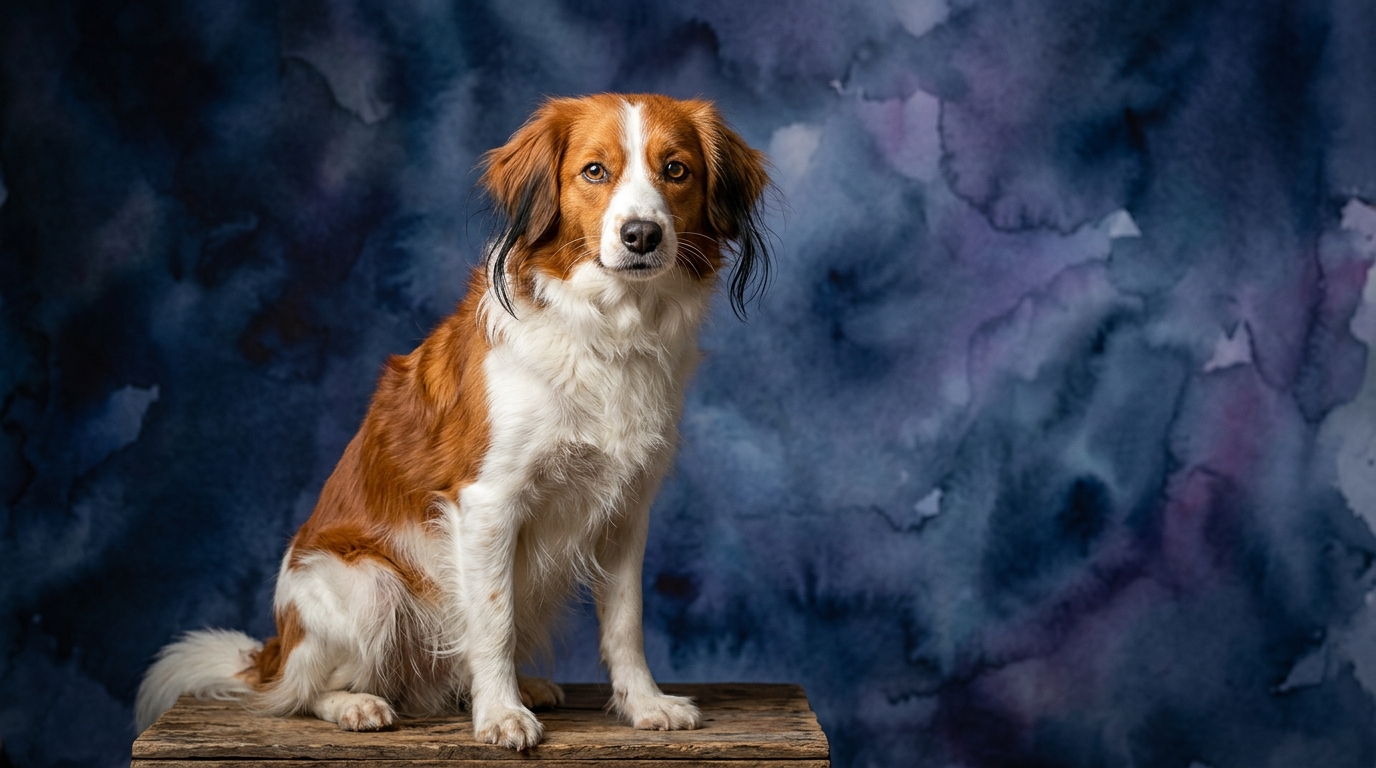
The Kooikerhondje, a Dutch sporting dog, applies its **Problem Solving (3/5)** to tasks requiring focus, persistence, and strategic thinking, especially in scent work or retrieving from varied environments. Its **Training Speed (3/5)** indicates a consistent learning pace, often eager to please and responsive to structured training for luring and retrieving roles. The Kooiker's **Social Intelligence (3/5)** is keenly tuned to cooperative work with a human partner, fostering a strong bond essential for hunting companionship. Its **Instinctive Drive (3/5)** is a moderately strong sporting impulse, characterized by an innate desire to retrieve, scent interest, and water affinity. Their **Memory (3/5)** is dependable for specific locations, scent trails, and recalling complex retrieving patterns, vital for their duck-tolling heritage.
Where the Pumi Excels Cognitively
Despite identical scores, the Pumi's cognitive strengths lean towards independent application and dynamic adaptation, a direct reflection of its herding lineage. Its Problem Solving (3/5) often manifests as a more proactive and self-reliant approach to novel situations. For example, a Pumi might independently devise a method to gather scattered toys or 'herd' family members from one room to another, applying its inherent drive to organize and control its surroundings without direct command. This isn't just about following instructions; it's about initiating solutions.
The Pumi's Social Intelligence (3/5), while comparable in score, is geared towards discerning group dynamics and exerting subtle influence. They possess a nuanced understanding of their environment and the creatures within it, allowing them to anticipate movements and react with agility, whether it's livestock or simply navigating a busy household. This makes them particularly adept at tasks requiring quick, on-the-spot assessments and adjustments, rather than rigid adherence to a pre-set plan.
Where the Kooikerhondje Excels Cognitively
The Kooikerhondje’s cognitive advantages are rooted in precision, focus, and cooperative partnership, hallmarks of a dedicated sporting dog. Its Problem Solving (3/5) shines in tasks demanding sustained attention and methodical execution, such as intricate scent discrimination or strategizing the most efficient route to retrieve an object in a complex environment. Unlike the Pumi's broad organizational problem-solving, the Kooiker excels at target-oriented challenges, demonstrating persistence until the specific goal is achieved.
The Kooikerhondje’s Memory (3/5) is particularly noteworthy for its accuracy in spatial recall and sequencing, a direct benefit of its duck-tolling heritage. They are exceptional at 'marking' where objects fall, remembering multiple retrieve locations, and executing multi-step commands in a precise order. This makes them outstanding candidates for activities like competitive obedience, rally, or advanced scent work where recalling specific cues and locations is paramount. Their Social Intelligence (3/5) is also deeply tied to understanding and anticipating their handler's every move within a working context, fostering a deeply cooperative and synchronous bond during focused tasks.
Training Dynamics: Pumi vs. Kooikerhondje
Both breeds score 3/5 in Training Speed, but their inherent behavioral differences significantly influence *how* they are best trained and what tasks they find easiest to master. The Pumi, with its independent herding mindset, can be easier to train for tasks requiring quick adaptability and independent decision-making. Their instinct to manage and organize translates well into agility, where they must navigate complex courses with speed and self-reliance. However, their self-thinking nature means they might 'question' rote, repetitive tasks if they don't perceive a clear purpose, requiring a trainer who can make learning engaging and meaningful to their inherent drives.
The Kooikerhondje, conversely, often proves easier to train for tasks demanding precision, repetition, and close partnership. Their strong desire to work cooperatively with their handler and their innate retrieving drive make them highly motivated by structured obedience, scent work, and retrieving games. They typically thrive on clear, consistent commands and positive reinforcement, showing a consistent eagerness to please. While both breeds are capable learners, the Kooiker's focus on partnership and specific task completion can make advanced, precise training a slightly more straightforward and rewarding experience for handlers who enjoy a highly cooperative working relationship.
Matching Canine Companions to Lifestyles
Neither the Pumi nor the Kooikerhondje is suited for genuinely relaxed owners seeking a low-maintenance companion; both demand significant engagement, though the nature of that engagement differs. For **active owners**, both breeds can be excellent choices, but for distinct reasons. An active owner who thrives on engaging a dog's mind through complex problem-solving, agility, or even simulated herding activities will find the Pumi an invigorating partner. They need mental challenges that tap into their independent thought and organizational instincts. A Pumi will invent its own 'jobs' if not given constructive outlets, which can be challenging for owners who prefer a less self-directed companion.
Conversely, an active owner who enjoys outdoor adventures, focused training, and cooperative tasks like retrieving, scent work, or swimming will find the Kooikerhondje to be a deeply rewarding companion. While they also need mental stimulation, their drive is often channeled into specific tasks performed in partnership with their human. They possess a good 'off switch' indoors if their needs are met, but they require consistent physical activity and mental engagement outdoors to prevent boredom and ensure contentment. Both breeds demand owners who are prepared to invest time and energy into their cognitive and physical well-being.
The Verdict: When to Choose Which Breed
The Verdict
Choose the Pumi if you appreciate a dog with independent thought, a knack for creative problem-solving in dynamic environments, and are prepared to channel its herding instincts into constructive activities like agility or complex obedience.
Choose the Kooikerhondje if you seek a devoted partner for focused tasks, enjoy engaging in precise training, scent work, or retrieving games, and can provide ample opportunities for physical activity and cooperative learning.
🧠 Find Your Pet's IQ Score
Our Pet IQ Lab assessment covers 25+ tests across 5 cognitive dimensions — personalized to your breed.
Take the Full IQ Test →Frequently Asked Questions
Are Pumis good at learning tricks?
Pumis are capable of learning a wide array of tricks, especially those that engage their problem-solving skills and aren't solely based on rote repetition. They often enjoy novel challenges and figuring things out, which can make trick training an enriching experience if approached creatively.
Do Kooikerhondjes get bored easily?
Yes, Kooikerhondjes can get bored easily if not provided with sufficient mental and physical activity, particularly those that tap into their retrieving and scenting drives. They thrive on having a 'purpose' and consistent engagement, so owners must be prepared to offer regular training sessions, games, and outdoor adventures.
Which breed is better for first-time dog owners?
Both breeds require committed owners, but the Kooikerhondje's eagerness to please and cooperative nature might make structured training slightly more straightforward for a first-time owner. The Pumi's independent thinking and strong will necessitate a confident handler who understands how to channel their herding instincts effectively.