Side-by-Side IQ Profile: Interpreting Identical Scores
On paper, The Cosmic Pet Pet IQ Lab assigns both the Pumi and the Toy Fox Terrier a consistent 3 out of 5 across all five cognitive dimensions. This identical numerical assessment, however, belies the rich diversity in how each breed approaches tasks and interacts with their world. A score of 3/5 signifies a solid, capable level of intelligence, indicating neither extreme difficulty nor exceptional ease in these areas; the key lies in understanding the context of their breed-specific manifestations.
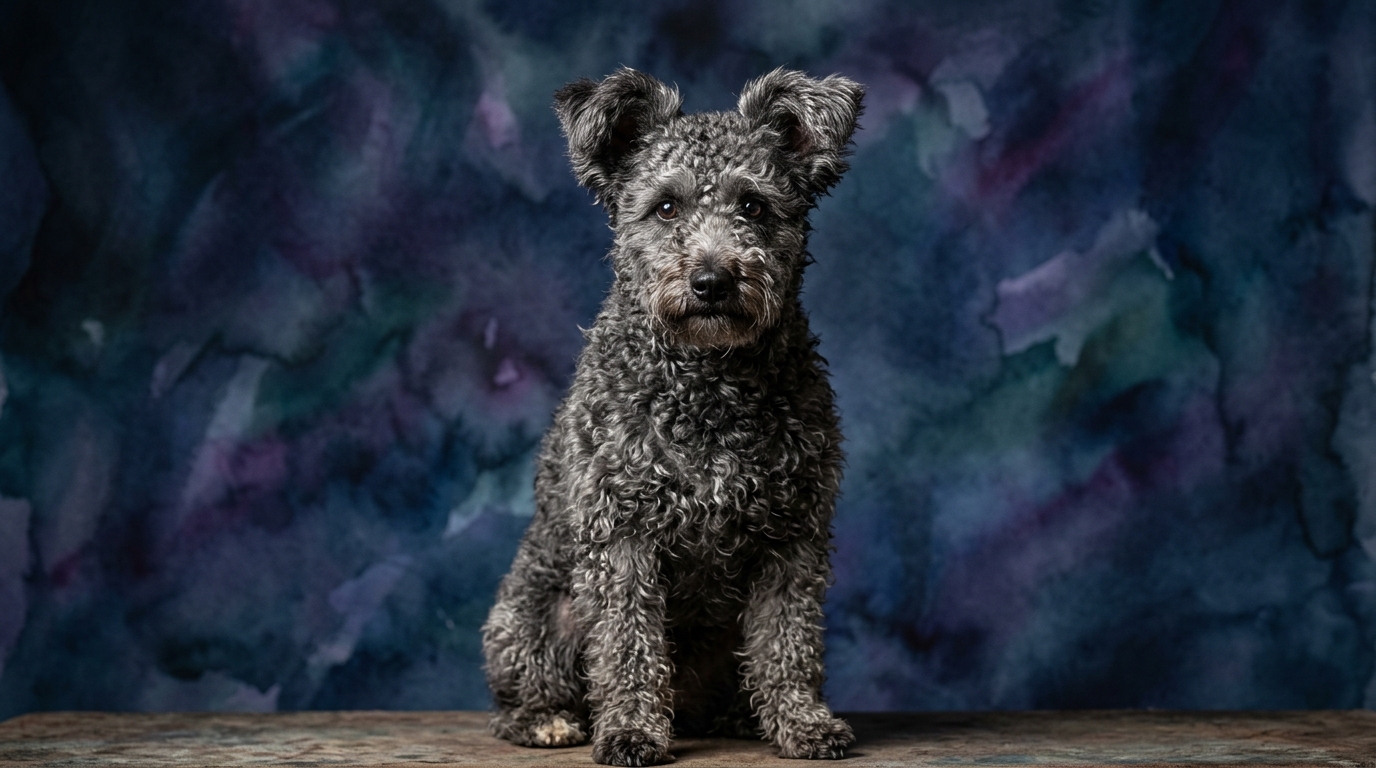
The Pumi, a spirited herding dog from Hungary, exhibits its 'Problem Solving' (3/5) through an agile mind that quickly assesses and responds to dynamic situations, such as managing livestock movement or navigating complex agility courses. Their 'Training Speed' (3/5) reflects a willingness to learn and retain complex sequences, though their independent herding instincts can sometimes lead to thoughtful deliberation rather than instant compliance. 'Social Intelligence' (3/5) for a Pumi means a keen awareness of their handler's cues and the mood of their 'flock,' be it sheep or family members, often expressing a reserved but devoted connection. Their 'Instinctive Drive' (3/5) is strongly rooted in herding, manifesting as an innate desire to gather, control, and protect, requiring appropriate outlets. Finally, the Pumi's 'Memory' (3/5) allows them to recall intricate commands, past experiences, and the routines associated with their tasks, contributing to their reliability in a working capacity.
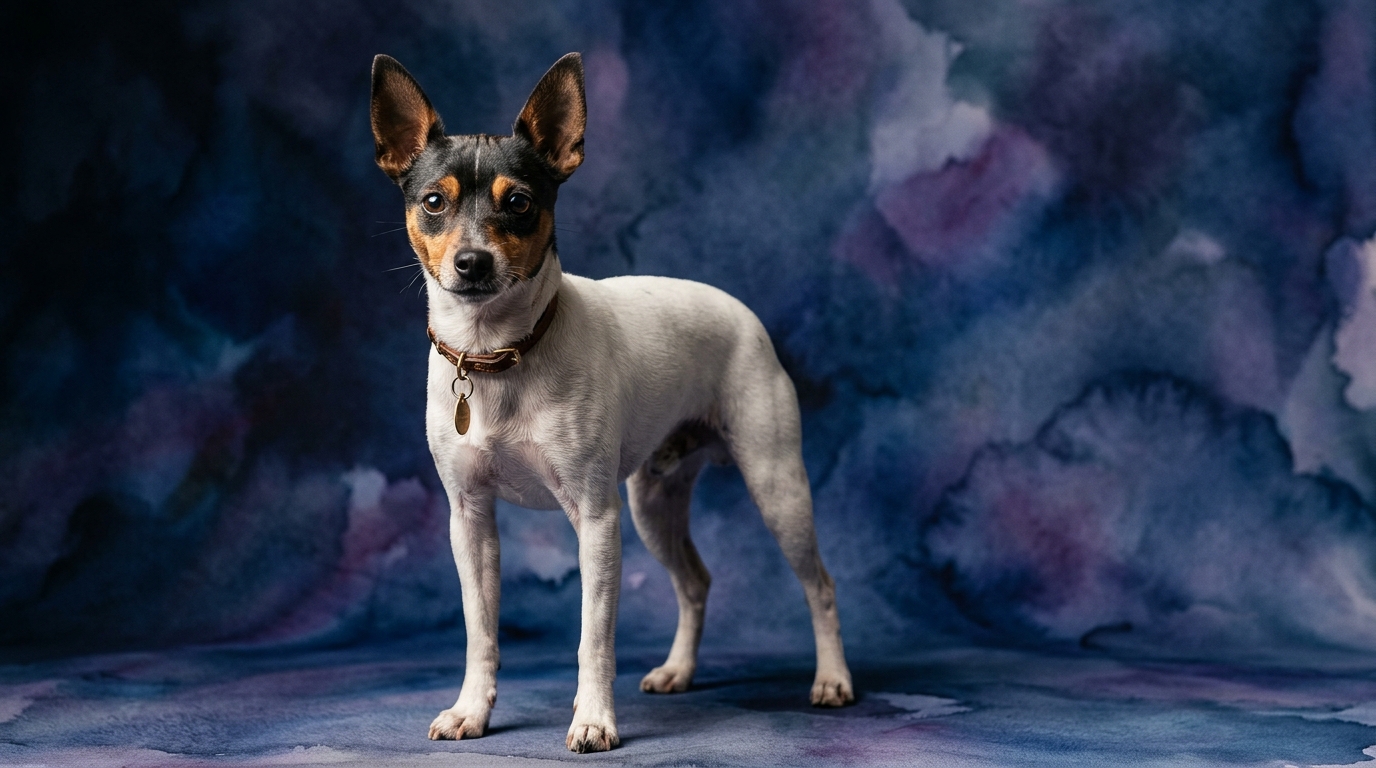
The Toy Fox Terrier, a feisty American toy breed with terrier lineage, demonstrates its 'Problem Solving' (3/5) with a quick-witted approach to figuring out how to access forbidden treats, outsmarting small prey, or finding the most comfortable sunbeam. Their 'Training Speed' (3/5) is characterized by a rapid grasp of basic commands and tricks, often eager to please when motivated by fun and rewards, though their independent terrier spirit might occasionally lead to selective hearing. 'Social Intelligence' (3/5) in a Toy Fox Terrier translates to a remarkable ability to read human emotions, understand household dynamics, and charm their way into advantageous positions, often being highly attuned to their family's routines. Their 'Instinctive Drive' (3/5) is a powerful prey drive, manifesting as a relentless pursuit of small vermin, a love for digging, and an alert nature that makes them excellent watchdogs. The Toy Fox Terrier's 'Memory' (3/5) allows them to retain knowledge of their environment, remember where favorite toys are hidden, and recall specific interactions, making them adept at navigating their home and routines.
While both breeds share the same numerical rating, the interpretation of '3/5' for each dimension is profoundly shaped by their breed's historical purpose and inherent temperament. This identical score thus serves as a starting point, inviting a deeper exploration into the specific ways their intelligence comes to life.
Where Pumi Wins Cognitively
The Pumi's cognitive strengths truly shine in environments demanding independent thought within a cooperative framework, a direct reflection of their herding heritage. Their 3/5 in 'Problem Solving' is particularly effective in dynamic situations where they must make quick, on-the-spot decisions without constant human direction, such as maneuvering livestock or adapting to changing conditions in agility. This capacity for autonomous, yet goal-oriented, decision-making gives them an edge in tasks requiring a blend of initiative and teamwork. Furthermore, their 'Social Intelligence' (3/5) often manifests as a deep understanding of complex handler cues and subtle body language, allowing for a sophisticated partnership in demanding activities. The Pumi excels when given a job that requires both mental and physical engagement, leveraging their well-rounded 3/5 scores to navigate intricate challenges with thoughtful purpose.
Where Toy Fox Terrier Wins Cognitively
The Toy Fox Terrier's cognitive prowess is most evident in scenarios that benefit from quick, agile thinking and a tenacious spirit, traits honed by their vermin-hunting roots. Their 3/5 in 'Problem Solving' allows them to quickly devise strategies for reaching desired objects, navigating tight spaces, or outsmarting perceived obstacles with cleverness. This breed demonstrates remarkable resourcefulness in finding ways to achieve its goals, whether it's getting an extra treat or finding a sunbeam. The Toy Fox Terrier's 'Instinctive Drive' (3/5), channeled into their keen senses and quick reflexes, makes them exceptionally good at detecting and reacting to subtle environmental changes, such as the sound of a rustling leaf or a distant squirrel. Their 'Memory' (3/5) is particularly sharp for routines and spatial awareness within their home, making them adept at remembering where things are and anticipating daily events with enthusiasm. The Toy Fox Terrier thrives on challenges that require rapid assessment and bold action, using their balanced 3/5 cognitive profile to conquer their small world with confidence.
Which is Easier to Train and Why
When considering ease of training, both breeds present unique considerations despite their identical 3/5 'Training Speed' scores. The Pumi, with its herding background, generally approaches training with a strong desire to work and please its handler, often excelling in complex obedience and dog sports. Their independence, however, means they thrive on engaging, varied training methods and can become bored or opinionated with repetitive drills. Pumis typically respond well to positive reinforcement and clear, consistent communication, but their inherent drive to make their own decisions in a herding context means an owner must be patient and persuasive, establishing a strong leadership role built on trust and mutual respect.
The Toy Fox Terrier, while quick to grasp commands due to its 3/5 'Training Speed,' often brings a typical terrier stubbornness and a shorter attention span to the training floor. They excel at learning tricks and enjoy fun, game-based training sessions, but their strong prey drive and independent nature can make consistent, formal obedience more challenging. Their motivation is often driven by novelty, treats, or play, and they may decide a task isn't worth their effort if it doesn't offer immediate gratification. Training a Toy Fox Terrier requires creativity, consistency, and a sense of humor, focusing on short, engaging sessions to maintain their interest and overcome their independent streak. While a Pumi might be easier to motivate for a sustained working partnership, a Toy Fox Terrier might pick up a new trick faster if the reward is enticing enough, making the 'easier' designation highly dependent on the owner's goals and training style.
Which Suits Active Owners vs. Relaxed Owners
For active owners seeking a true partner in adventure, the Pumi is an excellent choice. With its high energy levels and strong 'Instinctive Drive' (3/5) for mental and physical work, a Pumi thrives when given a job to do. They excel in activities like agility, herding, flyball, and long hikes, requiring dedicated daily exercise and consistent mental stimulation to prevent boredom and destructive behaviors. An owner who enjoys training, exploring, and engaging in demanding dog sports will find the Pumi to be an enthusiastic and capable companion, making the most of its balanced 3/5 cognitive profile across all dimensions. They are not content to be couch potatoes and require an owner who matches their zest for life and commitment to purposeful activity.
The Toy Fox Terrier, while possessing a vigorous 'Instinctive Drive' (3/5) and plenty of energy, is generally better suited for owners who are active but perhaps seek a slightly less demanding physical regimen than a Pumi requires. They enjoy brisk walks, games of fetch in the yard, and puzzle toys that challenge their 3/5 'Problem Solving' skills, but their smaller size means their exercise needs can often be met within a home and yard setting with regular outings. They love being involved in family activities and can adapt to apartment living if given sufficient mental and physical enrichment. While they are far from 'relaxed' in the sense of being sedentary, their activity needs can be more flexibly integrated into a moderately active lifestyle, making them suitable for owners who are engaged and playful, but perhaps not seeking a full-time athletic partner. They thrive on attention and interaction, making them a good fit for owners who enjoy consistent engagement without needing to commit to extensive outdoor excursions daily.
The Verdict
Choose the Pumi if you are an active, experienced owner ready to channel a spirited working dog's energy and intelligence into demanding activities like dog sports or farm work. They thrive on purpose and partnership, making them ideal for those who enjoy a true canine collaborator.
Opt for the Toy Fox Terrier if you appreciate a clever, tenacious companion with a big personality in a small package, suitable for a moderately active household that enjoys consistent mental stimulation and playful engagement. They excel at charming their way into your heart and keeping you entertained with their quick wits.
🧠 Find Your Pet's IQ Score
Our Pet IQ Lab assessment covers 25+ tests across 5 cognitive dimensions — personalized to your breed.
Take the Full IQ Test →Frequently Asked Questions
How can both breeds have a 3/5 problem-solving score but excel differently?
The 3/5 score indicates a solid capacity for problem-solving in both, but its manifestation is breed-specific. The Pumi's problem-solving is often applied to complex, dynamic tasks like herding, requiring strategic foresight, while the Toy Fox Terrier uses its problem-solving for immediate, often self-serving goals like accessing treats or outsmarting small prey.
Does the Toy Fox Terrier's small size affect its training speed, despite a 3/5 score?
While the Toy Fox Terrier's 3/5 training speed suggests they grasp concepts quickly, their small size often correlates with a feisty, independent terrier temperament. This means that while they learn fast, their motivation and consistency in training can be influenced by their strong will and preference for immediate rewards, requiring engaging and creative approaches from their owner.
Which breed is better for a first-time dog owner?
Neither breed is typically recommended for a completely novice owner without prior research and commitment to training. However, the Toy Fox Terrier might be marginally more adaptable due to its smaller size and slightly more manageable exercise needs, provided the owner is prepared for its terrier tenacity. The Pumi's intense working drive and need for extensive mental and physical stimulation often require an owner with experience in handling energetic, independent breeds.