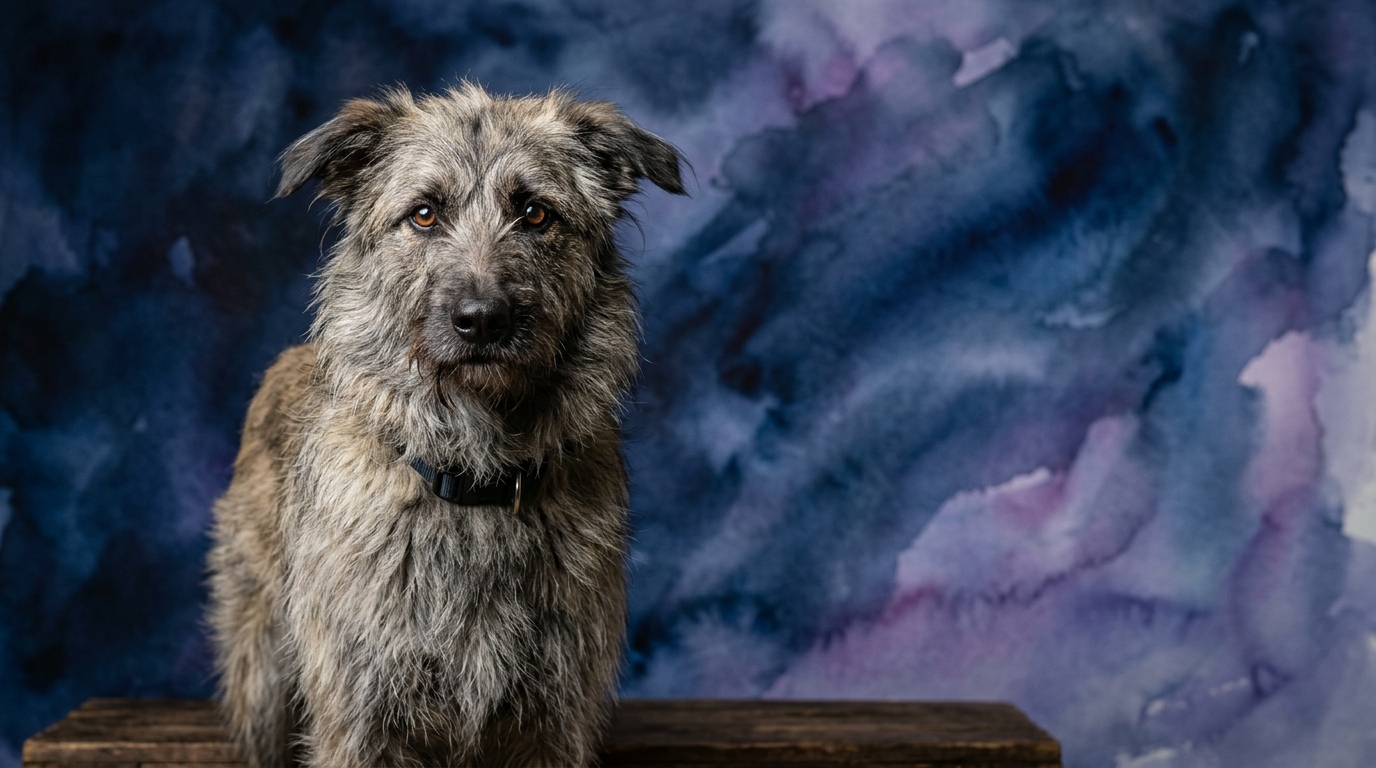
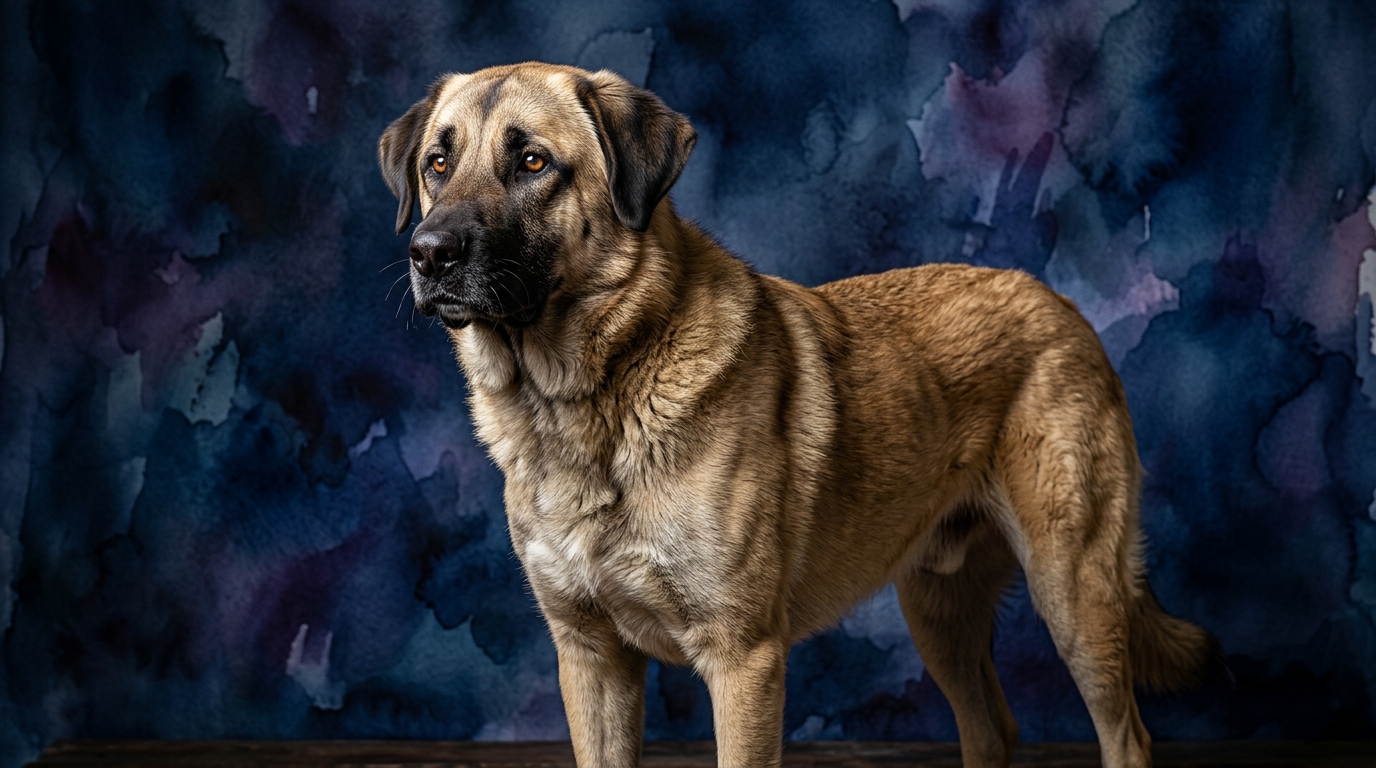
Side-by-Side IQ Profile: Herding Agility vs. Guardian Steadfastness
Despite both the Pyrenean Shepherd and the Anatolian Shepherd Dog receiving a consistent 3/5 rating across all five cognitive dimensions, the manifestation of these scores differs dramatically due to their divergent historical roles. Understanding these contextual nuances is key to appreciating their unique intellectual strengths.
The Pyrenean Shepherd, a spirited herding dog, demonstrates a practical, on-the-spot problem-solving capacity (3/5), adept at navigating dynamic flock movements and environmental changes. Their solutions are often immediate and task-oriented, focusing on controlling livestock efficiently rather than intricate, multi-step conceptual challenges. In training speed (3/5), they absorb information steadily, often driven by an eagerness to work alongside their handler, though their high energy can require consistent engagement. Their social intelligence (3/5) is primarily geared towards reading the subtle cues of their flock and handler, allowing them to anticipate movements and respond appropriately in a working context. A strong, inherent drive to gather and control livestock defines their instinctive drive (3/5), making them tireless workers. Finally, their memory (3/5) is solid for learned routines, commands, and the layout of their working environment, allowing them to perform intricate maneuvers with consistency.
In contrast, the Anatolian Shepherd Dog's problem-solving (3/5) centers on independent assessment and protection of their charge, manifesting as strategic thinking in evaluating potential threats and determining effective deterrents without direct human instruction. Their training speed (3/5) is moderate, but their deeply ingrained independence means they process requests through the lens of their guarding purpose, requiring patient, consistent training that respects their self-assured nature. Their social intelligence (3/5) is finely tuned to their role as a guardian, enabling them to discern between familiar and unfamiliar, friend and foe, within their territory, acting with calculated reserve. A powerful, innate drive to protect livestock and property defines their instinctive drive (3/5), often operating with minimal human oversight. Their memory (3/5) is robust for their territory, the individuals within their care, and past experiences with threats, contributing to their effective long-term guardianship.
Where the Pyrenean Shepherd Wins Cognitively
While both breeds score 3/5 across the board, the Pyrenean Shepherd’s cognitive strengths shine in areas demanding dynamic responsiveness and direct partnership. Their problem-solving, though rated 3/5, is quicker and more adaptable in rapidly changing environments, particularly when working with a handler. This breed excels at interpreting immediate cues from both livestock and human, allowing for fluid adjustments in real-time herding scenarios, a nuanced form of situational awareness that requires fast processing. Their training speed, also 3/5, benefits from a stronger inherent desire to engage and cooperate directly with a human partner, making them more receptive to learning complex sequences of commands that facilitate intricate herding patterns. This collaborative mindset, combined with their sharp memory for specific routines, gives them an edge in tasks requiring agility of thought and execution under close human direction.
Where the Anatolian Shepherd Dog Wins Cognitively
Conversely, the Anatolian Shepherd Dog’s cognitive prowess, despite matching the Pyrenean Shepherd at 3/5, is distinguished by its profound capacity for independent judgment and strategic defense. Their problem-solving is less about rapid, handler-directed maneuvers and more about autonomous threat assessment and long-term territorial management. An Anatolian's 3/5 in problem-solving means they are adept at evaluating complex, unfolding situations, like a lone coyote approaching a flock, and formulating a response without immediate human input, often involving a calculated display of presence rather than direct confrontation. Their social intelligence, also 3/5, is superior in discerning subtle shifts in animal behavior or environmental anomalies that might signal danger, enabling them to act as a self-sufficient, vigilant guardian. This self-reliance, backed by a memory for their expansive territory and past encounters, makes them unparalleled in roles requiring unwavering, solitary protection.
Which is Easier to Train and Why?
Determining which breed is 'easier' to train hinges on defining training goals and methods, as both score 3/5 in training speed. The Pyrenean Shepherd, with its strong desire for partnership and inherent drive to work *with* a human, tends to be more responsive to traditional obedience and sport training. Their focus on the handler during tasks means they are often more eager to please and quicker to offer behaviors when motivated by interaction and activity. Their herding background makes them naturally attentive and biddable when engaged, learning commands like 'stay' or 'come' with a good success rate, provided the training is stimulating and consistent.
In contrast, the Anatolian Shepherd Dog, while capable of learning at a 3/5 pace, approaches training with a more independent and sometimes questioning mindset. Their primary motivation is often their guarding instinct, not necessarily human approval. Training an Anatolian requires immense patience, understanding their intrinsic self-sufficiency, and framing commands in a way that aligns with their protective nature. They might learn 'sit' and 'stay' but will always prioritize their assessment of a situation over blind obedience if they perceive a threat to their charge. Therefore, for general obedience and cooperative tasks, the Pyrenean Shepherd is generally perceived as more straightforward to train due to their partnership-oriented intelligence.
Active Owners vs. Relaxed Owners: A Lifestyle Match
The choice between these two breeds largely depends on an owner's lifestyle. The Pyrenean Shepherd, a breed brimming with energy and a cognitive need for engagement, is unequivocally suited for active owners. Their 3/5 instinctive drive for herding translates into a constant demand for physical exertion and mental stimulation, thriving on activities like agility, hiking, or advanced obedience. An owner who can provide daily vigorous exercise, structured training, and opportunities for their dog to 'work' will find the Pyrenean Shepherd a rewarding companion.
Conversely, the Anatolian Shepherd Dog, while certainly needing exercise, is better suited for owners who appreciate a more relaxed, watchful presence, though 'relaxed' here refers to their demeanor, not their vigilance. Their 3/5 instinctive drive is for steadfast guardianship, which involves patrolling, observing, and making independent decisions rather than constant, high-octane activity. They require space and a purpose, but their energy expenditure is often more sustained and less frenetic. Owners with large properties, a desire for a protective companion, and an understanding of independent working breeds will find the Anatolian a better fit, as they are not typically suited for intense, structured daily activities in the same way a Pyrshep is.
The Verdict
If you seek an active, collaborative partner for sports, herding, or a highly engaged companion who thrives on shared tasks and dynamic interaction, the Pyrenean Shepherd's focused intelligence will be a perfect match.
Opt for the Anatolian Shepherd Dog if you need a steadfast, independent guardian for livestock or property, appreciating a dog whose quiet vigilance and autonomous decision-making define its profound protective intellect.
🧠 Find Your Pet's IQ Score
Our Pet IQ Lab assessment covers 25+ tests across 5 cognitive dimensions — personalized to your breed.
Take the Full IQ Test →Frequently Asked Questions
Do Pyrenean Shepherds make good family pets despite their herding drive?
Yes, with proper socialization, training, and sufficient outlets for their energy, Pyrenean Shepherds can be devoted family companions. Their herding drive means they might try to 'herd' children or other pets, requiring consistent guidance and management.
Are Anatolian Shepherd Dogs good with children and other pets?
Anatolian Shepherd Dogs can be very tolerant and protective of children and other family pets they are raised with, viewing them as part of their 'flock.' However, their sheer size and guarding instincts necessitate careful supervision and early socialization, especially with unfamiliar individuals.
How much exercise do these breeds truly need given their working backgrounds?
Pyrenean Shepherds require substantial daily exercise, including vigorous activity and mental challenges, to prevent boredom and destructive behaviors. Anatolian Shepherd Dogs need regular, moderate exercise, often satisfied by patrolling a large yard or property, but their mental need is for purpose and vigilance rather than constant intense physical exertion.