Side-by-side IQ profile
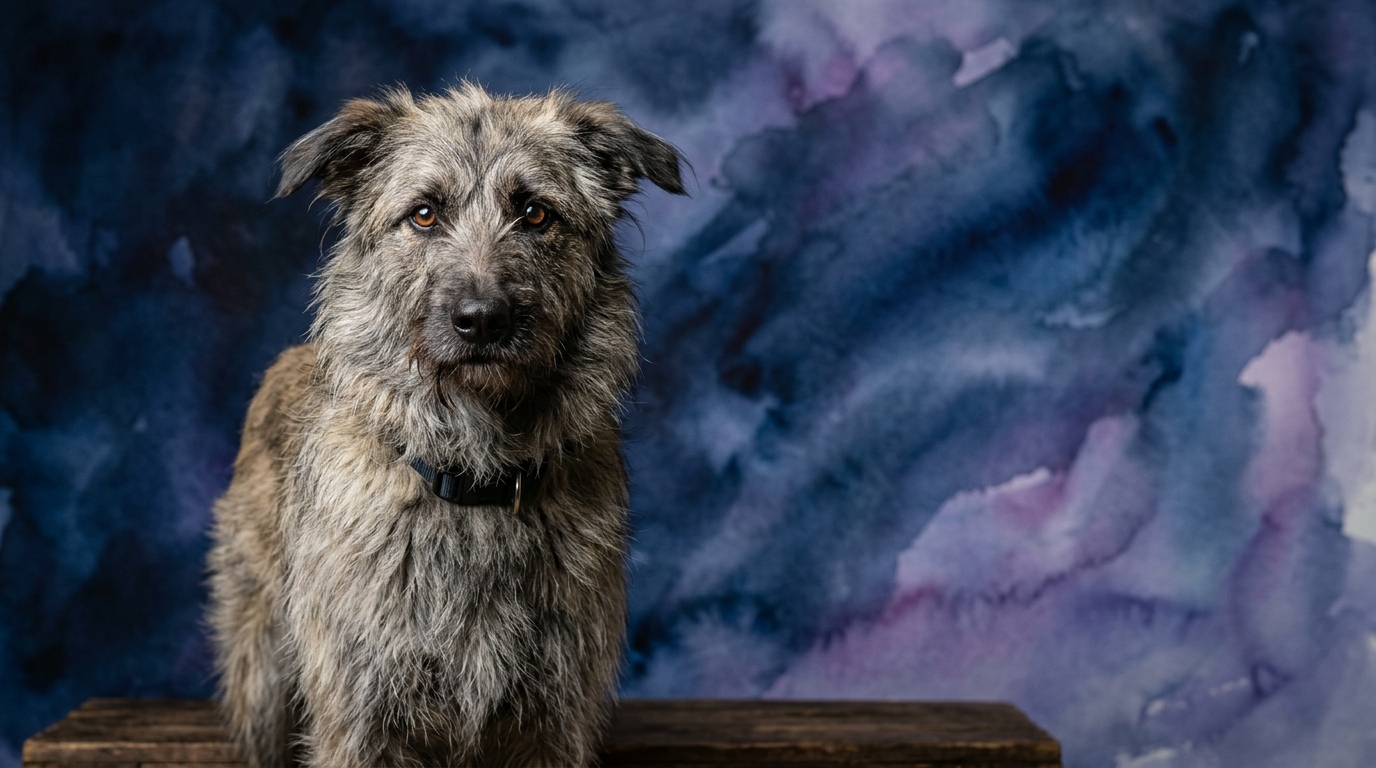
The Cosmic Pet Pet IQ Lab employs a five-dimensional framework to evaluate canine cognition, providing a granular view beyond simple rankings. For the Pyrenean Shepherd, a breed originating from the rugged Pyrenees mountains, its profile reflects a mind honed for independent pastoral work. Its Problem Solving is rated 3/5, indicating an ability to navigate complex, dynamic situations with a flock, making quick, on-the-spot decisions about animal movement and safety, often without direct human instruction. This isn't abstract puzzle-solving, but rather practical, real-world application. Training Speed also stands at 3/5; while capable of learning, the Pyrenean Shepherd often requires a handler who understands its independent streak, needing consistency and motivation that aligns with its inherent drives. Social Intelligence is 3/5, meaning it can read its handler's cues and the nuances of flock behavior, but may exhibit reservation towards strangers, directing its keen observational skills primarily towards its working circle. Instinctive Drive, at 3/5, centers on its powerful herding impulse – the urge to gather, move, and control, which defines much of its cognitive focus. Finally, its Memory is 3/5, sufficient for retaining a working repertoire of commands and routines pertinent to its daily tasks, yet perhaps not for the multi-layered recall of a retrieving specialist.
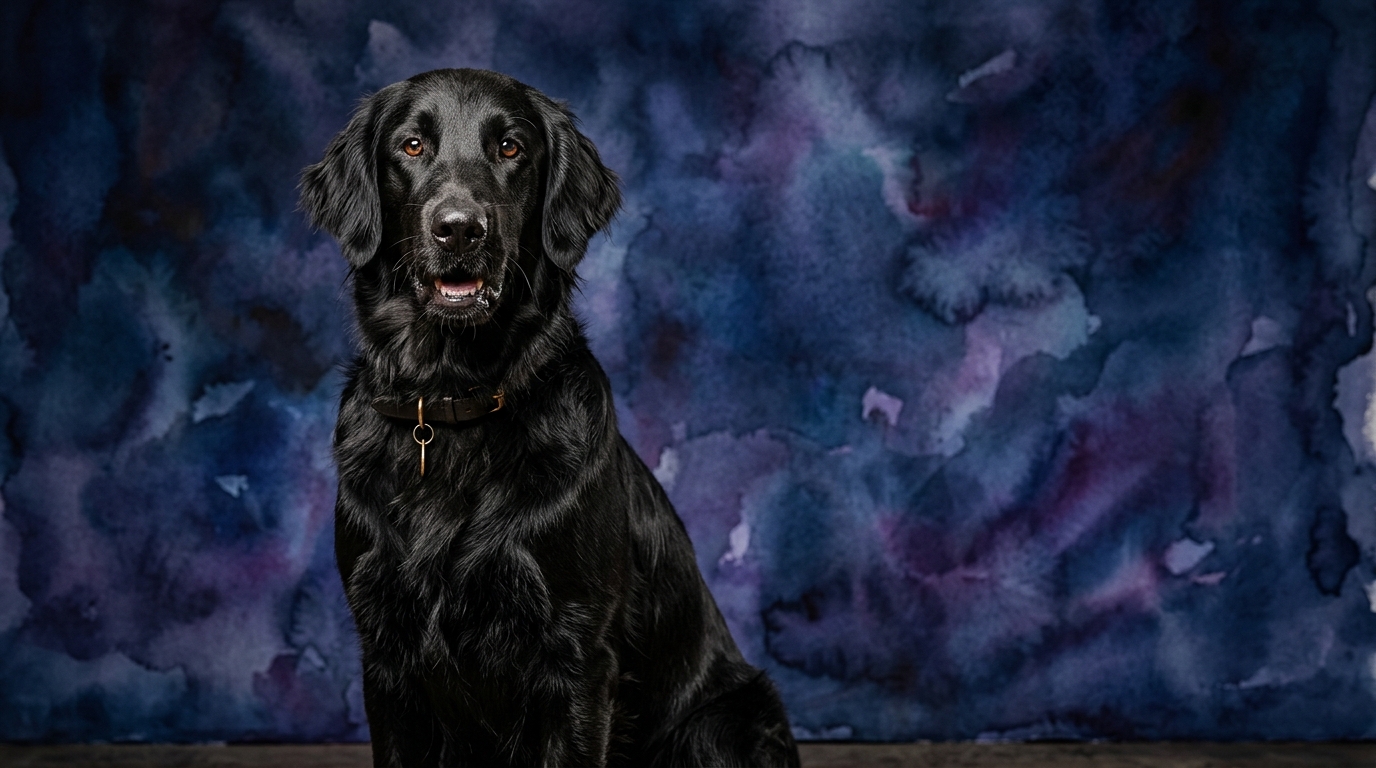
In contrast, the Flat-Coated Retriever, a breed developed for game retrieval, presents a cognitive profile optimized for cooperative, human-directed tasks. Its Problem Solving scores 4/5, demonstrating a strong aptitude for figuring out how to retrieve objects from challenging terrains, overcoming obstacles, and adapting strategies to achieve its handler’s goal. This breed excels at practical challenges presented within a collaborative context. Training Speed is also 4/5, reflecting an eager-to-please disposition and a quick grasp of new commands and routines, especially when training is positive and engaging. Their enthusiasm for learning makes them highly responsive partners. Social Intelligence, at 3/5, underscores their generally friendly and engaging nature, allowing them to connect well with people and understand human moods, fostering strong bonds. Instinctive Drive, rated 3/5, is powerfully geared towards retrieving, carrying objects, and exploring with their nose, which fuels their joyful work ethic. Where the Flat-Coated Retriever truly distinguishes itself is in Memory, earning a remarkable 5/5. This exceptional recall allows them to remember multiple "fall" locations for retrieves, follow complex multi-step instructions, and retain a vast array of learned behaviors with impressive accuracy and longevity.
Where Pyrenean Shepherd wins cognitively
While the Flat-Coated Retriever may boast higher numerical scores in certain dimensions, the Pyrenean Shepherd's cognitive strengths lie in the unique application of its balanced intelligence, particularly in scenarios demanding independent thought and nuanced control. Its 3/5 Problem Solving, when combined with its specific Herding drive, equips it to make autonomous decisions in dynamic, unpredictable environments. A Pyrenean Shepherd can assess a scattered flock, identify escape routes, and apply precise pressure to guide animals without constant human instruction, a self-starter capability paramount for effective herding. This isn't about solving a puzzle for a human, but solving a problem within its natural work context, demonstrating a distinct form of practical ingenuity. Furthermore, its Social Intelligence, while rated 3/5, is finely tuned to the subtle cues of livestock and the needs of its immediate working partnership, enabling a sophisticated, low-stress method of control that prioritizes cooperation over force. The Pyrenean Shepherd's cognitive advantage is its capacity for subtle, adaptable, and self-directed work, making it exceptionally effective in roles where quick, independent judgment is more valuable than direct obedience to complex, pre-programmed commands. This resilience and innate understanding of its job allows it to thrive in challenging, less structured environments where a retrieving dog might wait for explicit direction.
Where Flat-Coated Retriever wins cognitively
The Flat-Coated Retriever's cognitive profile showcases clear advantages in areas crucial for a cooperative sporting companion. Its preeminent strength is undoubtedly its Memory, scoring an impressive 5/5. This translates to an unparalleled ability to retain complex sequences of commands, remember the precise location of multiple retrieved items, and recall intricate routes or patterns, making them exceptional partners in activities requiring sustained attention to detail and long-term retention of information. This superior recall allows for advanced training and consistent performance across varied tasks. Coupled with a 4/5 in Training Speed, the Flat-Coat demonstrates a remarkable aptitude for acquiring new skills rapidly and efficiently. Their eagerness to please, combined with this quick learning curve, means they can master new commands and behaviors with fewer repetitions than many other breeds. This makes them highly adaptable to new sports, tricks, or advanced obedience routines. Moreover, their 4/5 Problem Solving is particularly effective when directed towards human-set goals. They excel at figuring out how to overcome obstacles to retrieve a specific item or navigating a novel environment to complete a task, demonstrating a persistent and focused approach to solving problems within a collaborative framework. This combination of memory, trainability, and directed problem-solving makes the Flat-Coated Retriever a formidable competitor in dog sports and a highly capable working dog in its specific field.
Which is easier to train and why
When considering ease of training, the Flat-Coated Retriever generally presents a more straightforward path for most owners. Their higher Training Speed (4/5) and Problem Solving (4/5), coupled with an inherent eagerness to please and strong desire to work collaboratively with their handler, make them highly responsive to positive reinforcement methods. They typically enjoy the process of learning and thrive on interaction, quickly grasping new commands and routines. Their exceptional Memory (5/5) further solidifies learned behaviors, meaning once a command is understood, it is retained with impressive consistency. This makes them excellent candidates for advanced obedience, rally, and other dog sports where precision and rapid learning are key.
The Pyrenean Shepherd, with its 3/5 in Training Speed and Problem Solving, can be more challenging to train, particularly for novice owners. Their independent nature, a trait crucial for their herding work, means they often require a handler who understands how to channel their strong instincts rather than suppress them. They might question commands that don't immediately align with their working mindset or perceived purpose, requiring more patience, consistency, and creative motivation. Training a Pyrenean Shepherd often involves making the learning process relevant to their inherent drives, such as incorporating elements of 'herding' into their daily activities or using their quick thinking to solve practical problems. While capable of learning a great deal, their progress may be slower, and their responses might be less enthusiastic if they don't perceive a clear benefit or purpose to the task.
Which suits active owners vs relaxed owners
Neither the Pyrenean Shepherd nor the Flat-Coated Retriever are suitable for relaxed or sedentary owners; both breeds possess significant energy levels and profound cognitive needs that demand active engagement. The Pyrenean Shepherd, a herding breed, requires intense physical activity coupled with mental stimulation that taps into its innate working drive. They thrive on having a "job" or purpose, whether it's participating in herding trials, agility, flyball, or advanced obedience. Owners must be prepared to provide structured activities that challenge their quick minds and agile bodies, otherwise, their independent problem-solving might be directed towards undesirable behaviors. They suit experienced, active owners who enjoy a dog that thinks for itself and is a true partner in outdoor adventures and dog sports.
The Flat-Coated Retriever, a sporting breed, also demands a highly active lifestyle. Their energy is often expressed through enthusiastic retrieving games, long hikes, swimming, and interactive play with their family. They need consistent physical outlets to burn off their boundless energy and prevent boredom. Cognitively, they require mental engagement through training, puzzle toys, and activities that leverage their excellent memory and problem-solving skills. While they are highly interactive and enjoy being part of family activities, their need for exercise is non-negotiable. They are ideal for active families or individuals who enjoy outdoor pursuits and desire a playful, devoted companion ready for any adventure. For owners seeking a quiet, low-maintenance companion, both breeds would be a considerable mismatch.
The Verdict
You should choose a Pyrenean Shepherd if you are an experienced, active owner who appreciates an independent, thinking dog with a strong working drive, and you are prepared to engage their unique herding intelligence through specific activities and consistent, understanding training.
You should choose a Flat-Coated Retriever if you seek an enthusiastic, highly trainable, and devoted companion for an active lifestyle, one that excels in human-directed tasks, enjoys interactive play, and learns new commands with remarkable speed and retention.
🧠 Find Your Pet's IQ Score
Our Pet IQ Lab assessment covers 25+ tests across 5 cognitive dimensions — personalized to your breed.
Take the Full IQ Test →Frequently Asked Questions
Are Pyrenean Shepherds good with children?
Pyrenean Shepherds can be good with older, respectful children, especially if raised with them and properly socialized. Their herding instincts might lead them to "herd" younger children, which requires careful supervision and training to manage. Due to their sensitive and sometimes reserved nature, they generally do best in homes where children understand how to interact calmly and respectfully with dogs.
Do Flat-Coated Retrievers shed a lot?
Flat-Coated Retrievers do shed year-round, with heavier shedding during seasonal changes in spring and fall. Their medium-length coat requires regular brushing, typically a few times a week, to manage loose hair and prevent mats. While not as high-maintenance as some long-haired breeds, they are not considered low-shedding.
What kind of mental stimulation do these breeds need?
Both breeds require substantial mental stimulation to prevent boredom and destructive behaviors. Pyrenean Shepherds thrive on activities like herding, agility, rally, and puzzle toys that challenge their independent problem-solving. Flat-Coated Retrievers excel in obedience, retrieving games, scent work, and learning new tricks, leveraging their high memory and trainability for interactive challenges.