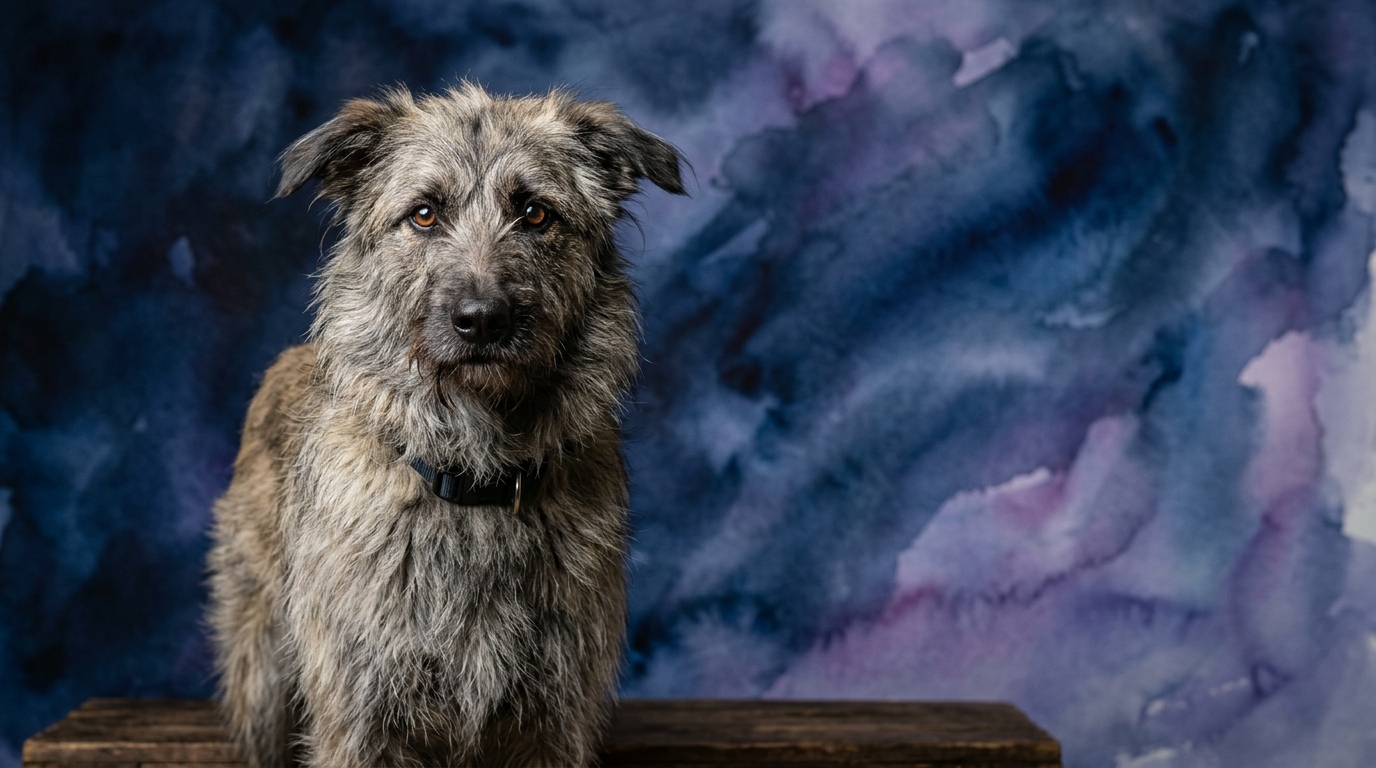
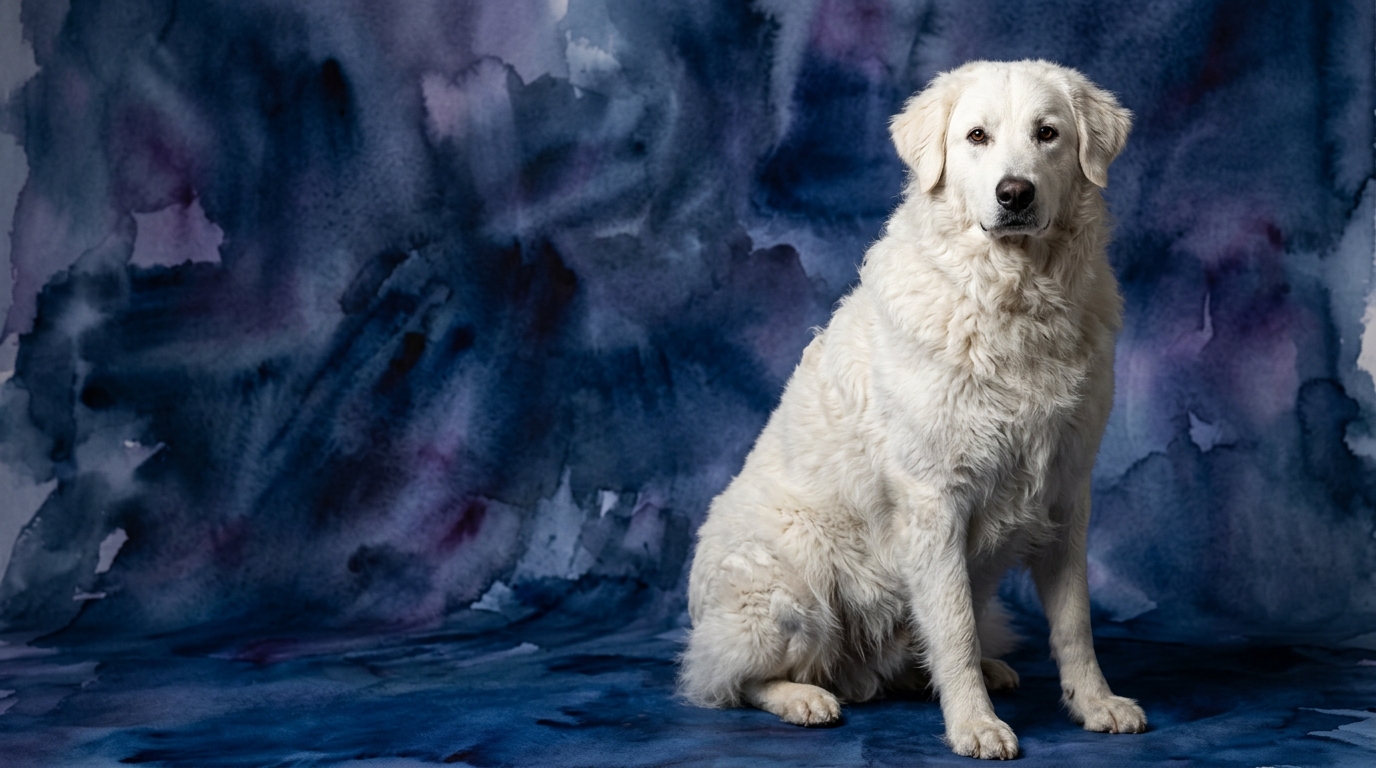
Side-by-Side Cognitive Profiles: Pyrenean Shepherd vs. Kuvasz
The Cosmic Pet Pet IQ Lab provides a structured framework for understanding canine cognition across five key dimensions. For the Pyrenean Shepherd, a breed rooted in herding, its profile shows a consistent '3/5' across problem-solving, training speed, social intelligence, instinctive drive, and memory. This indicates a well-rounded but not extreme aptitude in any single area, reflecting its need for adaptable intelligence in dynamic herding environments. Its problem-solving involves quick, fluid responses to livestock movement, while its social intelligence is finely tuned to both human and flock cues.
In contrast, the Kuvasz, a formidable working breed with a Coren rank of #42, presents a slightly different cognitive emphasis. It shares a '3/5' score with the Pyrenean Shepherd in problem-solving, training speed, social intelligence, and instinctive drive. However, the Kuvasz distinguishes itself with a '4/5' in memory. This enhanced memory is a cornerstone of its role as a steadfast guardian, enabling it to meticulously retain information about its territory, the individuals within its care, and any perceived threats over extended periods. Its problem-solving often involves independent assessment of threats, and its social intelligence is geared towards discerning friend from potential foe.
Where the Pyrenean Shepherd Excels Cognitively
The Pyrenean Shepherd's cognitive strengths are deeply intertwined with its herding lineage. While both breeds score '3/5' in problem-solving, the Pyrenean Shepherd's manifestation of this ability is typically characterized by rapid, adaptive decision-making in fast-changing, unpredictable scenarios. Imagine a flock scattering unexpectedly; this breed excels at quickly devising and executing a strategy to regather, often utilizing complex spatial reasoning and anticipating animal behavior without direct command. This on-the-fly tactical thinking is a hallmark of its working intellect.
Furthermore, its social intelligence, also rated '3/5', is finely tuned to the nuances of its environment and the subtle cues from its handler or the livestock it manages. This allows for a more fluid partnership in active tasks, where anticipating needs and responding to slight shifts in demeanor are crucial. Its instinctive drive, also '3/5', is channeled into purposeful herding actions, demanding a specific form of cognitive engagement that prioritizes agility and responsiveness over static vigilance.
Where the Kuvasz Demonstrates Cognitive Advantage
The Kuvasz's most notable cognitive advantage lies in its '4/5' memory score, surpassing the Pyrenean Shepherd's '3/5'. This robust memory is foundational to its role as a livestock guardian, allowing it to meticulously retain information about its territory, the individuals within its care, and any perceived threats. This superior recall contributes to its consistent and reliable protective behavior, as it can remember past encounters and apply learned lessons over long durations, making its guardianship both vigilant and enduring.
While its problem-solving also stands at '3/5', the Kuvasz applies this capacity differently. Its problem-solving is often a more deliberate process focused on threat assessment and strategic defense within a defined territory. It might involve patiently observing a situation, evaluating potential risks, and making independent judgments about when and how to intervene. This independent thought, combined with its strong memory, enables a Kuvasz to function effectively as a guardian without constant human oversight, relying on its own stored knowledge and assessment capabilities.
Ease of Training: Behavioral Differences and Expectations
Both the Pyrenean Shepherd and the Kuvasz have a '3/5' rating for training speed, suggesting neither is inherently easy or exceptionally difficult to train, but rather requires a moderate, consistent approach. However, their underlying behavioral tendencies create distinct training experiences. The Pyrenean Shepherd, with its herding drive, often responds well to engaging, varied training methods that channel its energy and desire to work. It thrives on tasks that involve movement, agility, and problem-solving, and can be sensitive to harsh corrections, preferring positive reinforcement and clear guidance.
The Kuvasz, despite the same training speed score, presents a different challenge due to its independent nature and strong guardian instincts. Its independence means it often thinks for itself, and its protective drive can sometimes override obedience commands if it perceives a threat to its family or territory. Training a Kuvasz requires a confident, consistent leader who establishes clear boundaries from a young age, coupled with extensive early socialization to ensure it distinguishes between normal visitors and genuine threats. Its superior memory, while an asset for guardianship, also means it remembers inconsistencies in training, demanding an owner's unwavering commitment to rules and expectations. For a novice owner, the Kuvasz's independence and protective nature generally make it a more demanding training prospect than the Pyrenean Shepherd.
Matching Breeds to Lifestyles: Active vs. Engaged Owners
When considering an owner's lifestyle, both breeds require significant engagement, though the nature of that engagement differs. The Pyrenean Shepherd, as a herding dog, is best suited for active owners. It possesses considerable stamina and a need for consistent physical and mental stimulation. Owners who enjoy dog sports like agility, obedience, or rally, or who can provide a 'job' that satisfies its herding drive, will find this breed a fulfilling companion. A relaxed, sedentary lifestyle will likely lead to an under-stimulated Pyrenean Shepherd, potentially resulting in restless or destructive behaviors.
The Kuvasz, while not requiring the same high-intensity exercise as a herding dog, is far from a relaxed companion. Its needs are centered around guarding and territory, demanding a secure, spacious environment and an owner who can consistently manage its protective instincts. Daily walks are necessary, but more importantly, the Kuvasz needs extensive socialization from puppyhood and a confident owner who understands and can guide its formidable personality. It thrives with owners who are present and vigilant, providing consistent leadership and clear expectations, rather than those seeking a low-maintenance, hands-off pet. Neither breed is ideal for truly relaxed owners; both demand an active or deeply engaged commitment to their unique cognitive and behavioral needs.
The Verdict
Choose the Pyrenean Shepherd if you are an active individual or family seeking a highly responsive, agile partner for dog sports, hiking, or a working role that demands quick, adaptive problem-solving and a close, dynamic bond.
Opt for the Kuvasz if you are an experienced owner prepared for the commitment of a large, independent guardian, valuing its exceptional memory and steadfast protective instincts, and capable of providing consistent leadership and extensive socialization.
🧠 Find Your Pet's IQ Score
Our Pet IQ Lab assessment covers 25+ tests across 5 cognitive dimensions — personalized to your breed.
Take the Full IQ Test →Frequently Asked Questions
Are Pyrenean Shepherds suitable for apartment living?
Generally, Pyrenean Shepherds are not ideal for apartment living due to their high energy levels and strong herding drive. They require ample space to run and engage in activities, making a home with a secure yard or access to open spaces more suitable for their well-being.
Do Kuvasz get along with other pets?
With early and extensive socialization, a Kuvasz can learn to coexist with other pets, especially if raised with them from a young age. However, their strong protective instincts mean they may view new animals as potential threats, requiring careful introductions and ongoing supervision.
What is the primary difference in their instinctive drives?
The Pyrenean Shepherd's instinctive drive (3/5) is primarily geared towards herding, involving gathering, nipping, and controlling livestock movement. The Kuvasz's instinctive drive (3/5) is focused on guardianship and protection, manifesting as territoriality, vigilance, and a strong impulse to defend its family and property.