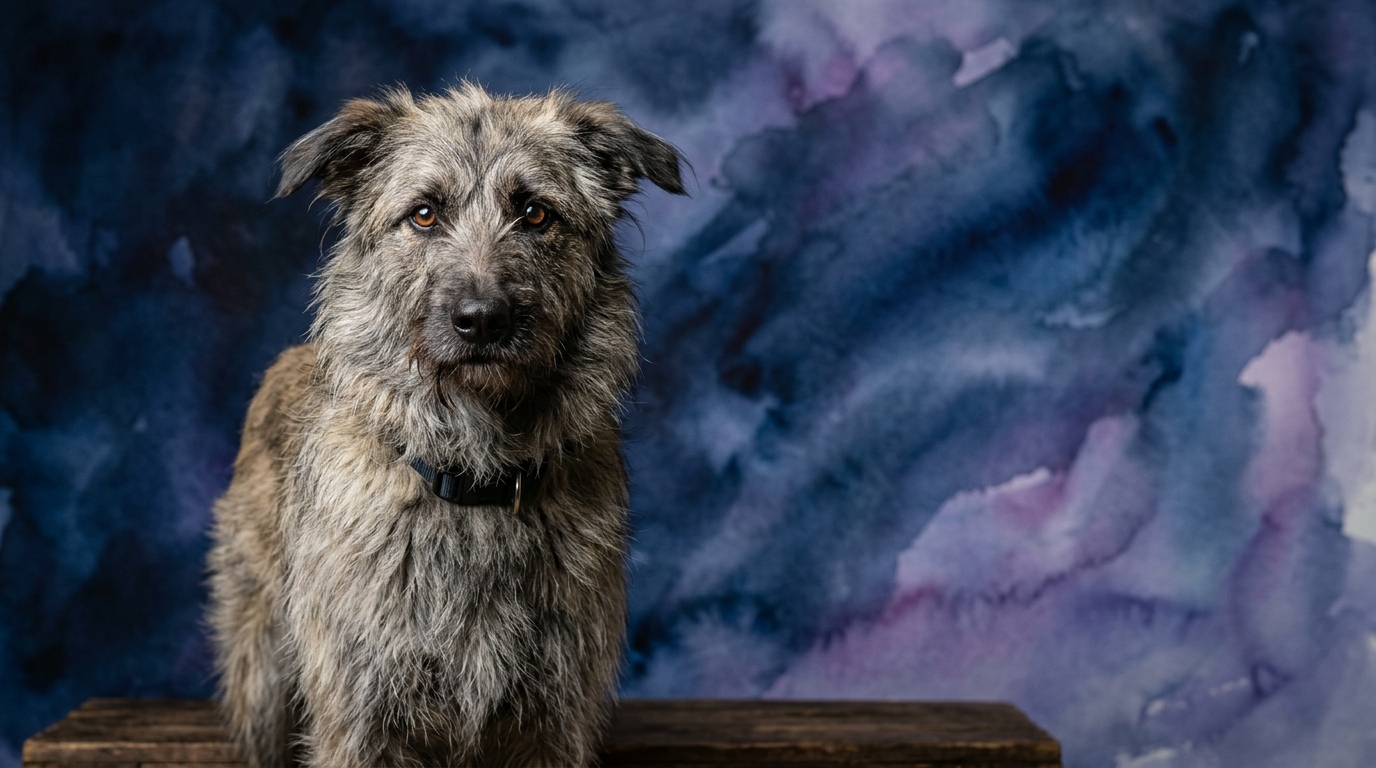

Side-by-Side IQ Profile: Pyrenean Shepherd vs. Manchester Terrier
The Cosmic Pet Pet IQ Lab evaluates canine intelligence across five critical dimensions, providing a nuanced understanding of how different breeds process information and interact with their world. For both the Pyrenean Shepherd and the Manchester Terrier, each dimension is rated at 3/5, suggesting a capable and adaptable intellect, but the *flavor* of that intelligence varies significantly.
**Pyrenean Shepherd (Herding Group)**: This breed's intellect is deeply rooted in its pastoral heritage. Its **problem-solving (3/5)** centers on navigating complex flock movements, anticipating sheep behavior, and finding solutions in dynamic outdoor environments; their intelligence is practical and focused on real-world, often collaborative challenges. **Training speed (3/5)** is moderate; they learn new commands and routines with consistency but their independent nature as herders means they might thoughtfully question commands rather than blindly obey. Their **social intelligence (3/5)** allows them to understand human cues and flock dynamics well, forming strong bonds with their primary handler while often being reserved and evaluative with strangers. The **instinctive drive (3/5)** is powerfully expressed through their herding impulse, a deep-seated need to control, gather, and work with purpose. Finally, their **memory (3/5)** is robust, retaining learned tasks, routes, and experiences effectively, particularly those critical to their 'job' or routine.
**Manchester Terrier (Terrier Group)**: The Manchester Terrier's cognitive profile reflects its history as a keen vermin hunter. Their **problem-solving (3/5)** excels at figuring out how to access things, overcome obstacles in pursuit, or manipulate objects, often directed towards independent ventures and resourceful acquisition. **Training speed (3/5)** is moderate, but their terrier tenacity means they can be more interested in their own agenda, requiring highly engaging and consistent methods. Their **social intelligence (3/5)** involves astute observation of human behavior and household routines, forming deep bonds with their family while often being selective or aloof with unfamiliar individuals. The **instinctive drive (3/5)** is characterized by a potent prey drive, fueling their alertness and energetic pursuit of perceived 'game' or small animals. Their **memory (3/5)** is good for routines, specific commands, and the locations of interesting items like toys or treats, recalling past experiences to their advantage.
Where the Pyrenean Shepherd Wins Cognitively
The Pyrenean Shepherd demonstrates a nuanced cognitive edge in tasks demanding dynamic spatial reasoning and predictive behavior analysis. Their historical role required an ability to anticipate the erratic movements of a flock, making them adept at understanding complex, changing environments. This manifests as a superior capacity for strategic maneuvering, not just reacting to stimuli but actively planning their next move to guide or gather. They excel in situations where a sustained, focused effort on a specific objective is required, often displaying a remarkable ability to 'read' the intentions of other animals or people in a working context. Their problem-solving is less about brute force or quick fixes and more about elegant, efficient solutions within a larger, unfolding scenario, making them particularly skilled at navigating obstacles and guiding subjects over varied terrain with a thoughtful, almost intuitive understanding of flow and direction.
Where the Manchester Terrier Wins Cognitively
The Manchester Terrier shines cognitively in areas demanding independent resourcefulness and rapid, decisive action. Their heritage as ratters and vermin hunters instilled a sharp, focused intellect geared towards individual problem-solving. This breed exhibits a superior ability to quickly assess a situation, identify a target or objective, and devise an immediate plan of attack, often involving clever manipulation of objects or persistent exploration. Their sensory acuity, particularly hearing and scent, is often more finely tuned for detecting subtle changes in their environment, allowing them to process information rapidly and react with surprising speed. When faced with a puzzle, the Manchester Terrier's tenacity and singular focus on achieving a goal, combined with their agile minds, often lead to inventive solutions that might elude breeds more accustomed to collaborative work or following explicit instructions, especially when the solution involves a bit of clever mischief.
Which is Easier to Train and Why
Evaluating ease of training between these two breeds requires understanding their core motivations and historical roles. The Pyrenean Shepherd, while possessing a moderate training speed, often approaches commands with an independent spirit rooted in their herding background. They were bred to make decisions autonomously on the mountain, not merely to follow every human directive. This means training can be a partnership, requiring patience, clarity, and demonstrating the 'why' behind a command. They respond best to positive reinforcement and methods that engage their intelligence, such as agility or herding games, where they can apply their problem-solving skills. Their dedication to a task, once understood and embraced, makes them capable learners, but their initial acceptance might take more effort due to their discerning nature and strong sense of self-preservation in a working context.
Conversely, the Manchester Terrier, also scoring moderately in training speed, brings a different set of challenges. Their intense prey drive and characteristic terrier tenacity mean they can be incredibly focused on their own agenda, particularly if there's a scent or movement that sparks their interest. Training them demands exceptional consistency, highly engaging methods that capture their attention, and a firm but fair approach to managing their independent streak. While they are quick to grasp concepts, their willingness to *perform* consistently can be impacted by distractions or their own strong-willed desires. They are less likely to question a command's purpose and more likely to decide if it's worth their effort compared to chasing a perceived quarry. Therefore, neither is inherently 'easy' in the conventional sense, but the Pyrenean Shepherd's independence often stems from a thoughtful, questioning nature, while the Manchester Terrier's comes from a more impulsive, self-directed drive, making consistency and managing their environment key for both.
Which Suits Active Owners vs. Relaxed Owners
For owners leading an active lifestyle, both breeds present compelling options, though for different reasons. The Pyrenean Shepherd is undoubtedly a match for highly energetic individuals or families who can provide substantial physical exercise and, crucially, mental engagement. Their herding background means they thrive when given a 'job' to do, whether it's participating in dog sports like agility, obedience, or even mock herding. They require long walks, runs, or structured play sessions that challenge both their bodies and minds. An owner who understands their need for purpose and can channel their intense focus will find a dedicated companion. Without sufficient outlets, their problem-solving intellect can be directed towards less desirable behaviors, such as incessant barking or destructive chewing born of boredom.
The Manchester Terrier, while also possessing a robust energy level, can be slightly more adaptable to different active owner types. They excel in vigorous play sessions, brisk walks, and activities that tap into their prey drive, like fetch or lure coursing. They are often described as 'big dogs in a small package' due to their stamina and zest for life. A moderately active owner who enjoys daily walks and dedicated playtime can fulfill their needs, and their compact size makes them suitable for apartment living provided their exercise requirements are met. However, for genuinely relaxed owners seeking a sedentary companion, neither breed is a suitable fit. Both demand consistent engagement and physical activity to prevent frustration and ensure a well-adjusted temperament. The Pyrenean Shepherd's intensity and need for a 'job' might be overwhelming for a relaxed owner, while the Manchester Terrier's persistent energy and strong prey drive could prove challenging to manage without active channeling.
The Verdict
Opt for the Pyrenean Shepherd if you are an experienced owner seeking a thoughtful, dedicated partner for mentally stimulating activities and can provide a consistent 'job' for their unique herding intellect.
Select the Manchester Terrier if you appreciate a tenacious, resourceful companion for active play and can offer consistent, engaging training to channel their sharp, independent terrier drive.
🧠 Find Your Pet's IQ Score
Our Pet IQ Lab assessment covers 25+ tests across 5 cognitive dimensions — personalized to your breed.
Take the Full IQ Test →Frequently Asked Questions
Are Pyrenean Shepherds good with children?
Pyrenean Shepherds can be good with older, respectful children who understand how to interact with a dog. Their herding instincts might lead them to 'herd' very young children, requiring supervision and early socialization to ensure positive interactions and prevent nipping.
Do Manchester Terriers bark a lot?
Manchester Terriers are alert and vocal, often barking to announce visitors or perceived threats, a trait stemming from their watchfulness. Their strong prey drive can also lead to barking at squirrels or other small animals, so consistent training is needed to manage this tendency.
Which breed is better for first-time dog owners?
Neither the Pyrenean Shepherd nor the Manchester Terrier are typically recommended for first-time dog owners due to their independent natures and specific needs. Both require experienced handling, consistent training, and an understanding of their breed-specific drives to thrive and prevent behavioral issues.