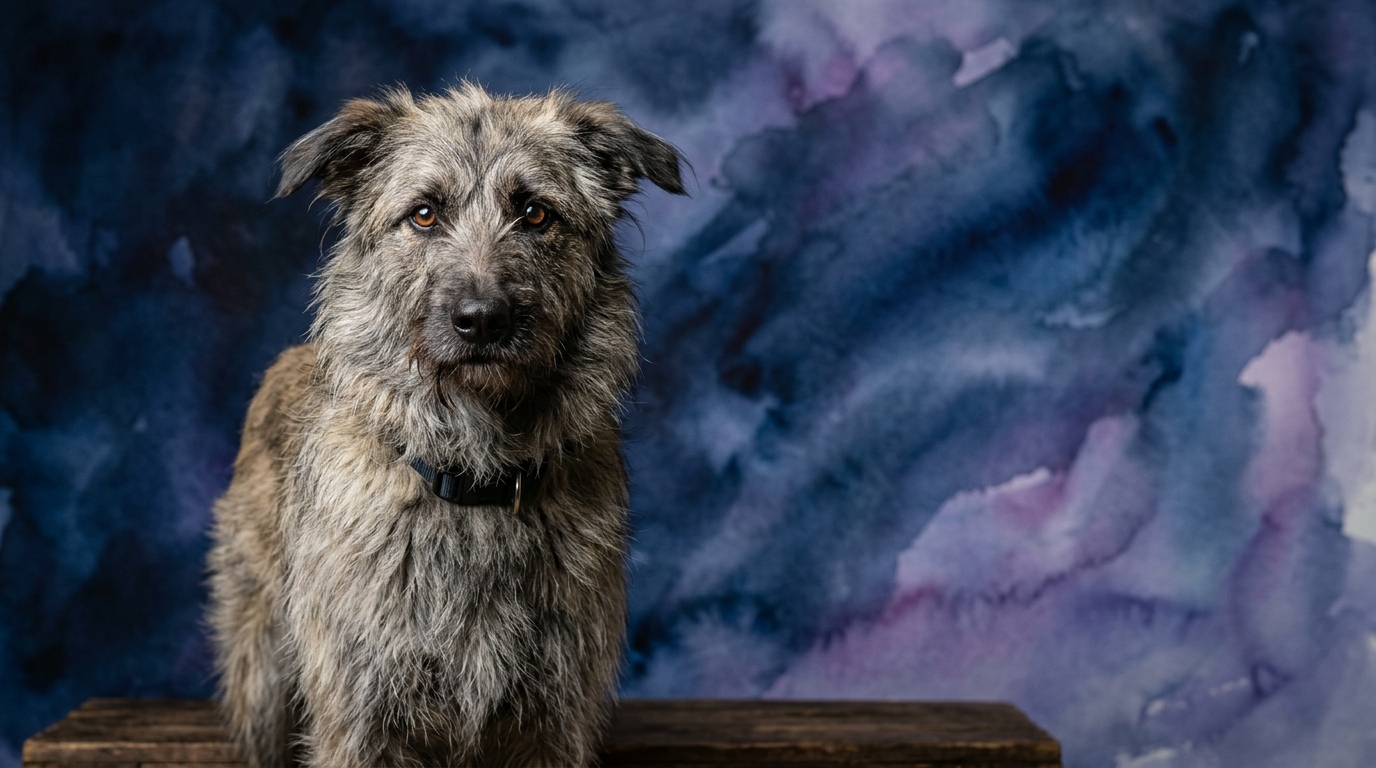
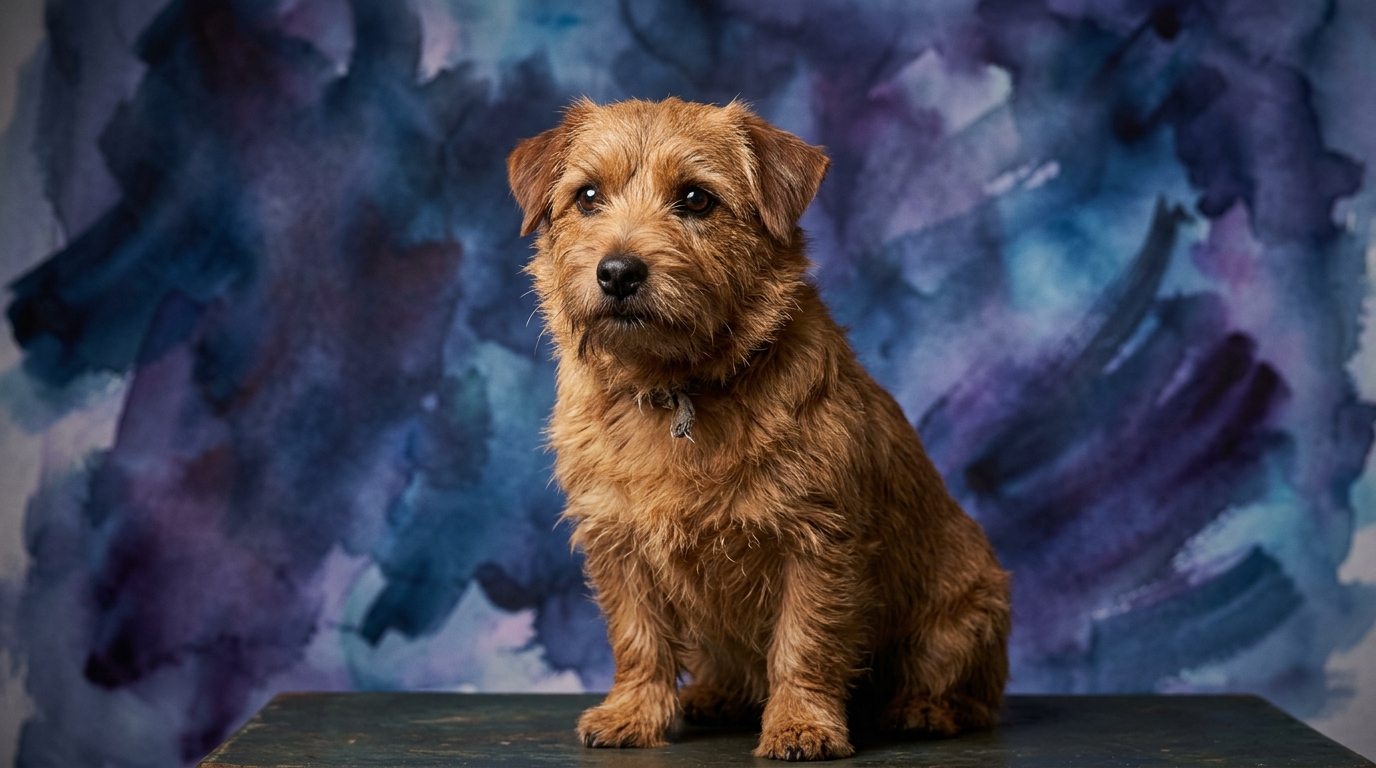
Side-by-Side Cognitive Profile: Pyrenean Shepherd vs. Norfolk Terrier
At The Cosmic Pet Pet IQ Lab, both the Pyrenean Shepherd and the Norfolk Terrier register a consistent 3 out of 5 across all five evaluated cognitive dimensions. While these scores suggest a similar foundational capacity, the *application* of these abilities is profoundly shaped by their breed history and inherent drives. This section details what a 3/5 score signifies for each breed within the context of their unique temperaments and original purposes.
**Problem Solving (3/5):** For the Pyrenean Shepherd, a 3/5 in problem-solving often manifests in dynamic, real-time assessment of environmental factors and livestock movement, requiring swift, adaptive decisions to manage a flock. They demonstrate an aptitude for navigating complex terrain and anticipating the actions of animals. The Norfolk Terrier, also at 3/5, applies its problem-solving acumen to tasks requiring tenacity and independent thought, such as strategically extracting a hidden toy from under furniture or figuring out how to bypass a minor obstacle to reach an interesting scent. Their problem-solving is often self-directed and goal-oriented.
**Training Speed (3/5):** Both breeds exhibit a moderate pace of learning new commands and routines. The Pyrenean Shepherd's 3/5 reflects a capacity to absorb intricate herding signals and multi-step tasks, often driven by a desire to collaborate and fulfill a working role. They respond well to consistent, clear instruction, often showing enthusiasm for engagement. The Norfolk Terrier's 3/5 means they can pick up basic obedience and tricks with reasonable effort, though their independent streak means they learn best when training is varied, positive, and made to feel like their own choice rather than a strict command.
**Social Intelligence (3/5):** A 3/5 in social intelligence for the Pyrenean Shepherd indicates a strong ability to read and respond to human cues, particularly those related to direction and cooperation in a working partnership. They are perceptive to their handler's mood and intentions, crucial for effective teamwork. The Norfolk Terrier's 3/5 in social intelligence often translates into a charming ability to interact with family members, expressing affection and communicating needs effectively. They understand household dynamics and can often manipulate situations subtly to their advantage, though they retain a distinct independent streak.
**Instinctive Drive (3/5):** The Pyrenean Shepherd's 3/5 instinctive drive is primarily channeled towards herding, exhibiting a strong natural inclination to gather, guide, and protect. This drive is a powerful motivator for learning and engagement, providing a clear purpose for their actions. For the Norfolk Terrier, a 3/5 in instinctive drive points to a robust prey drive and a natural inclination for exploration, digging, and chasing. This drive fuels their curiosity and determination, leading them to investigate interesting smells and sounds with unwavering focus, often linked to their historical role in vermin control.
**Memory (3/5):** Both breeds register a 3/5 for memory, indicating a solid capacity for retaining learned behaviors, routines, and experiences. The Pyrenean Shepherd can recall complex sequences of commands and the layout of familiar environments, remembering specific livestock or people over time. This memory is vital for their herding work, where consistency and recall of past situations are beneficial. The Norfolk Terrier also demonstrates good memory, remembering training cues, favorite people and places, and the location of hidden treasures or preferred digging spots. Their memory contributes to their ability to navigate their home environment and recall past interactions.
Where the Pyrenean Shepherd Excels Cognitively
Despite identical scores, the Pyrenean Shepherd often demonstrates a superior aptitude for tasks requiring fluid, collaborative problem-solving and an intrinsic desire to work *with* a human partner. Their cognitive strengths are finely tuned for dynamic situations where adaptation and teamwork are paramount. A Pyrenean Shepherd's problem-solving, even at a 3/5, is geared towards understanding complex systems—like a moving flock—and making real-time adjustments based on subtle environmental cues and handler feedback. This isn't just about solving a puzzle; it's about orchestrating a living, moving puzzle.
Their social intelligence, while also a 3/5, is particularly adept at interpreting the nuances of human intention and body language within a working context. This allows for a deeper, more intuitive partnership than might be typical for a breed with a similar score but a different heritage. Their memory (3/5) supports the retention of intricate command sequences and the understanding of cause-and-effect in their environment, enabling them to build upon past experiences to refine their herding techniques or agility course navigation. This breed's specific cognitive advantages lie in their ability to integrate various stimuli into a cohesive understanding that facilitates partnership-driven work.
Where the Norfolk Terrier Excels Cognitively
The Norfolk Terrier's cognitive strengths, while scoring identically, shine brightest in areas demanding independent thought, unwavering determination, and a keen focus on personal objectives. Their problem-solving (3/5) is less about collaboration and more about persistent, self-directed efforts to overcome obstacles. If a Norfolk wants something—be it a dropped crumb or a buried toy—they will employ various strategies, demonstrating a resourceful and tenacious approach until their goal is achieved. This reflects a practical intelligence focused on individual accomplishment.
Their instinctive drive (3/5), deeply rooted in their terrier lineage, fuels a strong sense of purpose in exploration and investigation. This isn't just a general curiosity; it's a focused drive to understand and interact with their immediate physical environment, often involving scent work and digging. Their social intelligence (3/5), while allowing for strong bonds, also enables them to be quite adept at charming their way into favorable situations, using their expressive nature to influence human behavior. This breed's specific cognitive advantages are rooted in their self-reliance and their ability to stay focused on a task with remarkable single-mindedness, making them excellent at independent pursuits and highly engaging companions who know how to get what they want.
Which is Easier to Train, and Why?
While both breeds hold a 3/5 for Training Speed, the *nature* of their learning and motivation creates distinct training experiences. The Pyrenean Shepherd, with its herding background, generally presents as 'easier' to train for complex, cooperative tasks. Their social intelligence (3/5) and instinctive drive (3/5) are oriented towards working *with* a human partner, seeking direction and purpose. They often derive immense satisfaction from pleasing their handler and engaging in structured activities, making them highly receptive to positive reinforcement methods when learning new commands or advanced sports. Their moderate training speed is often amplified by their eagerness to participate and their desire for a 'job,' which makes them quick to pick up new skills if the context is clear and engaging.
The Norfolk Terrier, despite the same 3/5 Training Speed, can be perceived as more challenging due to their independent nature and powerful instinctive drives. Their problem-solving (3/5) is often applied to figuring out how to achieve *their* goals, which may not always align with the handler's. Their strong prey drive and desire for self-direction mean that distractions can be significant, and training requires more creativity, patience, and consistency. To train a Norfolk effectively, one must make the desired behavior more rewarding than any competing instinct, often by incorporating play and making training feel like a fun game rather than a chore. They learn, but they need to be convinced it's worth their while, making the process feel slower or more demanding from the owner's perspective.
Suitability for Active vs. Relaxed Owners
The Pyrenean Shepherd is unequivocally suited for active owners who can provide ample physical exercise and, crucially, consistent mental stimulation. Their 3/5 instinctive drive for herding translates into a profound need for purposeful activity. This breed thrives on having a 'job,' whether it's participating in agility, obedience, herding trials, or extensive daily hikes and exploration. A Pyrenean Shepherd requires an owner who understands their need to work and can channel their energy and problem-solving abilities into productive outlets. They are not content to be solely a companion animal; they require engagement that stimulates their working dog intellect and physical prowess. Owners must be prepared for their moderate social intelligence and memory to be used in complex, interactive ways, demanding active participation from their human counterpart.
The Norfolk Terrier, while certainly an active breed, offers a more adaptable energy profile that can suit a broader range of owners, including those who might describe themselves as 'relaxed' but still committed to daily engagement. Their 3/5 instinctive drive for exploration and chasing means they require regular walks, playtime, and opportunities for scent work in a secure environment. However, they are also quite content to curl up with their family after their exercise needs are met, enjoying quiet companionship. They don't typically demand a 'job' in the same intense way a Pyrenean Shepherd does, finding mental stimulation in exploring their immediate surroundings, engaging with puzzle toys, or simply observing the world from a comfortable perch. An owner for a Norfolk Terrier should appreciate their spirited independence and be prepared for bursts of activity balanced with periods of affectionate downtime.
The Verdict
Choose the Pyrenean Shepherd if you are an active, experienced owner eager for a highly engaged canine partner in sports, work, or extensive outdoor adventures, valuing their collaborative intelligence and drive.
Opt for the Norfolk Terrier if you appreciate a spirited, independent companion that offers bursts of activity balanced with affectionate downtime, and are prepared to manage their tenacity with consistent, creative training.
🧠 Find Your Pet's IQ Score
Our Pet IQ Lab assessment covers 25+ tests across 5 cognitive dimensions — personalized to your breed.
Take the Full IQ Test →Frequently Asked Questions
Do Pyrenean Shepherds make good family pets?
Yes, Pyrenean Shepherds can be devoted family pets, especially for active families who understand their need for mental and physical engagement. They bond closely with their family but may be reserved with strangers, requiring early socialization to foster their moderate social intelligence.
Are Norfolk Terriers good with children?
Norfolk Terriers can be excellent companions for respectful children, enjoying play and interaction. Their moderate social intelligence allows them to adapt well to family dynamics, but supervision is always recommended due to their spirited nature and independent problem-solving approach.
What kind of exercise do these breeds need daily?
The Pyrenean Shepherd requires extensive daily exercise, including vigorous walks, runs, or engaging in dog sports, to satisfy their strong herding drive and manage their energy. The Norfolk Terrier needs regular daily walks and playtime in a secure area, but can also be content with indoor activities and a secure yard after their exercise needs are met.