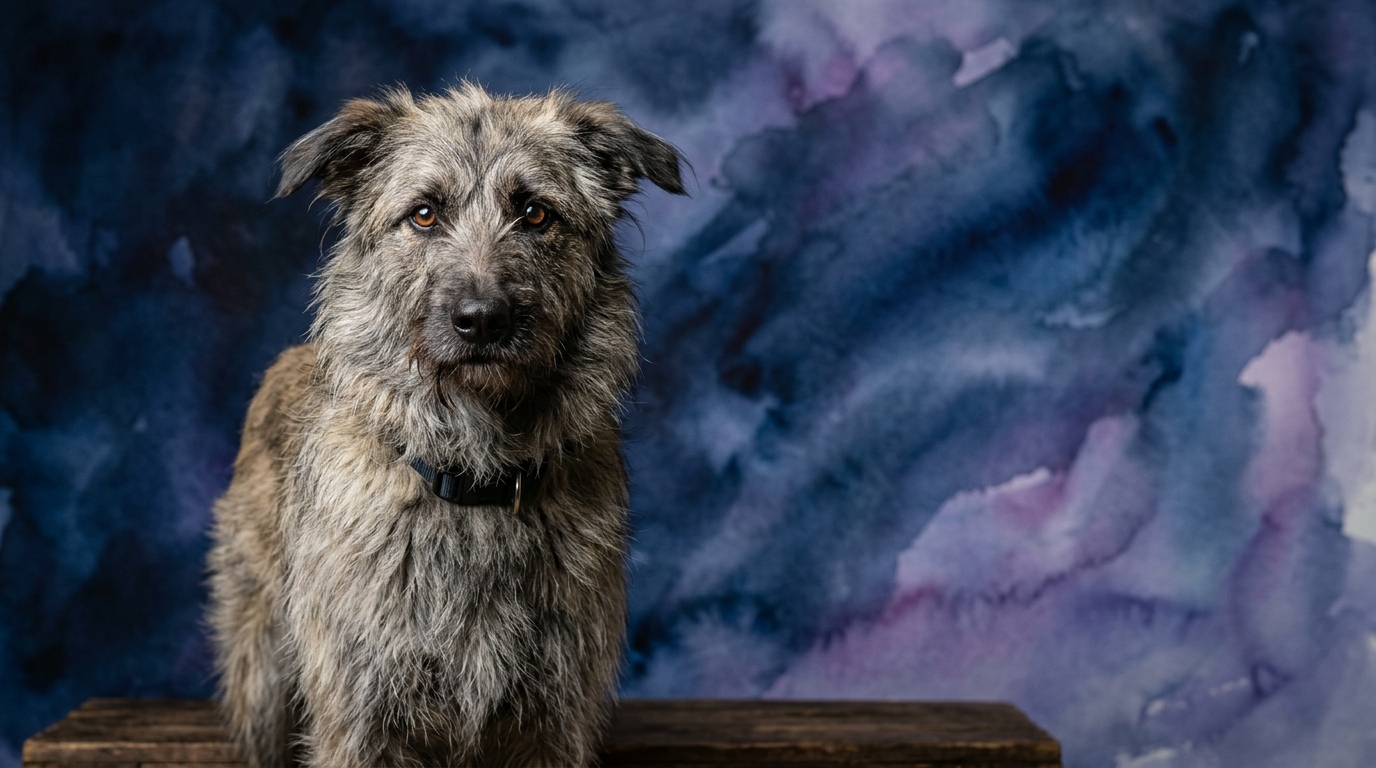
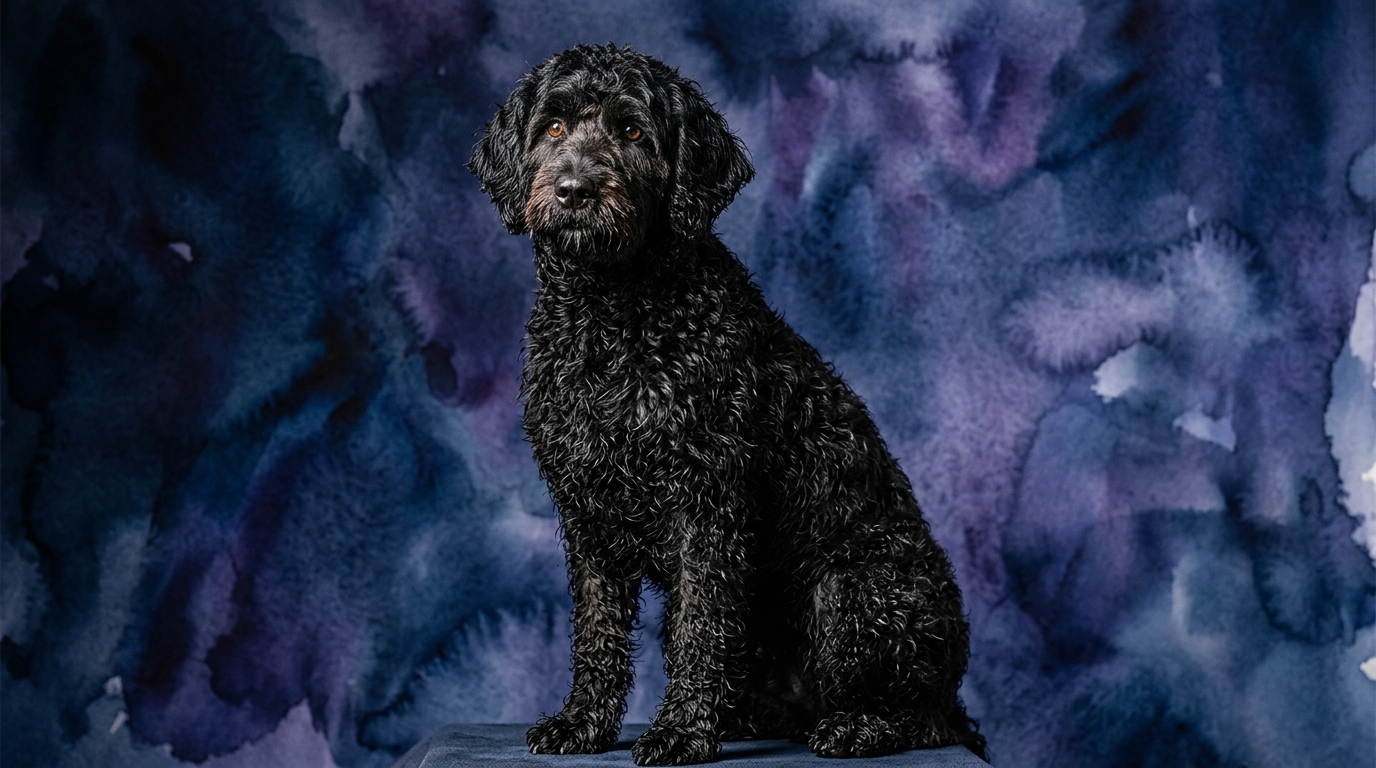
Side-by-Side Cognitive Profiles
While both breeds register a '3 out of 5' in each cognitive dimension, understanding their historical roles allows us to interpret these scores with greater specificity, revealing how their mental strengths are channeled differently. This isn't about one being 'smarter,' but about how their problem-solving, training aptitude, social acumen, drive, and memory are uniquely expressed.
For the Pyrenean Shepherd, a 'Problem Solving 3/5' translates to an innate capacity for navigating complex, fluid situations inherent in livestock management. This involves anticipating the movements of a flock, making quick decisions to guide animals, and adapting strategies on the fly in open terrain, often with minimal direct human command. Their 'Training Speed 3/5' indicates a good aptitude for learning new commands, but this is tempered by a natural independence, a trait that allowed them to operate autonomously over vast areas. 'Social Intelligence 3/5' for the Pyr Shep extends beyond human interaction to a deep understanding of herd dynamics and individual animal temperaments, reading subtle cues to control movement without aggression. Their 'Instinctive Drive 3/5' is profoundly rooted in their herding purpose, manifesting as an intense desire to gather and manage, a drive that requires consistent channeling. Finally, 'Memory 3/5' supports their ability to recall vast territories, the patterns of livestock movement, and learned herding sequences.
The Portuguese Water Dog's 'Problem Solving 3/5' is distinctively applied to tasks involving water and human collaboration. This means devising efficient strategies to retrieve items from various aquatic environments, navigating currents, and overcoming physical obstacles to complete a specific goal set by their handler. Their 'Training Speed 3/5' reflects a keenness to learn and a desire to please, often making them quick studies for multi-step tasks, though their exuberance can sometimes require focused direction. The PWD's 'Social Intelligence 3/5' is primarily geared towards understanding human intentions and working in close partnership, thriving on clear communication and cooperative tasks. Their 'Instinctive Drive 3/5' is powerfully expressed through their robust retrieving instincts and an inherent love for water, making them highly motivated by activities that engage these natural inclinations. Their 'Memory 3/5' is particularly strong for recalling specific objects, locations, and intricate learned sequences essential for their historical roles of retrieving fishing gear or lost items at sea.
Where the Pyrenean Shepherd Excels Cognitively
Despite identical numerical ratings, the Pyrenean Shepherd's cognitive strengths lean towards independent, adaptive decision-making in highly dynamic, often unpredictable environments. Their 'Problem Solving 3/5' is not just about finding solutions, but about autonomously initiating them. Imagine a shepherd far off; the Pyr Shep must read the subtle shifts in flock behavior, the impending weather, or the presence of a predator, and act decisively without awaiting a direct command. This autonomy in problem-solving sets them apart, requiring a mental agility that can process multiple variables simultaneously and prioritize actions.
Furthermore, their 'Social Intelligence 3/5' demonstrates a nuanced understanding of animal psychology. A Pyr Shep can effectively manage livestock by interpreting their anxieties, dominance hierarchies, and individual personalities, using subtle body language and presence rather than brute force. This sophisticated reading of non-human social cues is a hallmark of their specific cognitive application. Their 'Instinctive Drive 3/5' provides an enduring mental focus for sustained tasks; herding isn't a quick sprint but a marathon of consistent attention and strategic movement, demanding a mental stamina to match their physical endurance.
Where the Portuguese Water Dog Excels Cognitively
The Portuguese Water Dog’s cognitive strengths shine in goal-oriented problem-solving and adaptable task execution, particularly when working in close partnership with a human. Their 'Problem Solving 3/5' is often characterized by a joyful determination to complete a specific objective, such as retrieving a dropped net or a lost oar. This involves not only identifying the target but also devising the most efficient route and method for retrieval, often in challenging aquatic conditions. They are adept at understanding the 'why' behind a command, making them excellent partners in complex, multi-step tasks.
Their 'Training Speed 3/5' is complemented by a profound eagerness to engage and collaborate, making them highly receptive to learning intricate routines and sequences. This breed thrives on having a purpose and understanding their role within a team, showcasing their 'Social Intelligence 3/5' through their responsiveness to human cues and a desire to work in sync. The PWD's 'Memory 3/5' is particularly robust for recalling specific objects and their locations, even after a delay, and for executing complex, learned patterns of behavior related to their water work. This precision in memory, combined with their strong 'Instinctive Drive 3/5' for retrieval, makes them highly effective at specialized tasks requiring both mental and physical prowess.
Ease of Training: Behavioral Nuances
When considering which breed is 'easier' to train, it's less about raw learning capacity (both score 'Training Speed 3/5') and more about their inherent behavioral tendencies. The Pyrenean Shepherd, while quick to grasp commands, possesses an independent streak born from their herding heritage. They were bred to make autonomous decisions far from human guidance, which can translate into a 'thinking for themselves' attitude during training. This doesn't mean stubbornness, but rather a need for handlers to be engaging, consistent, and creative, making training feel like a collaborative problem-solving exercise rather than rote instruction. Their 'Instinctive Drive 3/5' means they need a meaningful 'job' or outlet for their herding energy; without it, they might apply their managerial instincts to household members or objects, requiring careful redirection and mental stimulation.
The Portuguese Water Dog also scores 'Training Speed 3/5' and is generally eager to please, but their boundless energy and robust 'Instinctive Drive 3/5' for work and play can present its own set of training challenges. They thrive on purpose and clear structure, and without adequate physical and mental engagement, their enthusiasm can manifest as boisterousness or distractibility. Training a PWD often requires channeling their considerable drive into productive activities, using positive reinforcement to guide their exuberance. While they love to learn, their high energy means training sessions might need to be shorter, more frequent, and incorporate a lot of movement to maintain focus, especially to manage their tendency for vocalization or 'demanding' attention.
Ideal Owners: Active vs. Relaxed Lifestyles
It is crucial to emphasize that neither the Pyrenean Shepherd nor the Portuguese Water Dog are suitable companions for relaxed or sedentary owners. Both breeds demand significant daily engagement, both physically and mentally, making them firmly suited for highly active individuals or families committed to their needs. Their 'Instinctive Drive 3/5' in particular, coupled with their problem-solving abilities, means they thrive when given a purpose.
The Pyrenean Shepherd requires an owner who can provide consistent mental challenges and outlets for their herding instincts. This means more than just walks; they excel in activities like agility, obedience, herding trials, or even complex puzzle toys that mimic the strategic thinking required for livestock management. An owner who understands their independent nature and can channel their drive into productive tasks will find a thoughtful and dedicated partner. Without this, a Pyr Shep can become anxious, destructive, or develop unwanted herding behaviors within the home.
Similarly, the Portuguese Water Dog needs an owner who embraces an energetic outdoor lifestyle, especially one that involves water. They are built for rigorous activity, from long hikes and runs to extensive swimming and retrieving games. Their 'Instinctive Drive 3/5' for water work and retrieving is powerful, and they thrive on having a 'job' that engages both their body and mind, such as dock diving, advanced obedience, or canine sports. A relaxed owner will quickly discover a PWD's potential for boredom-induced behaviors, including excessive chewing, digging, or vocalization. Both breeds require dedicated, active, and engaged owners who are prepared to integrate their dog's needs into their daily routine.
The Verdict
Choose the Pyrenean Shepherd if you appreciate a thoughtful, independent partner who excels at nuanced problem-solving and needs a consistent mental outlet for their herding instincts, and you are prepared for their somewhat reserved nature.
Choose the Portuguese Water Dog if you seek an enthusiastic, highly collaborative companion for active outdoor pursuits, especially involving water, and you can provide consistent, task-oriented training for their robust working drive.
🧠 Find Your Pet's IQ Score
Our Pet IQ Lab assessment covers 25+ tests across 5 cognitive dimensions — personalized to your breed.
Take the Full IQ Test →Frequently Asked Questions
Are Pyrenean Shepherds good family dogs?
Yes, with proper socialization and training, Pyrenean Shepherds can be loyal and protective family members. However, their herding instincts mean they might try to 'manage' children or other pets, requiring consistent guidance. They thrive with active families who understand their needs for mental and physical engagement.
Do Portuguese Water Dogs shed much?
Portuguese Water Dogs have a single coat that is considered hypoallergenic and sheds minimally, making them a potential option for allergy sufferers. However, their coat requires regular and diligent grooming to prevent matting, typically involving brushing several times a week and professional clipping every 6-8 weeks.
Which breed is more vocal?
Both breeds can be quite vocal, though their expressions differ. Pyrenean Shepherds often use barking to communicate during herding and can be alert barkers. Portuguese Water Dogs are also known for a range of vocalizations, including barks, grunts, and 'woo-woos,' often expressing their enthusiasm or demanding attention; training is essential to manage excessive barking in both.