Side-by-Side IQ Profile: Herding Wit vs. Sighthound Instinct
The Cosmic Pet Pet IQ Lab assigns both the Pyrenean Shepherd and the Saluki a uniform 3/5 across five key cognitive dimensions. While these scores suggest comparable underlying capacity, the expression of these traits is shaped profoundly by their ancestral vocations. Understanding these nuances reveals distinct intellectual landscapes beneath the identical ratings.
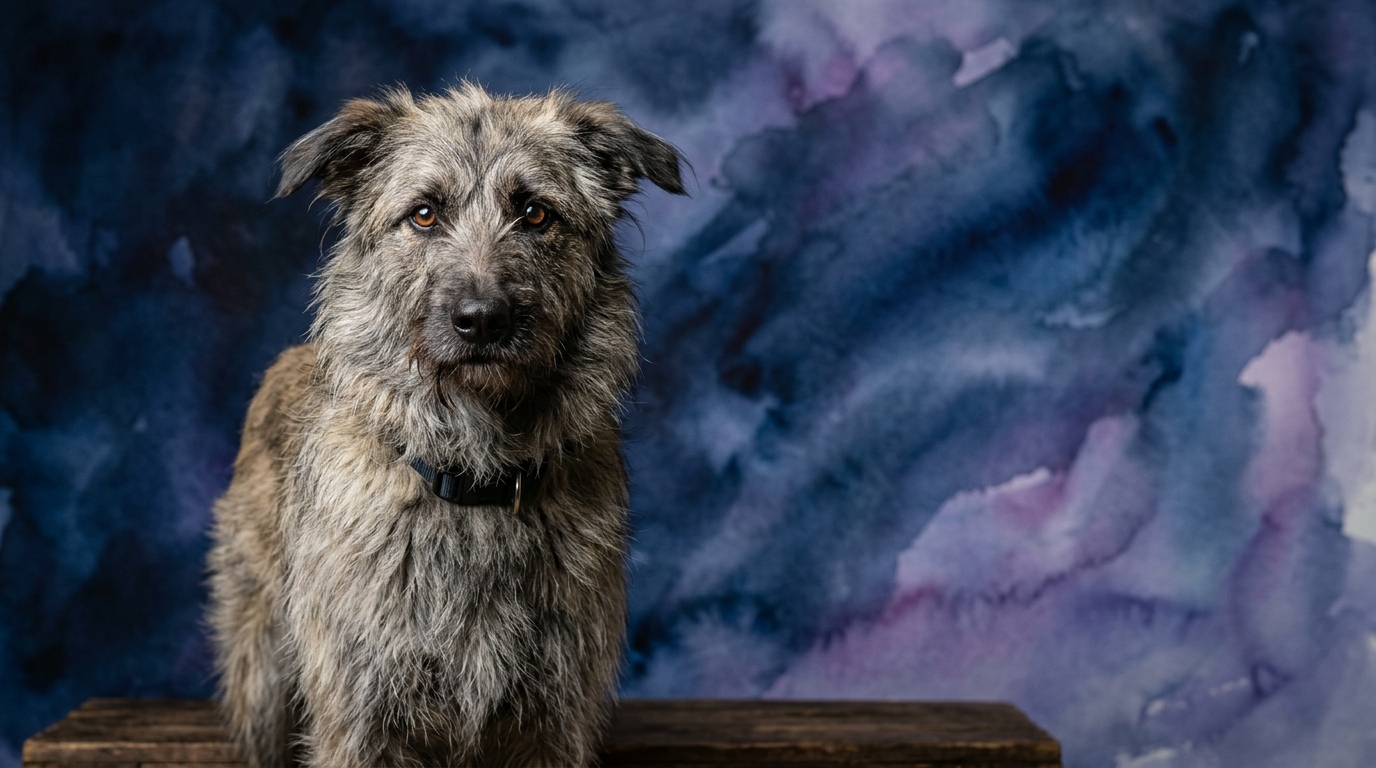
For the Pyrenean Shepherd, a 3/5 in Problem Solving indicates a practical intelligence adept at navigating complex, dynamic situations, such as managing a flock or anticipating livestock movements. Their Training Speed at 3/5 reflects a willingness to engage and learn tasks from a human handler, often driven by a desire for purpose. A 3/5 in Social Intelligence means they are astute at reading their environment and the intentions of those around them, crucial for cooperative work. Their Instinctive Drive at 3/5 is strongly tied to their herding legacy, exhibiting an innate urge to control and gather. Finally, Memory at 3/5 enables them to recall commands, routines, and the spatial arrangement of their charges and surroundings with good retention.
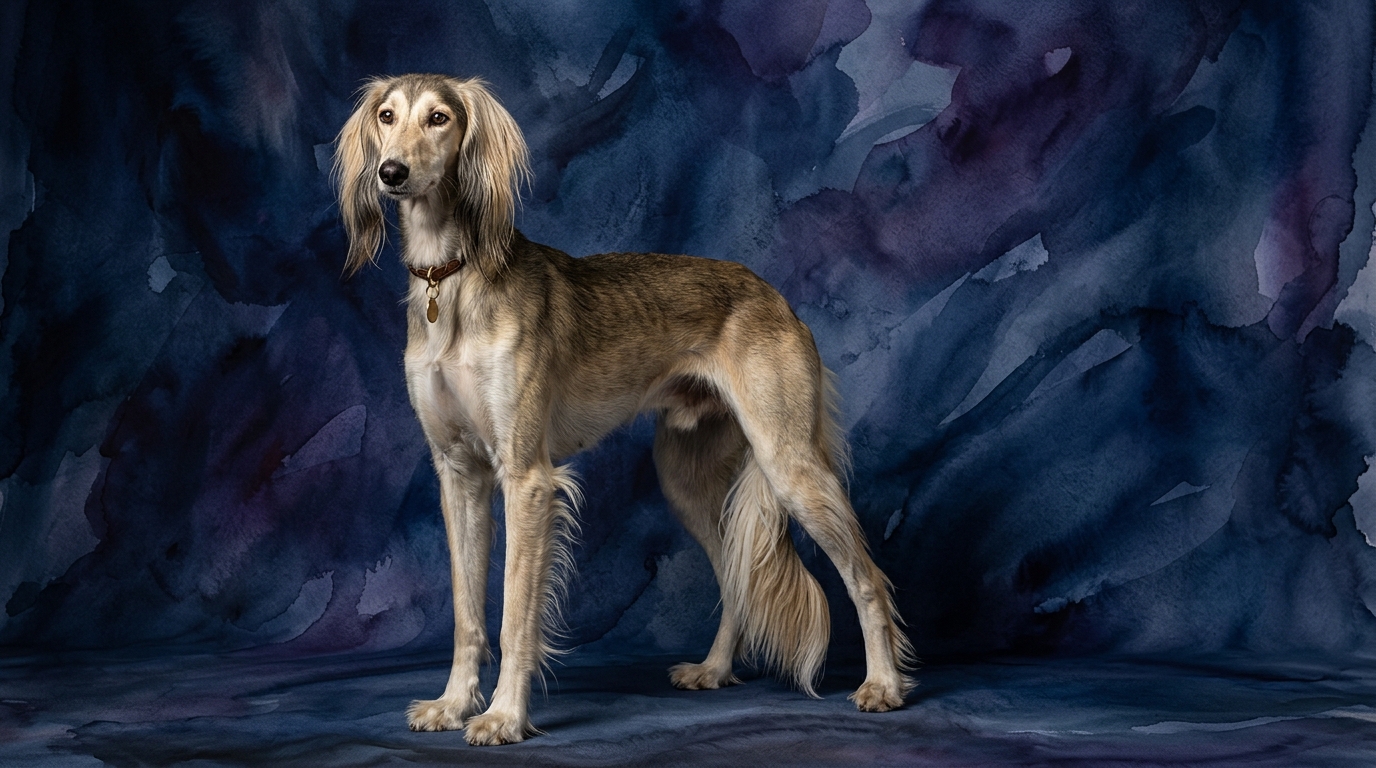
The Saluki, on the other hand, interprets these same scores through the lens of a hunter. Their 3/5 in Problem Solving highlights a capacity for independent, quick decision-making, particularly in pursuit scenarios where split-second judgments are vital for success. A 3/5 in Training Speed suggests they can learn efficiently, though their motivation often stems from their own interests rather than a strong desire to please.
Their Social Intelligence at 3/5 means they are perceptive, especially regarding prey behavior and the subtle cues within their immediate “pack” or family, often displaying a reserved discernment with strangers. The 3/5 in Instinctive Drive is powerfully expressed as a deep-seated prey drive, fueling their explosive speed and keen visual acuity. Their Memory at 3/5 allows them to remember hunting grounds, successful chase patterns, and the location of resources, aiding their independent explorations.
Where the Pyrenean Shepherd Wins Cognitively
The Pyrenean Shepherd's cognitive strengths shine particularly in cooperative tasks and environments requiring focused attention on a human partner. Their historical role demanded constant interaction and responsiveness, fostering a keen ability to interpret subtle human cues. This translates into a more intuitive understanding of complex, multi-step commands and an eagerness to participate in structured learning activities, making them adept at agility or obedience trials where teamwork is paramount.
Furthermore, their problem-solving, while rated similarly, often manifests as a strategic approach to dynamic situations involving multiple variables, such as maneuvering around obstacles or managing groups. This “thinking on their feet” within a defined framework, often while keeping an eye on their handler, gives them an edge in scenarios demanding both independent thought and collaborative execution. Their memory is particularly strong for sequences and routines, allowing them to excel in predictable, task-oriented environments.
Where the Saluki Wins Cognitively
The Saluki's cognitive advantages are most apparent in situations demanding independent thought, rapid environmental assessment, and self-directed action. Bred to hunt prey over vast distances without direct human instruction, their problem-solving excels in open, unpredictable environments where they must make swift, autonomous decisions. This involves assessing terrain, anticipating prey movements, and choosing the most efficient pursuit path, all without waiting for a command.
Their social intelligence, while reserved, is profoundly tuned to their immediate surroundings and the nuances of non-verbal communication, particularly with other dogs or familiar humans. This allows them to quickly gauge intentions and react appropriately in less structured social settings. The Saluki’s memory is especially adept at recalling spatial information over large areas and recognizing visual patterns associated with potential prey, a critical asset for a sighthound whose success depends on acute observation and recall of vast landscapes.
Which is Easier to Train and Why
When considering ease of training, the Pyrenean Shepherd generally presents a more straightforward path for the average owner. Their herding heritage instills a strong desire to work with their human, seeking direction and validation. This inherent biddability and focus on their handler contribute to a higher training speed in traditional obedience and task-oriented learning. They thrive on having a job and excel when given clear, consistent instructions, often eager to please and quick to pick up new behaviors.
The Saluki, while possessing comparable underlying learning capacity (Training Speed 3/5), approaches training with a distinct independence. Their historical role required them to make decisions autonomously, meaning they are less inclined to blindly follow commands if they perceive a more interesting or instinct-driven alternative. Training a Saluki often demands more creativity, patience, and high-value rewards to capture and maintain their attention. Owners must understand that a Saluki's “compliance” is often a negotiation, and their motivation is more internally driven, making consistency and understanding their sighthound nature paramount.
Which Suits Active Owners vs. Relaxed Owners
For active owners seeking a canine partner for demanding activities, the Pyrenean Shepherd is an excellent match. Their boundless energy, stamina, and intellectual need for engagement mean they thrive on regular, vigorous exercise and mental stimulation. Owners who enjoy dog sports like agility, herding trials, or long, challenging hikes will find a dedicated and enthusiastic companion. A Pyrenean Shepherd will not be content with short walks; they require a job or consistent, purposeful activity to truly flourish, making them ideal for individuals committed to an active, structured lifestyle.
The Saluki offers a different kind of companionship, one that can appeal to both active and somewhat more relaxed owners, provided their specific needs are met. While they are capable of incredible bursts of speed and require regular opportunities for off-leash running in a secure area to satisfy their prey drive, they are often quite calm and reserved indoors. After their exercise needs are met, Salukis are typically content to lounge gracefully, making them suitable for owners who appreciate their independent nature and quiet companionship at home, but are absolutely dedicated to providing those crucial, exhilarating sprints.
The Verdict
Select a Pyrenean Shepherd if you are an active, experienced owner seeking a highly engaged, biddable partner for dog sports, extensive outdoor adventures, or a working role, and are prepared to meet their significant needs for mental and physical stimulation.
Opt for a Saluki if you appreciate an elegant, independent companion capable of incredible bursts of speed, are committed to providing secure off-leash running opportunities, and value a calm, reserved presence indoors after their exercise requirements are fulfilled.
🧠 Find Your Pet's IQ Score
Our Pet IQ Lab assessment covers 25+ tests across 5 cognitive dimensions — personalized to your breed.
Take the Full IQ Test →Frequently Asked Questions
Do Pyrenean Shepherds and Salukis have similar learning abilities?
While both breeds score 3/5 in Training Speed, their learning styles differ significantly. Pyrenean Shepherds typically learn quickly due to their desire to cooperate with humans, whereas Salukis learn efficiently but often require more motivation and independent reasoning, focusing on tasks that intrinsically interest them.
Which breed is better for a first-time dog owner?
Neither breed is typically recommended for a novice owner without prior research and commitment. Pyrenean Shepherds require extensive socialization, training, and activity. Salukis, with their independent nature and powerful prey drive, also demand an owner who understands their specific sighthound traits and exercise needs.
How do their social intelligence scores of 3/5 manifest differently?
For Pyrenean Shepherds, 3/5 social intelligence often means they are adept at reading human cues and intentions, crucial for herding work and cooperation. For Salukis, it often translates to a discerning observation of their environment and immediate social circle, exhibiting a more reserved and independent assessment of situations and strangers.