Side-by-Side Cognitive Profiles: Decoding the 3/5 Scores
In The Cosmic Pet Pet IQ Lab, both the Pyrenean Shepherd and the Spanish Water Dog achieve a solid 3 out of 5 across all five measured cognitive dimensions. This consistent scoring indicates a robust and balanced set of mental faculties, rather than suggesting a lack of capability. Instead, it points to a practical, efficient, and adaptable intelligence perfectly suited for their demanding working heritage. Let's unpack what a 3/5 means for each breed in specific terms.
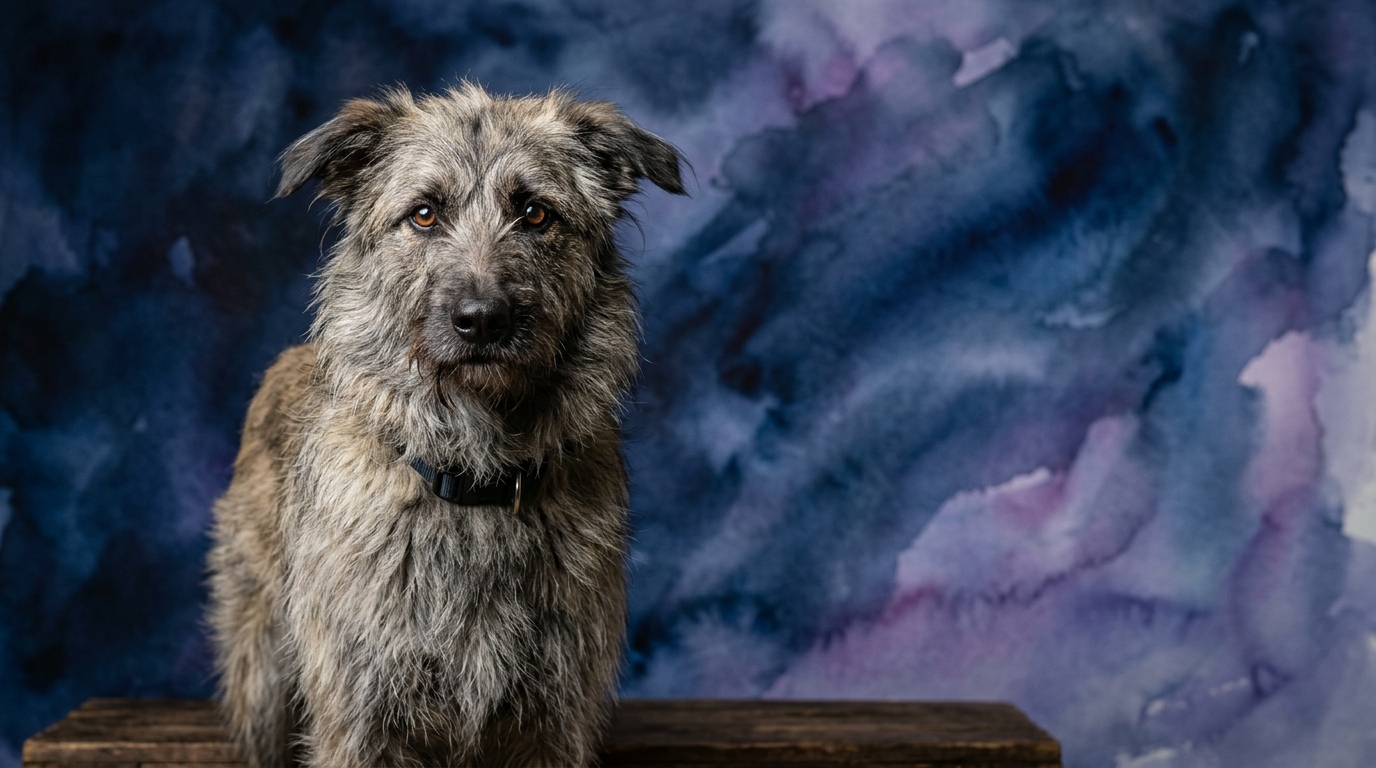
For the **Pyrenean Shepherd**, a 3/5 in **Problem Solving** signifies a dog adept at navigating complex, dynamic environments, such as anticipating the swift movements of a flock across varied terrain. They demonstrate a capacity for independent decision-making when faced with unexpected obstacles, quickly devising solutions without constant human intervention. Their **Training Speed** at 3/5 suggests they absorb new commands and routines with moderate repetition, responding well to clear, consistent instruction, especially when the task has a discernible purpose. A 3/5 in **Social Intelligence** reflects their ability to read subtle cues from both their human handlers and the livestock they manage, enabling nuanced interactions within their working structure. Their **Instinctive Drive** also scoring 3/5 points to a strong, persistent herding impulse, which is channeled into purposeful, focused work. Finally, a 3/5 in **Memory** indicates reliable retention of learned tasks, specific routes, and the intricate social hierarchies within their flock or family unit, which is crucial for long-term effectiveness in their duties.
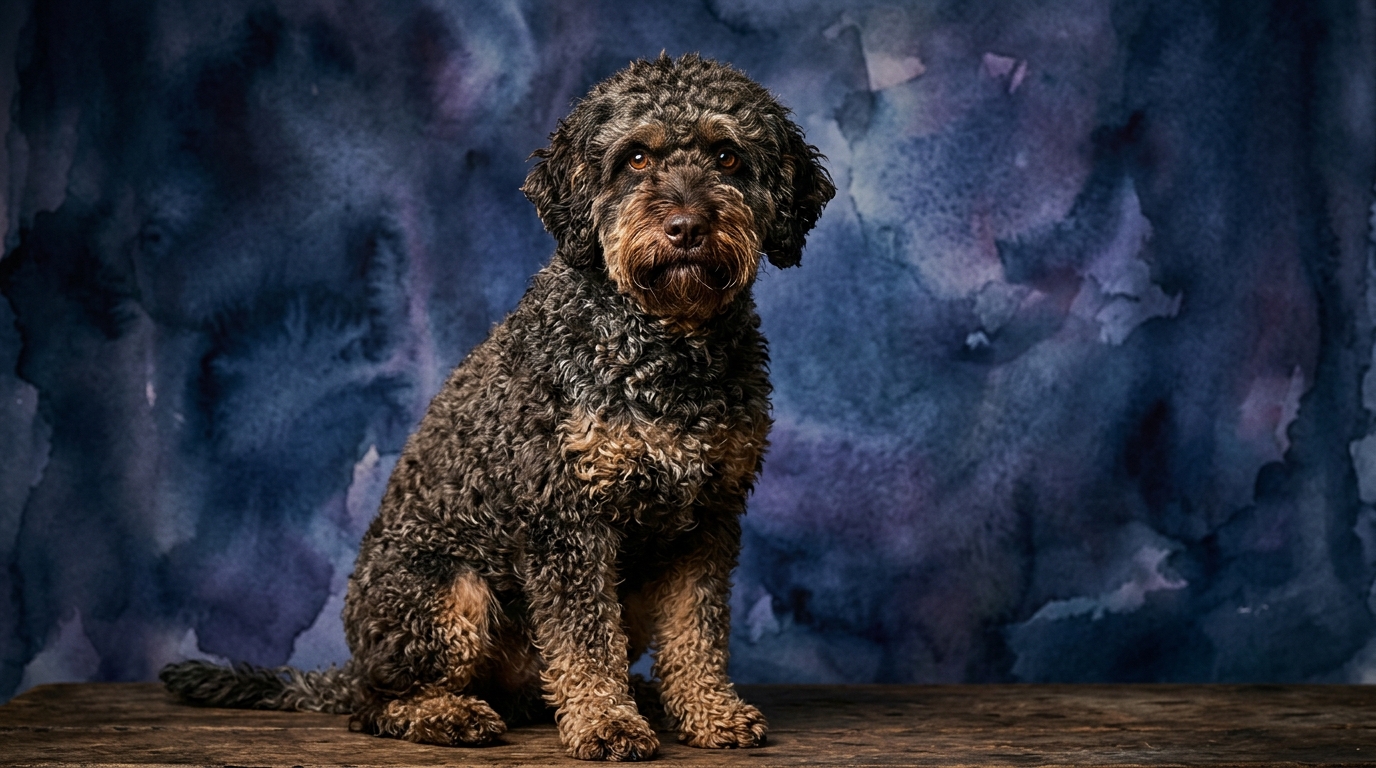
The **Spanish Water Dog's** 3/5 in **Problem Solving** highlights a resourceful nature, particularly in varied environments spanning land and water. They show ingenuity in tasks like retrieving objects from challenging spots or managing different types of livestock, often finding creative solutions. Their **Training Speed** at 3/5 means they absorb new information and skills at a moderate pace, thriving with engaging, varied training methods that prevent boredom. A 3/5 in **Social Intelligence** describes their deep connection with their primary handler and family, allowing them to discern subtle emotional shifts and respond empathetically. Their **Instinctive Drive** at 3/5 denotes a versatile drive for herding, retrieving, and guarding, adaptable to diverse working demands rather than being singularly focused. Lastly, their 3/5 in **Memory** signifies a robust ability to recall complex sequences and associations, making them proficient in multi-stage tasks and ensuring long-term retention of commands and experiences.
Where the Pyrenean Shepherd's Cognition Shines Brightest
The Pyrenean Shepherd's cognitive strengths are deeply rooted in its heritage as a shepherd dog in the rugged Pyrenees mountains, where independent thought and quick adaptation were paramount. Its problem-solving capabilities, while rated 3/5, are uniquely tuned for anticipatory herding. This means the Pyreneen Shepherd excels at predicting livestock movements, often thinking several steps ahead of the flock to guide them efficiently and prevent scattering, rather than merely reacting. This proactive problem-solving is a subtle but significant advantage in its specific working context.
Furthermore, its instinctive drive, also at 3/5, is characterized by a tenacious focus and a profound understanding of its role in managing a flock. This isn't just a generic herding instinct; it's a finely honed ability to make autonomous decisions in rapidly changing, high-pressure situations, such as when a sheep strays in dense fog or on treacherous slopes. The Pyrenean Shepherd's memory supports this by retaining detailed mental maps of terrain and the individual behaviors of specific animals, allowing it to work with remarkable independence and efficiency once a task is understood, minimizing the need for constant human directives.
Where the Spanish Water Dog's Cognition Takes the Lead
The Spanish Water Dog's cognitive profile, while numerically similar, reveals a distinct advantage in versatility and collaborative partnership, reflecting its history as an all-around farm and boat dog. Its problem-solving at 3/5 is notably strong in adapting to a multitude of tasks and environments, demonstrating a creative approach to novel challenges. This breed is adept at figuring out 'how' to accomplish a goal across varied scenarios, whether it's retrieving from water, moving different types of livestock, or performing complex search tasks, showcasing a flexible application of its mental faculties.
The Spanish Water Dog's social intelligence, also 3/5, is particularly geared towards forming deep, communicative bonds with humans. This manifests as a keen ability to interpret subtle human cues, emotional states, and intentions, making them exceptionally responsive and eager to engage in collaborative work. This strong human-dog partnership enhances their training and problem-solving in a team context. Their memory supports this by allowing them to quickly learn and recall complex sequences of commands and associations relevant to multi-faceted tasks, making them highly trainable for a wide array of activities where human guidance is central.
Training Dynamics: A Tale of Two 3/5s
While both breeds share a 3/5 training speed, the 'how' and 'why' of their learning processes present intriguing differences. The Pyrenean Shepherd, with its independent problem-solving and strong instinctive drive, learns quickly but often prefers to understand the 'reason' behind a command. They thrive with clear, consistent, and fair training that respects their thinking nature. A Pyrenean Shepherd might question a command if it doesn't align with its perceived purpose, and while it learns rapidly, it requires a handler who can channel its independent spirit rather than try to suppress it. Its sensitivity means harsh methods are counterproductive; positive reinforcement and a strong, trust-based relationship are key to harnessing its willingness to work.
The Spanish Water Dog, conversely, often feels 'easier' to train for many owners due to its high social intelligence and eagerness to please its handler. It responds exceptionally well to positive reinforcement, varied tasks, and an engaging training style that prevents boredom. Its drive for partnership means it is highly motivated by working alongside its human, readily absorbing new information and skills. However, its sensitivity also means it can become frustrated or shut down with overly repetitive or harsh training. The Spanish Water Dog excels when training feels like a collaborative game, making it a joy to teach a wide repertoire of commands and tricks. For a novice owner, the Spanish Water Dog's biddability and focus on the handler might make the training journey feel smoother, while the Pyrenean Shepherd demands an owner who appreciates and can guide a more autonomous learner.
Matching Canine Cognition to Lifestyle: Active vs. Engaged Owners
It's crucial to understand that neither the Pyrenean Shepherd nor the Spanish Water Dog are suitable for truly 'relaxed' owners in the sense of minimal daily engagement. Both are working breeds with substantial physical and mental exercise requirements. However, they suit different *types* of active owners based on their cognitive leanings.
The Pyrenean Shepherd is an ideal companion for owners who appreciate a dog with a strong will and independent thought, and who can provide structured, demanding activities. This breed thrives with owners who enjoy challenging dog sports like agility, herding trials, or long, purposeful hikes where the dog can engage its problem-solving skills and instinctive drive. They need mental engagement that taps into their self-directed nature, often preferring to 'do a job' rather than just 'play.' Owners must be prepared to offer consistent leadership and outlets for their dog's robust cognitive and physical energy, understanding that a bored Pyrenean Shepherd will invent its own (often undesirable) entertainment.
The Spanish Water Dog, on the other hand, is perfectly suited for owners who enjoy a highly interactive, versatile companion for a wide range of activities and desire a close, collaborative partnership. They excel in environments where they can participate in varied tasks, from water sports and retrieving to obedience, agility, and hiking. This breed thrives on constant mental stimulation and close interaction, making them excellent partners for owners who want a dog deeply involved in their daily routines. An owner who can provide diverse tasks, consistent positive reinforcement, and a strong sense of teamwork will find the Spanish Water Dog to be an exceptionally adaptable and eager companion.
The Verdict: When to Choose Each Breed
The Verdict
Choose the Pyrenean Shepherd if you value an independent, thinking partner for demanding, focused tasks and appreciate a dog that makes its own decisions within a clear framework. This breed thrives with an owner who can channel its autonomous spirit into purposeful work.
Choose the Spanish Water Dog if you seek a highly adaptable, eager-to-please companion for a wide variety of activities and desire a close, collaborative working relationship. This breed excels with an owner who provides diverse mental stimulation and embraces a strong partnership.
🧠 Find Your Pet's IQ Score
Our Pet IQ Lab assessment covers 25+ tests across 5 cognitive dimensions — personalized to your breed.
Take the Full IQ Test →Frequently Asked Questions
Are Pyrenean Shepherds good family dogs?
With proper socialization and consistent training, Pyrenean Shepherds can be loyal and protective family members. However, their strong herding instincts mean they might try to 'herd' children or other pets, requiring supervision and clear boundaries.
Is the Spanish Water Dog suitable for people with allergies?
While no dog is truly hypoallergenic, the Spanish Water Dog's single, non-shedding coat may be better tolerated by individuals with mild dog allergies. Regular grooming, including cord clipping or shaving, is essential to prevent matting and maintain coat health.
Do both breeds require a lot of exercise and mental stimulation?
Absolutely. Both are high-energy herding breeds that demand significant daily physical activity and consistent mental engagement to prevent boredom and destructive behaviors. Long walks, runs, dog sports, and training sessions are essential for their well-being.