Side-by-Side Cognitive Profiles
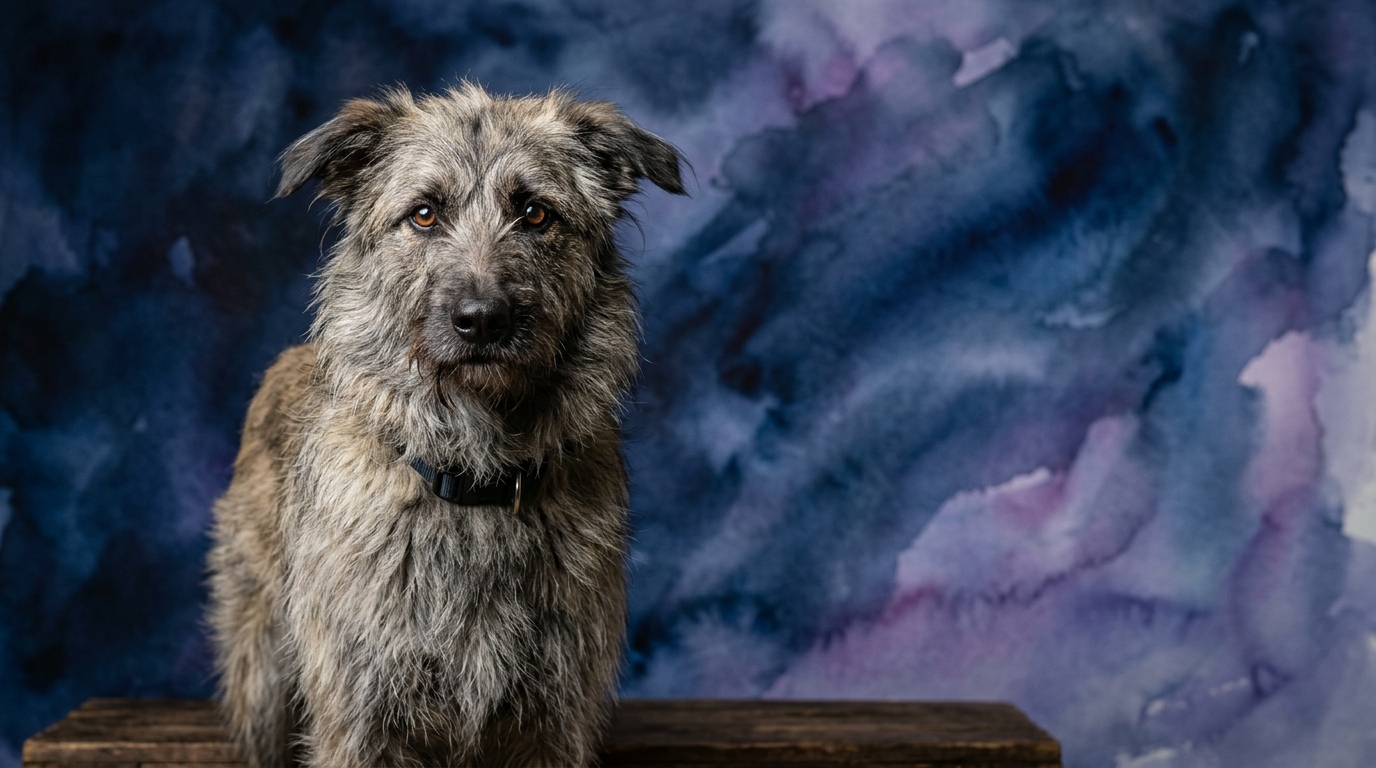
While both the Pyrenean Shepherd and Wire Fox Terrier share a 3/5 rating across all five cognitive dimensions – problem-solving, training speed, social intelligence, instinctive drive, and memory – the manifestation and application of these abilities are distinct, shaped by their ancestral roles. The Pyrenean Shepherd, a nimble herding dog from the Pyrenees mountains, developed its intellect managing livestock across challenging terrain. Its cognitive strengths are geared towards collaboration, anticipation, and dynamic response within a complex, living system.
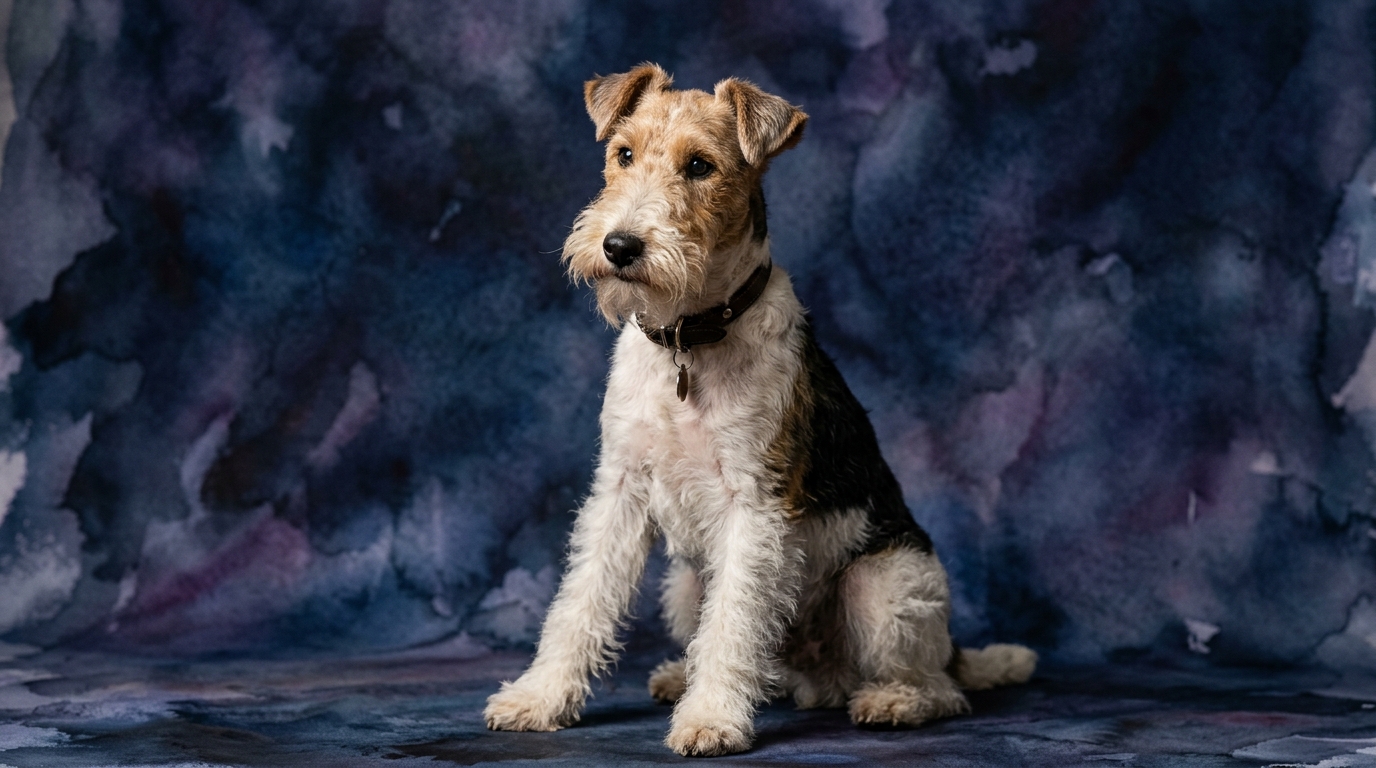
Conversely, the Wire Fox Terrier, bred in England to bolt fox and other den-dwelling prey, honed its intellect for independent pursuit, focused investigation, and tenacious execution. Its cognitive profile reflects a self-reliant approach to challenges, often requiring swift, decisive action in confined spaces or during high-stakes chases. Understanding these foundational differences is crucial to interpreting their identical numerical scores.
Where the Pyrenean Shepherd Excels Cognitively
The Pyrenean Shepherd's problem-solving (3/5) shines in scenarios demanding adaptive strategy within a fluid environment. For instance, anticipating the movement of a flock, redirecting a stubborn sheep, or navigating complex natural obstacles while maintaining control of their charges showcases a nuanced understanding of cause and effect in real-time. This isn't brute force problem-solving, but rather an intricate dance of prediction and influence.
Their social intelligence (3/5) is particularly attuned to human handlers, especially in a working partnership. A Pyrenean Shepherd often reads subtle shifts in body language, vocal tone, and even handler intent, allowing for seamless, often wordless, communication during tasks. This capacity for deep connection and collaborative understanding makes them remarkably responsive to a handler's guidance, even if their training speed is numerically equivalent to a breed with a more independent spirit. Their memory (3/5) is also notable for retaining complex sequences of commands and the spatial layout of their working area, enabling them to execute intricate herding patterns or recall specific livestock over time.
Where the Wire Fox Terrier Excels Cognitively
The Wire Fox Terrier's problem-solving (3/5) often manifests as tenacious, independent investigation. When faced with a puzzle, particularly one involving scent or an object to be retrieved, they exhibit a determined focus to unravel it, often employing trial-and-error with spirited persistence. Their intellect is geared towards overcoming obstacles individually, whether that means strategizing how to get to a hidden toy or figuring out a gate latch. This self-directed approach is a hallmark of their terrier heritage.
Their instinctive drive (3/5), while numerically matching the Pyrenean Shepherd's, is channeled into a laser-like focus on prey-related activities: digging, chasing, and flushing. This drive fuels their cognitive engagement, making them incredibly effective at tasks requiring singular dedication and quick reflexes. Their memory (3/5) excels in recalling specific locations of interest, successful hunting strategies, or the sequence of events that previously led to a reward, making them adept at repeating learned behaviors once a strong motivation is established.
Ease of Training: Behavioral Nuances
Despite both breeds scoring 3/5 in training speed, the 'ease' of training can differ significantly due to their behavioral predispositions. The Pyrenean Shepherd, as a herding breed, typically possesses a strong desire to work *with* its human partner. Their collaboration-oriented social intelligence means they often seek to understand and comply with commands, making them eager learners when presented with clear, consistent instruction. While they may require repetition to perfect precision, their inherent willingness to please and participate in a shared task can make the training process feel more fluid and rewarding for an owner.
The Wire Fox Terrier, on the other hand, while quick to grasp concepts (3/5 training speed), often approaches training with a more independent and sometimes opinionated mindset. Their strong instinctive drive towards independent action means they might question the 'why' or prefer to follow their own nose, especially if a more compelling distraction arises. Training a Wire Fox Terrier requires immense consistency, creative motivation, and a good sense of humor to channel their spirited independence. They excel when tasks align with their natural drives, but their boundless energy and self-assured nature mean that 'easier' doesn't necessarily mean less effort; it means a different kind of effort focused on engagement and consistency to keep their attention from wandering to more exciting, self-directed pursuits.
Matching Breeds to Lifestyles: Active vs. Engaged Owners
Neither the Pyrenean Shepherd nor the Wire Fox Terrier is suited for a truly 'relaxed' owner in the sense of a low-energy companion. Both breeds possess significant energy and cognitive needs that demand active engagement. The Pyrenean Shepherd thrives with an owner who can provide consistent mental and physical outlets that tap into their herding intelligence. This means activities like agility, obedience, herding trials, or even long, varied hikes where they can 'work' alongside their human, anticipating and reacting. They need a partner who values nuanced communication and can provide direction for their thoughtful energy, preventing it from being misdirected.
The Wire Fox Terrier demands an owner who is equally active and prepared for a tenacious, high-energy companion. Their ideal lifestyle includes vigorous play, earthdog trials, extensive walks, and puzzle toys that challenge their independent problem-solving and satisfy their drive to investigate and 'hunt.' They need an owner who appreciates their spirited nature and can provide outlets for their digging, chasing, and exploring instincts, ensuring their formidable energy is directed constructively. While both require active owners, the Pyrenean Shepherd seeks an active *partner* for collaborative endeavors, whereas the Wire Fox Terrier thrives with an active *leader* who can provide engaging challenges for their independent spirit.
The Verdict
Choose the Pyrenean Shepherd if you seek a highly collaborative, sensitive, and intelligent partner for dynamic activities, valuing a dog that thrives on nuanced communication and shared purpose.
Opt for the Wire Fox Terrier if you appreciate an independent, tenacious, and spirited companion, ready for investigative challenges and vigorous play, and you're prepared to channel their determined drive with consistent, engaging leadership.
🧠 Find Your Pet's IQ Score
Our Pet IQ Lab assessment covers 25+ tests across 5 cognitive dimensions — personalized to your breed.
Take the Full IQ Test →Frequently Asked Questions
Are these breeds suitable for first-time dog owners?
Neither breed is typically recommended for first-time dog owners due to their specific cognitive needs and high energy levels. Both require experienced handling, consistent training, and substantial mental and physical engagement to thrive.
How do their problem-solving skills differ in everyday life?
A Pyrenean Shepherd might solve problems by anticipating your next move or finding the most efficient path during a walk. A Wire Fox Terrier might solve problems by persistently figuring out how to open a cabinet or dig under a fence to reach an interesting scent.
What kind of mental stimulation do they require?
Pyrenean Shepherds benefit from complex obedience, agility, and herding-type games that involve sequencing and handler interaction. Wire Fox Terriers thrive on puzzle toys, scent work, earthdog-style games, and activities that allow them to investigate and 'hunt' for rewards.