Side-by-Side IQ Profile: Ragdoll vs. American Curl
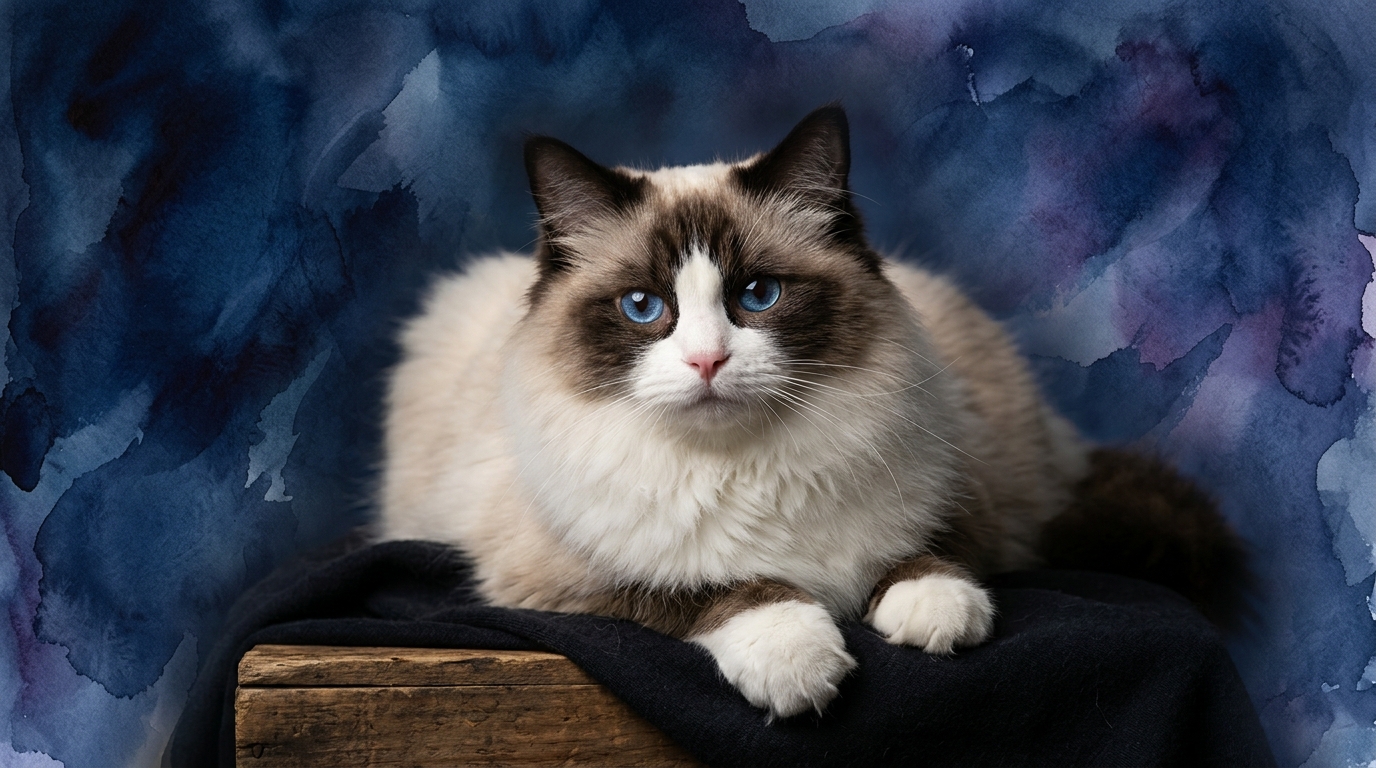
The Ragdoll's cognitive profile, as assessed by The Cosmic Pet Pet IQ Lab, offers a nuanced understanding of its intellectual makeup. With a Problem Solving score of 3/5, Ragdolls exhibit a moderate capacity for navigating environmental challenges, adept at figuring out basic puzzles or accessing desired items through simple manipulation. Their Training Speed, also rated at 3/5, indicates a steady learning curve, meaning they can acquire commands and routines with consistent, positive reinforcement, though patience is key. The breed's standout attribute is its Social Intelligence, scoring an exceptional 5/5, reflecting a profound ability to understand and respond to human emotions, seeking out interaction and forming deep, empathetic connections. A lower Instinctive Drive of 2/5 suggests less inclination for intense hunting or vigorous exploratory behaviors, favoring a more placid home life. Finally, their Memory, at 3/5, allows them to retain knowledge of routines, familiar individuals, and learned behaviors, contributing to their predictable and comforting presence.
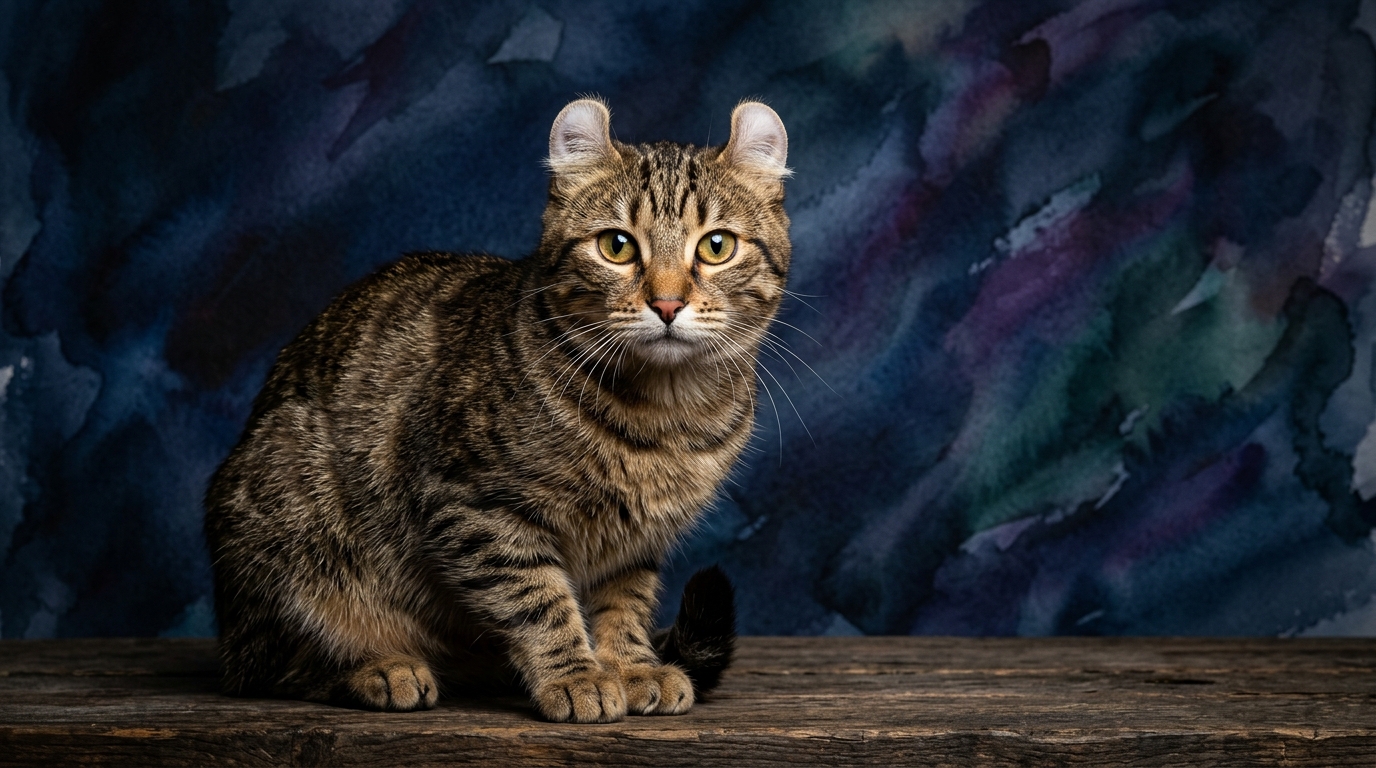
The American Curl's IQ profile, while sharing some similarities, presents a distinct cognitive emphasis. Like the Ragdoll, they score 3/5 in Problem Solving, demonstrating an equal capacity for practical ingenuity in navigating everyday challenges, from manipulating toys to understanding environmental cues. Their Training Speed also stands at 3/5, indicating they are receptive learners, capable of mastering tricks and commands at a moderate pace when engaged with reward-based methods. The American Curl's Social Intelligence is rated 3/5, positioning them as affectionate and engaging companions who enjoy human interaction, though perhaps with a slightly less intense emotional attunement than the Ragdoll. A notable difference is their Instinctive Drive, which is higher at 3/5, manifesting as a keen interest in active play that mimics hunting, a natural curiosity for exploration, and a general enthusiasm for engaging with their surroundings. Their Memory, consistent with the Ragdoll, is 3/5, enabling them to recall important routines, the location of favored objects, and the faces of their human family members.
Where the Ragdoll Wins Cognitively
The Ragdoll's undisputed cognitive advantage lies in its exceptional Social Intelligence, scoring a perfect 5 out of 5. This isn't merely about being friendly; it signifies a profound capacity for emotional resonance and connection with humans. A Ragdoll often acts as an emotional barometer, sensing and responding to the moods of its household members, offering comfort or quiet companionship when needed without being prompted. This elevated social awareness translates into a cat that actively seeks physical closeness, often following their owners from room to room, and displaying a remarkable ability to integrate seamlessly into a family dynamic, becoming a truly empathetic presence rather than just a pet. Their preference for being handled, often going 'limp' in a person's arms, is a direct manifestation of this deep social trust and desire for intimate interaction, making them unparalleled as companion animals who actively participate in the emotional fabric of a home.
Where the American Curl Wins Cognitively
Conversely, the American Curl demonstrates a distinct cognitive edge in its Instinctive Drive, rated at 3 out of 5 compared to the Ragdoll's 2. This higher drive translates into a more active and inquisitive approach to their environment. American Curls are naturally more inclined to engage in playful 'hunting' behaviors, enjoying games of fetch, pouncing on toys, and exploring new spaces with enthusiastic curiosity. Their internal motivation to chase and interact with moving objects is stronger, making them excellent companions for owners who enjoy dynamic play sessions and interactive enrichment activities. This heightened drive doesn't necessarily mean they are restless, but rather that they possess a more pronounced desire to engage physically and mentally with their surroundings, often investigating novelties and finding creative ways to entertain themselves, reflecting a lively and observant nature that keeps them perpetually engaged.
Which Is Easier to Train and Why
When considering ease of training, both Ragdolls and American Curls share a Training Speed score of 3/5, suggesting they are equally capable of learning basic commands and routines with consistent methods. However, the type of training they excel at and their primary motivators differ significantly due to their distinct social intelligence and instinctive drives. Ragdolls, with their superior Social Intelligence, respond exceptionally well to training that reinforces their bond with humans. They are motivated by praise, affection, and the desire for closeness, making them amenable to learning behaviors like coming when called (especially for a cuddle), accepting leash training for quiet walks with their owner, or tolerating grooming routines. Their training success often hinges on leveraging their deep connection and desire to please their human companions, making them cooperative partners in learning.
In contrast, American Curls, while also affectionate, are propelled more by their higher Instinctive Drive and innate curiosity. They thrive on training that taps into their playful nature and desire for exploration. This means they might be more enthusiastic participants in games of fetch, learning agility-style courses, or puzzle-solving activities where the reward is often the successful 'capture' of a toy or the discovery of a treat. Training an American Curl often involves making the learning process a game, appealing to their natural inclination to chase, pounce, and investigate. Therefore, while both breeds learn at a similar pace, a Ragdoll might be 'easier' to train for companionship-focused behaviors driven by social rewards, whereas an American Curl might be 'easier' for interactive, game-based learning driven by their playful, exploratory instincts.
Which Suits Active Owners vs. Relaxed Owners
The choice between a Ragdoll and an American Curl largely depends on an owner's lifestyle and their preferred level of interaction. For relaxed owners seeking a profoundly calm and affectionate companion, the Ragdoll is an ideal match. Their elevated Social Intelligence and lower Instinctive Drive mean they are content with extensive lap time, gentle petting, and simply being a soothing, comforting presence in the home. They thrive on quiet companionship and are less likely to demand constant stimulation or vigorous play, making them perfect for those who appreciate a serene domestic environment and a cat that merges seamlessly into a relaxed routine, often acting as a living, breathing emotional support system.
Conversely, active owners who desire a more engaged, playful, and inquisitive feline companion will find the American Curl to be a better fit. Their higher Instinctive Drive and general curiosity mean they enjoy interactive play sessions, exploring their surroundings, and participating in games that mimic hunting behaviors. They appreciate owners who are willing to engage them with feather wands, laser pointers, or puzzle toys, satisfying their natural urge for mental and physical stimulation. While still affectionate, their need for engagement is more pronounced, making them suitable for households that can provide regular opportunities for active play and exploration, ensuring their lively minds and bodies remain stimulated.
The Verdict
Choose a Ragdoll if you prioritize an exceptionally empathetic and calm companion who forms deep emotional bonds and thrives on quiet, consistent affection and a serene home environment.
Opt for an American Curl if you desire a more playful, curious, and interactive cat who enjoys engaging in games, exploring its surroundings, and requires regular mental and physical stimulation.
🧠 Find Your Pet's IQ Score
Our Pet IQ Lab assessment covers 25+ tests across 5 cognitive dimensions — personalized to your breed.
Take the Full IQ Test →Frequently Asked Questions
Do Ragdolls really go "limp" when held?
Yes, many Ragdolls exhibit a distinctive "floppy" characteristic, relaxing completely when picked up, which is a testament to their high social intelligence and deep trust in their human companions.
Are American Curls good with children?
American Curls are generally known for their playful and adaptable nature, making them suitable companions for respectful children who understand how to interact gently, often enjoying interactive play sessions.
Which breed requires more mental stimulation?
While both benefit from enrichment, the American Curl, with its higher instinctive drive and curiosity, typically requires more consistent mental and physical stimulation through interactive play and exploration to keep it engaged.