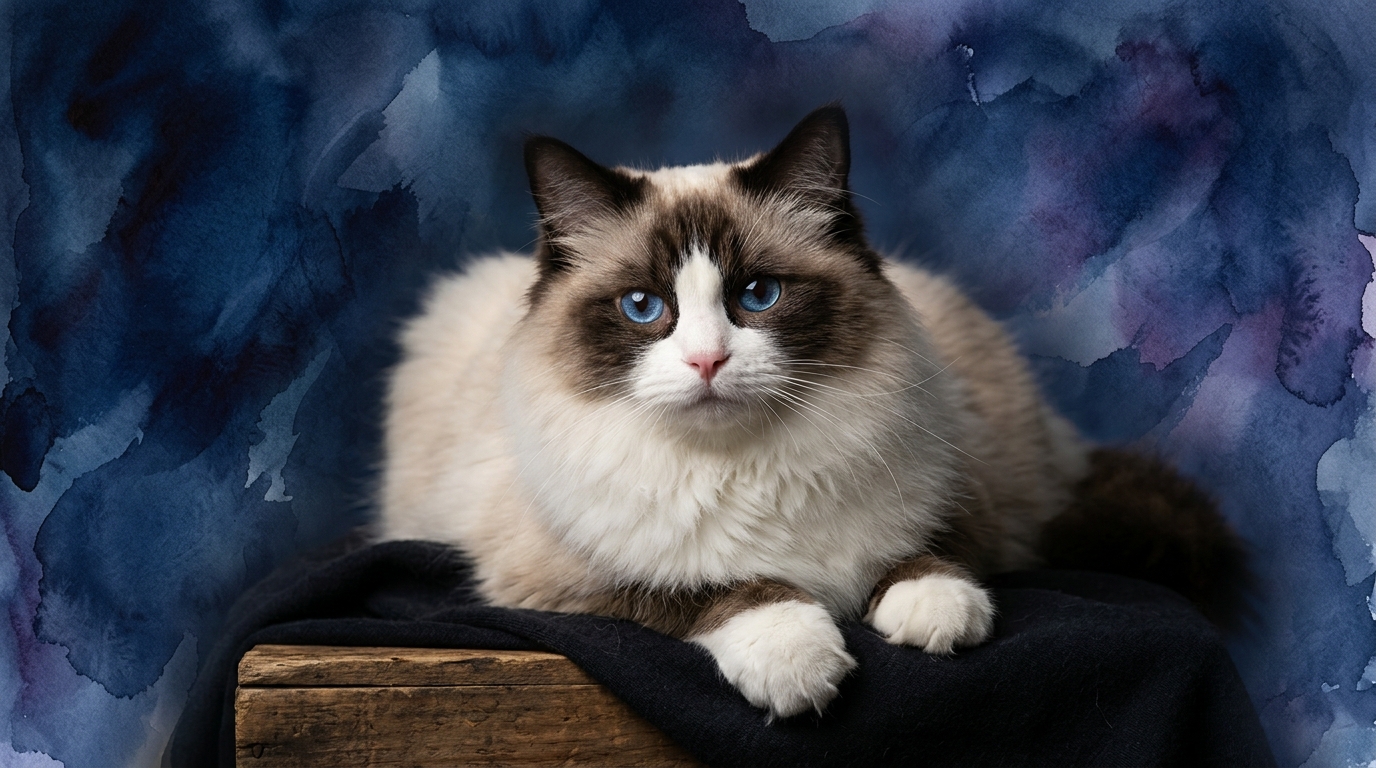
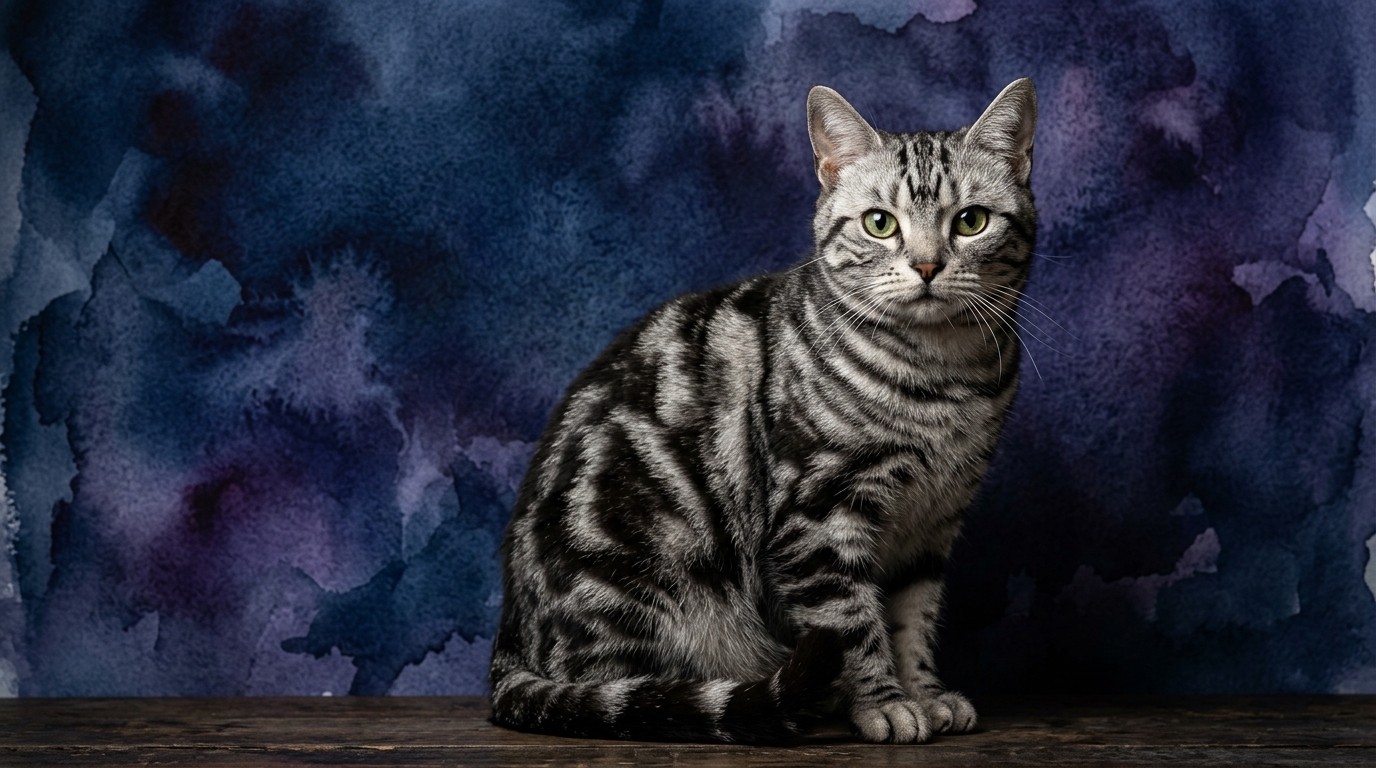
Side-by-Side IQ Profile: Ragdoll vs. American Shorthair
At The Cosmic Pet Pet IQ Lab, we dissect feline cognition across five key dimensions. While both the Ragdoll and American Shorthair are not Coren-ranked, their individual scores paint a fascinating picture of their inherent capabilities and leanings.
The Ragdoll, renowned for its placid demeanor, scores a 3/5 in Problem Solving. This indicates a practical aptitude for navigating their immediate environment, such as figuring out how to open a simple cabinet or retrieving a favored toy from an accessible spot. Their Training Speed also sits at a 3/5, meaning they respond well to consistent, positive reinforcement, learning routines and basic commands at a steady, moderate pace, particularly when motivated by affection or clear rewards. Where Ragdolls truly shine is in Social Intelligence, earning an exceptional 5/5. This reflects a profound capacity to understand human emotions and intentions, often seeking out interaction and forming deeply responsive bonds with their family members, showing a remarkable ability to read social cues. Their Instinctive Drive is comparatively low at 2/5, suggesting less inclination for intense hunting, extensive exploration, or strong territorial marking, often preferring comfort and companionship over primal pursuits. Finally, their Memory is rated 3/5, demonstrating a solid ability to recall routines, familiar faces, and preferred locations over time, adapting well to established household patterns.
The American Shorthair, a breed celebrated for its robust health and easygoing nature, also achieves a 3/5 in Problem Solving. This breed displays a practical intelligence for everyday challenges, such as finding clever ways to access desired high places or manipulating objects for play, showing a pragmatic approach to their environment. Their Training Speed mirrors the Ragdoll's at 3/5, indicating they learn new behaviors and commands with steady application, responding effectively to reward-based methods and establishing routines reliably. Their Social Intelligence is a balanced 3/5, showing an engagement with human companions that combines affection with a healthy dose of independence. They understand social cues sufficiently for harmonious living but are often less intensely focused on human interaction than some breeds. The American Shorthair’s Instinctive Drive is rated 3/5, indicating a moderate, healthy level of natural cat behaviors, including a keen interest in play hunting, exploring their surroundings, and maintaining a sense of their territory. Their Memory, like the Ragdoll's, is a reliable 3/5, allowing them to retain knowledge of people, places, and learned habits, which aids in their adaptability to various living situations.
Where the Ragdoll Wins Cognitively
The Ragdoll’s cognitive forte unmistakably lies in its superior Social Intelligence, scoring a perfect 5/5 compared to the American Shorthair’s 3/5. This isn't merely about being 'friendly'; it's about a sophisticated ability to perceive and respond to the nuances of human interaction. A Ragdoll often demonstrates an almost uncanny capacity to read the emotional states of their human companions, offering comfort during distress or initiating gentle play when sensing an invitation. Their highly developed social cognition means they are exceptionally attuned to vocal tones, facial expressions, and body language, often adjusting their own behavior to align with the household's mood. This translates into a cat that not only seeks out companionship but actively participates in the social fabric of the home, often following family members from room to room, engaging in 'conversations' with soft meows, and showing a remarkable inclination to be physically close. Their strong desire for connection means they are often highly responsive to their names and specific verbal cues, as these are perceived as direct invitations for interaction and bonding. This deep social awareness makes their presence profoundly impactful, creating a sense of mutual understanding that many owners cherish.
Where the American Shorthair Wins Cognitively
The American Shorthair’s cognitive edge surfaces in its more robust Instinctive Drive, rated 3/5 compared to the Ragdoll's 2/5. This isn't about aggression, but rather a healthy, well-balanced expression of innate feline behaviors that contribute to their self-reliance and environmental engagement. An American Shorthair typically possesses a more pronounced curiosity and a natural inclination for exploration, making them adept at investigating new spaces and finding entertainment in their surroundings. Their moderate hunting instincts mean they genuinely enjoy interactive play sessions involving chasing and pouncing, which are vital for their mental and physical stimulation. This drive allows them to be more self-sufficient in terms of entertainment, often capable of occupying themselves with toys or observing outdoor activities, without constantly relying on human interaction for stimulation. They tend to have a stronger sense of territory and may take more interest in patrolling their domain, whether it's a cozy apartment or a larger home. This practical, grounded intelligence, coupled with their problem-solving skills, helps them navigate and thrive independently within various home environments, making them less prone to boredom or anxiety when their human companions are occupied.
Which is Easier to Train and Why?
Both Ragdolls and American Shorthairs share an identical Training Speed score of 3/5, suggesting neither breed is inherently 'faster' to train in a purely rote sense. However, the *nature* of their trainability differs significantly due to their distinct cognitive strengths. For Ragdolls, their exceptional 5/5 Social Intelligence plays a pivotal role in training. They are highly motivated by human approval and the desire for connection, making them eager to please. This means that positive reinforcement, especially praise, petting, and gentle interaction, can be incredibly effective. They are more likely to learn commands like 'come' or 'stay' not just for a treat, but because it strengthens their bond with their person and elicits a positive social response. Their lower Instinctive Drive means they might be less distracted by environmental stimuli, allowing them to focus more intently on their trainer during sessions, particularly if the training involves social interaction or lap time.
Conversely, the American Shorthair's 3/5 Social Intelligence means they are responsive but perhaps less driven by the *social* reward alone. Their 3/5 Instinctive Drive and practical Problem Solving (3/5) suggest they might respond best to training that taps into their natural curiosity and desire for tangible outcomes. They might excel at learning to use puzzle feeders, navigating agility courses, or understanding boundaries through consistent, clear reinforcement that appeals to their desire to explore or 'win' a reward. While they enjoy interaction, they are less likely to perform solely for the sake of pleasing, and more for the inherent satisfaction of the task or the treat received. Therefore, while both breeds learn at a moderate pace, Ragdolls might appear 'easier' for social compliance and routine establishment due to their strong desire for connection, whereas American Shorthairs might be equally effective in learning practical skills or engaging in more independent, exploratory training tasks.
Which Suits Active Owners vs. Relaxed Owners?
The distinct IQ profiles of these breeds offer clear guidance for matching them with owner lifestyles. For individuals who identify as 'relaxed owners,' prioritizing quiet companionship, gentle interaction, and a calm household environment, the Ragdoll is an ideal choice. Their low Instinctive Drive (2/5) means they are generally content with indoor living and less demanding of high-energy play or extensive environmental enrichment focused on hunting simulations. Their exceptional Social Intelligence (5/5) translates into a cat that thrives on close proximity, lap time, and being an emotionally responsive presence in the home. They are perfectly suited for owners who enjoy consistent, affectionate interaction and want a feline companion that is deeply integrated into their daily, often quieter, routines.
On the other hand, the American Shorthair is well-suited for 'active owners,' or those who appreciate a more balanced and engaging feline companion. With a moderate Instinctive Drive (3/5), these cats enjoy and benefit from regular interactive play sessions, whether with wand toys simulating prey or engaging with puzzle feeders that challenge their practical problem-solving skills. Their natural curiosity and desire for exploration mean they appreciate a stimulating environment with climbing structures, hiding spots, and varied toys. They are adaptable and can thrive in households that offer a dynamic routine, enjoying both periods of independent exploration and engaging play. An American Shorthair fits seamlessly into a home where owners are willing to provide consistent mental and physical stimulation, ensuring their moderate drives are healthily expressed without leading to boredom or mischief.
The Verdict
Choose the Ragdoll if you seek a deeply bonded companion who reads your emotions and thrives on close, gentle interaction, valuing social connection above all.
Opt for the American Shorthair if you appreciate a balanced, adaptable cat with a healthy dose of independence and a keen interest in exploring and playing, fitting seamlessly into a varied household rhythm.
🧠 Find Your Pet's IQ Score
Our Pet IQ Lab assessment covers 25+ tests across 5 cognitive dimensions — personalized to your breed.
Take the Full IQ Test →Frequently Asked Questions
Are Ragdolls good with children?
Yes, Ragdolls are generally excellent with children due to their high social intelligence and gentle nature. They are often tolerant and enjoy being part of family activities, though supervision is always key to ensure respectful interactions.
Do American Shorthairs need a lot of playtime?
While not excessively demanding, American Shorthairs do benefit from regular interactive playtime due to their moderate instinctive drive. Daily sessions with toys that mimic prey, along with environmental enrichment like climbing trees, help keep them mentally and physically stimulated.
Can either breed be taught tricks?
Both Ragdolls and American Shorthairs can certainly be taught tricks with consistent, positive reinforcement. Ragdolls might be more motivated by social praise and connection, while American Shorthairs often respond well to curiosity-driven challenges and food rewards.