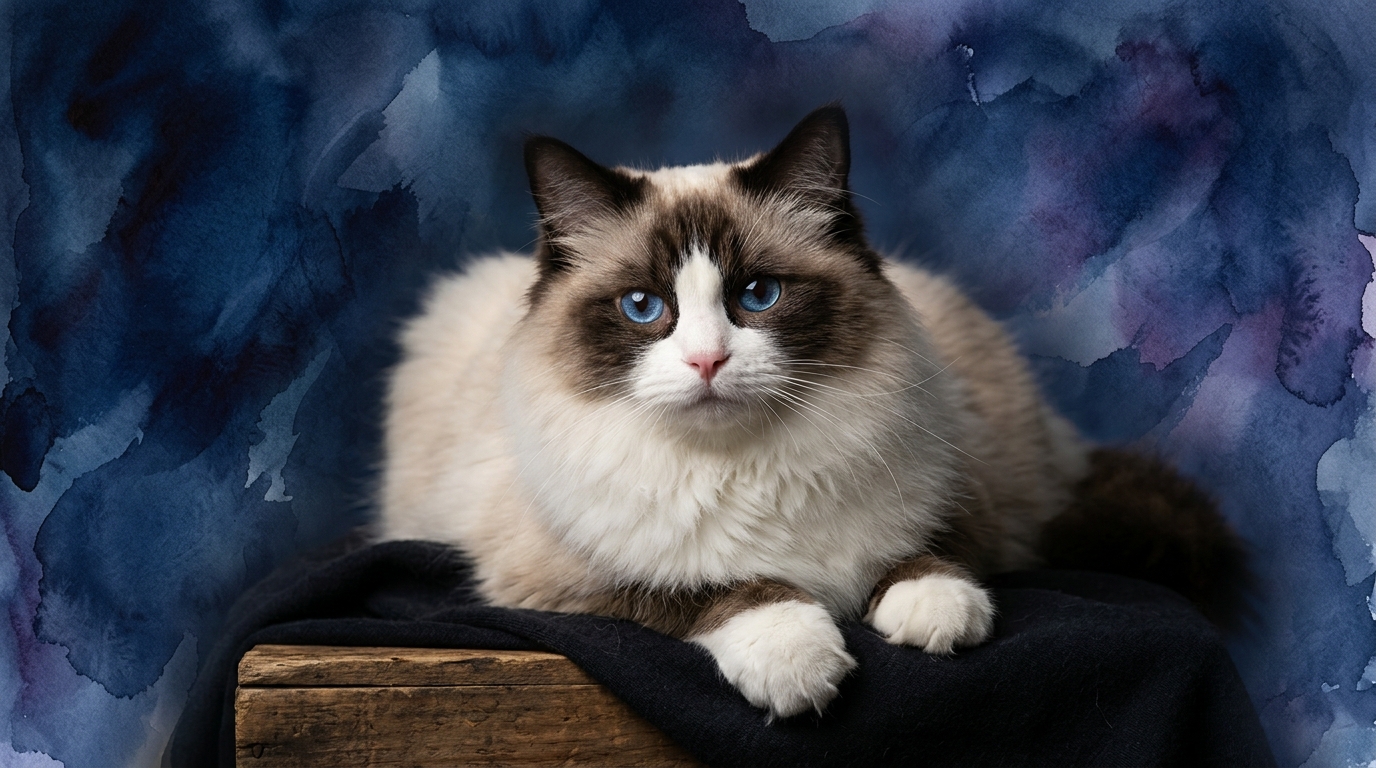
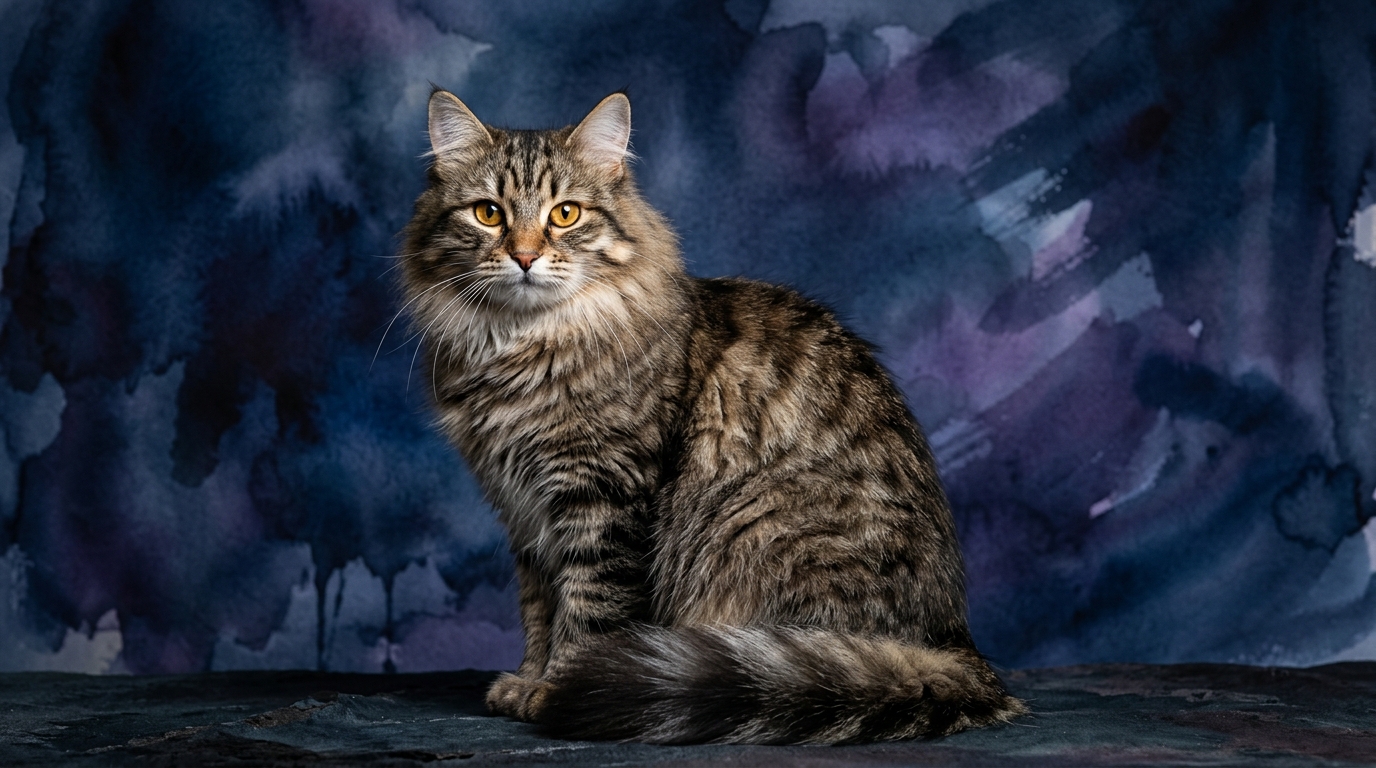
Side-by-Side IQ Profile: Ragdoll vs. Siberian
The Cosmic Pet Pet IQ Lab employs a unique five-dimensional framework to assess feline cognitive abilities, offering a nuanced understanding beyond simple anecdotes. For both the Ragdoll and the Siberian, their Problem Solving score stands at 3 out of 5, indicating a moderate capacity for navigating challenges. This means they are generally adept at figuring out how to access simple puzzle feeders or understanding cause-and-effect in their immediate environment, but complex, multi-step tasks might push their limits. Similarly, their Training Speed is rated 3 out of 5, suggesting a reasonable pace for learning new commands or routines. They are neither instant prodigies nor particularly stubborn, requiring consistent, positive reinforcement to solidify behaviors.
Where the two breeds begin to diverge significantly is in their Social Intelligence. The Ragdoll boasts an impressive 5 out of 5, signifying an exceptional ability to interpret human cues, bond deeply, and integrate into family dynamics. In contrast, the Siberian holds a solid 3 out of 5, indicating a good, but not extraordinary, understanding of social nuances. The Instinctive Drive also presents a notable difference: the Ragdoll scores a lower 2 out of 5, suggesting a reduced natural inclination towards hunting or intense exploratory behaviors. The Siberian, however, registers a 3 out of 5, pointing to a more pronounced, albeit still manageable, inherent drive for chasing and investigating. Finally, both breeds share a Memory score of 3 out of 5, meaning they possess a moderate ability to recall past experiences, learned lessons, and routines over time.
Where the Ragdoll Shines Cognitively
The Ragdoll's most prominent cognitive advantage lies unequivocally in its exceptional Social Intelligence, scoring a perfect 5 out of 5. This isn't merely about being 'friendly'; it's about a profound capacity to understand and respond to human emotions, intentions, and social structures. A Ragdoll is acutely attuned to its owner's mood, often seeking to offer comfort during times of stress or engaging in gentle play when sensing an invitation. This high social acumen translates into a cat that doesn't just coexist with its family but actively participates in the social fabric of the home, often following from room to room or initiating quiet, communicative interactions. They are remarkably adept at integrating into multi-pet households, often acting as a calming presence due to their ability to read and adapt to the social dynamics of the group. Their low Instinctive Drive (2/5) also contributes to their 'win' in specific contexts; it means less inclination towards intense predatory games or territorial marking, making them generally more relaxed companions, especially in homes with small children or other vulnerable pets.
Where the Siberian Excels Cognitively
The Siberian’s cognitive profile, while balanced, reveals distinct strengths, particularly in its Instinctive Drive. Scoring 3 out of 5, the Siberian possesses a moderate, healthy drive that manifests as a keen interest in exploration, interactive play, and simulated hunting. This isn't an overwhelming, destructive urge, but rather a robust curiosity that makes them engaging partners for games involving wand toys, laser pointers, or even hide-and-seek. Their balanced Problem Solving (3/5) and Memory (3/5) combined with this drive mean they are often more inclined to engage with and figure out environmental challenges, such as navigating new spaces or discovering hidden treats. While their Social Intelligence (3/5) is not as pronounced as the Ragdoll's, it is still robust enough to foster meaningful bonds, albeit often expressed with a greater degree of independence. This well-roundedness across problem-solving, training speed, and memory, paired with a lively instinctive drive, creates a cat that is adaptable, curious, and often enjoys a wider variety of mental and physical activities than its more socially-focused counterpart.
Training Aptitude: Which is Easier to Guide?
When considering trainability, both Ragdolls and Siberians share an identical Training Speed score of 3 out of 5, suggesting they learn at a similar, moderate pace. However, the *experience* of training can feel quite different due to their divergent social intelligence and instinctive drives. The Ragdoll’s superior Social Intelligence (5/5) means they are often more intrinsically motivated by human interaction, praise, and the desire to please. They are highly attuned to their owner's reactions, making positive reinforcement particularly effective. This can translate to a perceived 'easiness' in training, as the Ragdoll is more likely to engage willingly and maintain focus due to the strong social bond and their desire for connection. Teaching them to walk on a leash, for instance, might be smoother because they are less driven by external environmental stimuli (Instinctive Drive 2/5) and more by the companionship of their human.
The Siberian, with its 3/5 Social Intelligence, is certainly trainable, but might require a slightly different approach. While they respond well to rewards and consistency, their motivation may stem more from the immediate gratification of a treat or the enjoyment of the activity itself, rather than solely from social appeasement. Their moderate Instinctive Drive (3/5) means they might be more easily distracted by interesting sights, sounds, or smells during training sessions, requiring a more controlled environment or more engaging rewards to maintain focus. For tasks that tap into their natural curiosity or playfulness, such as learning tricks involving chasing or retrieving, the Siberian might pick them up with enthusiasm. Ultimately, both breeds are capable learners, but the Ragdoll's social acumen often makes the training process feel more like a cooperative dance, while the Siberian might require a bit more strategic engagement to capture its attention.
Matching Owners: Active Seekers vs. Relaxed Companions
The distinct cognitive profiles of the Ragdoll and Siberian lend themselves to different owner lifestyles. For individuals or families who identify as 'relaxed owners,' seeking a calm, deeply affectionate, and emotionally responsive companion, the Ragdoll is an ideal match. Their exceptional Social Intelligence (5/5) means they thrive on close companionship, gentle interactions, and being an integral, yet often quiet, part of daily life. They are content to observe from a comfortable perch, engage in soft purring conversations, and enjoy prolonged petting sessions. Their lower Instinctive Drive (2/5) means they are less likely to demand constant high-energy play or exhibit strong hunting behaviors, making them perfectly suited for quieter households or those with limited space for intense activity. They find significant mental stimulation in their rich social bonds and the observation of their human family.
Conversely, 'active owners' who appreciate a cat with a more pronounced zest for interactive play, exploration, and a degree of independent engagement might find the Siberian to be a more fitting companion. With a moderate Instinctive Drive (3/5) and a balanced cognitive profile across problem-solving, training speed, and memory, Siberians enjoy varied activities. They are often eager participants in games that mimic hunting, such as chasing wand toys or figuring out food puzzles. While they are affectionate and enjoy human company (Social Intelligence 3/5), they also possess a comfortable independence, content to explore their environment or entertain themselves when their owners are busy. This makes them suitable for homes where owners can dedicate time to engaging play sessions but also appreciate a cat that isn't constantly demanding attention, and can adapt to a more varied daily routine.
The Verdict
Choose a Ragdoll if you prioritize a deeply communicative feline companion who will seamlessly integrate into your social routines and offer profound emotional connection without demanding high-octane play.
Opt for a Siberian if you appreciate a well-rounded cat with a keen interest in exploratory play and a balanced independence, capable of both engaging in interactive games and enjoying quiet moments alongside you.
🧠 Find Your Pet's IQ Score
Our Pet IQ Lab assessment covers 25+ tests across 5 cognitive dimensions — personalized to your breed.
Take the Full IQ Test →Frequently Asked Questions
Are Ragdolls more affectionate than Siberians?
Ragdolls, with their superior social intelligence, tend to display affection in more overt, human-oriented ways, often seeking direct interaction and comfort. Siberians are affectionate but might express it more subtly, valuing shared space and occasional engagement rather than constant physical closeness.
Which cat breed is better with children?
Both breeds can be excellent with children, but their approaches differ. Ragdolls' high social intelligence makes them exceptionally tolerant and understanding of child interactions, often enjoying gentle play and being handled. Siberians, while patient, might prefer to retreat if play becomes too boisterous, relying on their balanced independence.
Do Siberians need more mental stimulation than Ragdolls?
Siberians, with their moderate instinctive drive and balanced problem-solving abilities, generally appreciate more varied mental stimulation through interactive toys and exploratory opportunities. Ragdolls, while enjoying puzzles, find significant mental engagement through their rich social interactions and observation of family life.